From hammocks slung between redwoods to tents pitched under desert stars, some memories just smell like freedom. While you’re chasing that bliss, you don’t want gear that taps out before you do. Think tents tougher than a bouncer at a biker bar, backpacks that laugh in the face of rough terrain, and sleeping bags so cozy, you’ll forget you’re not in your own bed. This isn’t your grandpa’s camping gear—unless your grandpa was prepping for SEAL Team Six. Here’s the stuff built right here in the USA, piece by piece, stitch by stitch, because being prepared is half the fun.
This content may contain affiliate links. If you wish to support us and use these links to buy something, we may earn a commission.
12. BLUETTI Elite 300 Portable Power Station
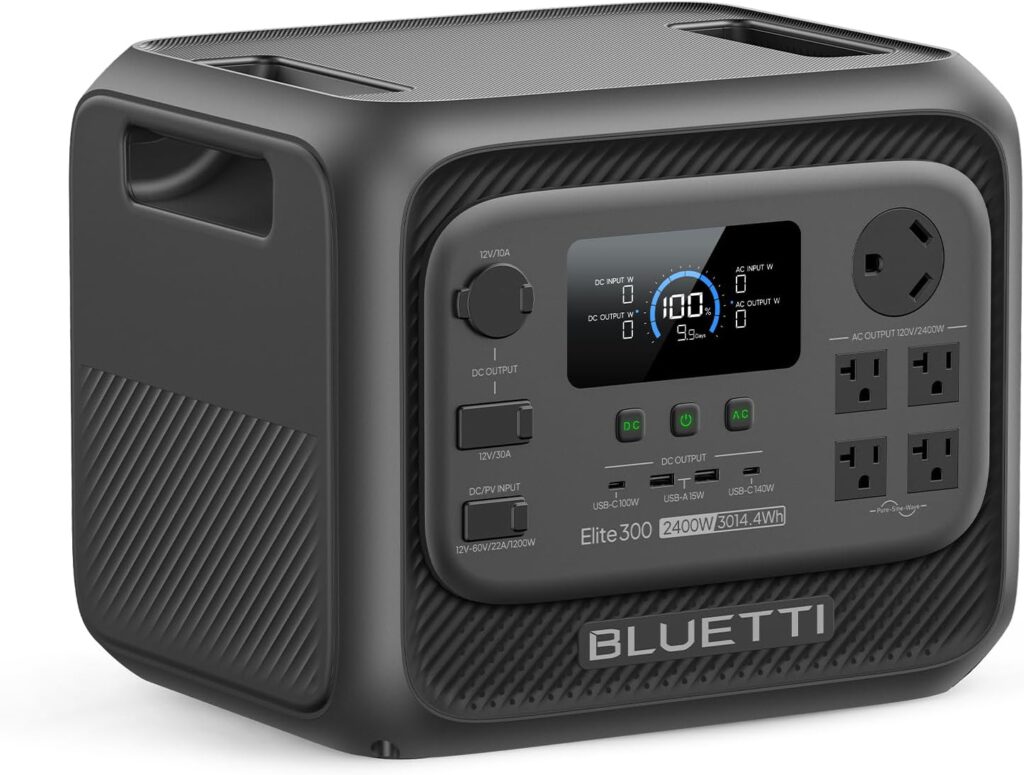
Three kilowatts of backup power that fits where your old generator never could.
The BLUETTI Elite 300 packs 3,014Wh of LiFePO4 capacity into the smallest 3kWh frame on the market, certified by Frost & Sullivan. At 58 lbs, it moves from closet to campsite without a forklift. The TT-30 RV port means no adapters, no fussing — just plug in and run your fridge, fans, and water pump like you never left the driveway.
Power outages don’t get a warning shot. The 10ms UPS switchover keeps routers online and refrigerators running the instant the grid drops. With 2,400W continuous output and a 4,800W surge ceiling, it handles microwaves, space heaters, and CPAP machines without blinking. Currently $1,099 — 50% off through May 31, 2026.
11. Warbonnet Outdoors Hammocks
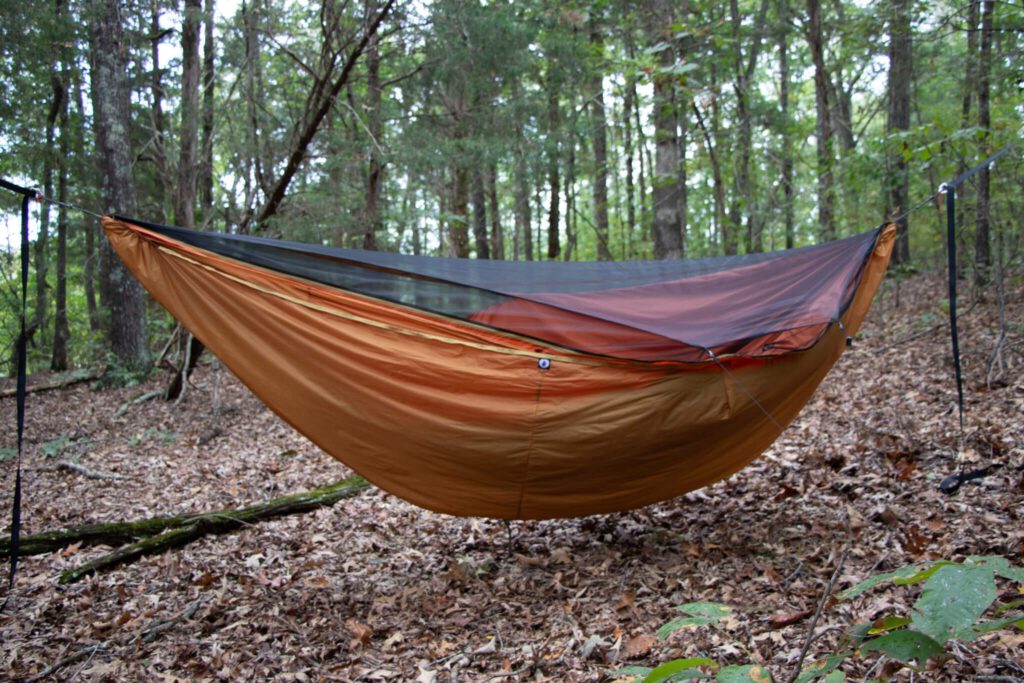
Hammock camping’s popularity is skyrocketing, and these sleep systems are crafted with meticulous care.
Warbonnet Outdoors, founded in 2008 by Brandon Waddy, offers American-made sleep systems that aren’t churned out in some overseas sweatshop. Their small-batch manufacturing ensures each piece passes rigorous quality inspections. If you’re tired of waking up with a crick in your neck after a night on the ground, maybe it’s time to elevate your camping game—literally.
These hammocks aren’t just comfy; they’re a vote for sustainability. Warbonnet prioritizes American-sourced materials when possible, so you’re getting a durable product while supporting local economies. It’s like a hipster’s dream come true, minus the ironic mustache.
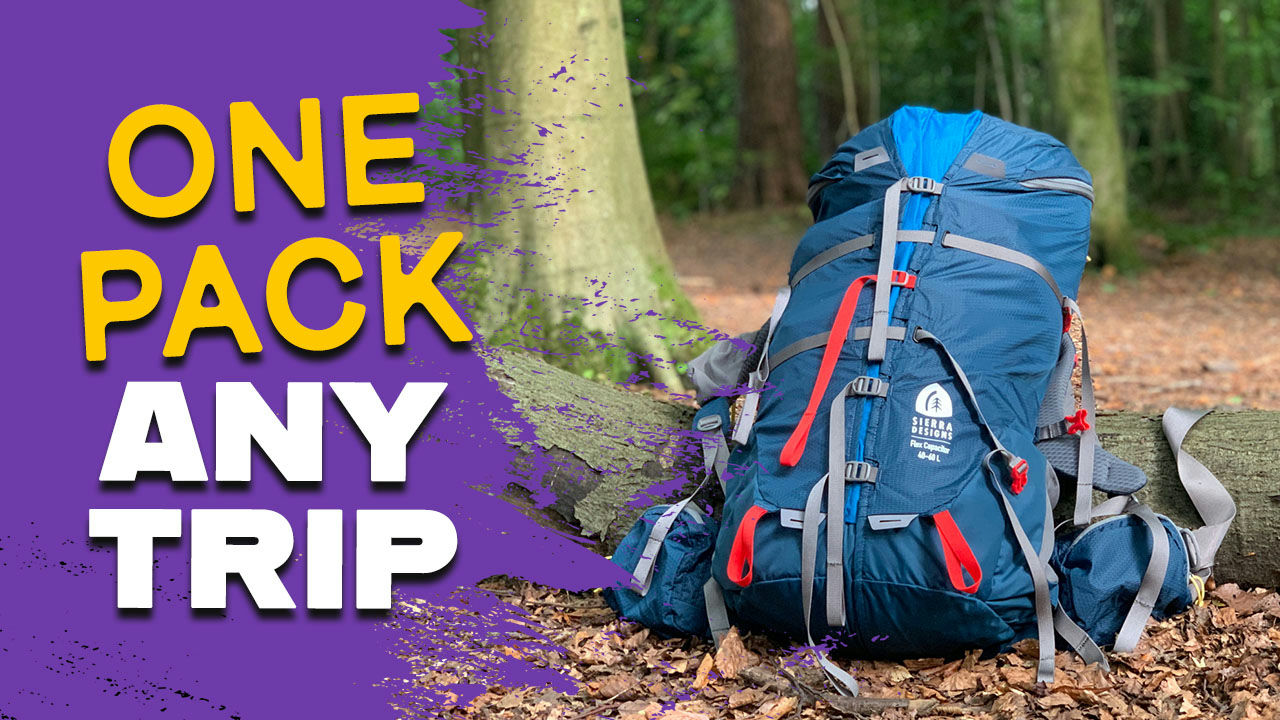
10. Sierra Designs Flex Capacitor Packs
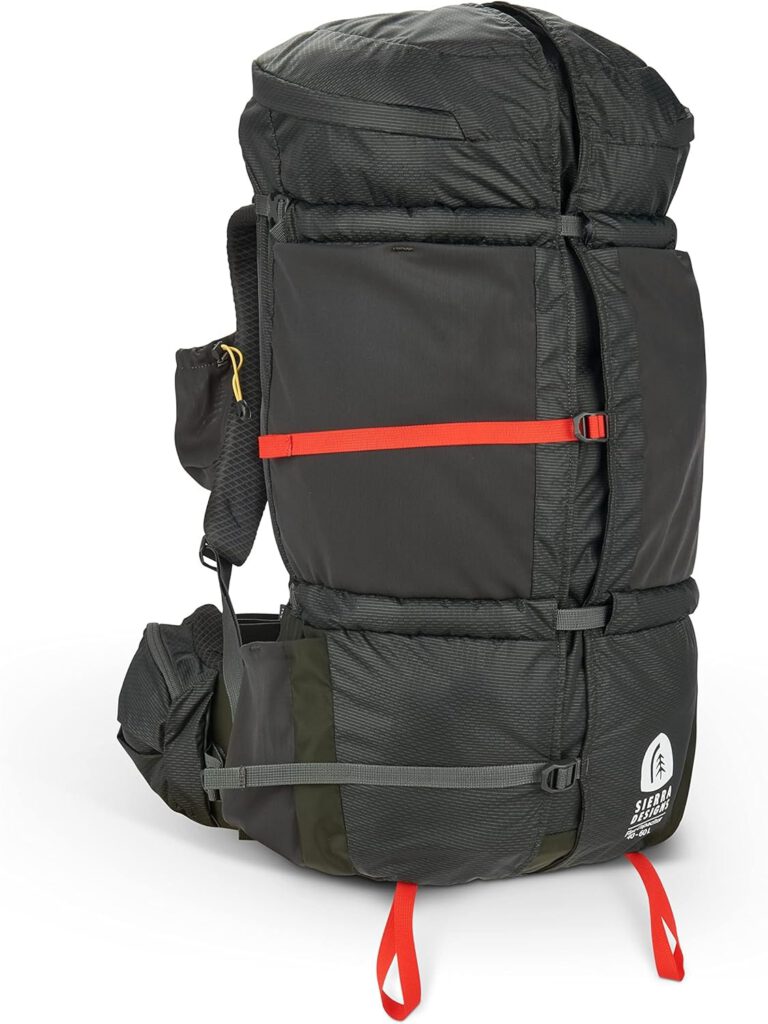
These packs adapt to whatever load you’re hauling, expanding like your appetite after a long hike.
Sierra Designs, established in 1965 in California, gets the struggle of backpack Tetris. They focus on attainable, high-performance gear, like their Flex Capacitor packs, which expand based on your load whether it’s a weekend jaunt or multi-day trek.
No more cramming or carrying dead space. It’s like having a chameleon for your camping trips. Seriously, if only finding a decent campsite was this adaptable.
9. NEMO Equipment Dragonfly Tent
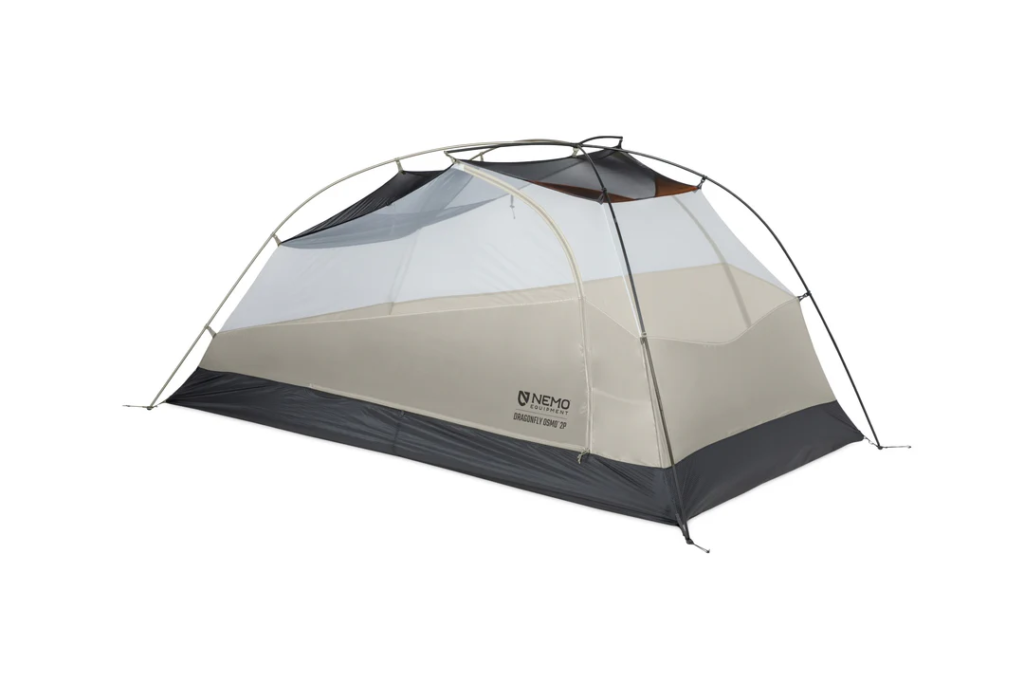
This lightweight design challenges the notion that serious protection must weigh you down.
Inspired by mountaineer Cam Brensinger, NEMO Equipment dared to rethink camping essentials. Picture a backpacker caught in sudden downpour, miles from civilization. Their Dragonfly tent pitches quickly, providing secure, dry shelter from the storm.
Because who wants to lug a heavy tent when you can carry something that weighs closer to two pounds? This tent proves ultralight doesn’t mean ultra-flimsy.
8. Zpacks Duplex Classic Ultralight Tent
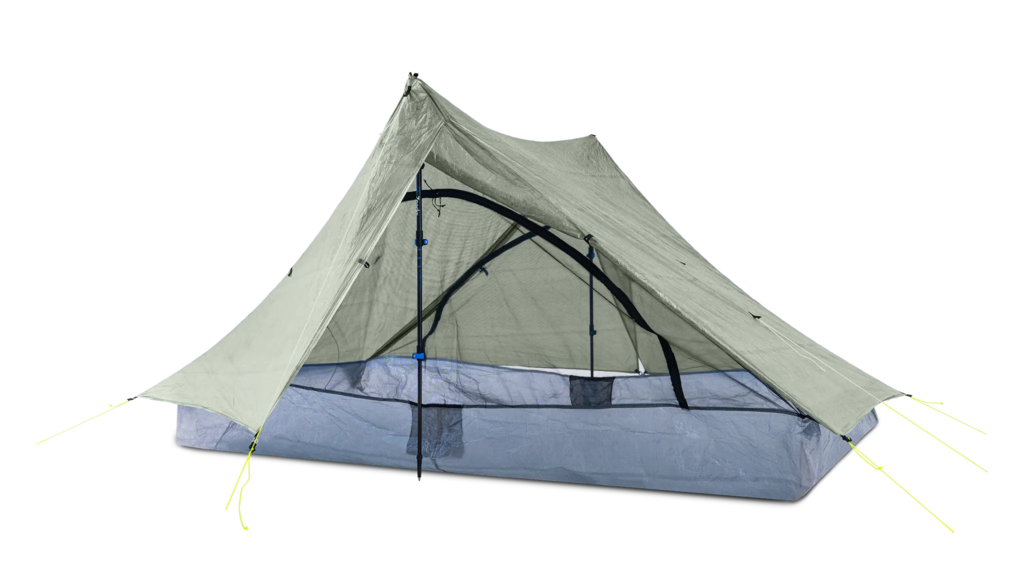
Thru-hikers on trails like the CDT praise its minimal weight because every ounce counts.
“Ultralight” shouldn’t mean “barely-there,” especially when Mother Nature’s throwing a tantrum. Zpacks, based in West Melbourne, Florida, gets this right with their Duplex Classic. This tent uses Dyneema fabric, which means it’s crazy durable without adding bulk.
While your buddy’s wrestling with a tent that weighs as much as a small child, you’ll be setting up your storm-worthy shelter in minutes. For serious hikers, Zpacks balances weight and weather protection like a tightrope walker.
7. Western Mountaineering Sleeping Bags

Every bag embodies dedication to craft with ethically sourced down, offering campers peace of mind.
Western Mountaineering, established in 1970 in San Jose, California, handcrafts ultralight sleeping bags that don’t skimp on warmth or conscience. The company sources its goose down from ethical farms, a practice so buttoned-up that it’s considered among the best for trust and quality.
Think of it as premium sleeping bags without the questionable sourcing. Most customers stick with the brand, because who wants buyer’s remorse when it’s 2 AM and you’re freezing?
6. Kelty Redwing Packs
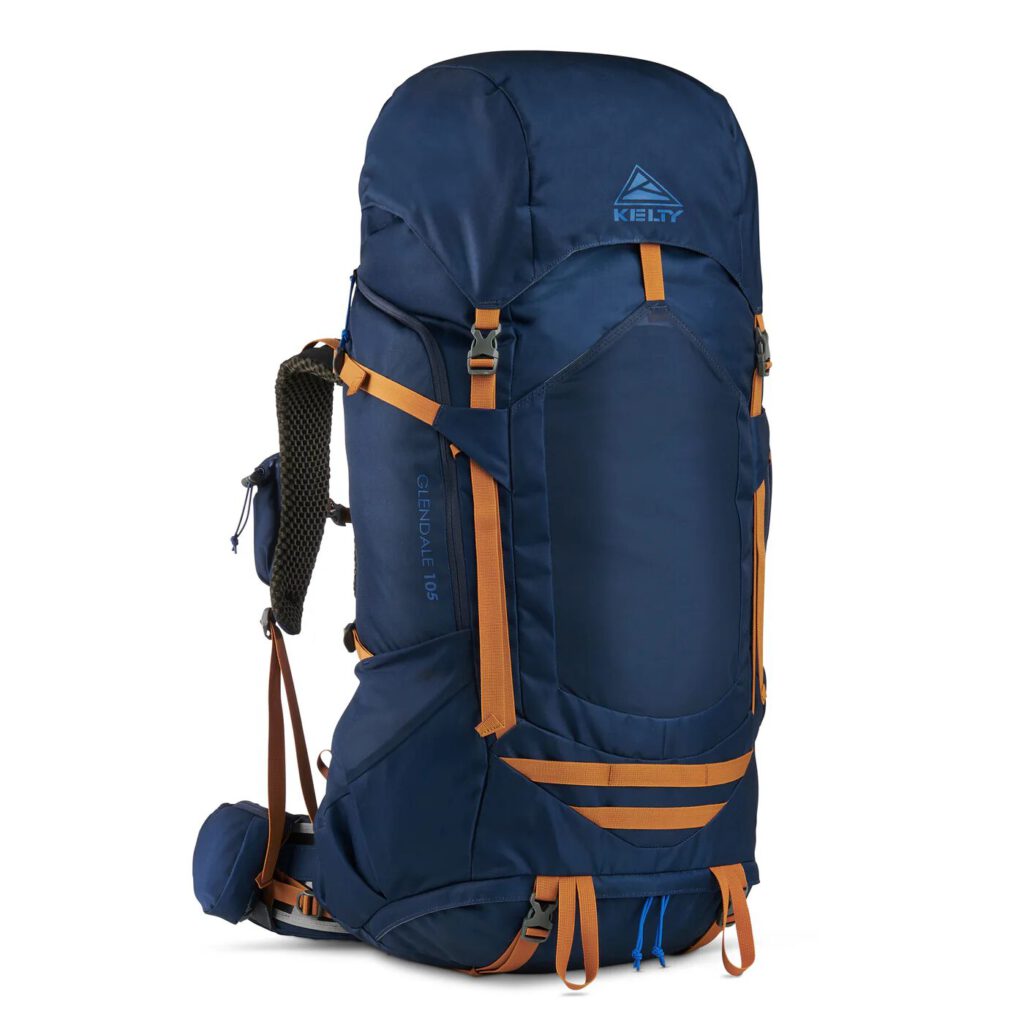
These packs are so ubiquitous at U.S. trailheads that spotting one is practically a rite of passage.
Kelty, started in 1952, became iconic for their Redwing packs. Think of the Redwing as the Toyota Camry of backpacks: affordable, dependable, and about as flashy as your grandpa’s cardigan.
Sure, it might not turn heads on the trail, but for weekend backpacking trips, the Redwing just works. It’s a solid choice when you want classic gear that doesn’t quit.
5. Darn Tough Socks
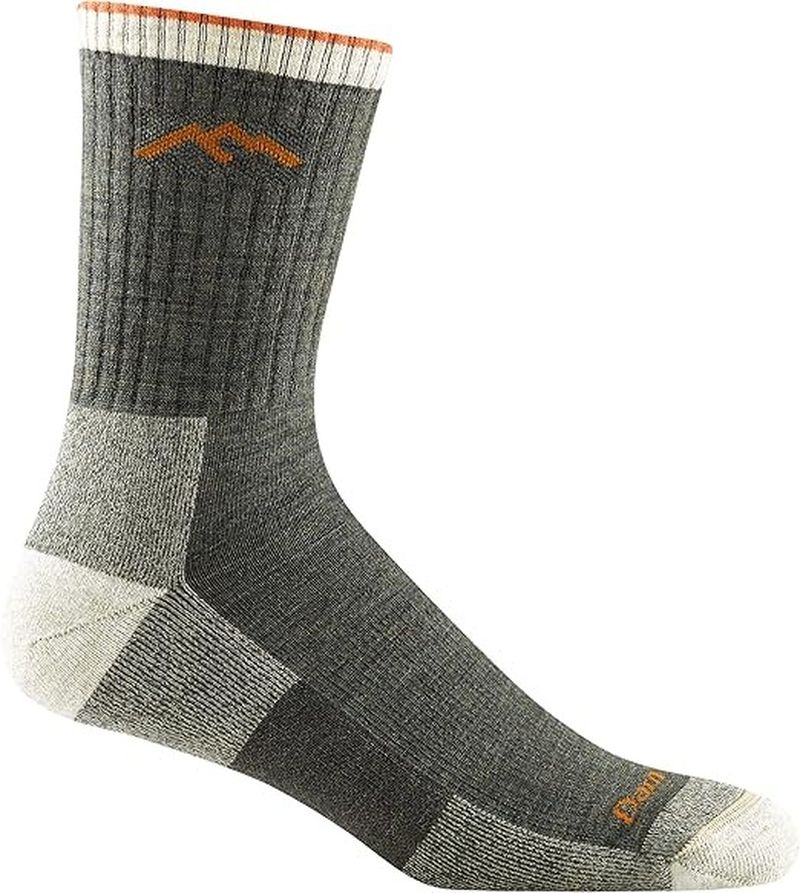
Their Vermont-made socks are like the Chuck Norris of foot coverings: tough as nails and always ready for action.
Darn Tough, based in Northfield, VT, makes socks durable enough to handle serious hiking miles. Long-distance hikers need gear that lasts; these socks won’t give out halfway up a mountain.
Taking care of them is straightforward: machine wash inside out, tumble dry on low. With proper care, you can hike longer without those annoying toe-blowouts—or worse, blisters.
4. BearVault Canisters
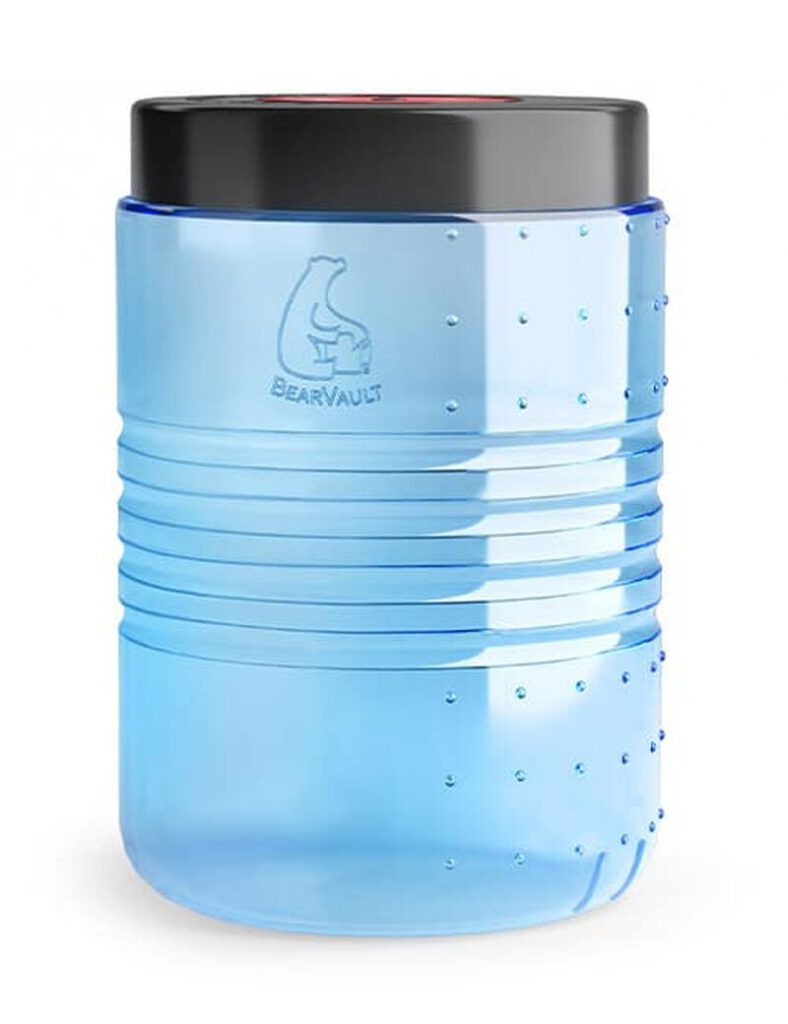
These canisters are like Fort Knox for your snacks, solving the real problem of bears getting too comfortable around humans.
BearVault canisters, made in Colorado, protect your food from bears with an appetite and claws sharper than your wit. Picture a 400-pound grizzly eyeing your campsite like an all-you-can-eat buffet.
These canisters solve a real problem: keeping bears out of your food prevents them from getting comfortable around humans, which never ends well. For anyone tired of wildlife turning their Pop-Tarts into a midnight snack, these are essential.
3. Therm-a-Rest Pads
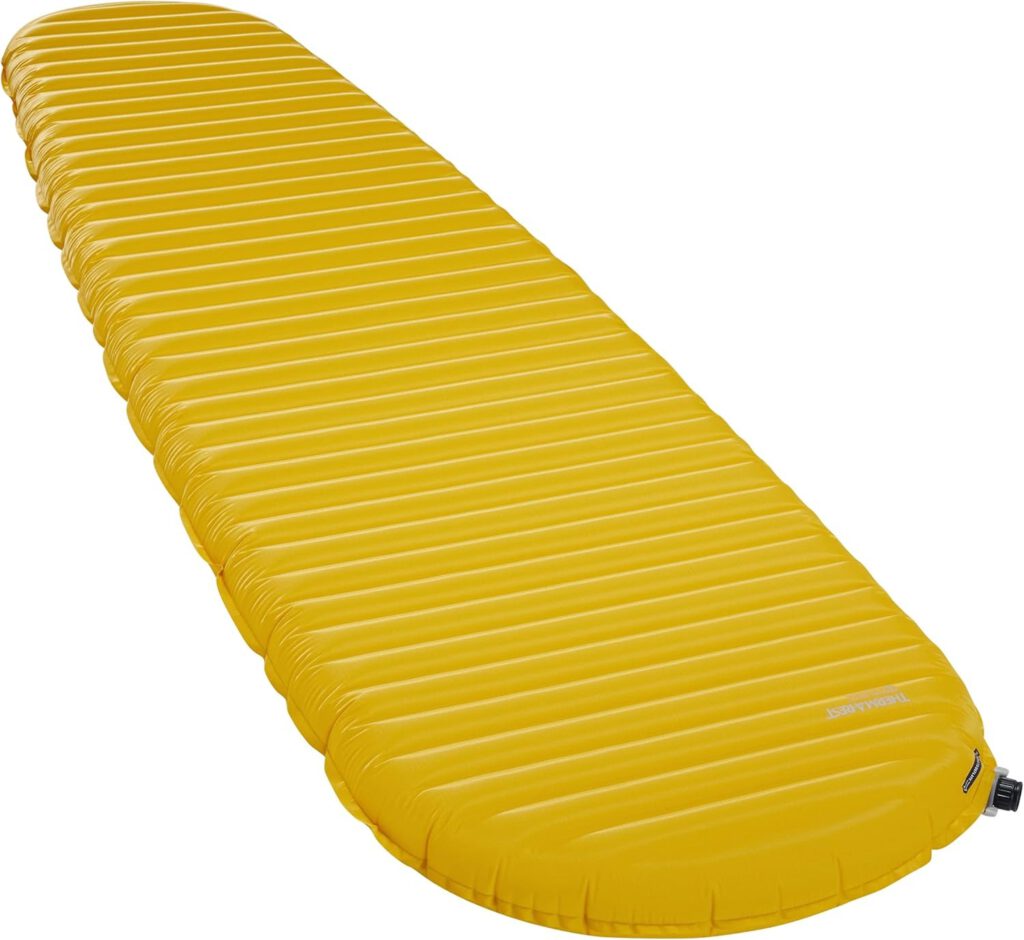
A decent sleeping pad is the difference between restorative sleep and counting every rock under your tent.
Therm-a-Rest pads, made in Reno, NV, aim to solve the problem of wrestling grizzly bears all night—metaphorically speaking. They offer comfort whether you’re roughing it in the backcountry or glamping in style.
If you’re looking for a blend of comfort and durability, a Therm-a-Rest pad isn’t just gear—it’s an investment in not hating your next camping trip.
2. Feathered Friends Gear
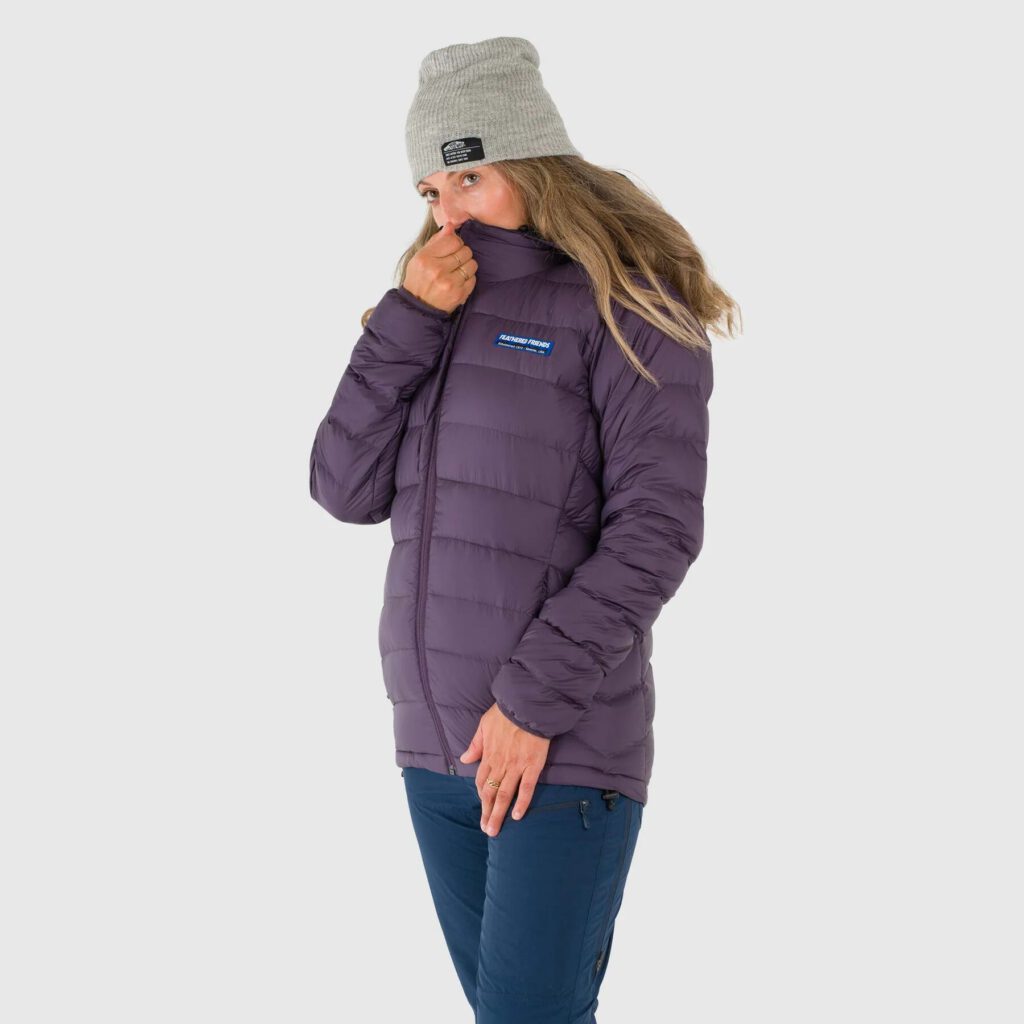
Nestled in Seattle, WA, these guys don’t just stitch fabric; they craft warmth.
Imagine cocooning yourself in a cloud—that’s the sensory experience that defines Feathered Friends down apparel. Think of it as your personal thermostat, but instead of annoying beeps, it’s all cozy silence.
Envision setting up camp as the temperature dips. Before Feathered Friends, you’re shivering in questionable thrift-store finds. After? You’re a bear in hibernation, completely unfazed by whatever weather throws at you.
1. Watershed Dry Bags
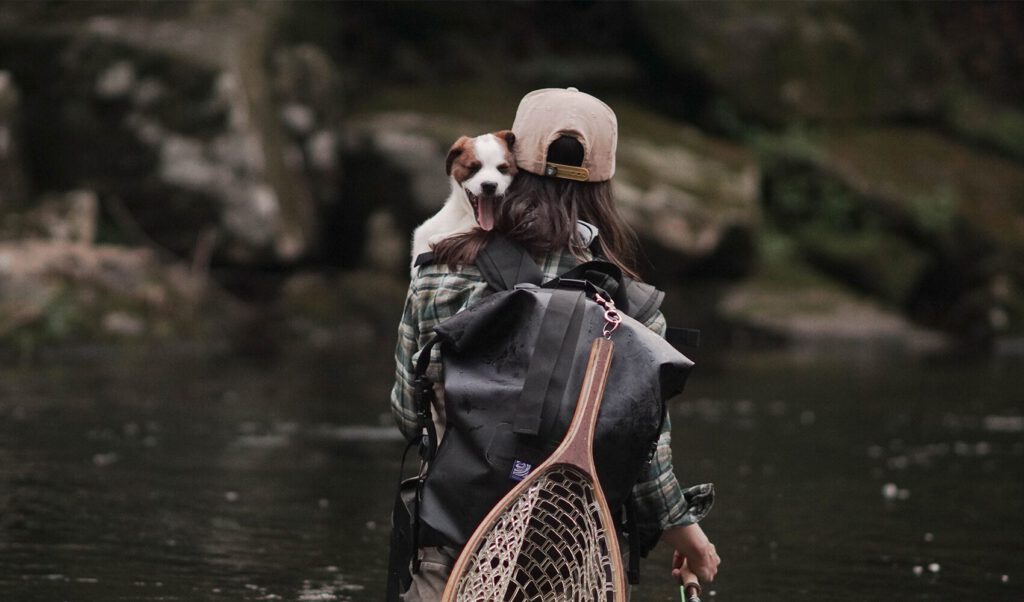
Made in Asheville, NC, these bags start with waterproof fabric and get sealed tighter than a politician’s promises.
Picture your kayak capsizing mid-rapids; your phone, keys, and trail mix are submerged. Normal bags would tap out, but Watershed dry bags offer Fort Knox-level defense against water. They’re heavy-duty—think Hummer, not Prius—and pricier than average.
For kayakers, rafters, or anyone who laughs in the face of rogue waves, these bags are essential. The main con? Trying to explain to friends why your bag costs more than their entire camping setup. But given the choice between soggy gear and equipment that survives Noah’s flood, ponying up feels like a smart bet.