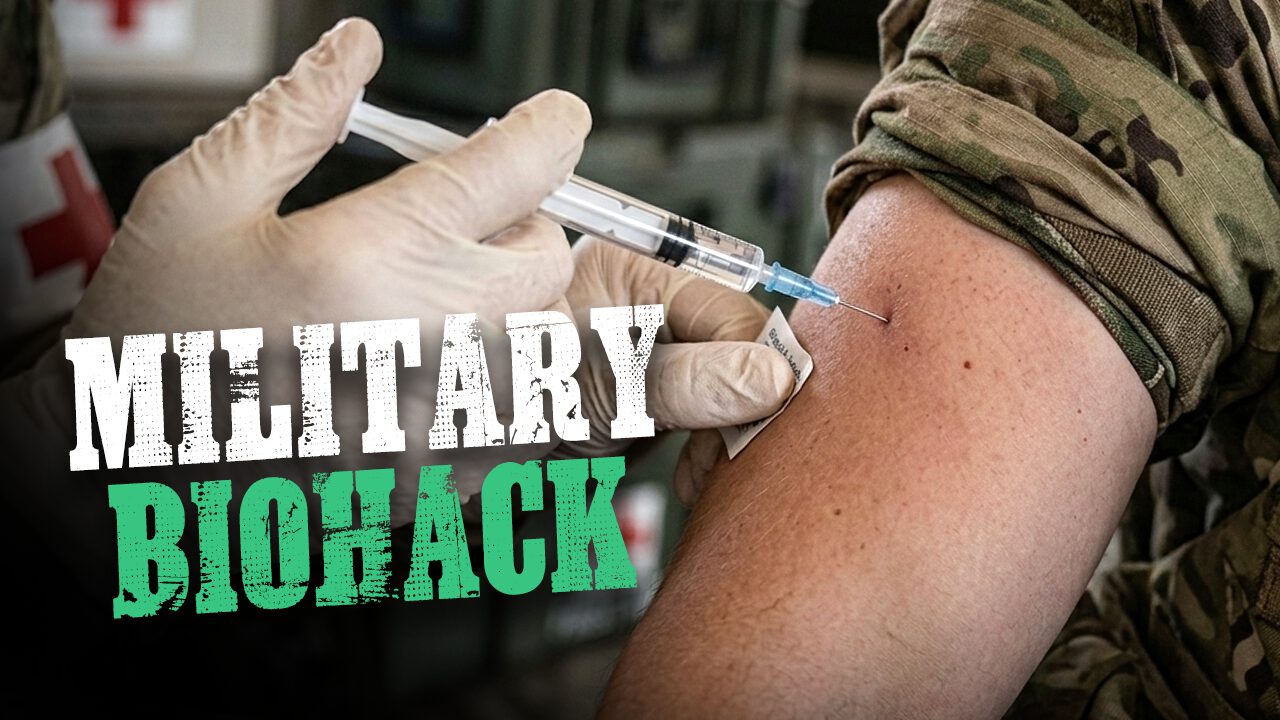
The biohacking world is about to get a serious upgrade, and no, it’s not just about swapping out your morning kale smoothie for something greener. DARPA (Defense Advanced Research Projects Agency) is cooking up some wild ways to boost warfighter performance, and by 2050, you might see troops with blood that clots faster than a politician changes stances. We’re talking about modifying red blood cells to deliver battlefield drugs, withstand extreme climates, and generally turn soldiers into walking pharmacies. Here’s a sneak peek at what’s coming, and trust me, you’ll want to see how far this rabbit hole goes.
5. DARPA’s Red Blood Cell Factory program
Modified blood cells could deliver weeks of protection from a single treatment.
When seconds count, rapid medical intervention can be the difference between life and death, which is why DARPA is working on a solution. Their Red Blood Cell Factory program aims to give warfighters a serious edge by modifying red blood cells with biologically active components—think peptides and proteins—to create drug delivery systems that enhance resilience in extreme environments.
Modified red blood cells could offer body-wide protection, leveraging their 4-month circulation lifespan. Imagine a soldier with on-demand countermeasures against malaria or rapid clotting during trauma. Instead of daily meds, this tech offers weeks or months of coverage. Initially focused on ex vivo blood bags, this research may eventually lead to civilian applications, like long-term therapies for infectious diseases or trauma victims.
4. Grey Team’s biohacking approach

Genetics, biotech, and cybernetics combine to boost physical and mental resilience.
Military healthcare: Is it just bandaging wounds, or can it actually heal? Grey Team thinks deeper, diving into genetics, biotech, and cybernetics to forge a holistic approach. Their aim? To give warfighters not just a fighting chance, but a winning edge by boosting both physical and mental resilience while reducing PTSD and casualties.
Think of a vet haunted by PTSD, now rewritten as a success story through Grey Team’s approach. A civilian might call it a breakthrough; Grey Team calls it mission readiness. Because a soldier’s mind is as crucial as their gear.
3. Army’s biomanufacturing upskilling efforts

Forward-deployed troops could bio-brew essential medical supplies on-site.
In the not-too-distant future, think “MASH” unit meets MIT lab. The Army’s diving headfirst into biomanufacturing upskilling to deploy it forward. Picture soldiers in the field, needing a specific antibody STAT. Instead of waiting on a supply chain slower than your grandma trying to use TikTok, they’ll bio-brew it on-site.
The goal: resilient human systems, which sounds like the next Marvel movie, but it’s actually about ensuring warfighters are tougher and healthier, even when “roughing it” involves dodging actual bullets. Biomanufacturing isn’t just a fancy term; it’s a strategic edge that could keep us one step ahead.
2. PREPARE and SHIELD programs

Gene editing meets biodefense in DARPA’s next-gen protection programs.
Thinking military defense means tanks and jets? Think again. DARPA’s PREPARE program flips that script by using gene editing for biodefense—kinda like installing a software firewall in your body. Meanwhile, SHIELD acts like the medic on standby, focusing on pathogen protection post-trauma. Imagine a soldier wounded in action, instantly shielded from a deadly virus thanks to SHIELD, like an IRL cheat code against biological warfare.
These programs aren’t just nice-to-haves; they’re crucial in a global bioengineering race. It’s like everyone’s playing a high-stakes game of Biohazard, and hoping their console doesn’t crash first. It’s about proactive measures, ensuring we’re not caught with our bio-pants down when the next germ warfare equivalent hits.
1. Cyborg Soldier 2050 report

Neural and optical upgrades could enhance cognitive function and battlefield awareness.
Remember those old RoboCop movies? Well, the Army’s already sketched out how to make them a reality, give or take a few decades. Back in 2019, the “Cyborg Soldier 2050” report dropped, eyeing neural and optical upgrades for our future troops. Picture fewer coffee spills during those dawn patrols, thanks to enhanced focus.
This isn’t just some sci-fi pipe dream, either. It’s part of a bigger push to biohack our way to military dominance, because who needs diplomacy when you’ve got enhanced cognitive function? Imagine a soldier using neural implants to process intel faster than you can binge-watch Netflix. Of course, this tech raises some serious ethical eyebrows, but hey, progress waits for no one—especially not the AI overlords.