TP-Link’s previously approved routers remain available at U.S. retailers, but its latest Wi-Fi 8 products cannot be imported or sold under current rules.
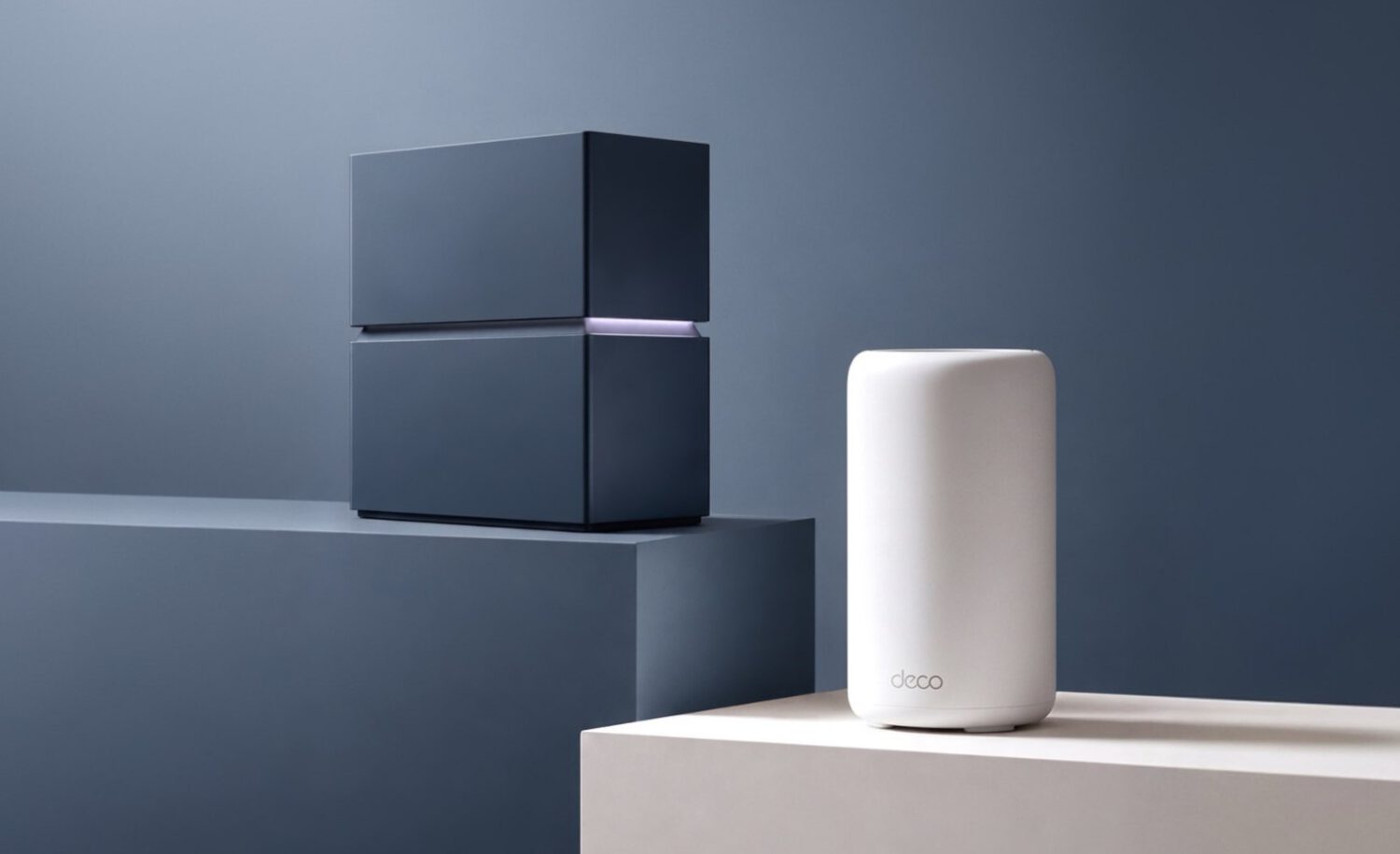
The company’s newer models, reported to include the Archer 8 Ultra and Deco 8 Ultra, are blocked from the U.S. market pending regulatory approval. For consumers or small businesses planning a network upgrade around newer hardware, that distinction matters.
What the March 2026 Rule Actually Does
A new class of products requires government sign-off before it can ship.
In March 2026, the FCC added foreign-produced consumer routers to its Covered List, blocking new models made in a foreign country unless manufacturers obtain a waiver or conditional approval. Any new model in that category requires FCC review, with national-security assessments conducted by the Department of Defense and the Department of Homeland Security.
Rivals Have Cleared the Bar. TP-Link Has Not.
The uneven pace of approvals is the clearest measure of where TP-Link currently stands with regulators.
Amazon-owned Eero and Netgear have each received conditional approvals or exemptions for certain new products under the restriction, according to Ars Technica reporting. TP-Link’s application remains pending, while those competitors continue adding newer hardware to U.S. shelves.
A $1 Billion Commitment That Has Not Yet Produced a Decision
The company’s proposed research, manufacturing, and job commitments are part of its bid to satisfy the administration’s supply-chain concerns.
A proposed $1 billion investment in U.S. research, development, and manufacturing has not yet produced a conditional approval for TP-Link, according to Light Reading. The company has met with FCC officials about its exemption request and says the proposal would create hundreds of American jobs.
The Corporate Separation Argument
TP-Link relocated its global headquarters to California in October 2024 and formally separated its U.S. and Chinese operations, but government skepticism has continued.
TP-Link argues that structural separation means it should not be regulated as Chinese-controlled technology. U.S. government officials and some state officials have raised concerns about the company’s ties to China and potential cybersecurity risk, though the cited reporting does not establish that TP-Link routers have been confirmed as part of a foreign hacking operation.
Existing Devices Keep Getting Updates, at Least for Now
Previously approved foreign-made routers can receive qualifying software and firmware updates through at least January 1, 2029.
The FCC’s update extension covers devices that received approval before the March 2026 restriction and allows them to receive qualifying software and firmware updates through at least January 1, 2029. It does not authorize the import or sale of TP-Link’s Wi-Fi 8 lineup. Consumers evaluating their broader network setup may also want to consider home security options that complement their existing hardware choices.
A Policy That Puts Corporate Structure on the Product-Launch Checklist
The waiver system gives national-security agencies direct influence over consumer product launches. Corporate structure, manufacturing location, and perceived foreign-government ties now factor into whether an ordinary home router can reach store shelves. TP-Link’s pending application is the most visible test of whether that process produces outcomes that are timely and applied consistently across manufacturers.