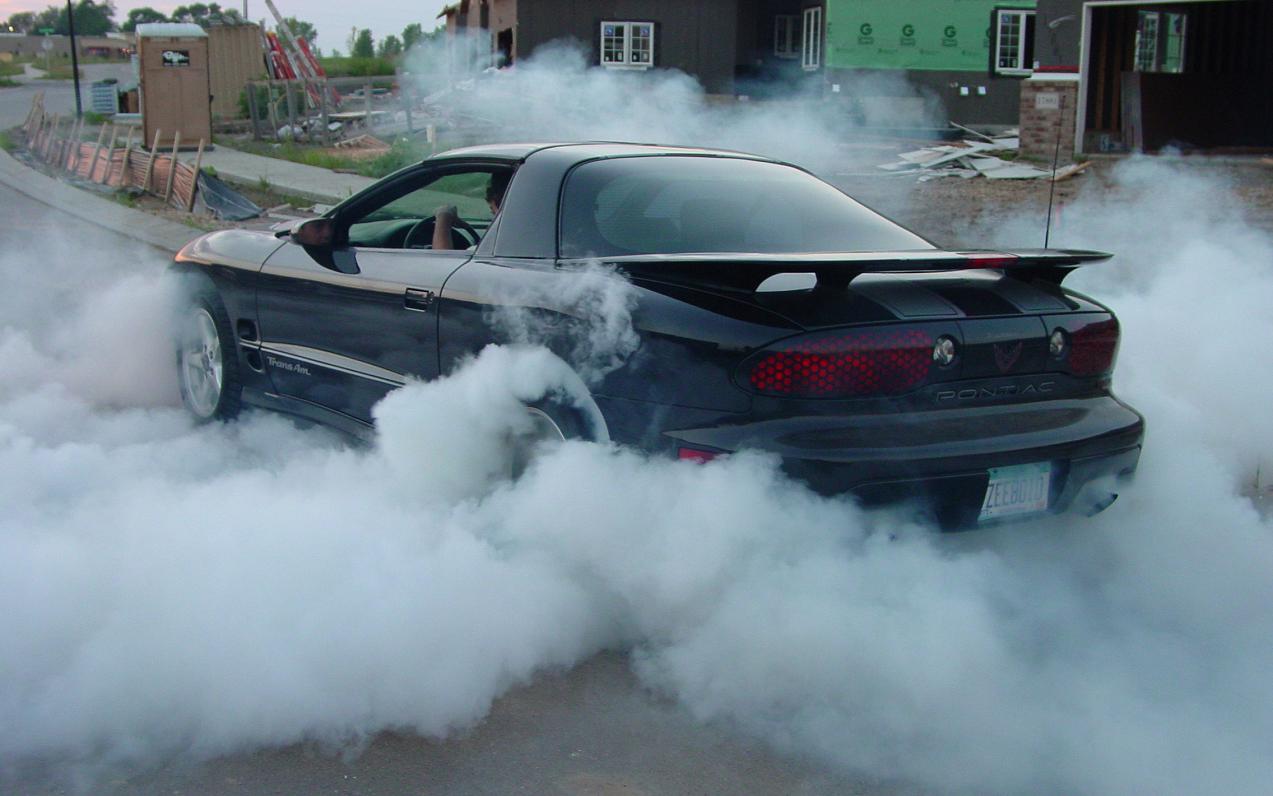
That morning drive to work? You’re not just burning gas—you’re grinding rubber into a toxic cloud that makes tailpipe emissions look quaint. New testing reveals tires produce 1,850 times more particle pollution than modern car exhausts, turning every commute into an environmental disaster nobody talks about.
The Invisible Pollution Machine
Your tires are the automotive industry’s best-kept dirty secret.
Your tires shed 36 milligrams of particles per kilometer, compared to just 0.02 milligrams from your exhaust pipe. That ratio isn’t a typo—it’s the regulatory blind spot that’s been hiding in plain sight while everyone obsessed over tailpipe emissions. According to Emissions Analytics, aggressive driving pushes tire pollution to astronomical levels, releasing 5,760 milligrams per kilometer.
Globally, cars dump 6 million tonnes of tire fragments annually. Each American vehicle sheds roughly 5 pounds of tire particles yearly, while European cars (driven less) still manage 2.5 pounds. These aren’t harmless rubber bits—they’re cocktails of synthetic compounds, carcinogens, and ecosystem toxins that make their way into soil, water, and lungs.
Chemical Warfare on Wheels
Every tire contains hundreds of toxic additives designed to grip the road—and poison everything else.
Your tires contain hundreds of chemical additives, including 6PPD-quinone—the compound killing salmon populations across the Pacific Northwest. California’s already moving to ban the precursor chemical after watching fish die in real time. Then there’s zinc oxide, comprising 0.7% of tire weight but toxic enough to devastate aquatic life in trace amounts.
The particles are microscopic death traps. Tires generate over 1 trillion ultrafine particles per kilometer—many smaller than 23 nanometers, small enough to enter your bloodstream directly. These ultrafine particles bypass your respiratory defenses entirely, yet they’re completely unregulated in both the EU and United States.
The Electric Vehicle Plot Twist
The “clean” transportation revolution just created a different pollution problem.
Here’s the kicker: electric vehicles make tire pollution 20% worse. Those 2,000-pound battery packs and instant torque delivery accelerate tread degradation, turning the supposed environmental solution into a tire particle nightmare. “Tires are rapidly eclipsing the tailpipe as a major source of emissions from vehicles,” says Nick Molden from Emissions Analytics.
Dr. James Tate from University of Leeds offers hope—”BEVs are becoming lighter very fast. By 2024-25 we expect BEVs and city cars will have comparable weights.” But right now, your Tesla is grinding more toxic particles into the environment than that old Honda Civic.
The Regulatory Wasteland
Unlike exhaust emissions, tire pollution operates in a complete policy vacuum.
Unlike exhaust emissions, tire wear faces zero regulations on wear rates or chemical content. While tailpipe standards tightened for decades, tire pollution operated in regulatory darkness. The EU’s upcoming Euro 7 standards might finally address this, but millions of daily commuters continue spreading uncontrolled chemical pollution with every mile.
Your transportation choices just got more complicated—but at least now you know what’s really happening beneath those spinning wheels. Proper car maintenance remains crucial regardless of these environmental concerns.