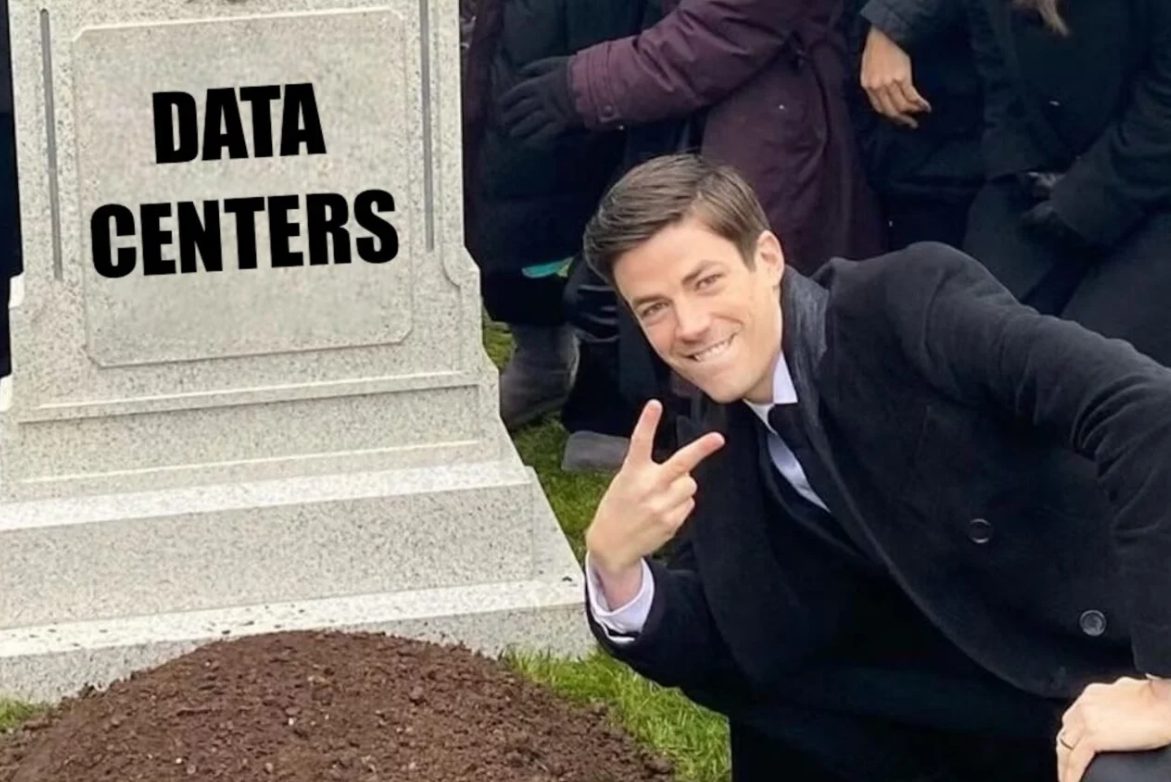
Philadelphia police are now monitoring your sarcastic Facebook posts about AI data centers. A confidential December bulletin from the Delaware Valley Intelligence Center warns that “domestic violent extremists” might target AI infrastructure, flagging everything from “Butlerian jihad” memes to jokes about bringing “tannerite and gasoline vibes” to data centers.
The bulletin reads like someone’s first encounter with internet culture. Analysts treat Dune references—a fictional holy war against thinking machines—as genuine threat indicators. They’ve catalogued anonymous board discussions about hypothetical data center attacks, mixing obvious trolling with a few posts that veer into actual operational planning.
Surveillance Theater Meets Silicon Valley
Despite admitting zero specific threats exist, fusion centers expand “domestic extremism” definitions to include tech criticism.
The Delaware Valley Intelligence Center admits they have “a lack of specific information on plans to target AI data centers in the Philadelphia area.” Yet they’re still treating anti-AI sentiment as terrorism-adjacent, part of a broader federal push to label “anti-tech extremists” as domestic threats.
This isn’t new. Fusion centers—post-9/11 intelligence sharing hubs—have repeatedly surveilled environmental activists, racial justice organizers, and protest movements under expansive “extremism” frameworks. Now they’re applying the same logic to people who oppose water-hungry data centers in their neighborhoods.
When Legitimate Concerns Meet Overreach
Public opposition to AI infrastructure stems from real environmental impacts, not extremist ideology.
About half of Americans view AI negatively, and roughly 70% oppose data centers in their communities—hardly fringe positions. These facilities can consume millions of gallons of water daily and strain local power grids. Opposition typically involves zoning battles and environmental lawsuits, not sabotage fantasies.
The constitutional problem is clear: criticizing AI infrastructure, sharing memes about corporate overreach, and even harsh rhetoric about data centers remain protected speech under the First Amendment. The Brandenburg standard protects advocacy unless it’s intended and likely to incite imminent lawless action.
Yet your sarcastic post about AI might now live in a police database, tagged as “domestic violent extremist” content. The chilling effect writes itself—exactly the outcome that makes fusion center mission creep so dangerous to democratic discourse.