So you drop serious cash on an EV for its advertised 0-60 time, only to discover months later that your acceleration feels sluggish. Welcome to the era of over-the-air updates, where manufacturers can remotely tweak your vehicle’s performance faster than you can say “warranty void.”
Tesla proved this power in 2018 when they reduced Model 3 braking distances via OTA after Consumer Reports testing. Sounds helpful, right? But if they can improve performance remotely, they can also dial it back.
The Dark Side of Remote Control
Recent update failures expose how manufacturers treat your vehicle like a beta test platform.
Not every update delivers unicorns and rainbows. OTA updates have caused documented problems, including braking performance issues and power loss incidents that required subsequent fixes. These failures expose a troubling reality: manufacturers can push changes to critical vehicle systems, and you’re essentially the unwitting quality assurance team.
When updates go wrong, you’re stuck dealing with compromised performance until the next patch arrives.
The Economics of Electronic Excuses
Saving money on recalls creates perverse incentives for preemptive performance throttling.
Here’s where things get spicy. Physical recalls cost manufacturers $500+ per vehicle, but OTA updates cost practically nothing. This creates a fascinating incentive structure: why not proactively limit performance to avoid expensive warranty claims?
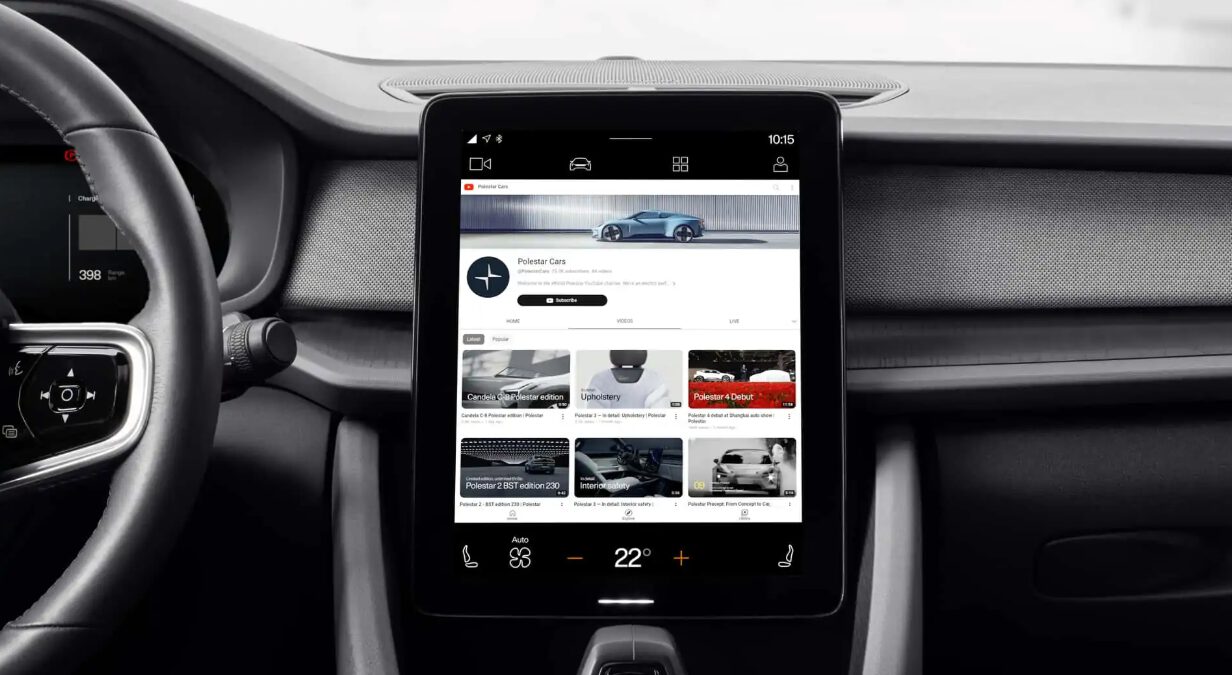
BMW forum discussions suggest paid “power boosts” for their EVs, which enthusiasts call potential evidence that reverse throttling could happen silently. Meanwhile, Polestar improved battery efficiency by 10% through an update, and Toyota unlocked 30 extra miles of EV range the same way. These examples prove manufacturers regularly adjust powertrain parameters remotely.
Your Digital Rights Are Disappearing in the Rearview
Proving performance changes requires tools most owners don’t have—and manufacturers aren’t talking.
The real kicker? You probably can’t prove your car got nerfed. Without OBD-II diagnostic tools or performance logging, subtle throttling flies under the radar. Some owners discuss using firewalls or dongles to block updates, but safety experts warn against disabling critical security patches.
The software-defined vehicle revolution promised endless improvements, but it’s also created a world where your horsepower belongs to someone else’s server. Your move, manufacturers.