Your 78-year-old father calls in a panic. His banking app locked him out again—right when he needed to pay for prescription medications. The two-factor authentication meant to protect his account has become his digital prison warden. This isn’t about tech illiteracy or stubborn resistance to change. This is about security systems that systematically exclude the people who need protection most.
The 52-Minute Security Theater
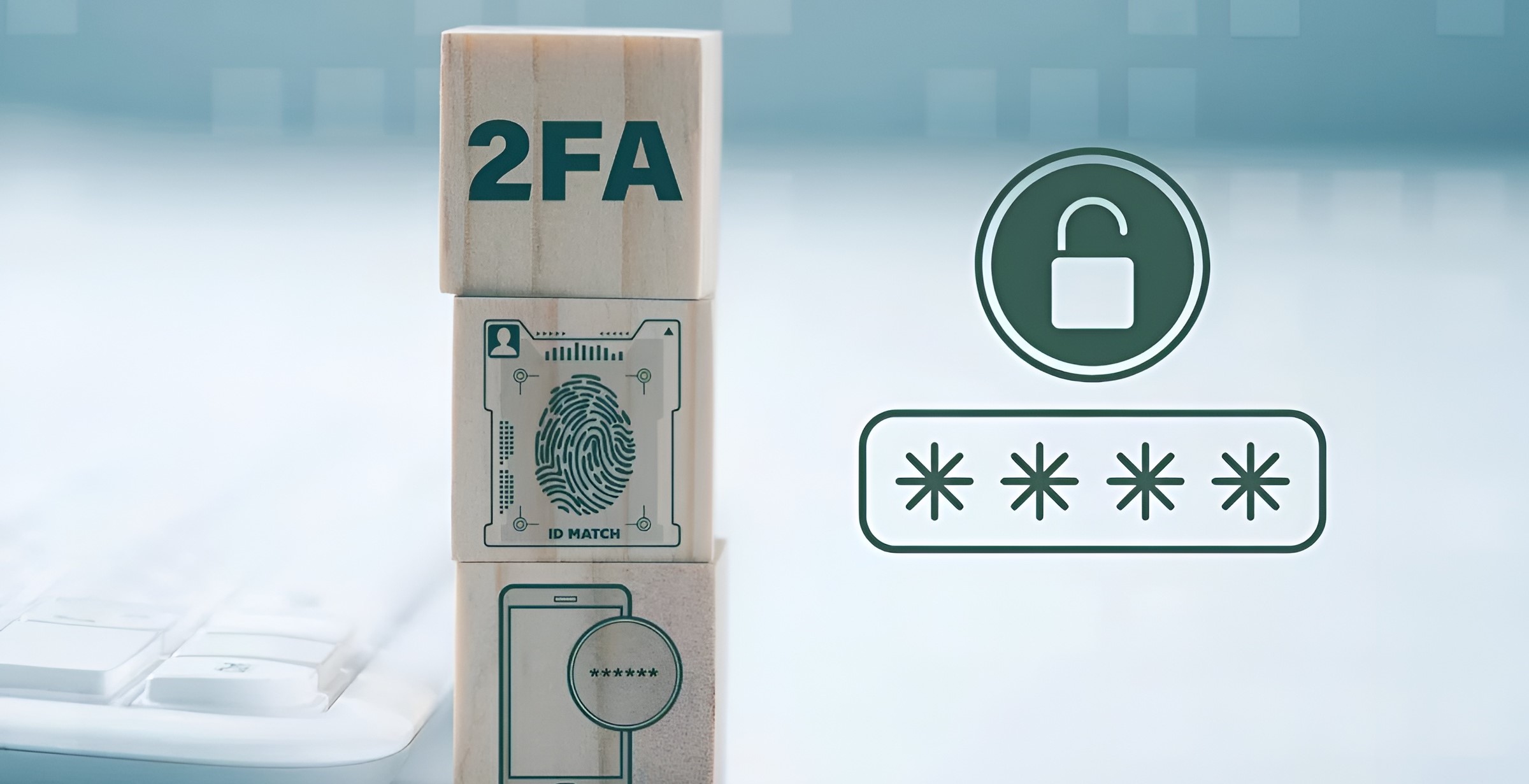
While college students breeze through two-factor authentication in 10 minutes, seniors average 52 minutes—and that’s with researcher assistance, according to studies from Indiana University. The process creates what researchers call “a negative feedback loop where lack of adoption prevents availability.” Banks recognize this usability nightmare, which explains why many financial institutions hesitate on mandatory 2FA implementation.
What Actually Works Gets Ignored
When researchers in Norway tested eight seniors on various 2FA methods, SMS and physical bank code generators scored highest on usability scales. The participants’ frustration was palpable: “How many times do I need to say, ‘It is me’?” Yet the tech industry keeps pushing app-based solutions with hardware tokens featuring “small form factors that are easy to lose”—design choices that feel deliberately exclusionary.
Families Become Unpaid Tech Support
AARP data reveals that 80% of adults regularly help parents navigate tech challenges like 2FA setup. Your Sunday family dinner now includes troubleshooting password managers and explaining why their phone keeps demanding verification codes. These aren’t isolated struggles—they’re predictable consequences of systems designed without considering diverse user needs.
When Security Creates Vulnerability
Account lockouts during medical emergencies or bill payment deadlines don’t just cause inconvenience—they create desperation. That frustration makes seniors vulnerable to scammer calls offering “help” with account access. The FTC projects over 15,000 annual complaints related to authentication barriers, representing real people locked out of their own financial lives.
The solution isn’t abandoning security—it’s designing inclusive protection. Biometrics and emerging passkey technology offer promising alternatives that prioritize usability without sacrificing protection. Seniors deserve security systems that treat them as valued users, not obstacles to overcome.