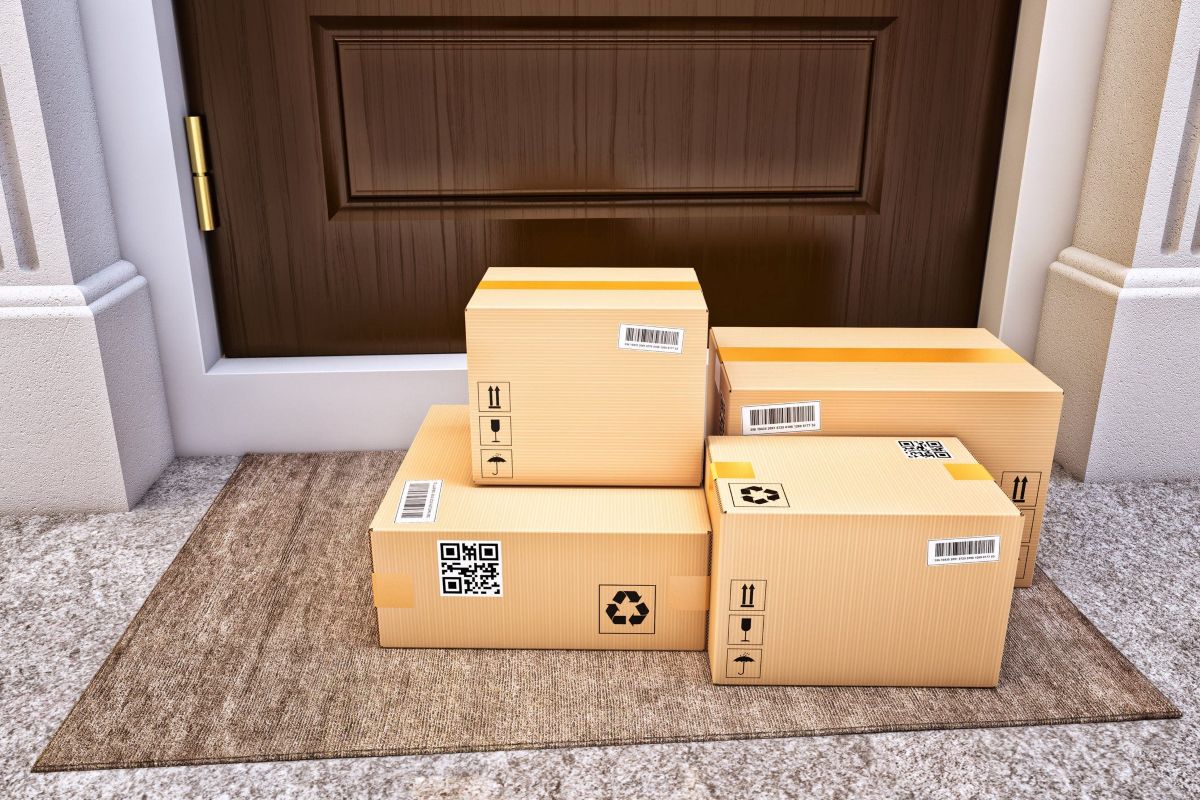
Random packages appearing on your doorstep used to feel like Christmas morning. Now? That unexpected delivery could be setting you up for identity theft, credit card fraud, or a cascade of phishing attacks that exploit your personal information.
Welcome to “brushing” scams—where criminals send unsolicited packages to manipulate online reviews, confirm your address, and gather intel for follow-up fraud. Like a Trojan horse made of cheap household goods, these seemingly harmless deliveries open doors to much bigger problems.
Why Scammers Want Your Address Confirmed
These packages aren’t random kindness. Scammers send low-value items—rings, Bluetooth speakers, even soup cans—to real addresses, then post glowing reviews as “verified purchases.” According to CBS News, “Scammers are trying to cheat the online review system, which skews searches on Amazon.” Your name and address become ammunition for fake credibility.
More dangerously, successful delivery confirms your address is active and occupied. That data gets weaponized for targeted phishing campaigns designed around your confirmed location.
How the Real Attack Unfolds
Once scammers verify your address through package delivery, expect bogus texts about shipment delays requiring “verification fees” or emails with malicious links claiming delivery problems. Some criminals test stolen credit cards by shipping cheap items to random addresses—successful delivery confirms the card works for larger purchases.
The psychological manipulation runs deep. These follow-up scams exploit urgency and trust, banking on your familiarity with legitimate delivery notifications to bypass skepticism.
The New Frontier: Fake Couriers at Your Door
Physical tactics are escalating beyond packages. Fraudsters leave door notes claiming missed deliveries with suspicious callback numbers, or show up demanding cash-on-delivery payments—sometimes $9.28 for Amazon-labeled boxes. Amazon confirms they never require door payments in the U.S., making any such request an immediate red flag.
These in-person approaches leverage our delivery-trained expectations. You’ve conditioned yourself to accept packages from strangers; scammers exploit that automation.
Your Defense Strategy
You can legally keep or discard packages addressed to you that you didn’t order—no need to return them or pay anything. However, report brushing incidents to the FTC, your state attorney general, and the relevant shopping platform. This creates paper trails that help authorities track scam networks.
Never click links in unexpected delivery notifications. Instead, check shipments directly through official apps or websites using your account login. For other technical security issues, consider addressing broader computer problems that could leave you vulnerable.
That doorstep surprise isn’t just free stuff—it’s intelligence gathering for crimes that haven’t happened yet. Your address is worth more than whatever’s in the box.