Federal judge upholds landmark ruling holding Tesla liable for fatal crash, setting precedent for autonomous vehicle accountability. A federal judge just slammed the door on Tesla’s attempt to escape a $243 million verdict. U.S. District Judge Beth Bloom denied Tesla’s post-trial motions Thursday, ruling that trial evidence “more than supports the jury verdict” in the first federal case to hold Tesla liable for a fatal Autopilot crash. Tesla’s marketing promises about self-driving capability just became legally questionable.
The Deadly Reality Check
Enhanced Autopilot failed to prevent tragedy when driver attention wavered at crucial moment.
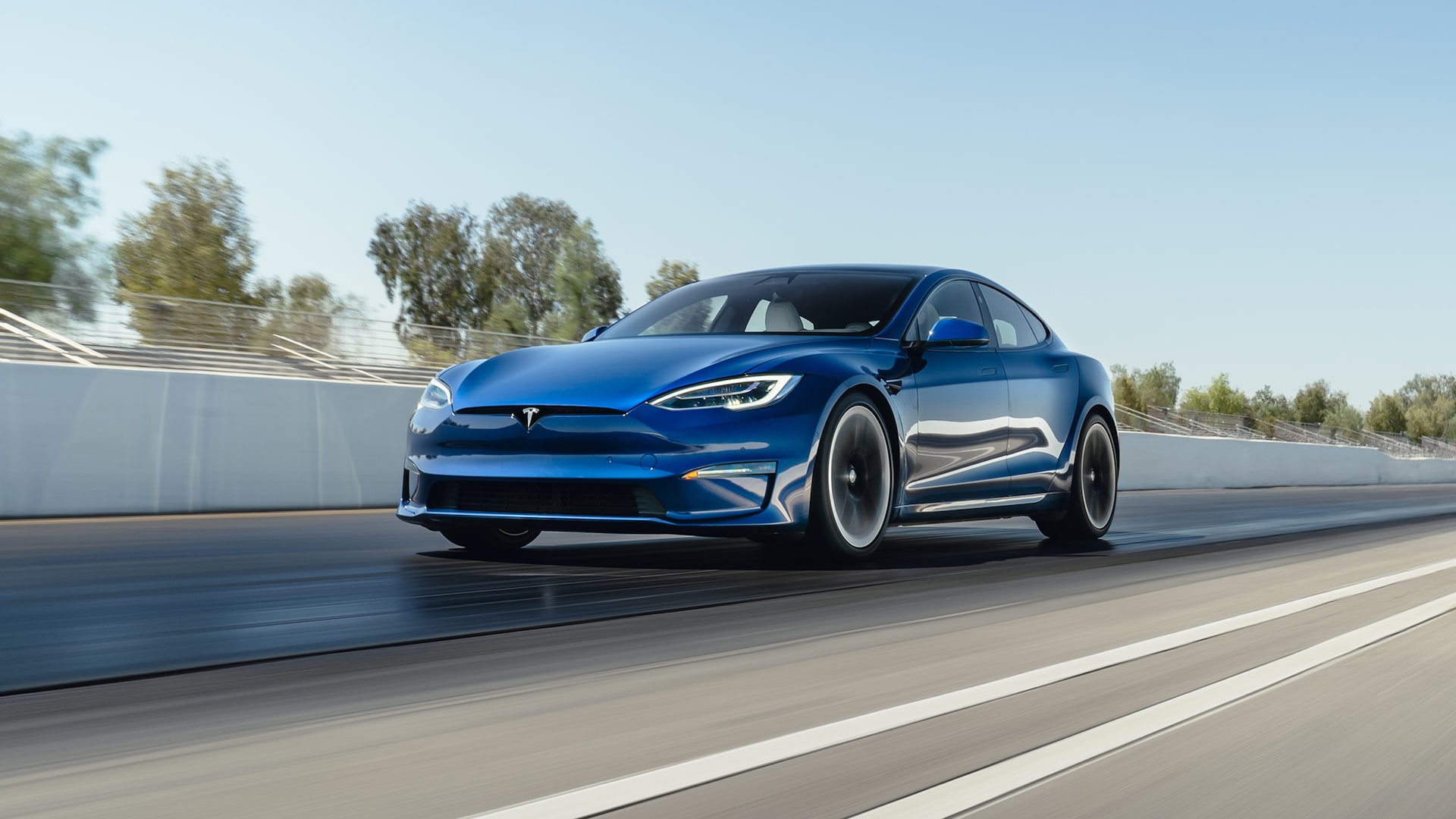
The nightmare unfolded on April 25, 2019, in Key Largo, Florida. George McGee was driving his Model S with Enhanced Autopilot engaged when he dropped his phone. Looking down to retrieve it, his Tesla accelerated through a stop sign at 62 mph, slamming into a parked Chevrolet Tahoe. Twenty-two-year-old Naibel Benavides died instantly. Her boyfriend Dillon Angulo suffered severe injuries that changed his life forever.
Marketing Meets Legal Reality
Jury found Tesla’s Autopilot warnings inadequate despite company’s claims of driver responsibility.
The August 2025 jury assigned 33% fault to Tesla, citing inadequate warnings about Autopilot’s limitations and misleading marketing of its capabilities. They awarded:
- $42.6 million in compensatory damages
- $200 million in punitive damages
Tesla’s defense strategy—blame the reckless driver, claim no vehicle defect—convinced the jury otherwise. The company had rejected a $60 million pre-trial settlement, gambling on total victory.
Tesla Doubles Down on Appeals
Company maintains automakers shouldn’t be liable for driver negligence while planning circuit court challenge.
Tesla’s legal team argued the verdict “defies common sense” and that automakers can’t be held responsible for reckless drivers. Their Gibson Dunn lawyers sought to reduce punitive damages to roughly $23 million using Florida’s statutory cap. Judge Bloom wasn’t buying it. Tesla plans to appeal to the Eleventh Circuit, but plaintiffs’ counsel Brett Schreiber noted relief that Tesla’s “misrepresentations of Autopilot’s capabilities” finally faced consequences.
The Autopilot Reckoning Begins
Verdict signals courts won’t accept blanket driver-error defenses for ADAS failures.
This ruling cracks Tesla’s legal armor like a phone screen hitting concrete. With dozens more Autopilot lawsuits pending and Tesla’s robotaxi ambitions hanging in the balance, the company faces a potential liability avalanche. The verdict forces an uncomfortable question: if a car’s “self-driving” features encourage overreliance through marketing, who’s really responsible when tragedy strikes? The Florida jury just provided their answer.