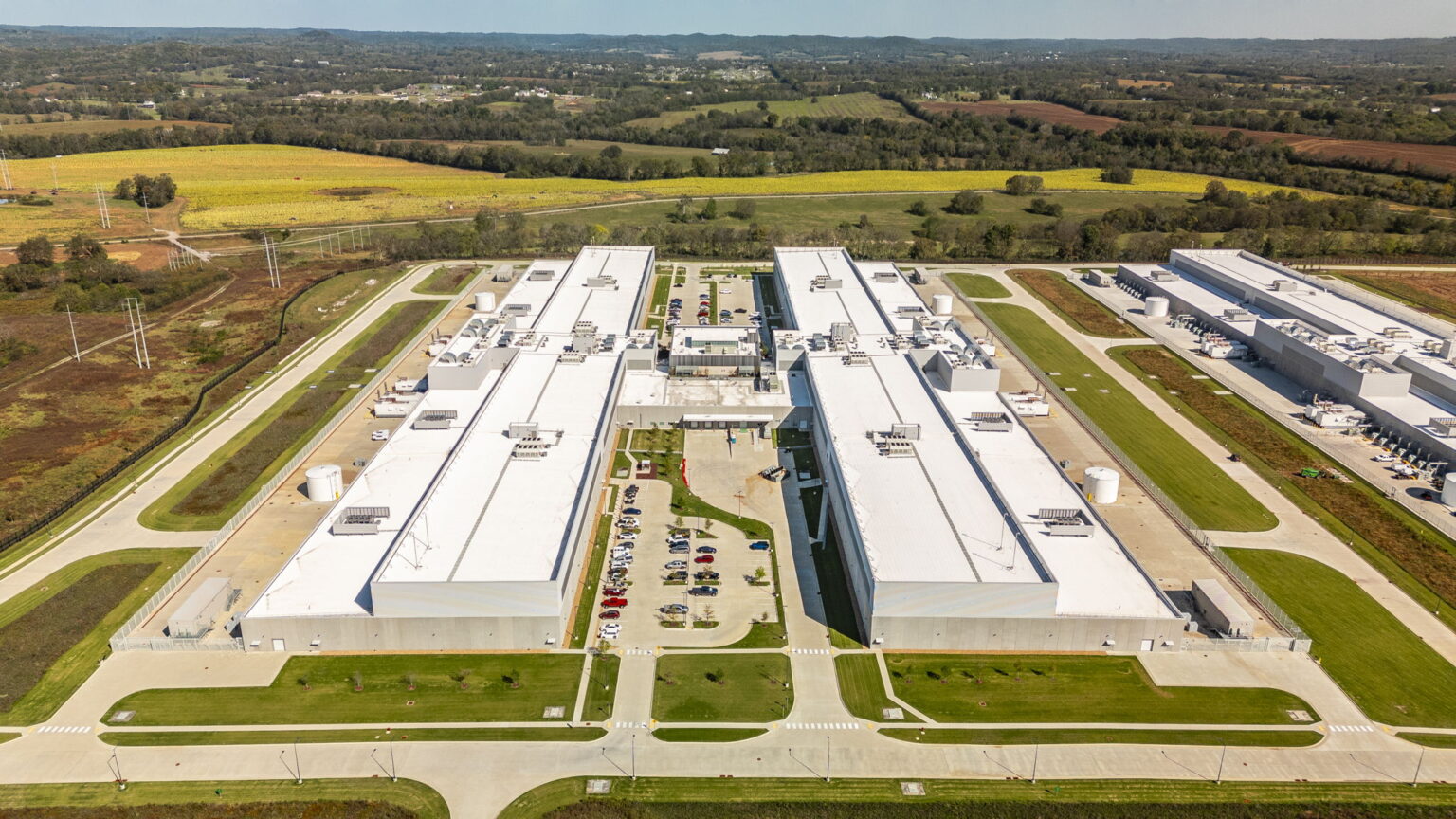
Have you seen your monthly electric bill spiking because a tech giant’s AI supercomputer needed a brand-new substation. Tennessee just said “absolutely not” to that scenario. The state’s new law forces data centers consuming 50+ megawatts—enough to power roughly 37,000 homes—to fund their own infrastructure upgrades instead of letting utilities spread those costs across everyone’s bills.
Data centers already devour 18% of the Tennessee Valley Authority’s total power load, according to TVA. Gov. Bill Lee signed legislation requiring these energy-hungry facilities to pay for new substations, transmission lines, and grid improvements directly rather than socializing the costs. As Sen. Brent Taylor puts it: data centers have an “insatiable appetite for energy,” and ratepayers shouldn’t foot the bill.
The Elon Musk Blueprint for Data Center Power
Tennessee lawmakers modeled their approach on what Taylor calls “the xAI way.”
When Elon Musk’s AI company needed massive power for its Colossus supercomputer near Memphis—billed as the world’s largest AI facility—the company bought a decommissioned power plant in Mississippi. They generate their own electricity and transmit it to the facility, reducing reliance on local grid upgrades.
This self-reliance impressed Tennessee legislators. Rather than demanding ratepayer-funded infrastructure upgrades, xAI solved its own power problem. The law signals that future AI operators should bring their own power solutions or pay for the electrical work their facilities require.
The Controversial Loophole That Has Critics Worried
Amendment allows some cost-sharing when upgrades supposedly benefit all customers.
Not everyone loves the final version. An amendment permits utilities to spread certain infrastructure costs system-wide if the upgrades “materially benefit other customers” or replace existing equipment. Rep. Justin Pearson warns this creates wiggle room for utilities to justify rate increases by claiming data center projects help everyone.
The tension centers on interpretation. When does a data center-driven grid upgrade genuinely improve service for households versus just enabling one massive customer? Tennessee regulators will need to scrutinize these claims carefully to prevent the exact cost-shifting the law aims to block.
The Tennessee approach may influence how other states handle similar challenges. As AI’s infrastructure demands grow nationwide, more battles over who pays for massive electrical upgrades are likely to emerge.