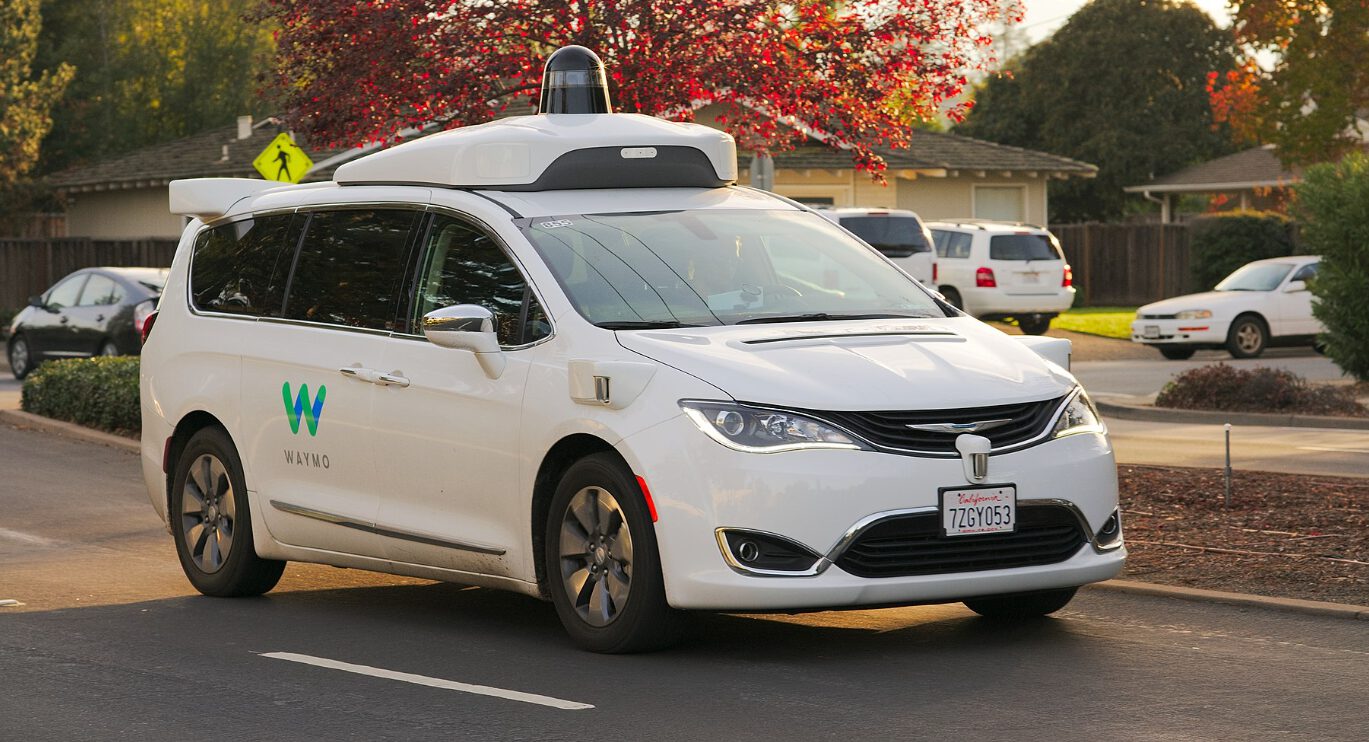
Your robotaxi might be less autonomous than the marketing suggests. When Senator Edward Markey demanded transparency about remote human operators who guide autonomous vehicles through tricky situations, seven major companies—including Waymo, Tesla, and Zoox—essentially refused to cooperate with federal oversight. None would reveal how frequently their supposedly self-driving cars ping remote workers for assistance, claiming this basic operational data constitutes “confidential business information.”
Corporate Secrecy Meets Public Roads
Companies refuse to disclose intervention frequency despite operating commercially on public streets
Markey’s February 2026 investigation exposed an industry operating in shadows. While Waymo claimed improvements have “materially reduced” help requests, the company provided zero metrics or evidence. Tesla didn’t even address the question in its response letter—perhaps because the company eliminated its North American communications team years ago. The message to federal oversight? Trust us, but don’t expect proof.
Foreign Operators Control American Streets
Waymo admits half its remote assistance staff operates from the Philippines
Here’s where things get dystopian: Waymo revealed that approximately half its remote operators work from the Philippines, raising questions about foreign oversight of U.S. transportation infrastructure. As Markey’s office noted, “a driver’s license in a foreign location is not a substitute for passing a U.S. driver’s license exam.” The senator warned that overseas operations create vulnerabilities where “hostile actors” could potentially weaponize “heavy and fast-moving vehicles” on American roads.
Regulatory Reckoning Ahead
Markey pushes for federal standards as industry operates without oversight
The investigation revealed what amounts to regulatory lawlessness. No federal standards govern remote operator qualifications, response times, or intervention reporting. Tesla uniquely disclosed that its operators can directly control vehicles at low speeds, while other companies claim no remote control capability exists. Markey responded by calling for NHTSA investigation and announcing legislation to “impose strict guardrails on AV companies’ use of remote operators.”
This transparency crisis exposes the autonomous vehicle industry’s fundamental problem: marketing fully self-driving technology while quietly relying on human oversight. You’re essentially paying robotaxi prices for remote-controlled cars—with operators you can’t see, standards that don’t exist, and companies that won’t admit when their algorithms need human backup.