Back when electricity was more wishful thinking than reality, your ancestors mastered the art of keeping bellies full through brutal winters. These weren’t just survival foods—they were clever solutions to food waste, proving that with the right know-how, you could feast like royalty even when the power grid was centuries away from existing.
Ready to ditch the fridge dependency and build a stockpile that would make your great-grandmother proud? Time to school yourself on some seriously old-school wisdom.
15. Lard
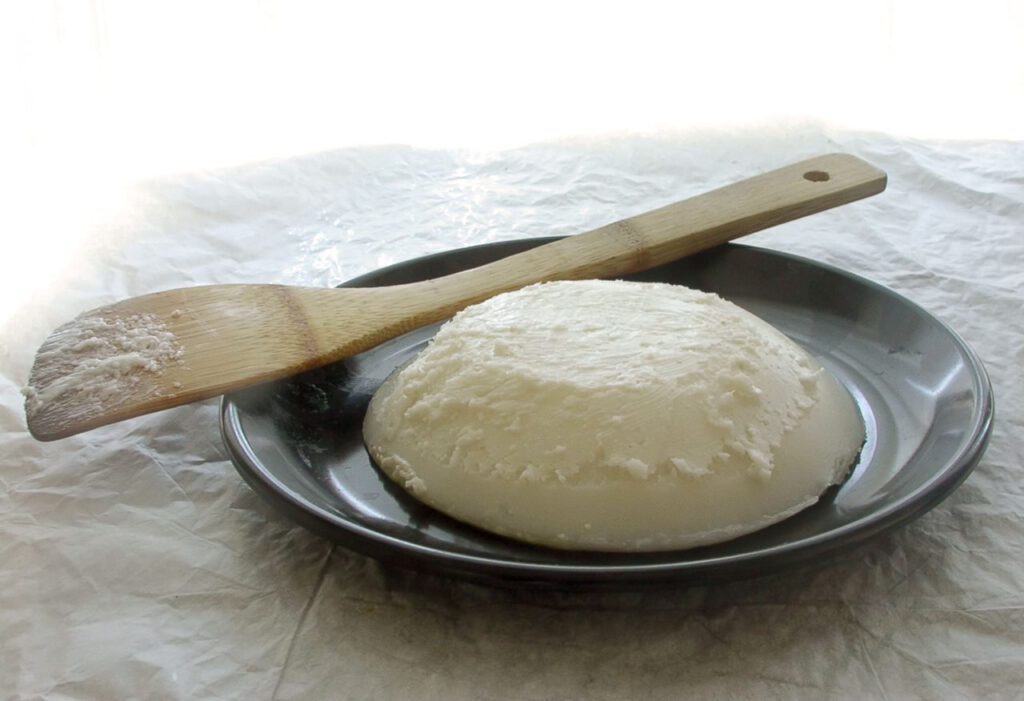
Rendered pork fat was the original survivalist’s cooking oil, ready to turn bland meals into something crave-worthy.
Ever wonder how great-grandma’s fried chicken achieved that perfect crispy-on-the-outside, juicy-on-the-inside magic? The secret wasn’t some fancy oil—it was lard. Rendered pork fat, stored in ceramic crocks or tin buckets, kept for months without refrigeration.
Lard wasn’t just for frying; it flavored and preserved everything it touched. Fall butchering meant stockpiling lard for the long haul, like having a decade’s supply of toilet paper before everyone else panicked. This cheap, long-lasting fat source added love to every bite.
14. Cornmeal

This versatile grain could transform into everything from protein-packed meals to soul-warming cornbread.
Cornmeal was the original Swiss Army knife of sustenance, minus the batteries. Anyone who’s faced those “there’s nothing to eat” nights would appreciate its stupid versatility. Combine it with beans for a protein punch that would make gym bros jealous, or whip up cornbread that beats anything from the grocery store.
With cornmeal in your arsenal, you have filling, nutritious meals ready to deploy, proving that sometimes the best solutions are the simplest ones. No more staring into empty cupboards wondering what magic trick might produce dinner.
13. Salt Pork or Cured Meat
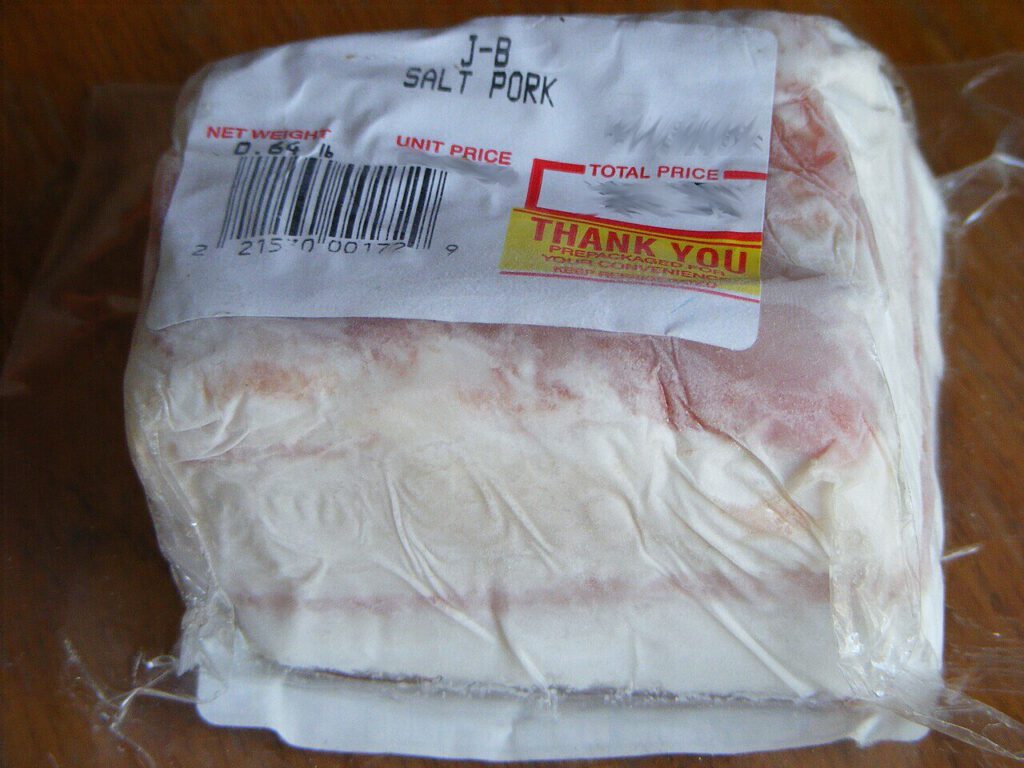
Sliced thin from fall-cured slabs, this pre-refrigeration marvel added serious flavor without needing electricity.
Picture yourself by a crackling fire during a winter storm, craving something beyond bland survival rations. Salt pork was the original flavor bomb, stored in barrels and ready to transform questionable foraged meals into something actually edible. Think bacon’s tougher, saltier ancestor—minus the hipster obsession.
This concentrated source of calories and flavor never needed a single watt of electricity. Even a zombie apocalypse deserves a little taste, and salt pork delivers that in spades.
12. Canned Tomatoes
Home-processed quart jars stood ready as the unsung heroes of winter sauces and stews.
While you could chase that fleeting summer romance with vine-ripened tomatoes, smart stockpilers knew better than to bet everything on fresh produce. Home-canned tomatoes, harvested during late summer, became the base of winter sauces and stews, preserving summer abundance one jar at a time.
Think of them as your culinary safety net, a hedge against blandness when the weather outside turns frightful. Far more reliable than that questionable farmer’s tan come February.
11. Oats
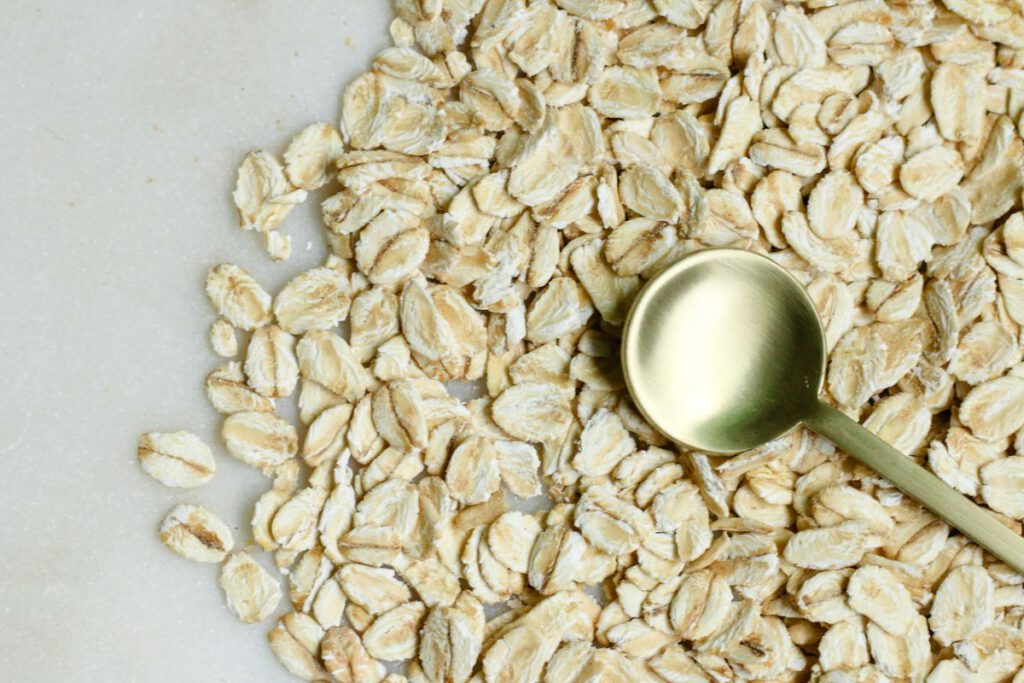
These versatile flakes could bulk up meatloaf, morph into cookies, or feed families for days as porridge.
Oats were the original “overnight” sensation, serving as way more than just breakfast. Imagine feeding a family for days with a single, ridiculously cheap ingredient. Boiled into soul-warming porridge—maybe dressed up with molasses, dried fruit, salt, or butter—oats formed the base of economical survival meals.
These weren’t just filling; they were the Swiss Army knife of pre-industrial kitchens. When budget gets tight and bellies need filling, oats provide a culinary safety net that even financial advisors would endorse.
10. Powdered Milk
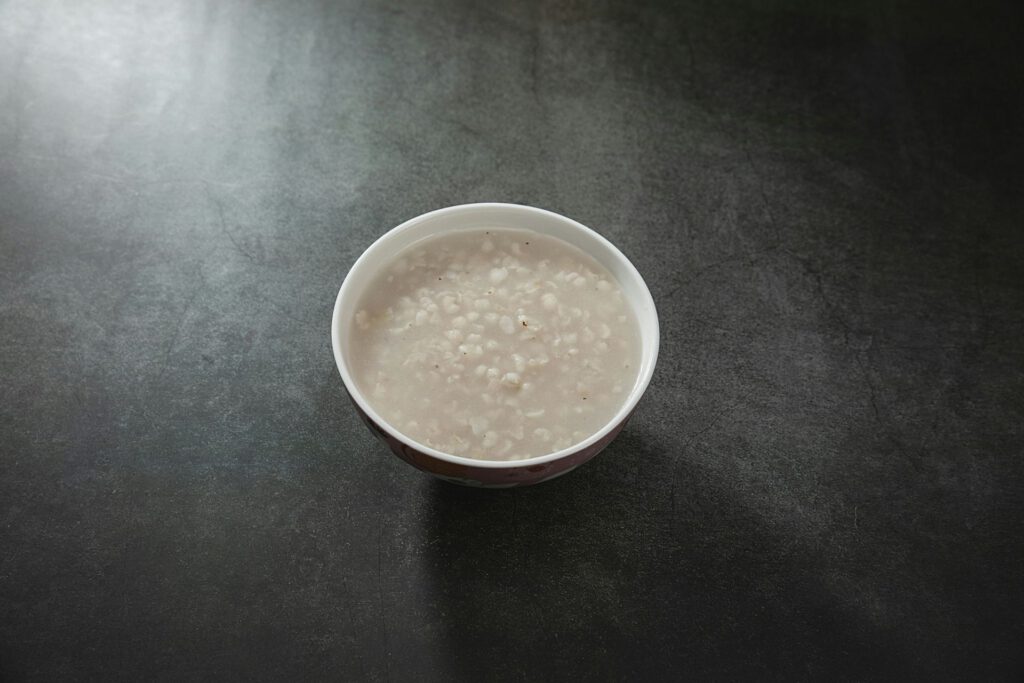
All the essential nutrition, none of the fridge dependency—just add water for instant milk.
Powdered milk is like the backup singer of stockpile foods, keeping the nutritional show going when electricity takes an unscheduled break. Think of it as milk, deconstructed: stored in glass jars next to honey, it becomes part of the dynamic duo for crisis breakfasts.
Anyone facing unreliable power knows the drill. This nutrition insurance provides vital nutrients without fancy refrigeration, proving sometimes the simplest solutions work best.
9. White Rice
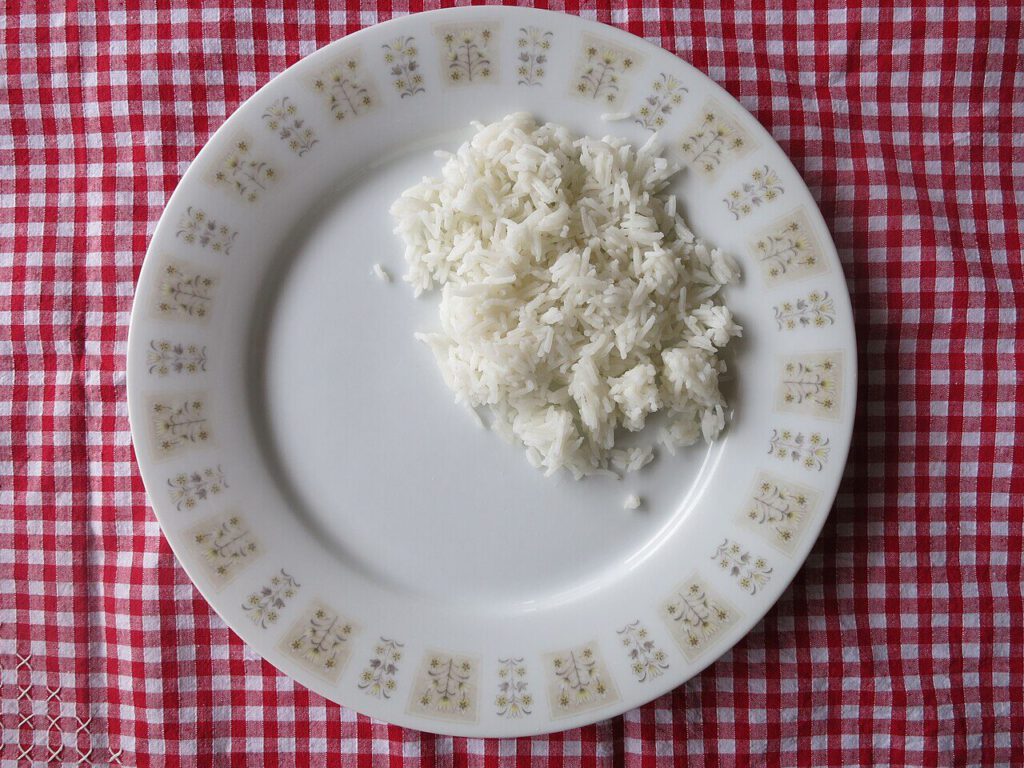
This high-calorie grain plays nice with everything and laughs in the face of expiration dates.
Archaeologists unearthed rice that had been chilling in ancient Korean tombs for 1,400 years. That’s some serious shelf life. Toss some in Mylar bags with oxygen absorbers, and you have a versatile staple that could outlast your mortgage.
Call it the ultimate blank canvas—this starchy grain works in everything from stir-fries to soups. Rice is like that friend who can always crash on your couch: dependable and surprisingly useful in a pinch.
8. Flour and Wheat Berries
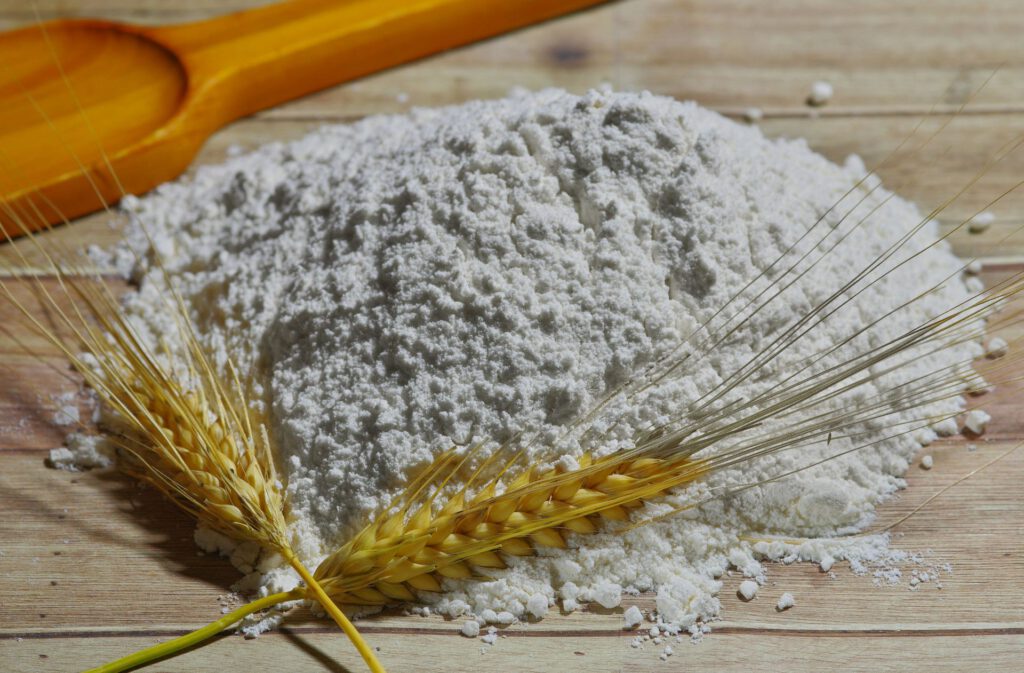
Ancient Egyptians used wheat as their savings account against bad harvests, storing berries for years.
Wheat keeps so well that ancient civilizations treated it like currency. You can stash wheat berries in bins for years, then grind them into flour with something as simple as a mortar and pestle.
Forget fancy electric mills—hand-cranking your way to fresh bread builds character. That’s real old-school living, assuming your arms survive the workout.
7. Dried Beans and Lentils
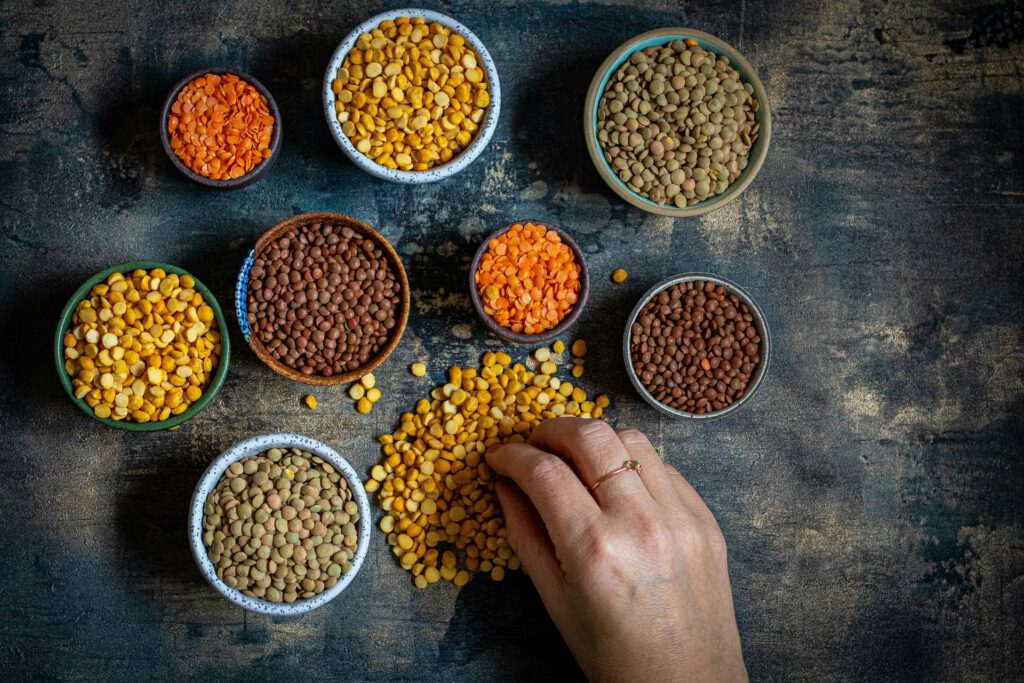
These millennia-old staples have been unearthed from ancient sites worldwide, proving their staying power.
Who needs a time machine when you have a bag of beans? These nutritional MVPs are like the vinyl records of food—ancient, reliable, and still kicking. Archaeologists in New Mexico pulled up beans dating back 1,500 years. Lentils in Greece and Bulgaria stretch back 13,000 years.
These weren’t just tasty snacks; they were civilization fuel, loaded with protein and fiber. Next time you’re eyeing that sad bag of kale, remember: beans and lentils are the true OGs of healthy stockpiling.
6. Sugar
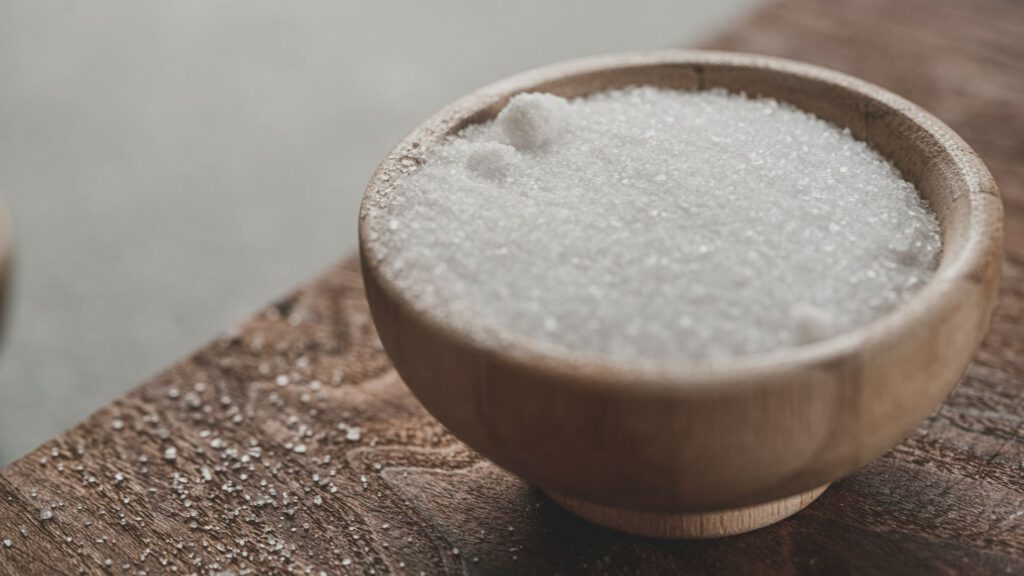
More than sweetener, sugar was the original food preserver, turning summer fruits into winter happiness.
Sugar wasn’t just for desserts—it was a lifeline for turning summer fruits into jams, jellies, and preserves that kept sweetness alive through lean months. Think of it as a time capsule for flavor, ensuring you weren’t stuck eating bland porridge all winter.
The technique creates an environment where bacteria can’t thrive, transforming fruit into delicious, shelf-stable joy. Historical food science never tasted so good on toast.
5. Dried Fruits
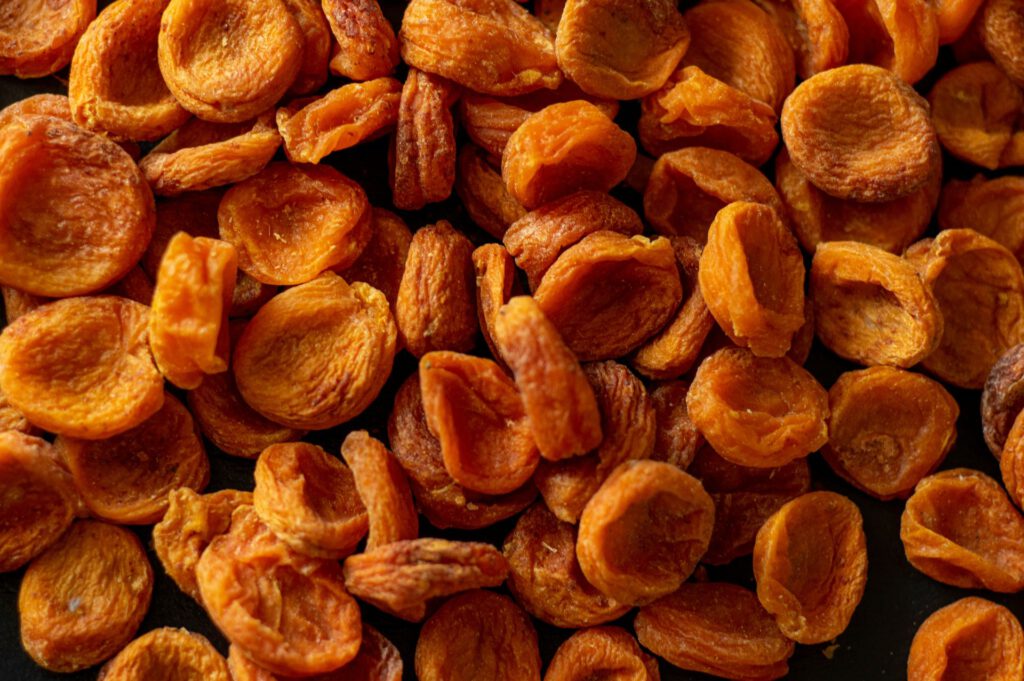
Sun-dried on screens, these gems provided vitamins and concentrated energy when fresh produce was memory.
Apples, peaches, and berries were sun-dried on screens—not exactly social media material, but effective. Later rehydrated, these vitamin-packed gems offered concentrated energy when fresh produce was just a distant memory.
Dried fruits are essentially sunshine in storage, summer fruits in suspended animation. That explains why they pack such an energy punch when winter grocery runs become treacherous.
4. Sauerkraut
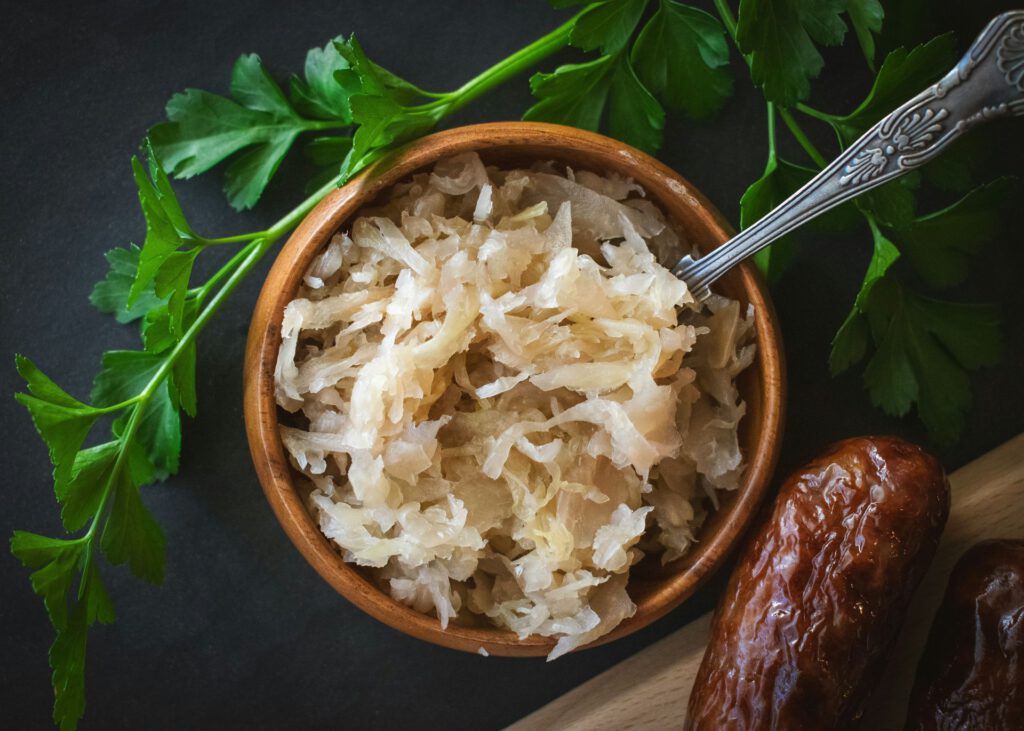
Fermenting cabbage in crocks provided probiotics and vitamins all winter long.
Think gut health is just a modern fad? People were fermenting cabbage in crocks way before it was trendy, racking up probiotics and vitamins throughout winter. Next time you’re dropping five bucks on kombucha, consider sauerkraut instead.
Pre-electricity families salted and packed garden harvests into crocks. Like today’s sourdough obsession, fermented cabbage kept immune systems humming even when daylight disappeared—plus a tangy bite no influencer can replicate.
3. Pickled Vegetables
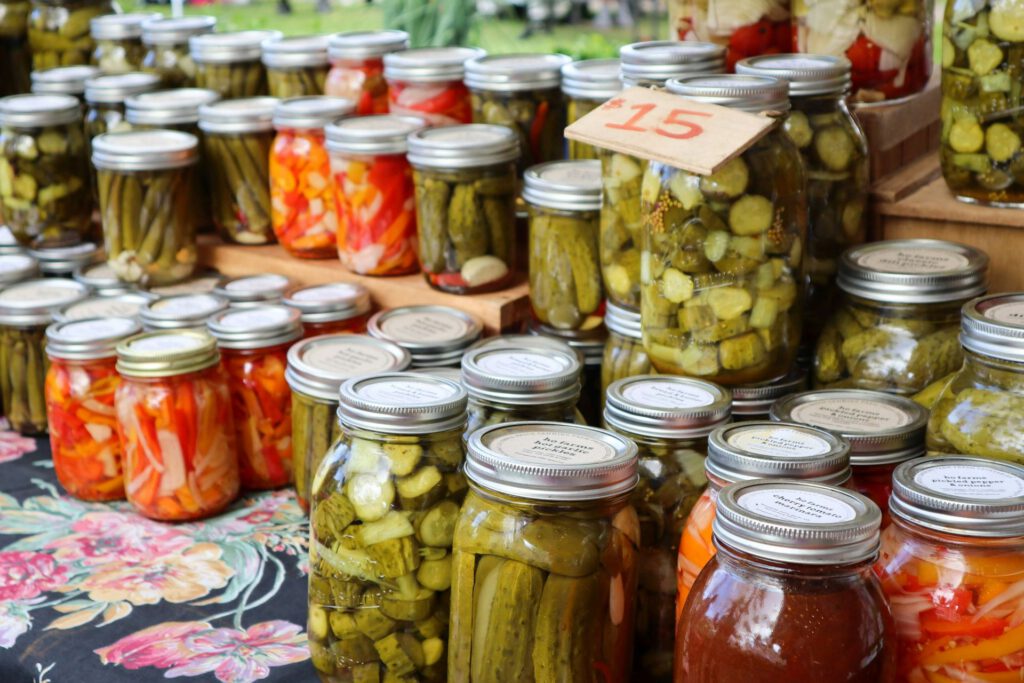
Vinegar-brined vegetables acted as tasty time capsules, preserving summer gardens for winter nutrition.
Imagine opening a jar in January, vinegar tang hitting you like a slap from winter itself. Before refrigeration, pickling was how smart families defeated winter’s blandness. Jars filled with cucumbers, beets, peppers, and green beans brined in vinegar became tasty time capsules.
Seasoned with dill and garlic, these weren’t just palate pleasers—they were nutritional weapons against deficiency. There’s deep satisfaction in tasting summer during winter’s worst, proving you’re not entirely dependent on modern convenience.
2. Root Vegetables
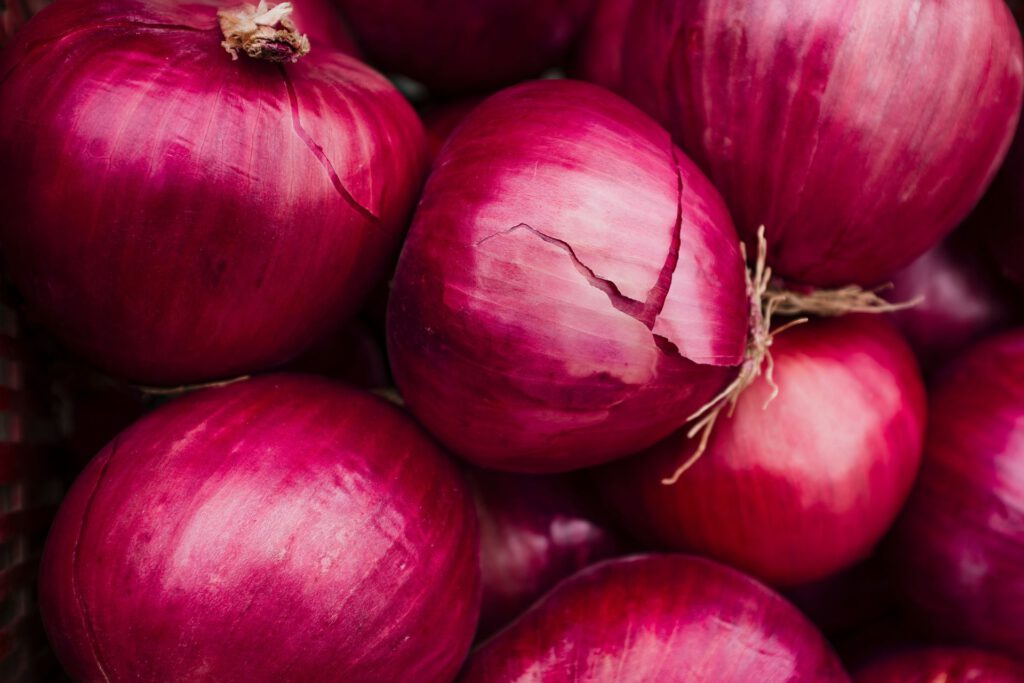
Stored in sand or sawdust, these underground treasures converted starches to sugars like natural alchemy.
Cool, dark, and slightly damp describes prime real estate for root cellars, where potatoes, carrots, turnips, and onions chilled in sand or sawdust. These vegetables converted starches to sugars over time, becoming the base for hearty, soul-warming winter meals.
Anyone who’s survived harsh winters knows that when January winds howled, kitchens filled with sweet, earthy aromas—not the freezer-burned disappointment lurking in modern freezers.
1. Canned Vegetables
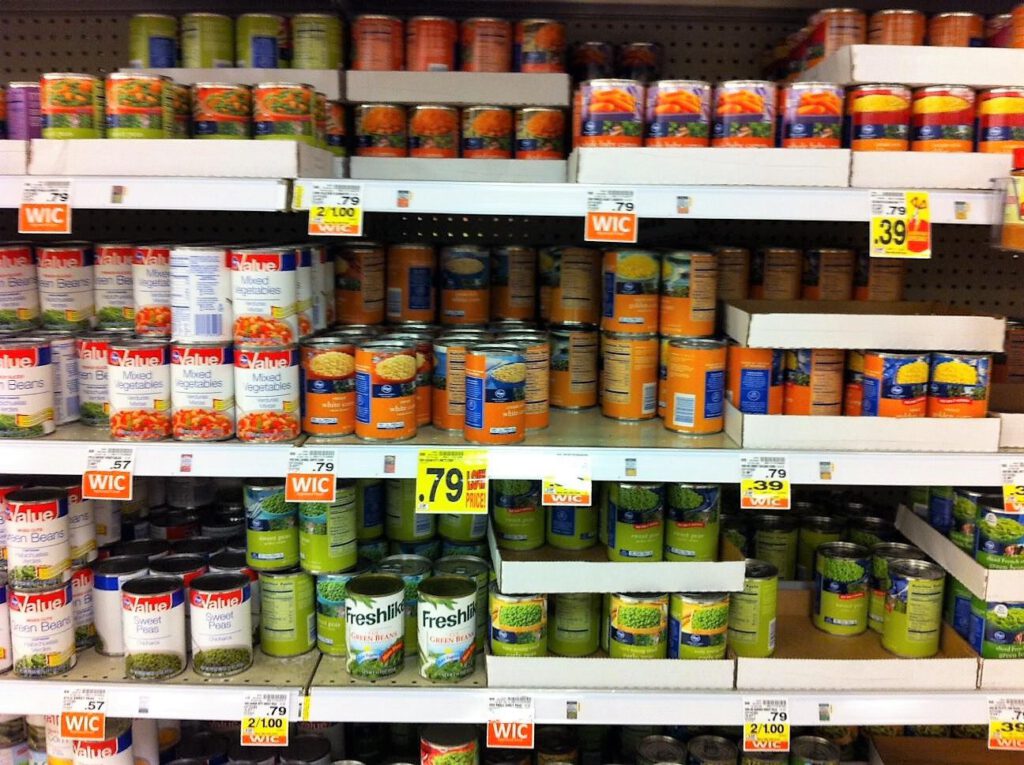
Home-canned green beans and corn weren’t just sides—they were reliable winter companions.
Before “organic” was trending, home-canned vegetables represented serious food security. Green beans and corn preserved from garden harvests weren’t gourmet dining—they were confidence against shortages, shelves stocked with quart jars like a superhero’s cape.
Anyone who’s faced looming storms knows the comfort of well-stocked pantries. These vegetables waited patiently like reliable friends, ready when fresh options disappeared and delivery apps were centuries from invention.