Since the 1960s, car designers have been raiding history’s vault like kids in a candy store, blending vintage aesthetics with modern engineering. From Virgil Exner’s nods to the 1930s in the 1961 Chrysler Imperial to recent revivals echoing the 1970s, this trend has stuck around longer than your dad’s collection of band t-shirts. These retro rides prove that sometimes the best way to drive into the future is by glancing in the rearview mirror—with modern conveniences that won’t leave you stranded.
15. 1961 Chrysler Imperial (Exterior)
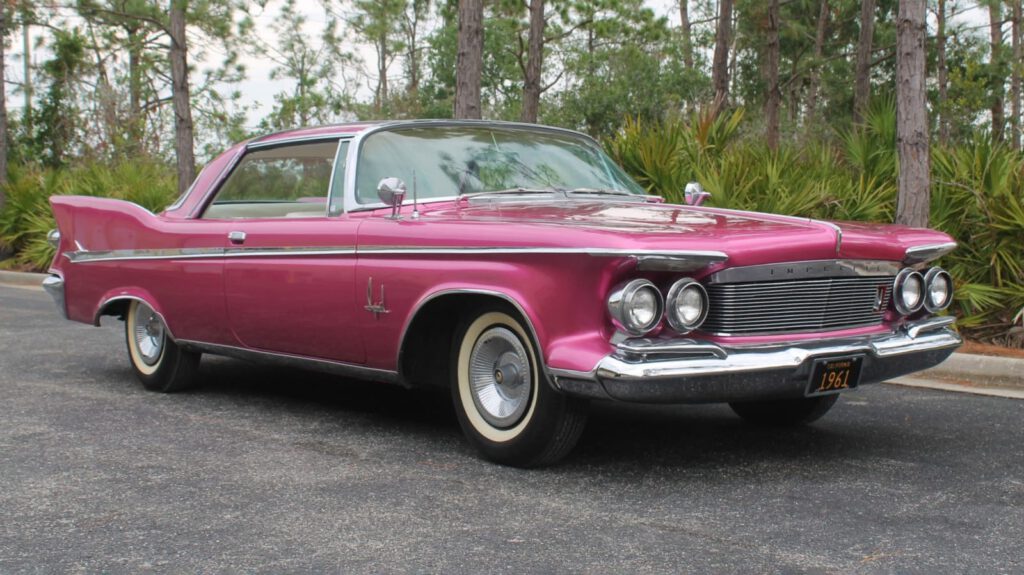
Virgil Exner grabbed a handful of 1930s aesthetics and slapped them onto a 1961 chassis.
Legend began when Exner decided free-standing headlights and curved fender lines deserved a comeback. It’s like showing up to a rave in a flapper dress—unexpected, yet somehow iconic.
1961 Chrysler Imperial (Interior)
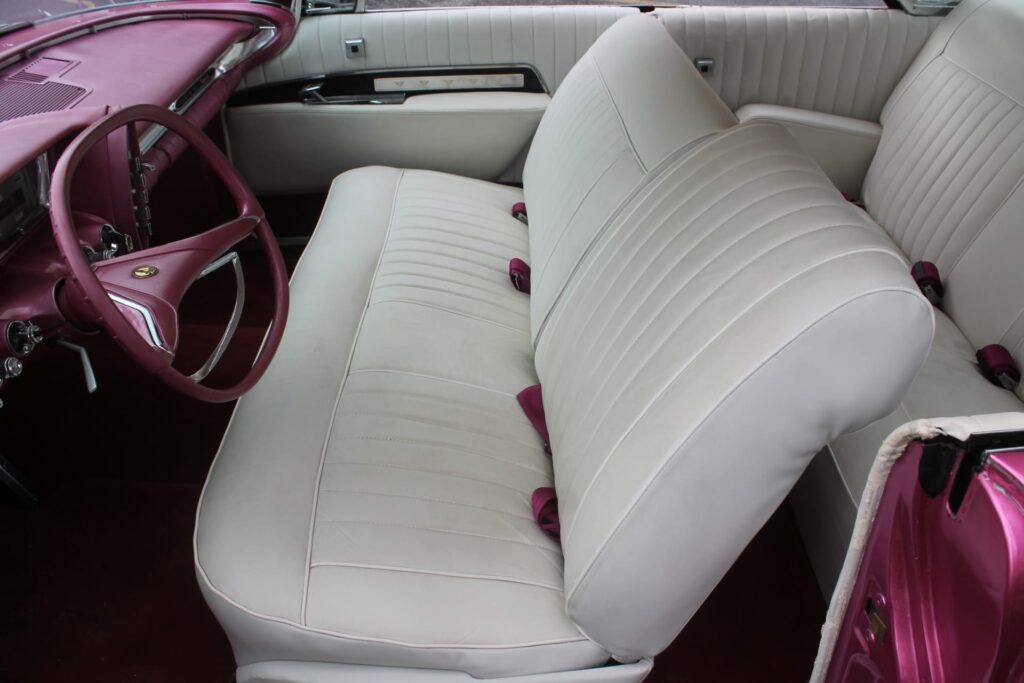
When you spot one of these at a car show, it’s a head-turning display of neoclassic design. Chrysler essentially said, “Let’s build a time machine, but make it a car,” solidifying the Imperial as a symbol of unapologetic retro-futurism that shoulder pads could never match.
14. Nissan Be-1 (Exterior)
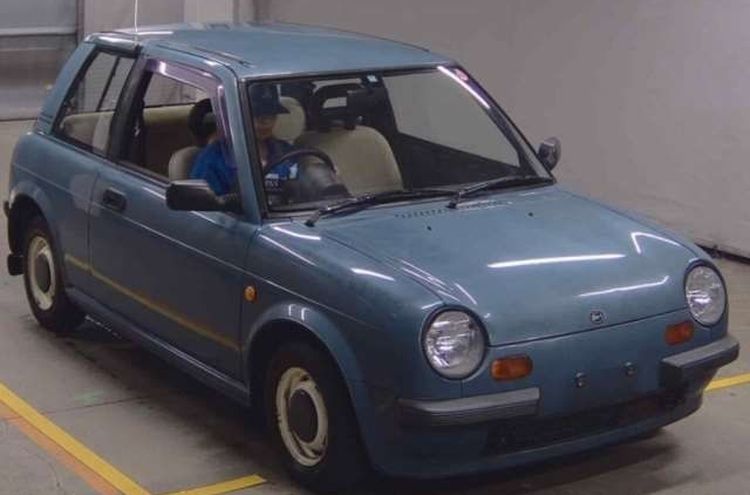
Nissan’s Pike Cars offered nostalgic alternatives to jellymold designs that were about as exciting as elevator music.
The Be-1 from 1989–1991 was like the automotive equivalent of a limited-edition vinyl pressing. A young designer sketching in Tokyo might find inspiration in the Be-1, which evokes the Mini Cooper without resorting to blatant copycat tactics.
Nissan Be-1 (Interior)
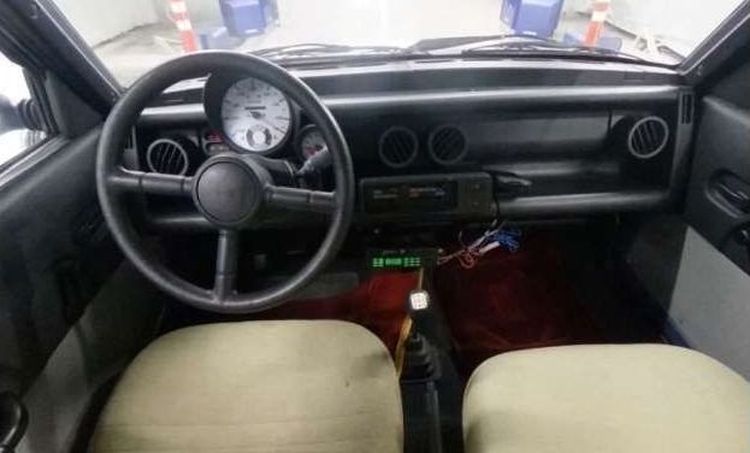
Nissan mixed modern engineering with yesteryear’s charm, creating a statement that says, “Yeah, I appreciate classics, but I also need a car that won’t break down every Tuesday.”
13. Nissan Pao (Exterior)
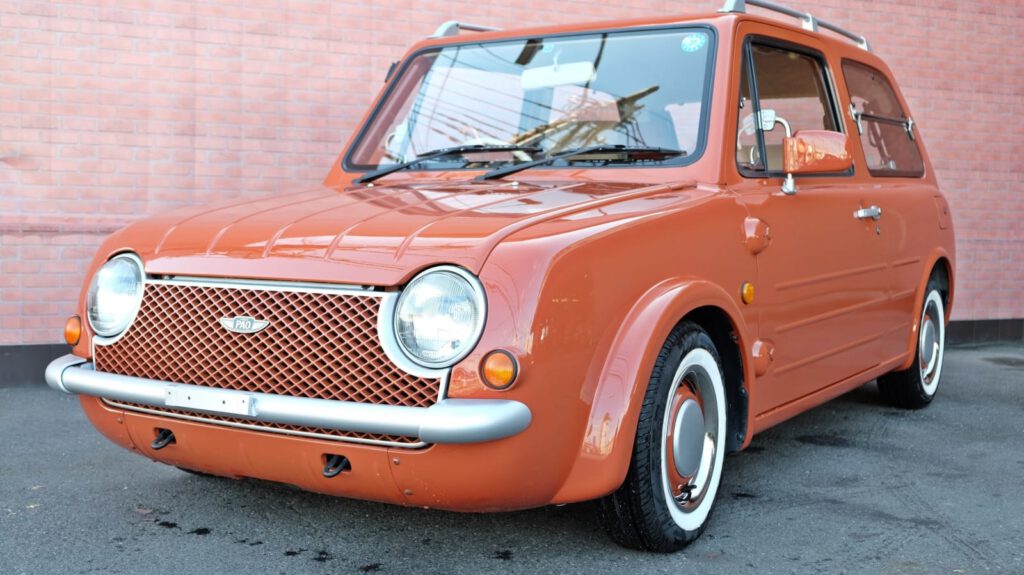
With round lights and chrome, it’s like Nissan raided a 1960s design meeting and built a time machine.
Imagine pulling up to cars-and-coffee, not in some bro-dozer pickup, but in something screaming “I have taste, and maybe a trust fund.” The Pao ditched the era’s jellybean shapes for a throwback vibe.
Nissan Pao (Interior)
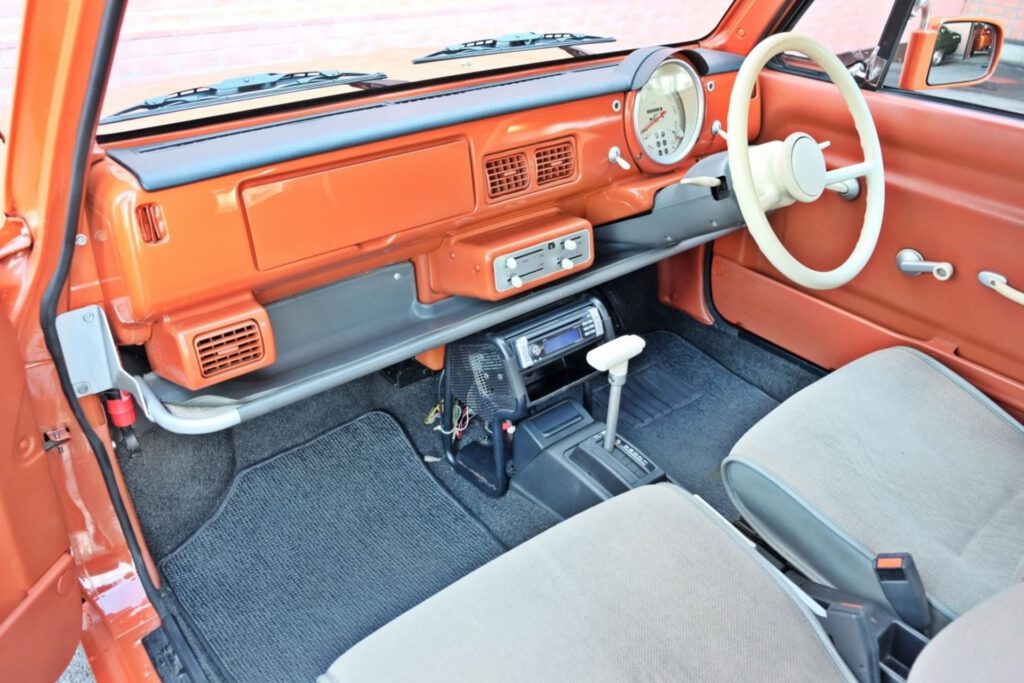
Think design-your-own-adventure kit: canvas top for summer drives, or two-tone paint jobs that say, “Yes, I have opinions.” As reliable as a microwave burrito, and way cooler than whatever’s clogging your neighbor’s driveway.
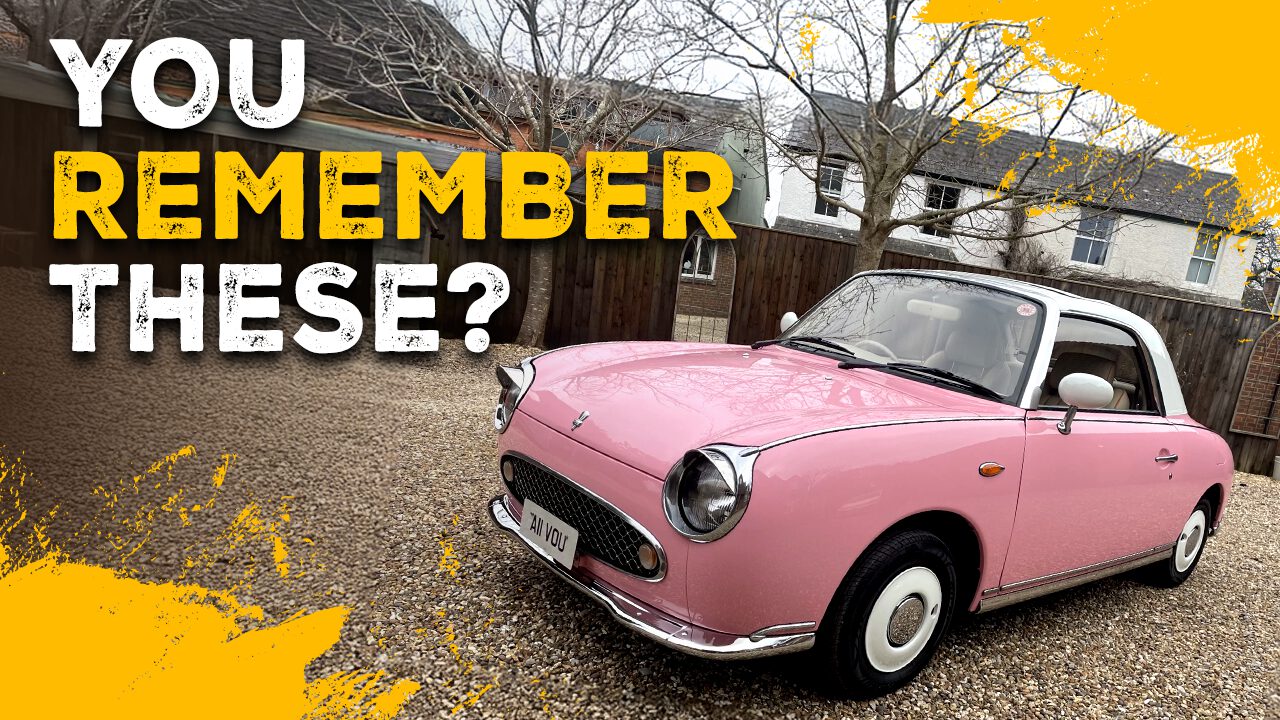
12. Nissan Figaro (Exterior)
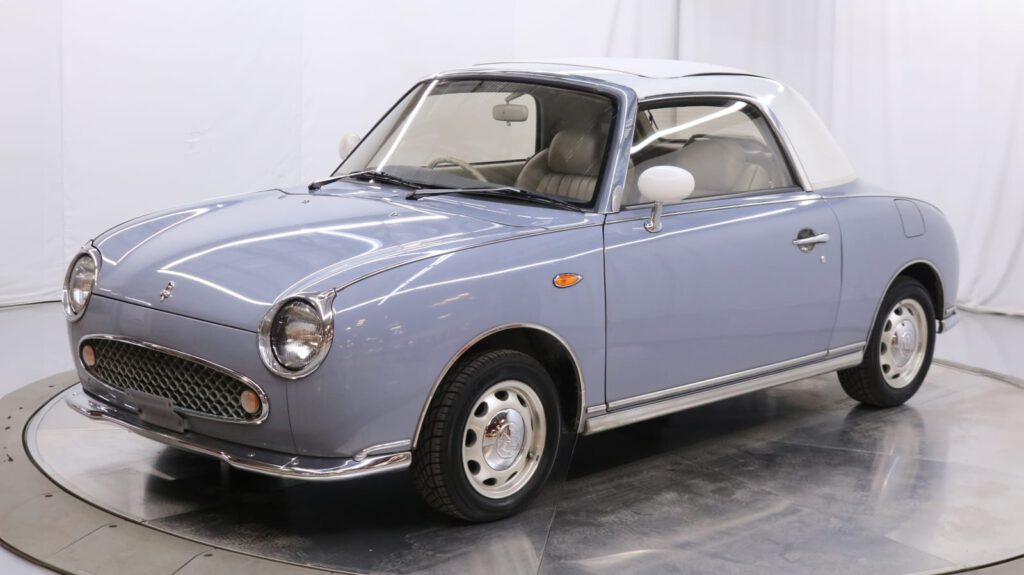
Picture a classic British roadster that got shrunk in the wash and then dipped in pastel.
The Figaro references 1960s British roadsters with cheeky Austin Powers vibes. Consider some bloke in a cluttered garage, nursing tea while restoring his Figaro to former glory.
Nissan Figaro (Interior)
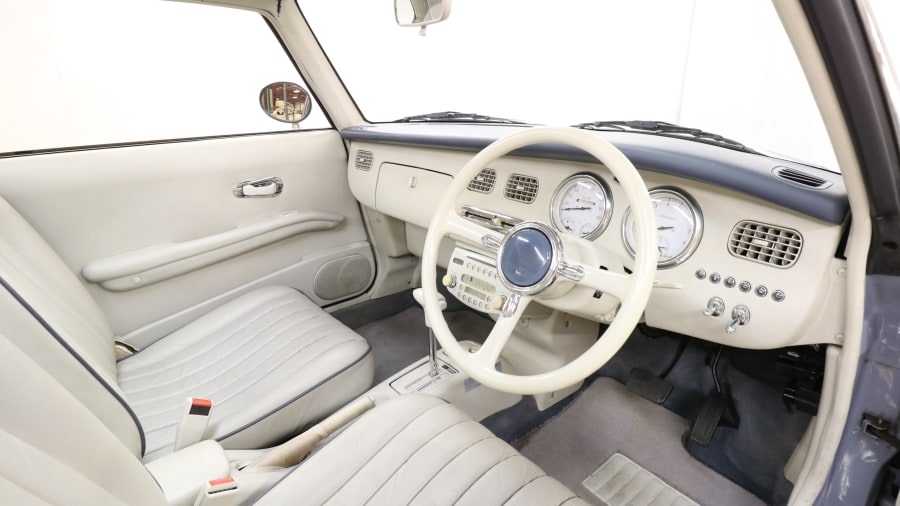
This isn’t just about fixing a car; it’s a mission to recapture a bygone era with more chrome and less common sense. Next time you see one, remember: it’s not just a car, it’s a time machine with questionable mileage.
11. Volkswagen New Beetle (Exterior)
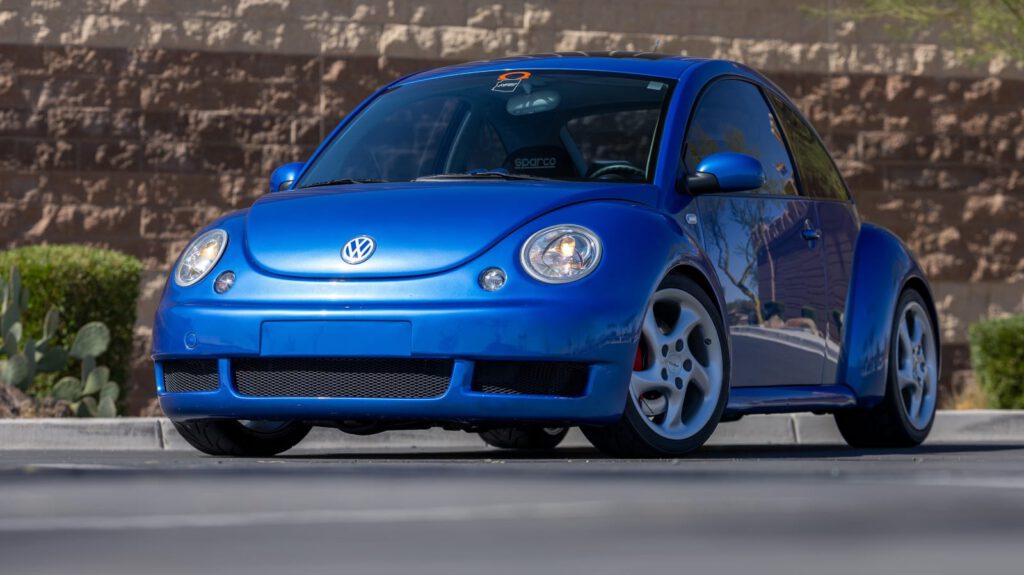
The 1998 revival proved that nostalgia could be sexy, or at least less embarrassing than expected.
Retro revivals can be as cringe as your dad trying to breakdance, but sometimes they nail the landing. The New Beetle, reviving the iconic 1930s original, was like when your favorite high school band does a reunion tour—skeptical, but secretly hoping they still got it.
Volkswagen New Beetle (Interior)
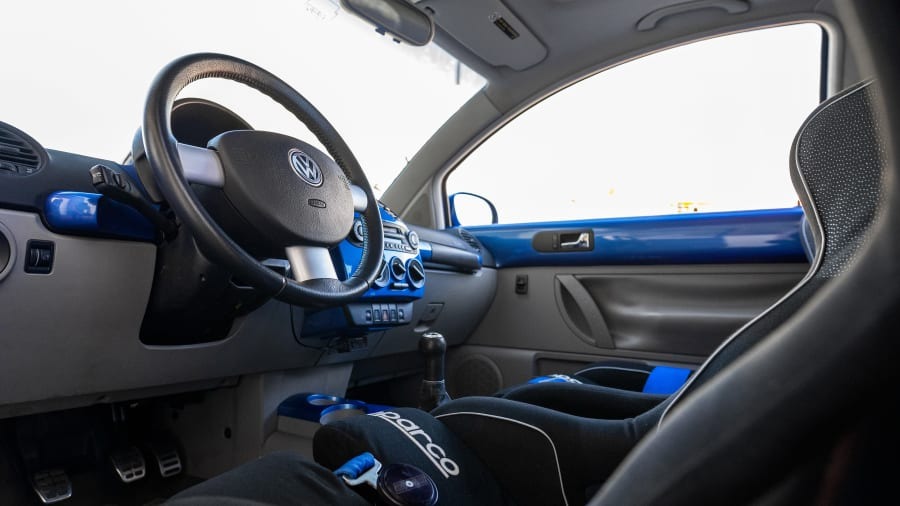
Picture a family cruising Main Street, parents remembering their first car, kids thinking it’s cooler than the minivan. The New Beetle wasn’t just transportation; it was a rolling punchline to automotive boredom.
10. Jaguar S-Type (Exterior)
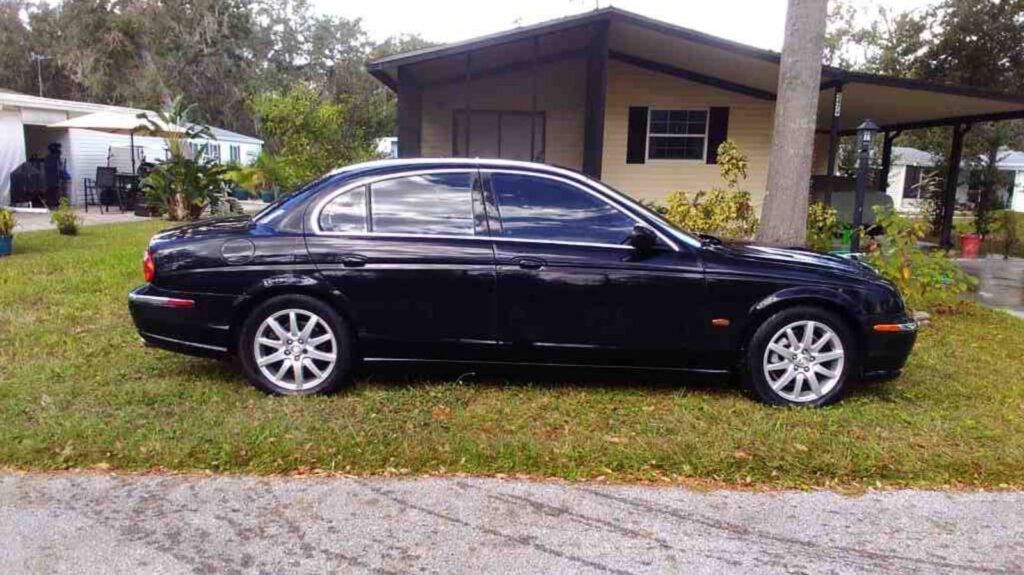
For business execs cruising to power lunches, the S-Type offered classic lines with modern engineering.
The 1999 S-Type nodded heavily to the marque’s 1960s saloons like those Tinder profiles flaunting vintage filters. With its curved silhouette and distinctive grill, it’s a drive down memory lane that doesn’t quite hit warp speed.
Jaguar S-Type (Interior)
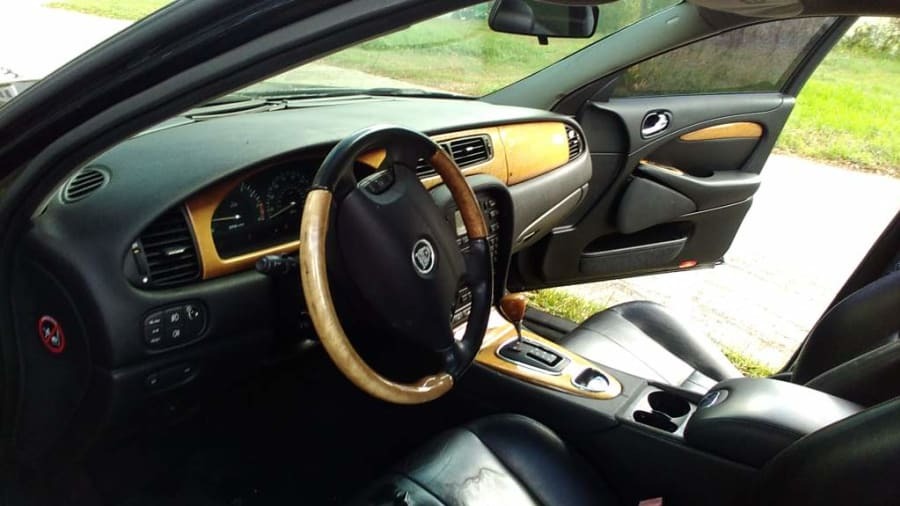
For those appreciating nostalgia without sacrificing contemporary comforts, the S-Type remains a distinctive—if somewhat derivative—choice that captured style without fully capturing spirit.
9. Mini (2000) (Exterior)
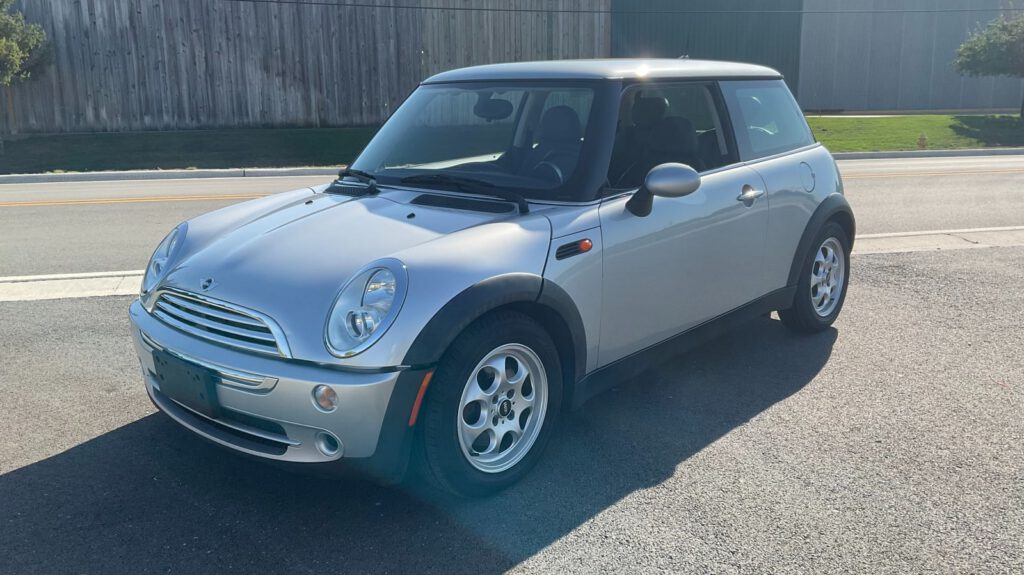
The updated Alec Issigonis design kept the bulldog stance and go-kart handling.
Remember the original Mini, that tiny British box your grandparents probably drove? The 2000 reimagining had all the charm, none of the character flaws. Sure, it ballooned in size, making it less of a clown car, but modern amenities are worth it.
Mini (Interior)
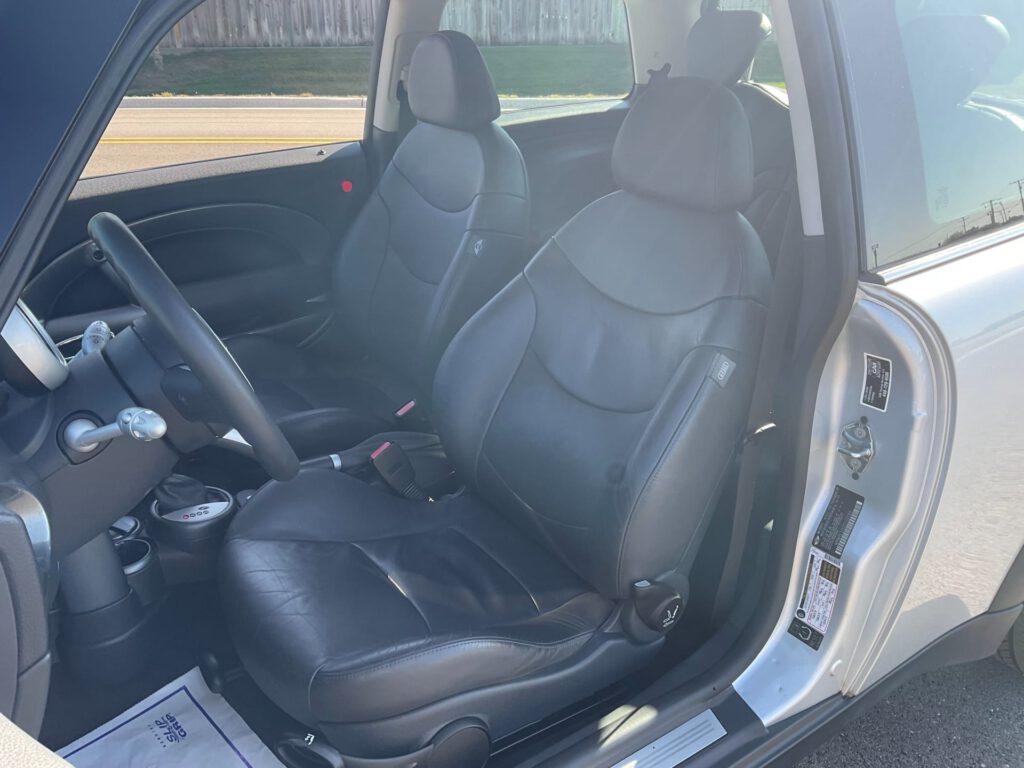
No more worrying about hill-climbing or “air conditioning” that blows hot air. It’s the automotive equivalent of getting a trust fund: all the fun, none of the struggle.
8. Fiat 500 (Exterior)
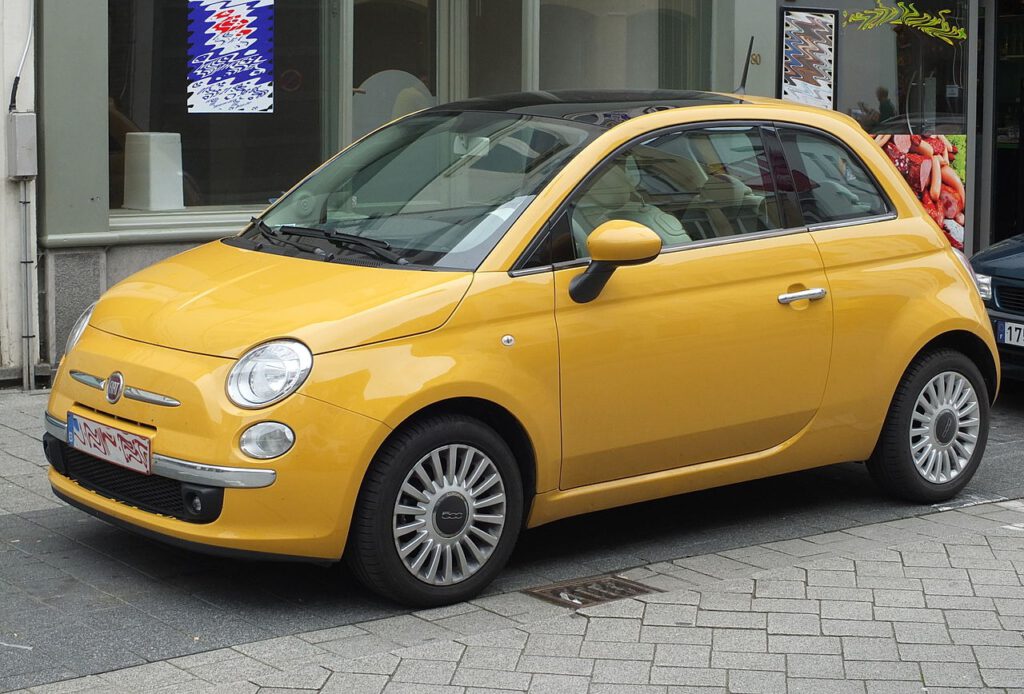
It’s like driving a tiny time machine, minus the flux capacitor.
The 2007 Fiat 500 hit the scene as a modern echo of its 1950s namesake—way less likely to leave you stranded. Picture yourself behind the wheel, rocking vintage shades and an ironic scarf, channeling Marcello Mastroianni while heading to Trader Joe’s for overpriced pasta.
Fiat 500 (Interior)
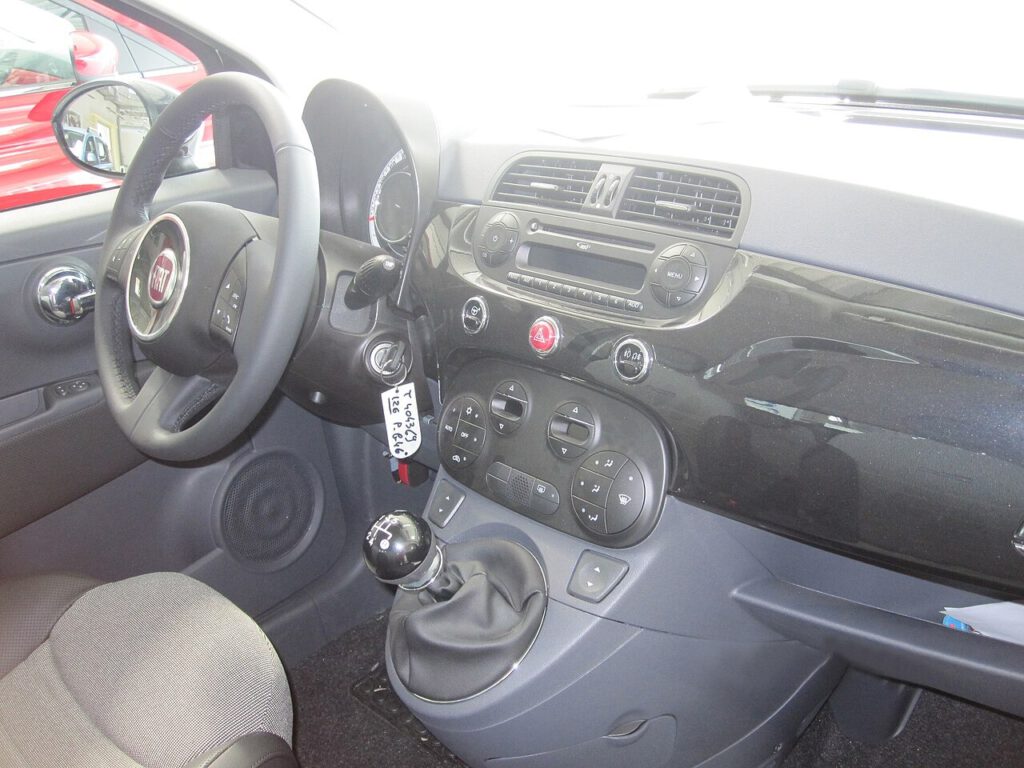
Personalize it with chrome bumpers and a luggage rack for a visual wink to the past, proving that sometimes the best way forward is a stylish U-turn.
7. Dodge Viper (Exterior)
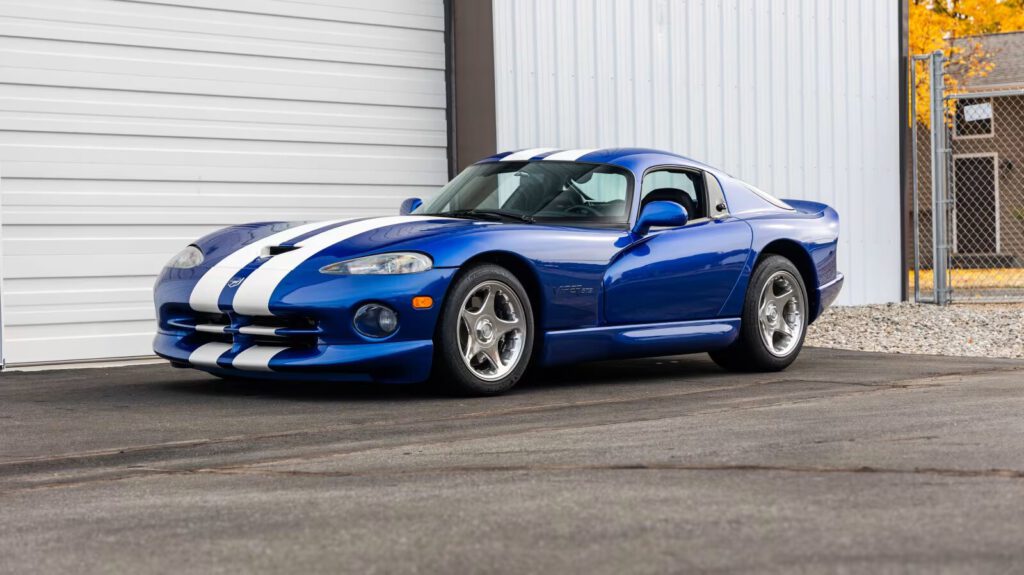
The soul of a bare-knuckle brawler dressed in a tuxedo made of tire smoke.
Born in 1992 from the spirit of the Shelby Cobra, the Viper ditches subtlety like a bad toupee. This modern take on Carroll Shelby’s legend might not sip fuel like a Prius, but who cares when piloting a rocket?
Dodge Viper (Interior)
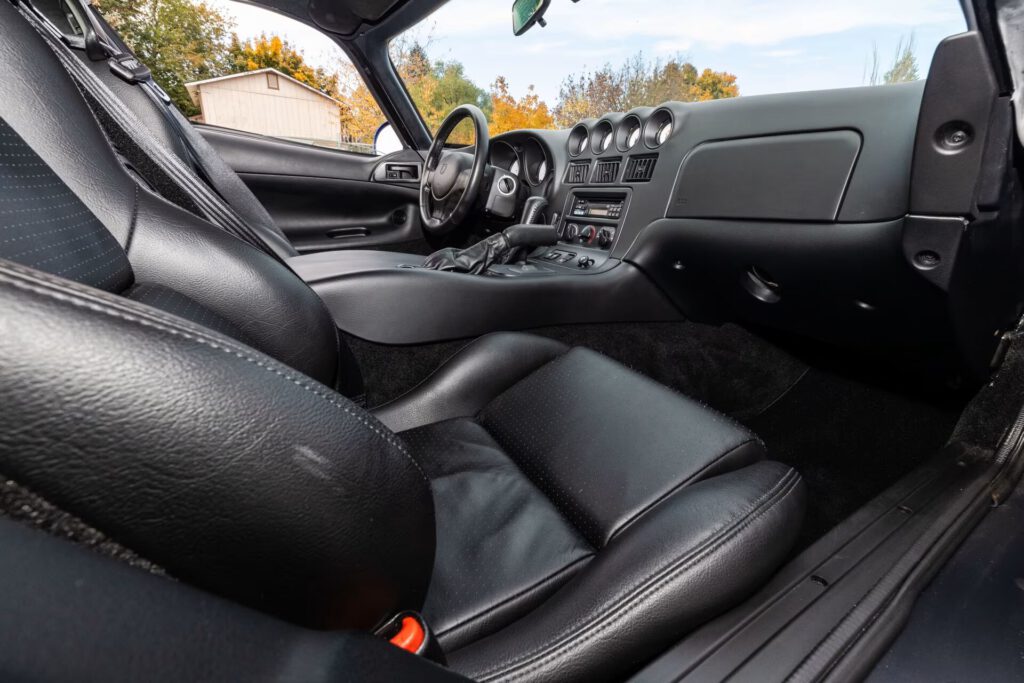
Bob Lutz’s original concept was raw American muscle that made you feel like conquering the world—or at least winning a bar fight. It’s big, brash, and loud, the automotive equivalent of a Viking funeral.
6. Dodge Ram (1994) (Exterior)
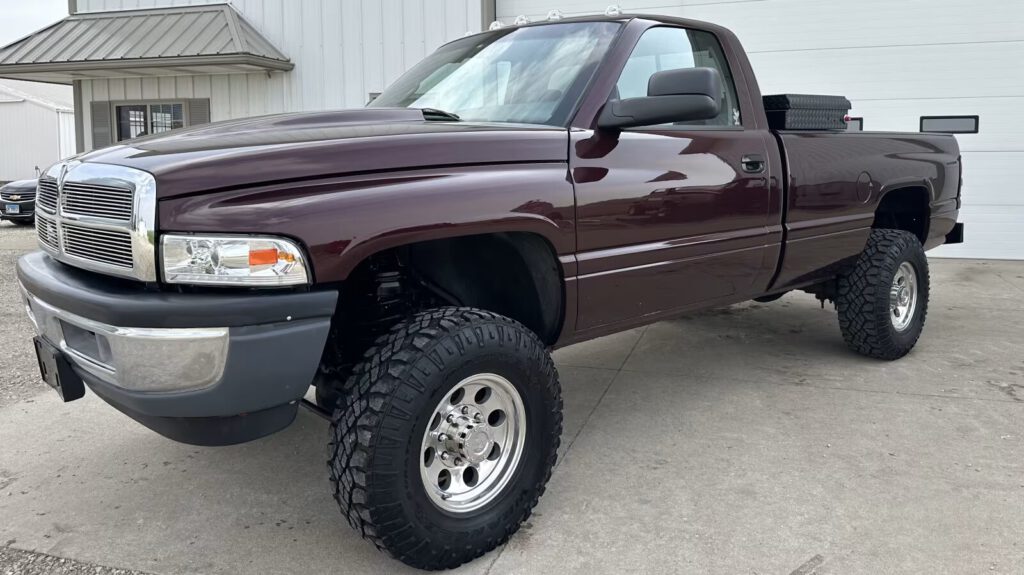
Instead of another jellybean-shaped pickup, Dodge channeled classic lines and a beefy grille.
The 1994 Ram didn’t just turn heads; it twisted necks with audacious 1940s truck styling. It’s like showing up to a tech conference in a tuxedo—unexpected, but undeniably sharp.
Dodge Ram (1994) (Interior)
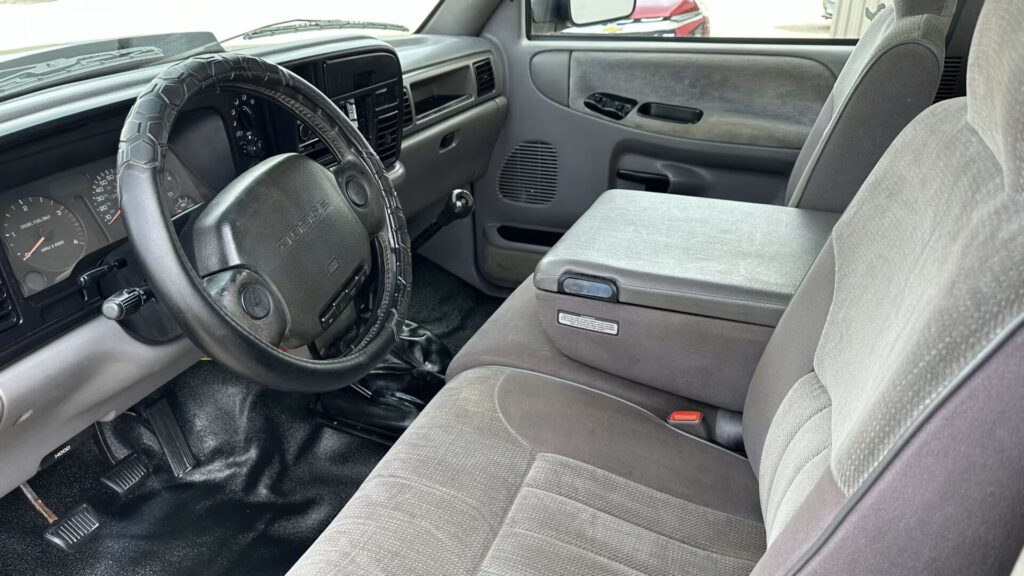
Think of that truck owner, sporting a perfectly faded baseball cap, appreciating the marriage of rugged design and modern capabilities. While others recovered from ’80s mullets, the Ram brought back class that resonated with truck enthusiasts.
5. Plymouth Prowler (Exterior)
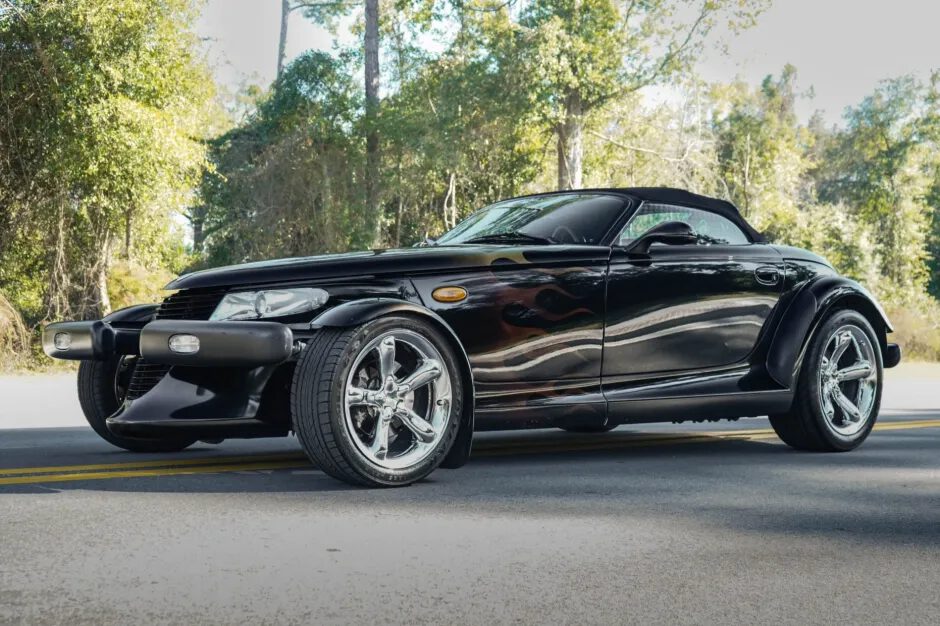
Chrysler aimed for a hot rod revival, blending 1930s curves with 1960s mod vibes.
The 1998 Prowler was like that friend showing up to parties in retro suits, trying too hard to be cool. It’s as if someone told the design team to binge-watch “Grease” and build a car.
Plymouth Prowler (Interior)
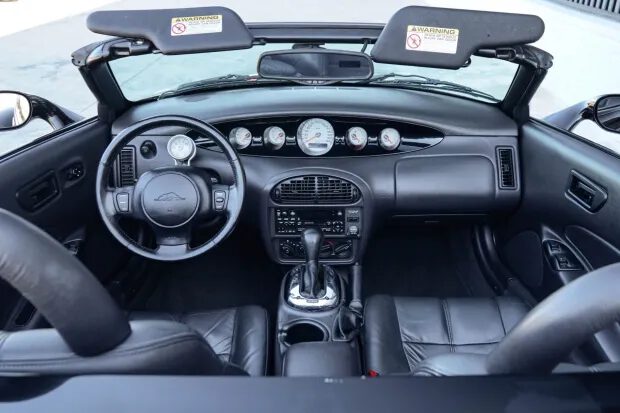
This bold experiment wasn’t exactly a sales supernova, but gearheads appreciate its ambitious spirit. Think of it as the automotive equivalent of a jazz solo—imperfect, but full of personality and a reminder to risk it for the biscuit.
4. PT Cruiser (Exterior)
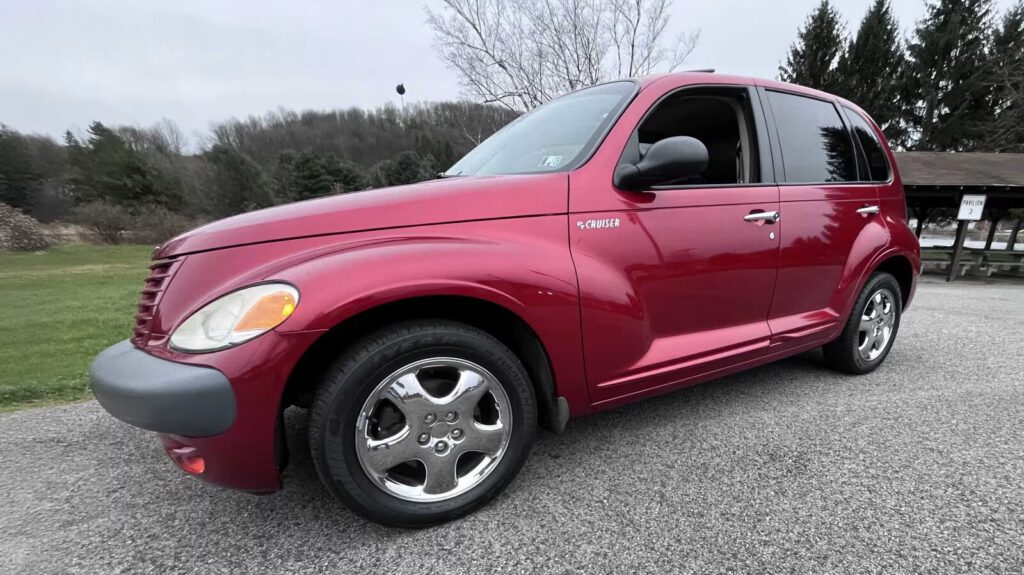
It was like wearing a fedora to a baseball game—you either loved it or hated it, but couldn’t ignore it.
When everyone drove beige Camrys, Chrysler dropped the PT Cruiser—looking like a hot rod designed by someone who’d only seen pictures of hot rods. Its “hot rod aesthetic” drove actual sales success, resonating with buyers craving something different.
PT Cruiser (Interior)
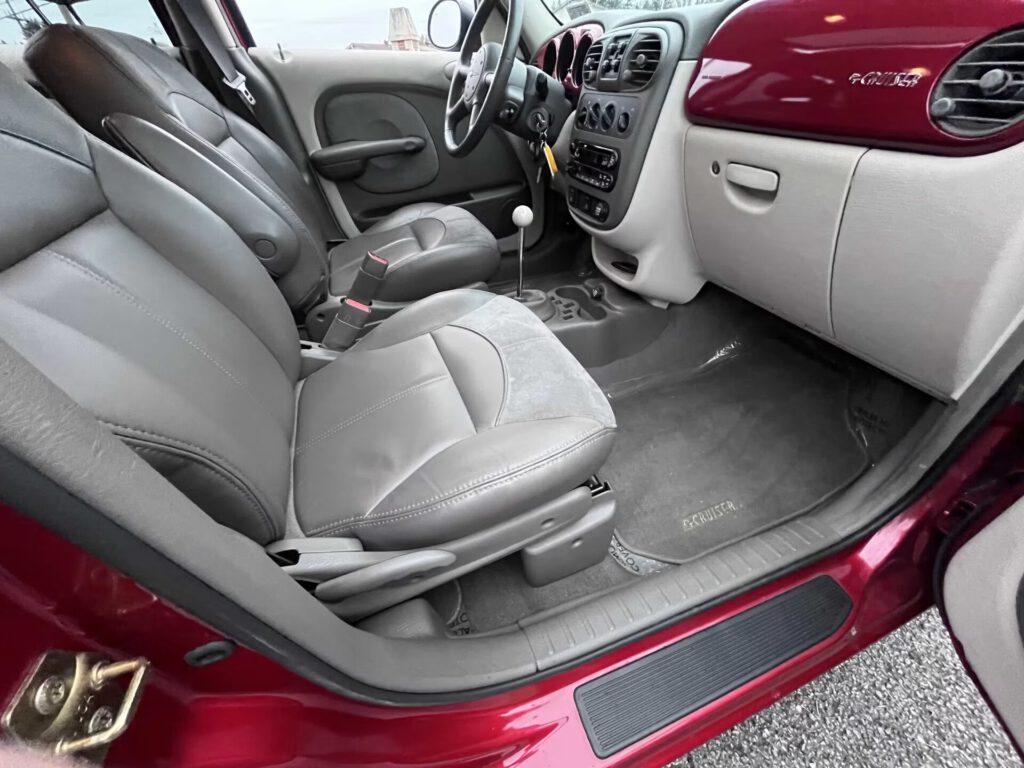
Despite quirky looks, it offered practicality appealing to families needing space without sacrificing personality. Think automotive equivalent of a novelty coffee mug—functional, but also a conversation starter.
3. Nissan Z (2023) (Exterior)
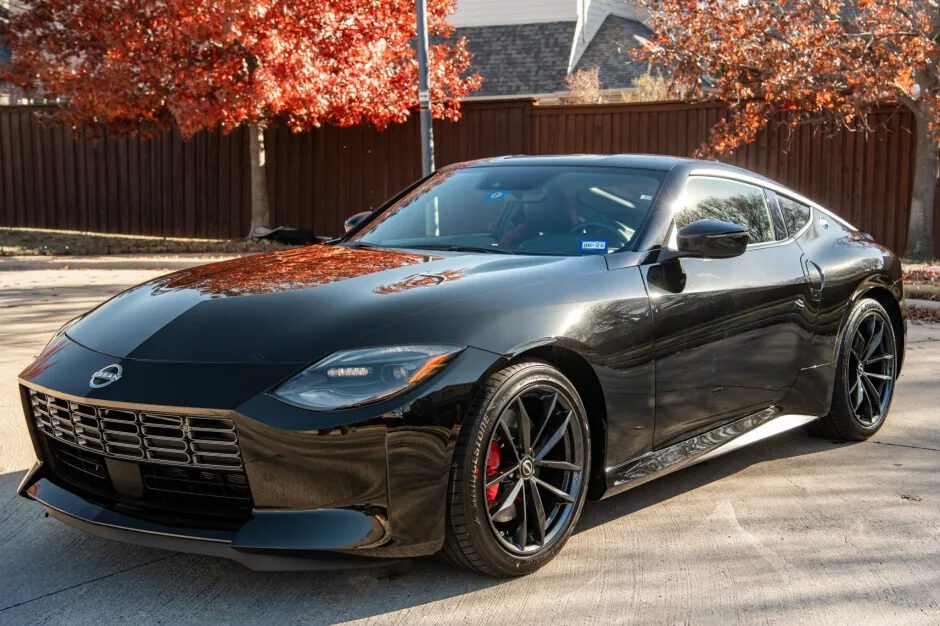
That long hood and fastback roofline are like seeing your dad in a TikTok dance—surprisingly cool.
If you recall the 1969 Fairlady Z debut, the 2023 Z is basically that same panty-dropper, reimagined for an era where traction control is expected. Nissan clearly looked backward to leap forward.
Nissan Z (Interior)
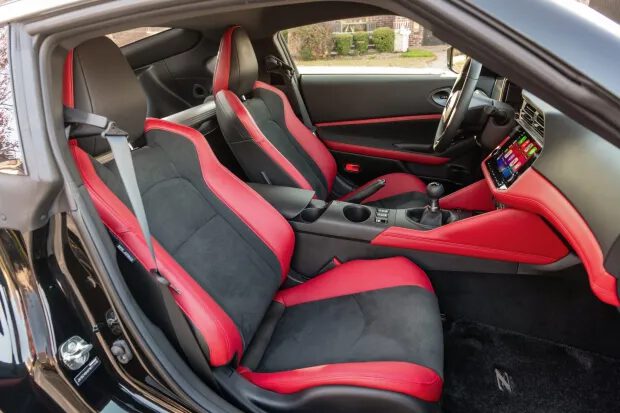
This isn’t just nostalgia xerox; the 400 hp twin-turbo V6 ensures it moves like a modern sports car, leaving just enough room to miss the carburetor. Sometimes the best way forward is glancing in the rearview.
2. Hyundai Santa Fe (2023) (Exterior)
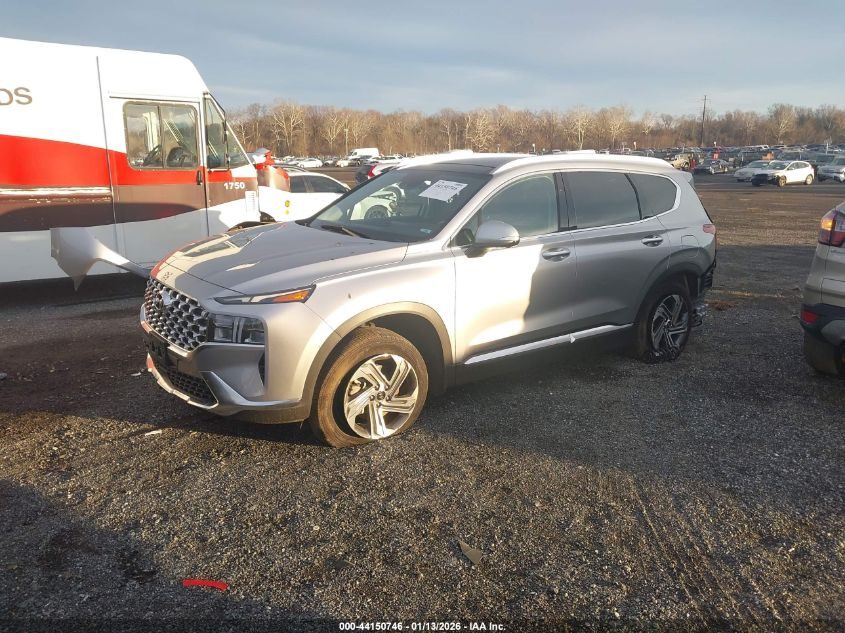
It’s as if Hyundai raided its own attic and said, “Let’s bring back that ’90s vibe—but make it fashion.”
Digging into the past yielded surprising inspiration for the 2023 Santa Fe. Hyundai’s designers clearly had a mood board featuring the 1991 Galloper, explaining the squared-off silhouette.
Hyundai Santa Fe (Interior)
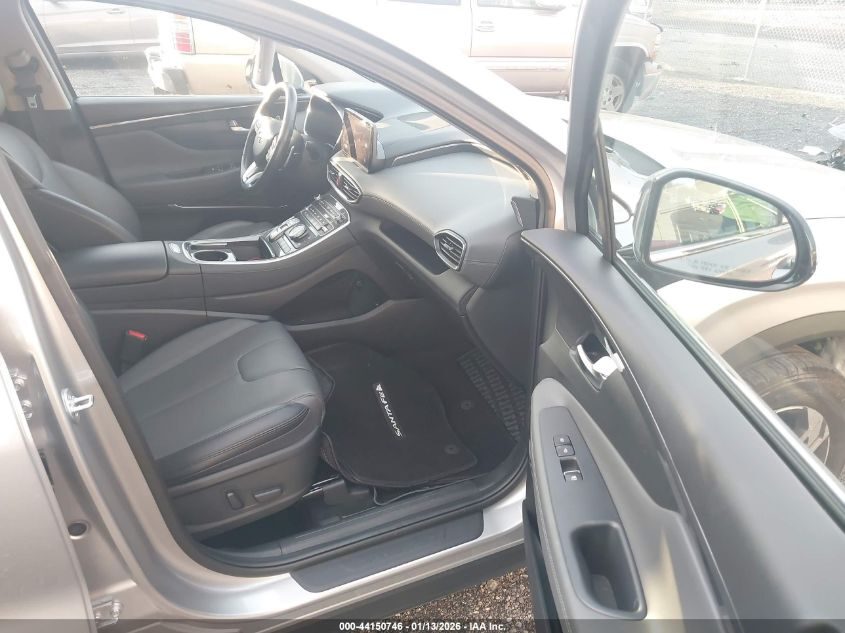
Modern amenities blend with retro design cues in a full-blown homage that’s not just a facelift—it’s a time warp. Smart play for drivers remembering tank-built SUVs but wanting Prius MPG.
1. Renault 5 E-Tech (2024) (Exterior)
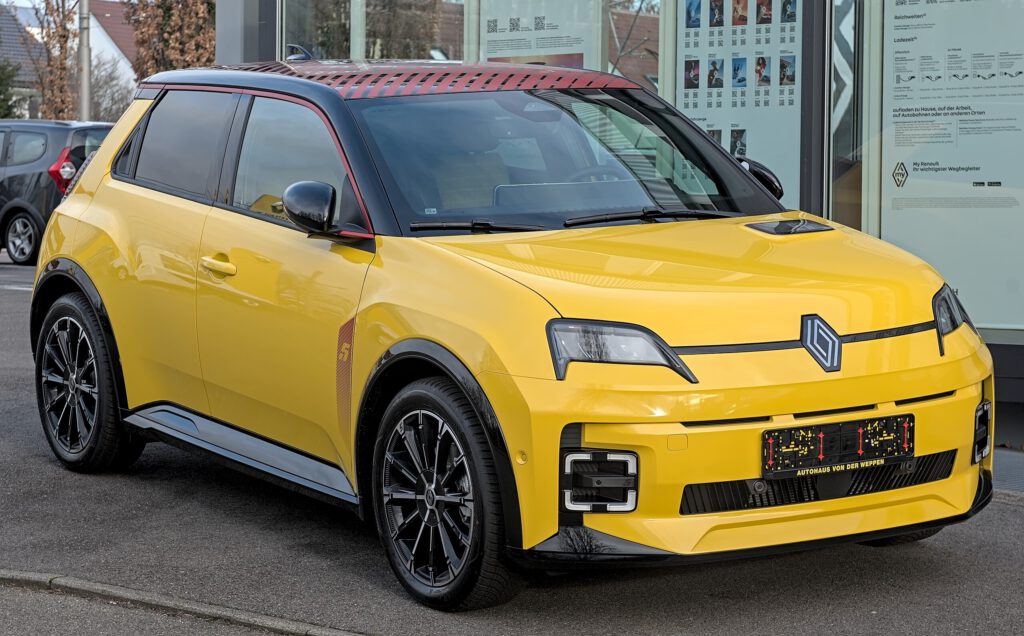
It recalls an era when cars had personality, not just 10-inch touchscreens.
The 2024 Renault 5 E-Tech modernizes a 1970s icon, proving nostalgia stays hot even as EVs take over. For city dwellers eyeing retro charm with modern tech, this might be the answer.
Renault 5 E-Tech (Interior)
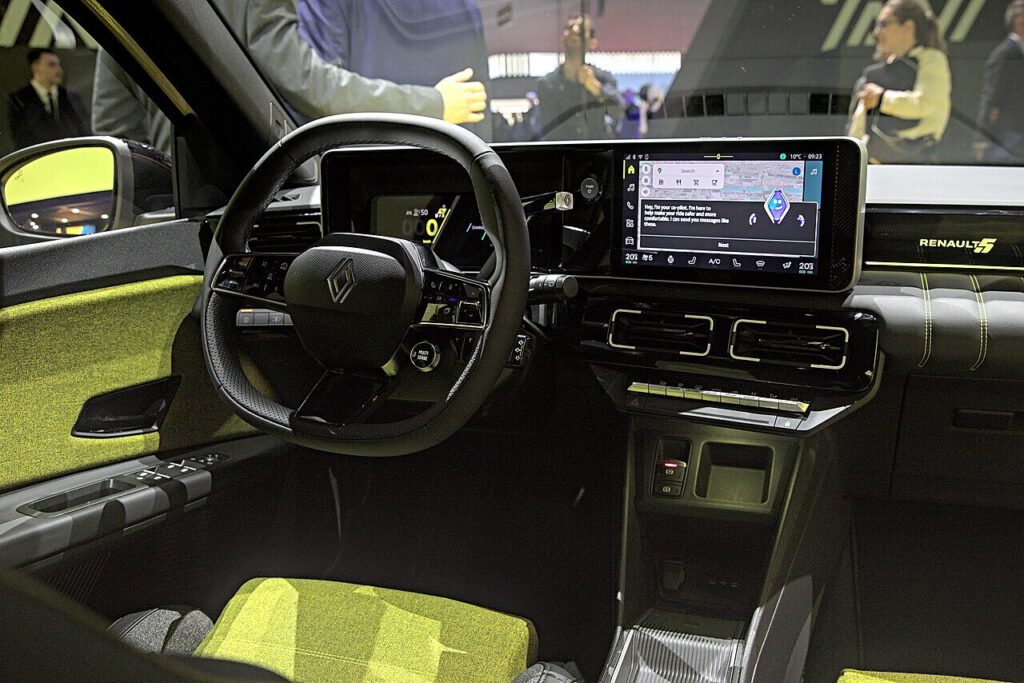
It’s a bold move, wrapping electric powertrains in sheet metal that screams “remember when?” instead of “look at me, I’m saving the planet.” Sometimes the best future rides come dressed as the past.
Car manufacturers are mining nostalgia to move metal, blending heritage with today’s safety and performance. These models stand out by capturing era essence without sacrificing modern conveniences. From swooping tail fins to minimalist interiors, designers are remixing history to make you open your wallet. These retro rides prove that what’s old can definitely be new again—and surprisingly stylish.