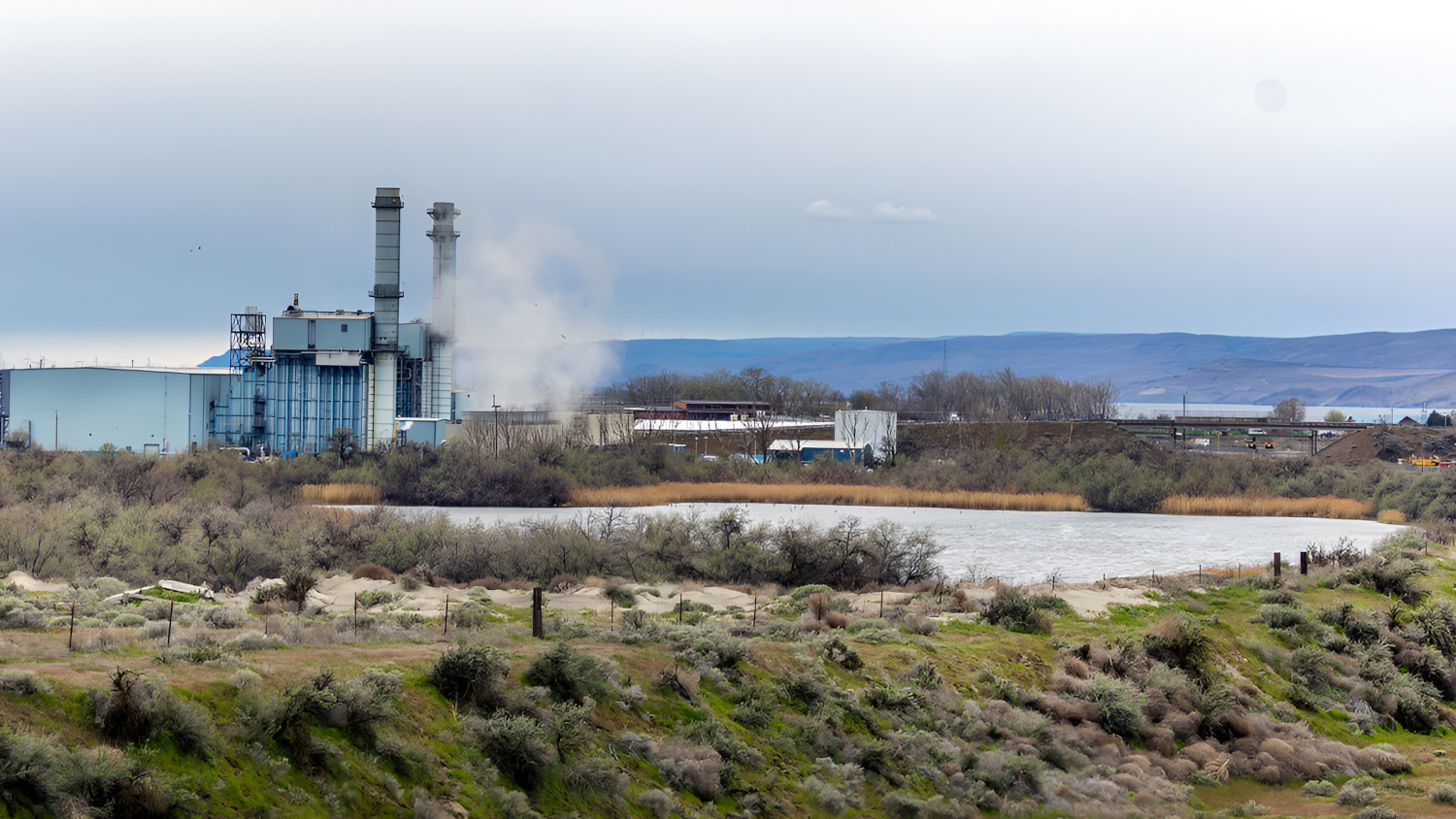
The power grid fails more often than streaming services during season finales. Seniors face unique challenges during emergencies—from medication dependencies to mobility limitations—making standard emergency kits about as useful as a chocolate teapot. These 12 essentials blend necessity with senior-friendly design, proving that being prepared isn’t just smart, it’s the ultimate flex when disaster strikes.
This content may contain affiliate links. If you wish to support us and use these links to buy something, we may earn a commission.
12. Water
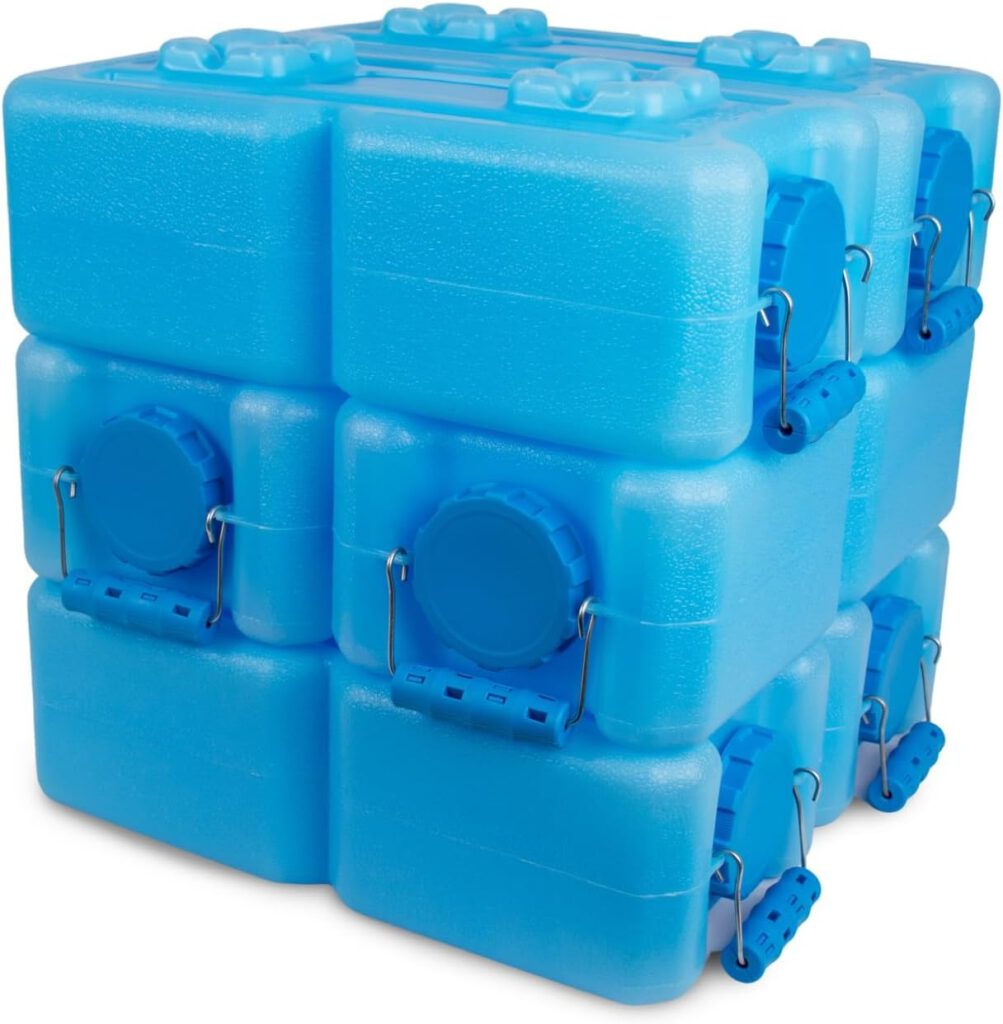
Stock one gallon per person daily for at least three days of survival.
Dehydration turns anyone into a cranky zombie, but for seniors, it’s a fast track to serious health complications. Store at least one gallon of water per person, per day, for a minimum of three days. That’s not just for drinking—it’s for sanitation, handwashing, and keeping essential medical devices running smoothly.
Anyone who’s watched a senior ration water during a heatwave knows this isn’t negotiable. Store that H2O like your life depends on it, because honestly, it does.
11. Non-perishable food
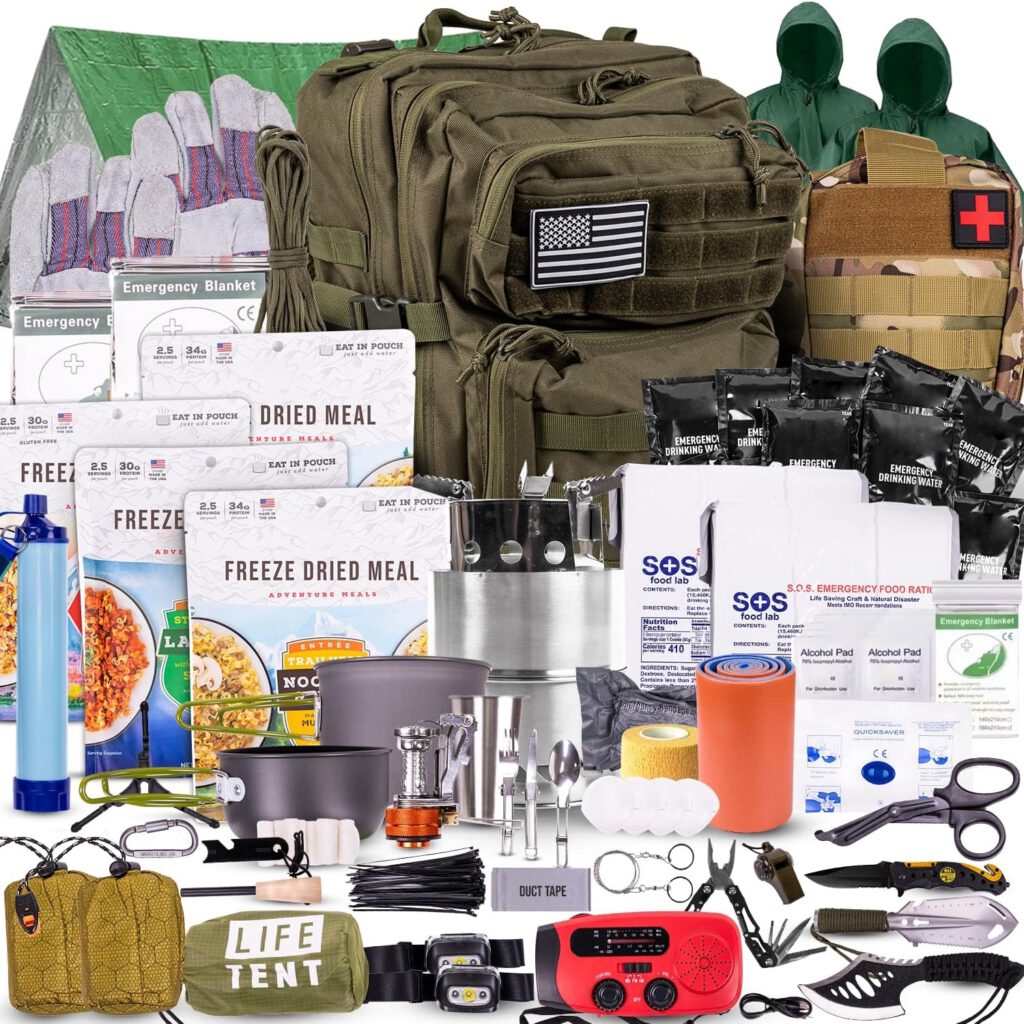
Easy-prep, nutrient-dense options that don’t require power or cooking skills.
The Red Cross recommends a three-day supply, but five days offers real peace of mind. Focus on easy-prep foods that maintain energy levels when the power’s down. Canned goods are your MVP here: beans, fruit, tuna, plus granola bars for quick energy hits.
A manual can opener is non-negotiable unless you plan on opening cans with a hammer—which sounds like a TikTok fail waiting to happen. Consider dietary restrictions like low-sodium or gluten-free options. And if pets are part of the family, stock their food too, because hungry animals make terrible roommates during crises.
10. Medications and medical supplies

Seven to thirty days of prescriptions plus backup medical devices keep health stable.
Managing medications becomes exponentially harder when evacuation orders drop and you’re down to your last few pills. Stockpile a seven to thirty-day supply of prescriptions, over-the-counter medications, plus backups of glucose monitors, hearing aid batteries, and spare glasses.
Create a laminated list of conditions and dosages—your “Get Out of Jail Free” card for medical emergencies. Running out of essential medications mid-crisis isn’t just inconvenient, it’s potentially life-threatening.
9. First aid kit
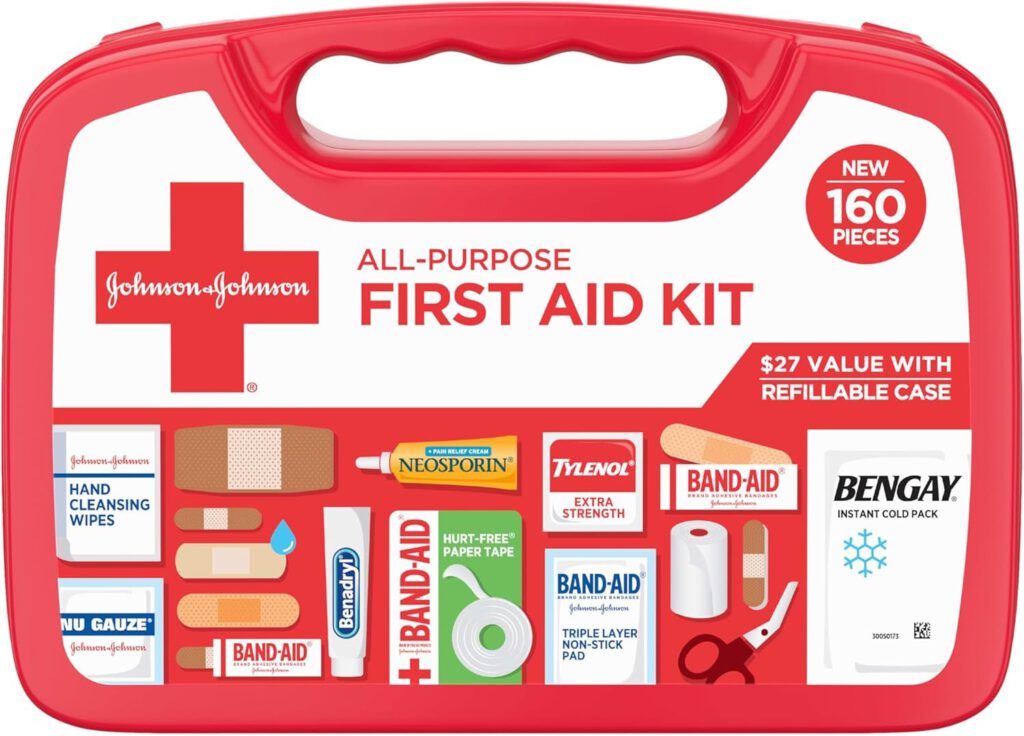
Basic wound care and emergency medical supplies handle most mishaps.
Pre-made first aid kits handle most bumps and scrapes that come with emergency situations. Stock bandages for cuts, antiseptics to prevent infection, scissors for clean cutting, and tweezers for splinter removal. Include personal medications and a comprehensive manual.
Think of it as having WebMD without the terrifying self-diagnosis rabbit holes. Quality matters here—cheap supplies fail when you need them most.
8. Flashlight and extra batteries
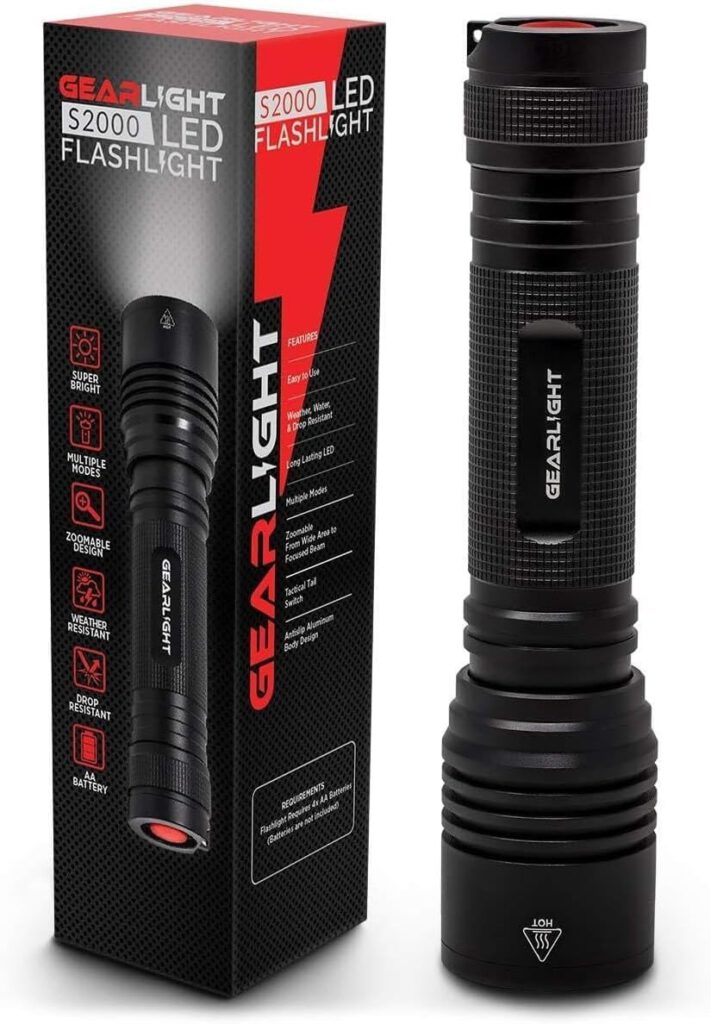
Multiple light sources prevent dangerous falls during power outages.
Power grids ghost us more frequently than bad Tinder dates. Flashlights and extra batteries aren’t cutting-edge, but they prevent face-plants while navigating dark hallways. Having multiple flashlights ensures every family member avoids literal stumbling blocks.
For seniors, adequate lighting transforms minor inconveniences into manageable situations. Stock quality batteries—skimping here is like buying discount parachutes. Cheap batteries die when you need them most.
7. Battery-powered/hand-crank radio
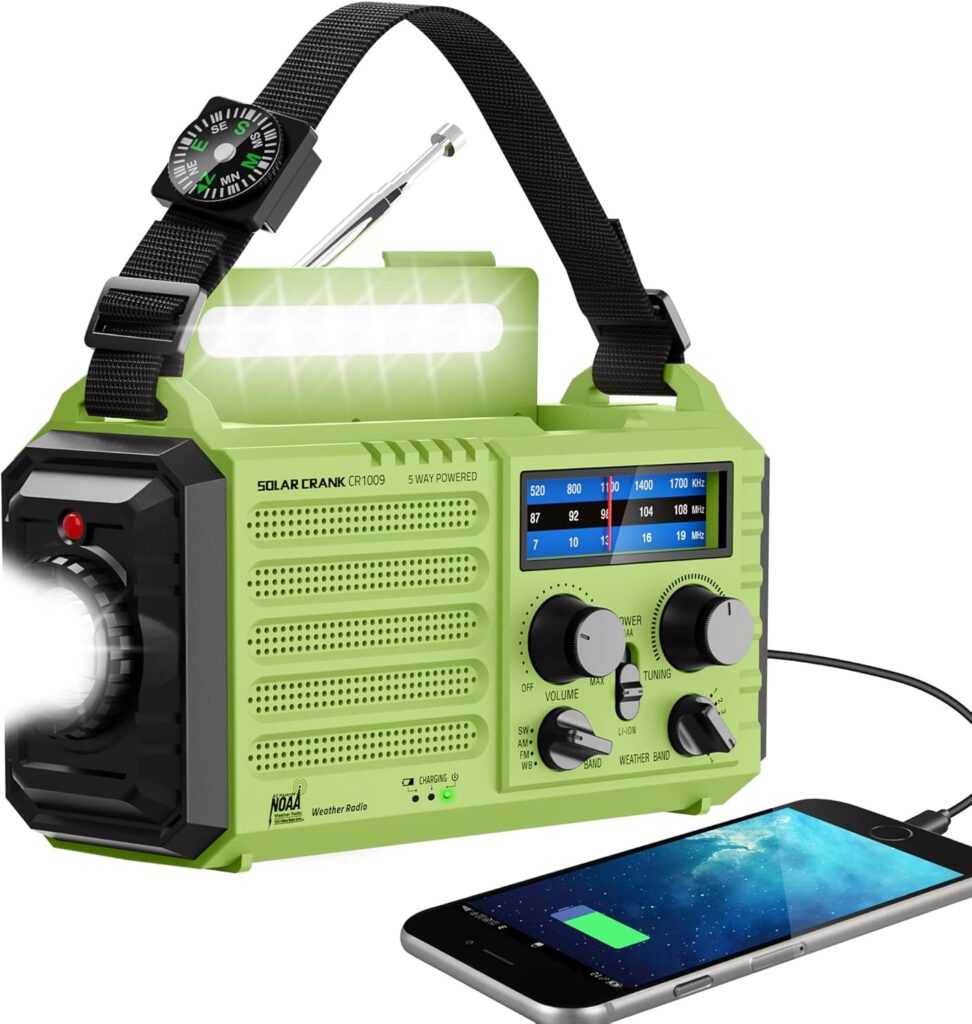
Emergency alerts reach you when power and cell towers fail completely.
When Wi-Fi goes down more often than your uncle’s wedding dance moves, a battery-powered or hand-crank radio becomes essential. These devices receive emergency alerts and evacuation instructions without depending on cellular networks or internet connectivity.
Hand-crank models eliminate the battery hunt entirely. Consider it the original social network—except this one actually saves lives instead of selling your data.
6. Personal hygiene/sanitation

Maintain dignity and prevent illness with basic cleanliness supplies.
Emergency shelters aren’t exactly spa retreats. Stock soap, hand sanitizer, toilet paper, moist wipes, and garbage bags to maintain cleanliness and prevent illness. Incontinence supplies add crucial dignity during stressful situations.
When you’re crammed into spaces smaller than parking spots, basic hygiene supplies help maintain humanity. It’s not about luxury—it’s about health and self-respect.
5. Mobility/durable medical equipment
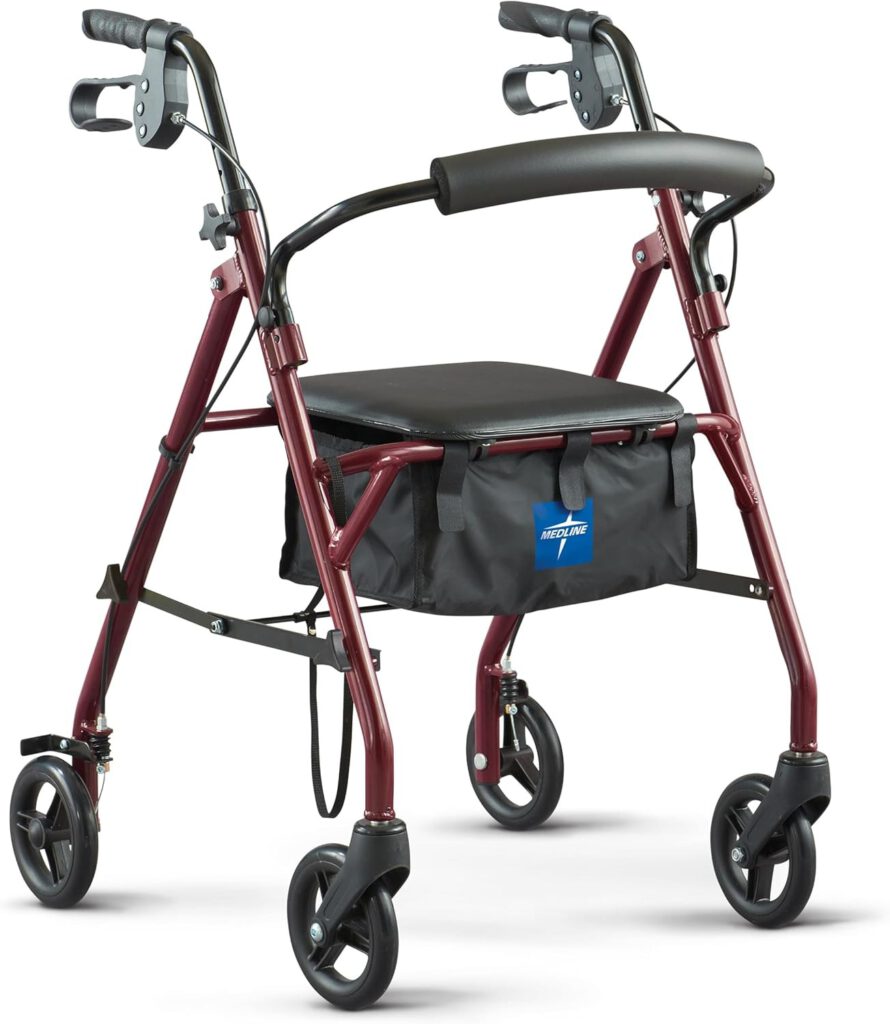
Backup mobility aids and medical devices ensure continued independence.
Roughly 15% of adults live with some form of disability, making mobility equipment potentially life-saving during emergencies. Backup wheelchairs, canes, CPAP machines, and oxygen supplies should be packed as carefully as precious family heirlooms.
Label everything with contact information. Think of it as tech support for your body—a little preparation prevents total disaster when mobility challenges meet emergency situations.
4. Clothing/blankets

Weather-appropriate layers protect against exposure and hypothermia.
Emergency clothing serves as your first defense against the elements, like a firewall for your body. Pack weather-appropriate changes of clothes, sturdy shoes, warm layers, and sleeping bags. Hypothermia isn’t a social media trend anyone wants to star in.
Quality matters more than fashion here. Focus on warmth, durability, and comfort rather than style points.
3. Important documents
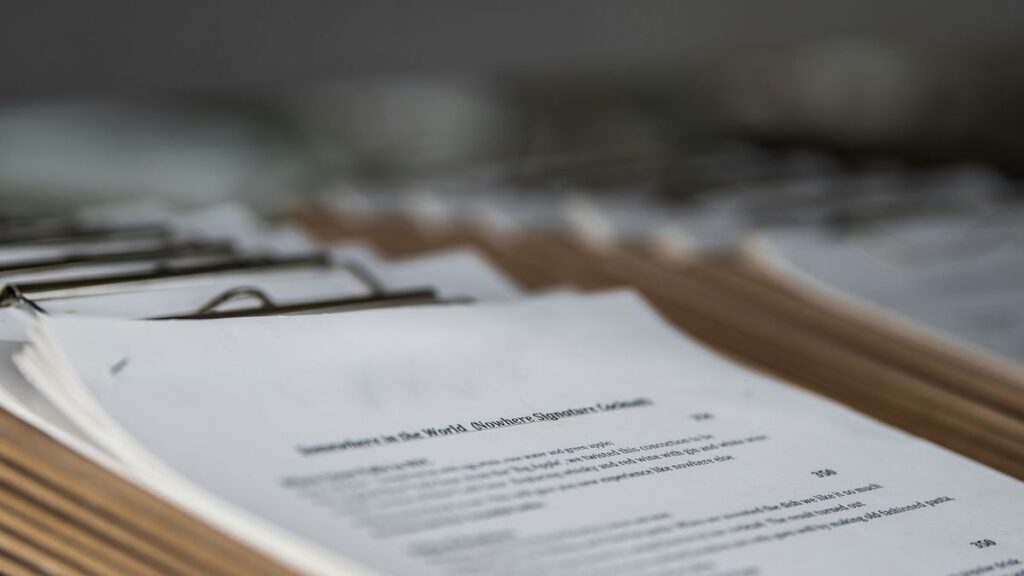
Waterproof copies of vital records enable access to assistance and services.
Scrambling for paperwork while alarms ring is nobody’s idea of fun. Vital records become lifelines when seniors need proof of identity for emergency assistance. No identification means no help from official channels.
Photocopy identification, insurance cards, medication lists, emergency contacts, and power of attorney documents. Store waterproof copies in resealable bags or waterproof containers. Preparation isn’t paranoia—it’s power.
2. Multi-tools/whistle/maps
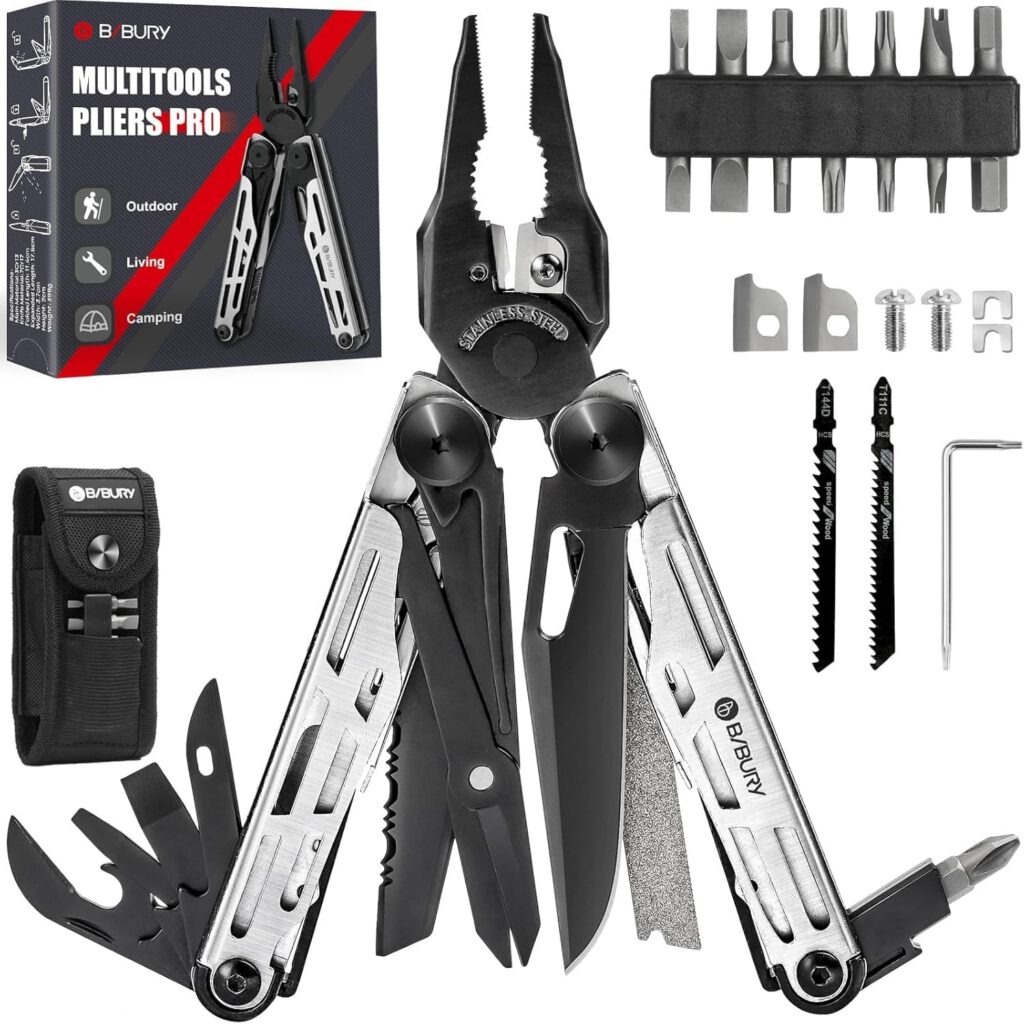
Basic repair tools and signaling devices provide self-reliance capabilities.
Multi-tools transform into lifelines during unexpected situations, offering everything from basic repairs to critical signaling capabilities. Pair them with a 120-decibel whistle for attracting attention and detailed maps for navigation when GPS fails.
Quality compasses and waterproof maps with actual landmarks beat relying on dying smartphones. These tools provide navigation, emergency signaling, and repair capabilities—proving old-school tech sometimes beats digital solutions.
1. Communication aids
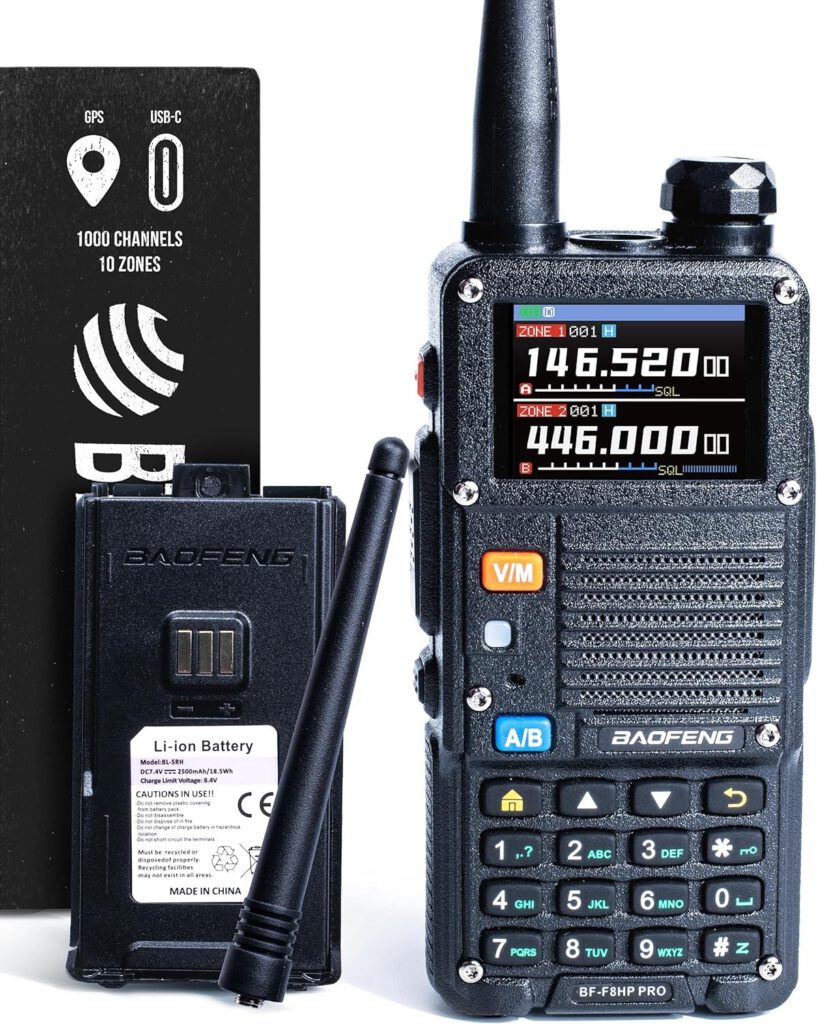
Phone chargers and contact lists maintain connections when technology fails.
Dead phone batteries can turn minor emergencies into major disasters. Pack fully charged phones, portable chargers, and power banks for mobile charging. Keep waterproof emergency contact lists as backup when digital systems fail.
Establish check-in plans with family or caregivers to maintain regular communication. Connectivity keeps everyone grounded and ensures that even during chaos, you’re never truly alone. Digital natives might consider written lists redundant, but technology fails—paper doesn’t.