Your seatbelt cuts fatal crash risk in half when properly worn, but loose or twisted belts kill thousands who think they’re protected.
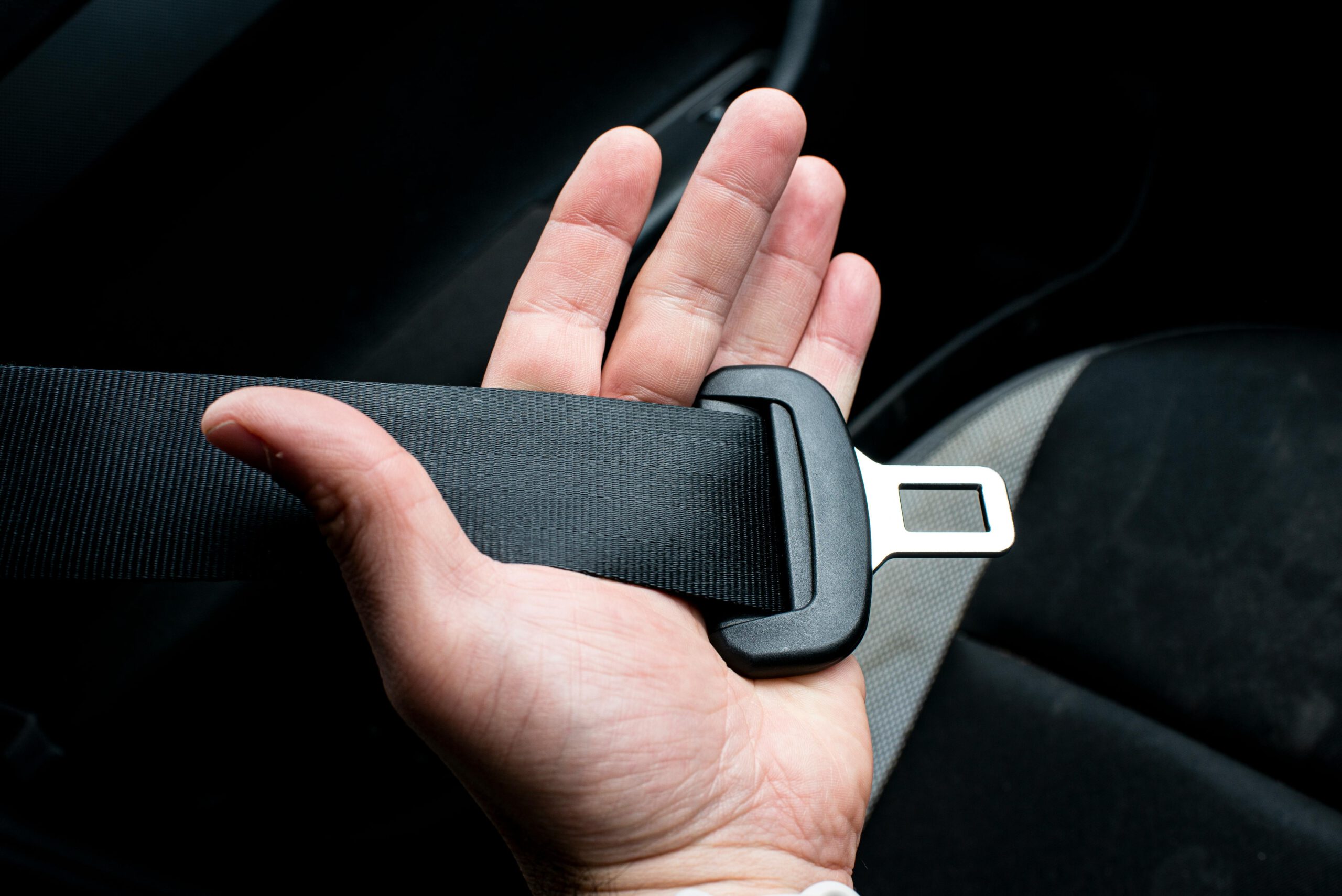
Dead doesn’t care if you clicked the buckle. Your seatbelt reduces fatal injury risk by 45-56% when properly positioned and tensioned, according to NHTSA data. But here’s the part that’ll make you check your belt tomorrow morning: thousands of “buckled” drivers die annually because their restraints were loose, twisted, or routed incorrectly.
You think you’re protected, but submarining under a slack belt kills just as effectively as no belt at all.
The Brutal Math of Protection
Nearly half of crash fatalities involve unrestrained occupants despite decades of safety campaigns.
The numbers tell a stark story. In 2023, almost 50% of the 11,800 people killed in passenger vehicles weren’t wearing seatbelts at all. NHTSA estimates those restraints saved 14,955 lives that year—and could have saved 2,549 more with universal proper use.
That gap between “buckled” and “properly buckled” represents the difference between walking away and becoming a statistic. Your morning commute just became a lot more serious.
When “Safe” Becomes Deadly
Improper belt positioning creates the illusion of protection while maintaining lethal crash forces.
Twisted straps and loose fits aren’t just uncomfortable—they’re killers disguised as safety equipment. When your belt lacks proper tension, crash forces send you sliding underneath the lap portion in a phenomenon called submarining.
The same ejection-like injuries that kill unbelted occupants occur in people who heard that reassuring click. That satisfying snap means nothing if the webbing can’t hold your body against physics. Life-saving devices continue advancing in other areas of emergency medicine.
Your Protection Depends on Crash Type
Seatbelt effectiveness varies dramatically based on impact direction and seating position.
Rollover crashes showcase seatbelts at their most effective, preventing ejections that kill 75% of unrestrained occupants. The 74% fatality reduction in these scenarios feels almost miraculous.
Side impacts tell a different story, with effectiveness dropping to 10-39% depending on the crash. Rear passengers get even less protection—just 25% fatal injury reduction compared to front seats.
Your belt works hardest when physics tries to throw you from the vehicle.
Modern cars integrate seatbelt pretensioners and load limiters with airbag systems, but the foundation remains unchanged: proper positioning across your chest and hips determines whether you survive the worst day of your driving life. Beyond safety features, understanding DIY car fixes helps maintain your vehicle’s protective systems.