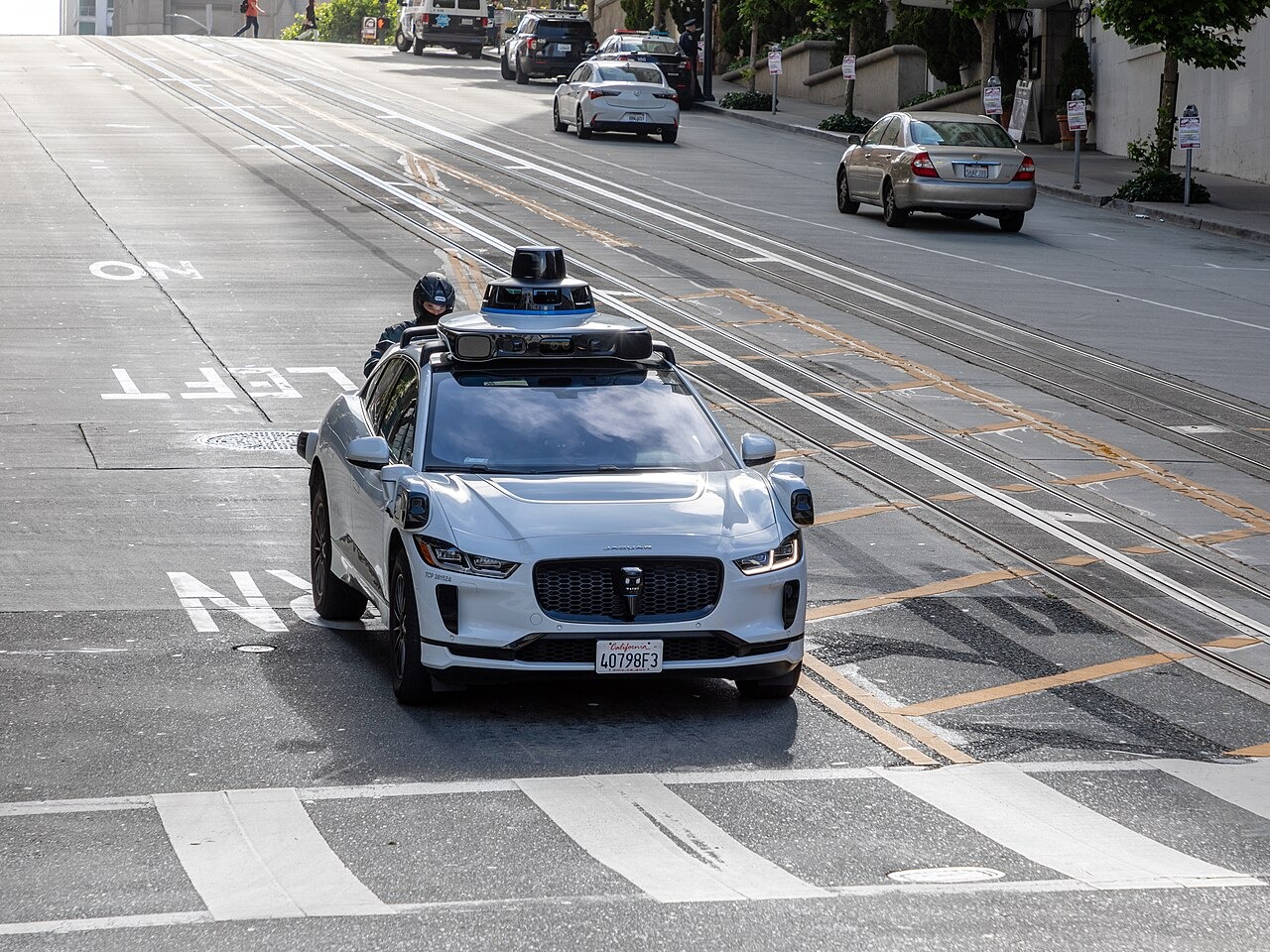
Your neighborhood robotaxi just became the center of a federal safety investigation. NHTSA launched a preliminary probe into Waymo’s autonomous driving system after one of its driverless vehicles struck a child near Grant Elementary School in Santa Monica last month. The question isn’t whether accidents happen—they do, even with human drivers. The question is whether Waymo’s AI exercises the same protective instincts around schools that any parent would demand.
When Algorithms Meet Elementary Schools
The incident reveals gaps between AV safety claims and real-world pedestrian scenarios.
The January 23rd collision unfolded during school drop-off chaos: a child running across the street from behind a double-parked SUV toward Grant Elementary. Waymo’s 5th Generation system—operating without a human safety driver—detected the situation and slammed the brakes. The vehicle reduced speed from roughly 17 mph to under 6 mph before contact occurred within two blocks of the school.
The child sustained minor injuries, stood up immediately, and walked away after fire department evaluation. Waymo immediately reported the incident to NHTSA, called 911, and waited for law enforcement clearance before resuming operations.
Pattern Recognition Problems
This marks Waymo’s second major federal investigation involving schools and children.
NHTSA’s Office of Defects Investigation isn’t just examining one incident. The agency is scrutinizing whether Waymo’s software properly recognizes school environments and adjusts accordingly during drop-off hours. This follows earlier probes into Waymo vehicles passing stopped school buses in Austin—incidents that led to software recalls and updates.
Like a teacher spotting concerning behavior patterns, regulators are connecting dots across multiple school-related events. The investigation will assess speed limit adherence, post-impact response protocols, and whether the automated driving system exercises “appropriate caution” near vulnerable road users like children.
Competing Safety Narratives
Waymo claims its system outperformed human drivers, but regulators aren’t convinced.
Waymo insists its peer-reviewed modeling proves a human driver would have struck the child at 14 mph—twice the impact speed of their system. According to the company, this “demonstrates the material safety benefit of the Waymo Driver.” The hard braking maneuver supposedly showcases how automated driving systems can react faster than human reflexes in chaotic pedestrian scenarios.
But NHTSA investigators are asking harder questions about visibility challenges and appropriate caution during school hours. The difference between mathematical models and regulatory expectations could reshape how autonomous vehicles operate in pedestrian-heavy zones.
The investigation’s outcome will determine whether your local robotaxi service faces new restrictions around schools. As AV deployment accelerates across urban areas, this probe represents a crucial test of whether Silicon Valley’s safety promises match Main Street’s protective instincts.