When the US Supreme Court struck down the Trump administration’s sweeping “liberation day” import tariffs as unlawful, it triggered one of the largest refund events in recent trade history: roughly $166 billion returned to some 300,000 importers, per Forbes. Nintendo of America was among them, having sued the US Department of the Treasury in the Court of International Trade for a “prompt refund, with interest.” If you suspect you’ve been paying too much for hardware during this period, you’re not alone.
Nintendo collected.
Where the $300 Million Came From
A windfall of this size deserves more than a footnote in a quarterly earnings report.
The company booked approximately $300 million as a reduction in cost of sales in its FY27 Q1 financial results, reported August 6, 2026, helping drive a 151% jump in operating profit, according to Reuters. Nintendo’s own financial materials state the tariffs tied to those refunds were “primarily borne by the company” rather than passed on to consumers through product prices.
That framing deserves scrutiny. Nintendo raised prices on Switch hardware and Switch 2 peripherals in August 2025, officially citing “market conditions.” Litigation documents connect the move directly to tariff-driven import costs.
The Switch 2’s current $500 price has two separate drivers worth keeping straight. One is the now-refunded tariff burden. The other is a global RAM shortage fueled by AI data center demand, a supply crunch that analysts have called the “RAMpocalypse,” which continues to push component costs higher regardless of trade policy.
What “Appreciation” Actually Costs You
A class-action lawsuit and a two-week sale are not the same thing, and Nintendo is counting on you not to notice the difference.
A class-action filed by US gamers argues unjust enrichment: Nintendo was paid once by customers at inflated prices, then paid again by the government via refund, and should share the second check. Nintendo responded by asking the court to dismiss the case.
In legal filings, Nintendo argued that consumers “received exactly what they bargained and paid for” and are “not entitled” to tariff-related refunds, according to Forbes. That position is legally coherent under traditional contract principles, even if it strains the basic standard of fairness.
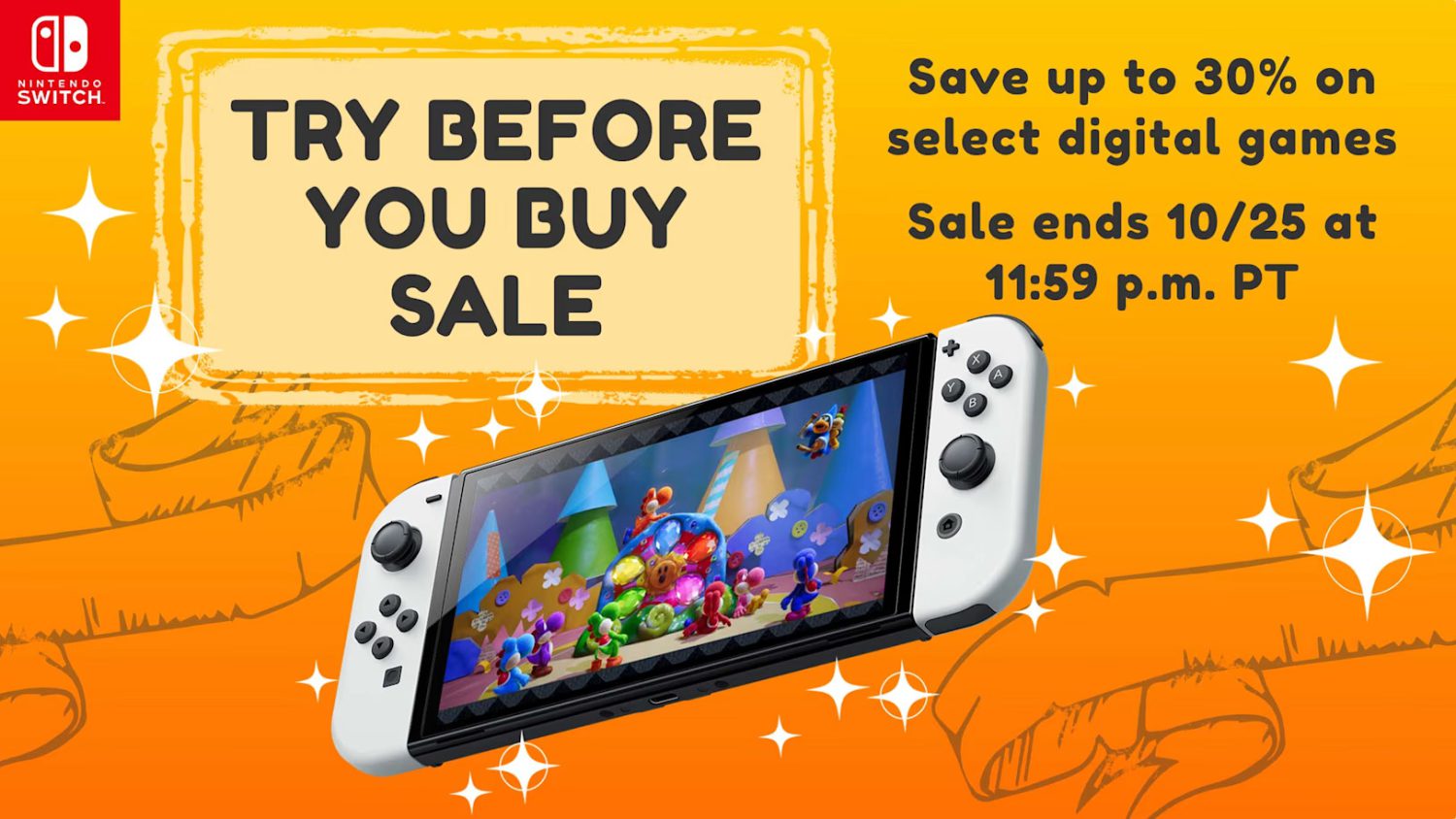
Nintendo’s official sale announcement frames the promotion this way: “The Customer Appreciation Sale is our way of saying thank you to Nintendo players for their continued support and is made possible in part by tariff-related refunds. While Nintendo absorbed most tariff-related costs, the refunds helped make promotions like this one possible.”
Per TechTimes, no US court has yet ruled on whether consumers can pursue unjust enrichment claims when a seller passed a tariff through as a price increase and later collected a government refund on that same tariff. The specific question of whether buyers in that situation are owed anything remains legally unsettled.
The sale excludes a price cut on the Switch 2 console. There is no cash rebate and no credit for customers who paid elevated hardware prices during the tariff period. What is on offer runs September 13 through September 26: digital video games and bundles at 30% off, plus select physical titles, DLC, accessories, amiibo, and apparel across the eShop, Nintendo Store, and participating retailers.
An Industry Problem, Not Just a Nintendo Problem
Sony and Microsoft have drawn the same line, which makes this a sector-wide standard worth challenging.
Sony and Microsoft have taken identical positions on tariff refunds, per GamesRadar. That shared stance makes this a gaming industry norm rather than a Nintendo-specific failure. The norm is still worth naming clearly.
A genuinely consumer-forward response had real options: a temporary hardware price reduction, store credit for verified purchasers from the tariff period, or at minimum a transparent public accounting of how the windfall was allocated. A time-limited software sale that requires you to spend more money is the thinnest possible version of giving something back.
If courts ultimately side with Nintendo, companies across every sector receive a clear signal that tariff windfalls belong to shareholders. How loudly affected customers respond to that outcome may carry more weight than any lawsuit.