Getting into cycling in 2026 doesn’t require emptying your bank account, despite what those flashy ads might suggest. You can assemble a solid kit that keeps you safe, your bike happy, and your rides genuinely fun without breaking the bank. We’ve cut through the marketing fluff to pinpoint gear that actually matters—stuff you’ll use daily and that offers real value. This is about building a smart foundation for any new cyclist, complete with affordable essentials that’ll have you rolling like a seasoned pro.
This content may contain affiliate links. If you wish to support us and use these links to buy something, we may earn a commission.
15. Patch kit for inner tubes
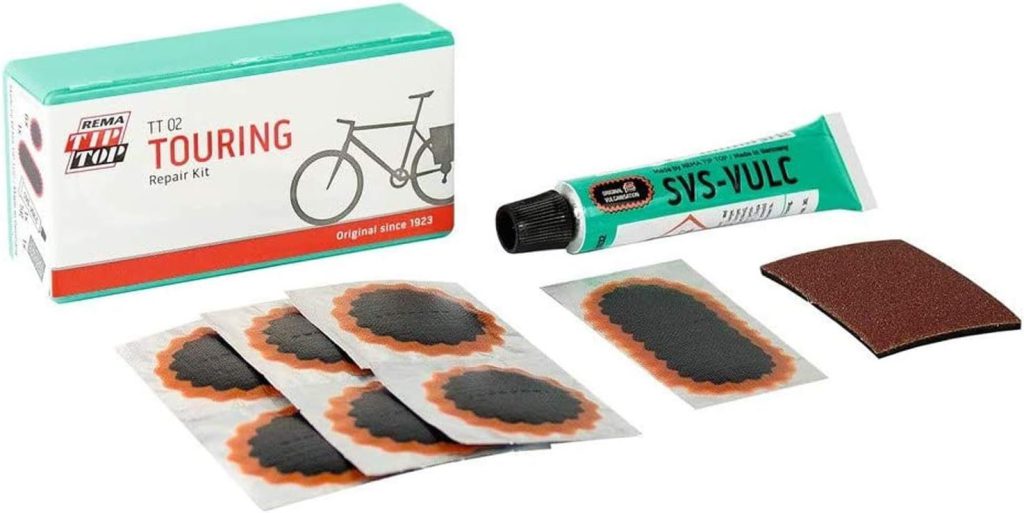
Your tire’s emergency room in a tiny package.
Traditional vulcanizing patch kits use rubber cement and patches requiring brief curing time for permanent bonds. Self-adhesive patches offer quick fixes, though they’re often considered temporary solutions compared to vulcanizing patches. Many compact kits also include a tire boot—crucial for reinforcing large tire cuts that could otherwise cause dangerous tube bulging.
These kits are extremely lightweight and inexpensive, ensuring you can get back rolling without financial pain. Anyone who’s heard that tell-tale hiss miles from home knows a flat tire can turn a great ride into a long walk.
14. Multi-tool with integrated chain tool
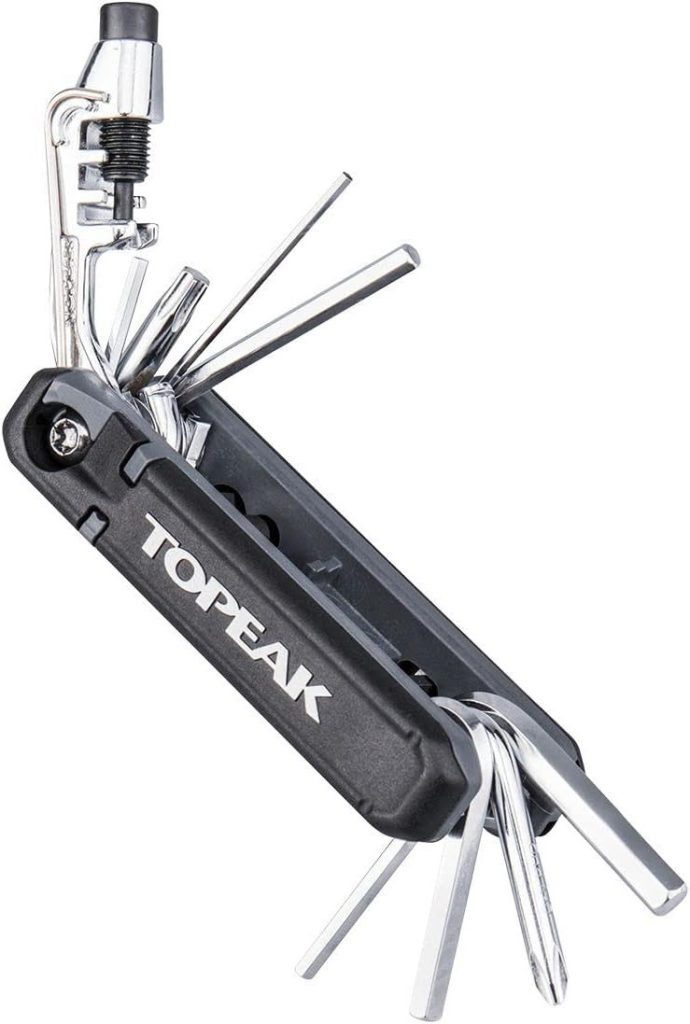
Your bike’s Swiss Army knife for roadside heroics.
Think of it as packing hex keys (2–8 mm), Torx bits (like T25 for brake rotors), and screwdrivers into one foldable gadget. But the real MVP? An integrated chain tool that lets you push out pins to remove damaged links or install replacements—a lifesaver when your chain snaps.
Many compact chain tools work for 8–11-speed chains. If you’re rocking 12- or 13-speed setups, double-check compatibility because narrower chains require more precise tools. These handle those “uh-oh” moments perfectly, whether it’s a rattling bottle cage or slipping seatpost.
13. Quick link / master link
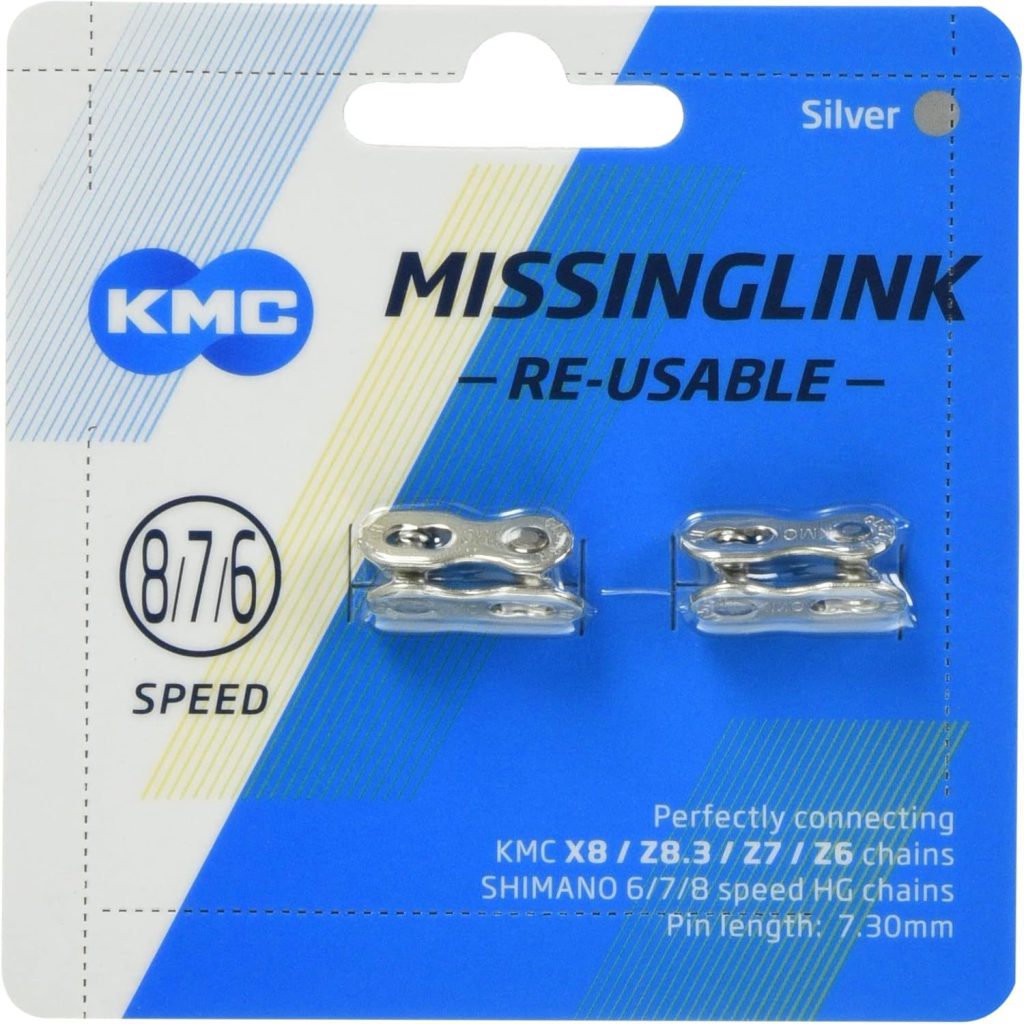
The tiny superhero that saves broken chains.
A quick link replaces standard chain links, letting you split and rejoin chains without chain tools in many cases. Match the link to your chain’s speed—8-, 11-, or 12-speed setups vary by brand like artisanal coffee blends. Shimano, SRAM, and KMC each have their own flavors, with some rated single-use while others are reusable.
Tossing a spare quick link into your saddlebag costs less than fancy coffee but transforms potentially ride-ending disasters into minor pit stops. It’s the ultimate low-stakes gamble that pays off big.
12. Spare inner tube
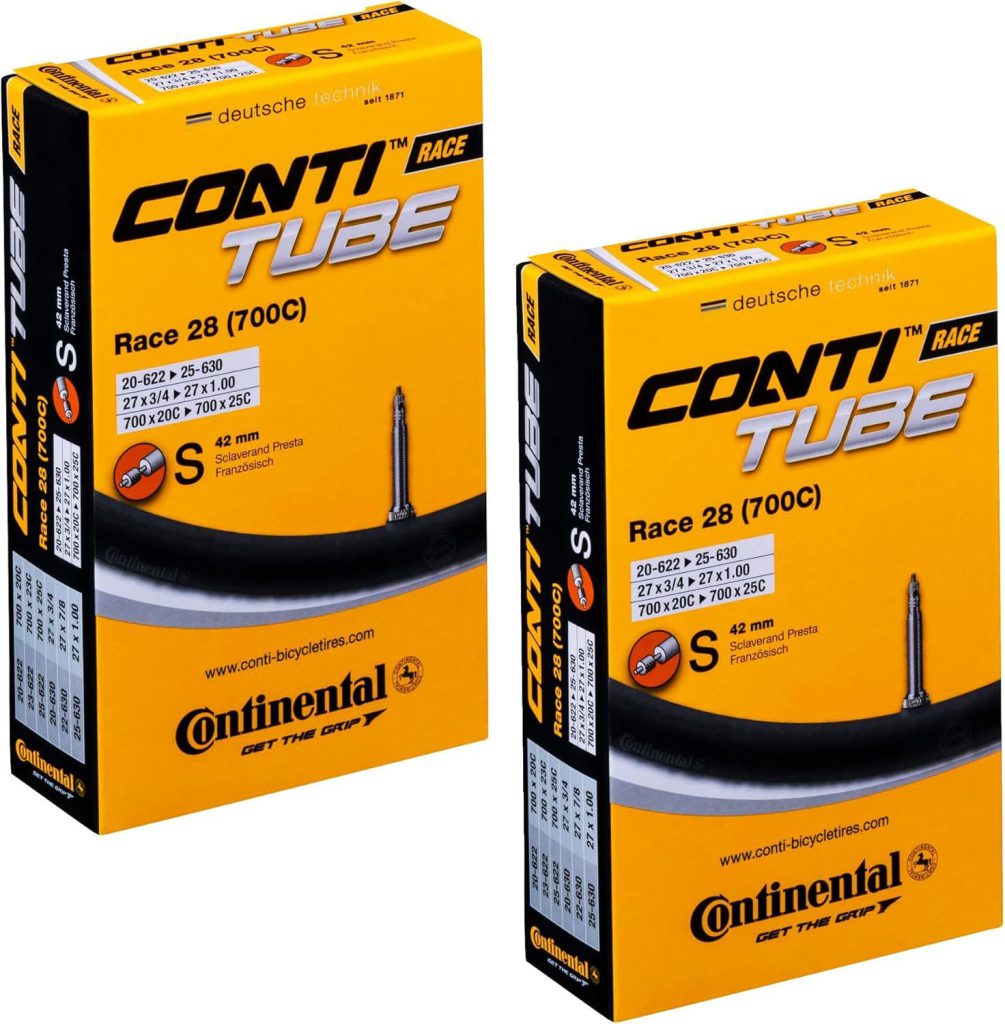
The cycling equivalent of backup Wi-Fi.
Carrying spare tubes is non-negotiable, like packing your phone before leaving home. Butyl tubes are reliable workhorses—cheap, tough, and compatible with typical patch kits. TPU tubes pack incredibly small but need special patches and precise sizing. Latex tubes offer smoother rides with less rolling resistance but require frequent inflation.
Match tubes to your wheel diameter, tire width, and valve type. Presta valves are narrow and found on performance bikes, while Schrader valves are chunky automotive-style. Getting valve types wrong is like wearing mismatched shoes to interviews.
11. Mini pump and floor pump

Tire pressure heroes working different shifts.
Mini pumps strap to frames or fit in bags for roadside inflation emergencies. These compact units often lack precise gauges, so you’re inflating by feel, but they’ll get you rolling again with some grunt work.
Floor pumps are the serious rider’s choice—stable bases, long hoses, and built-in pressure gauges for hitting exact tire pressures. Most handle both Presta and Schrader valves, ensuring you’re covered whether you’re rocking narrow roadie style or chunky mountain bike valves.
10. Chain lube
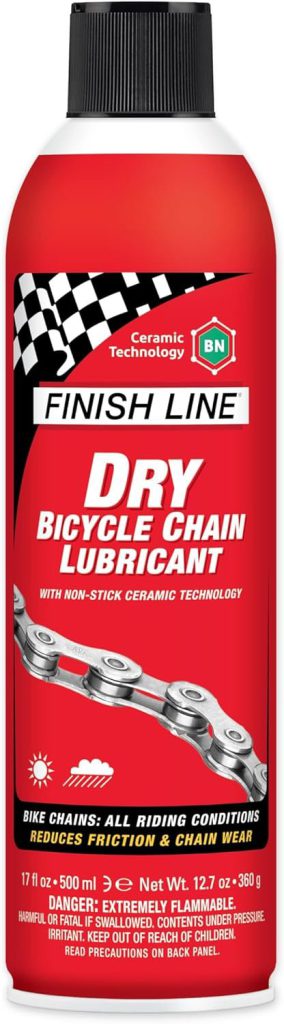
Spa treatment for your drivetrain.
Regular lubrication reduces friction between chains, cassettes, and chainrings, improving efficiency and reducing wear. All-conditions oil-based lubes tackle everything from rain to mud, offering serious protection against water and corrosion despite attracting more dirt than dry lubes.
Apply small drops to each chain roller and wipe excess. Over-lubing attracts grit and accelerates drivetrain wear—combining periodic cleaning with correct lube choice extends component life significantly.
9. Front and rear bike lights
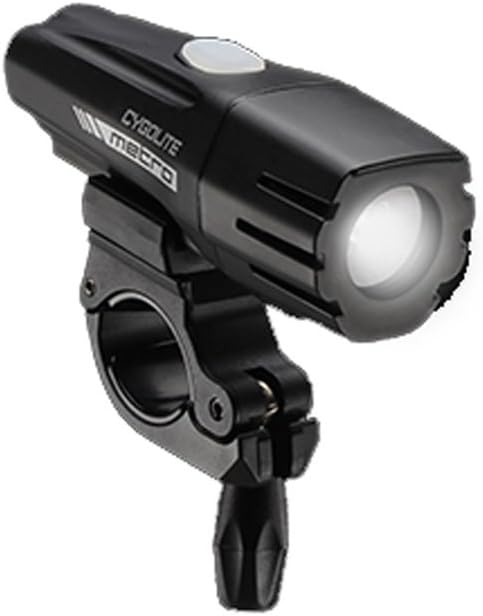
Your 24/7 visibility insurance policy.
Front and rear lights aren’t just nighttime gear—they’re recommended for low-light and daytime conditions to increase visibility to drivers. USB-rechargeable units eliminate disposable batteries, while IPX4–IPX5 water resistance handles road spray and sudden downpours.
Basic units with flashing modes and wide visibility patterns work exceptionally well. Higher-end radar-equipped rear lights integrate vehicle detection technology, but affordable options with elastic band mounts provide crucial safety.
8. Sport-specific cycling glasses
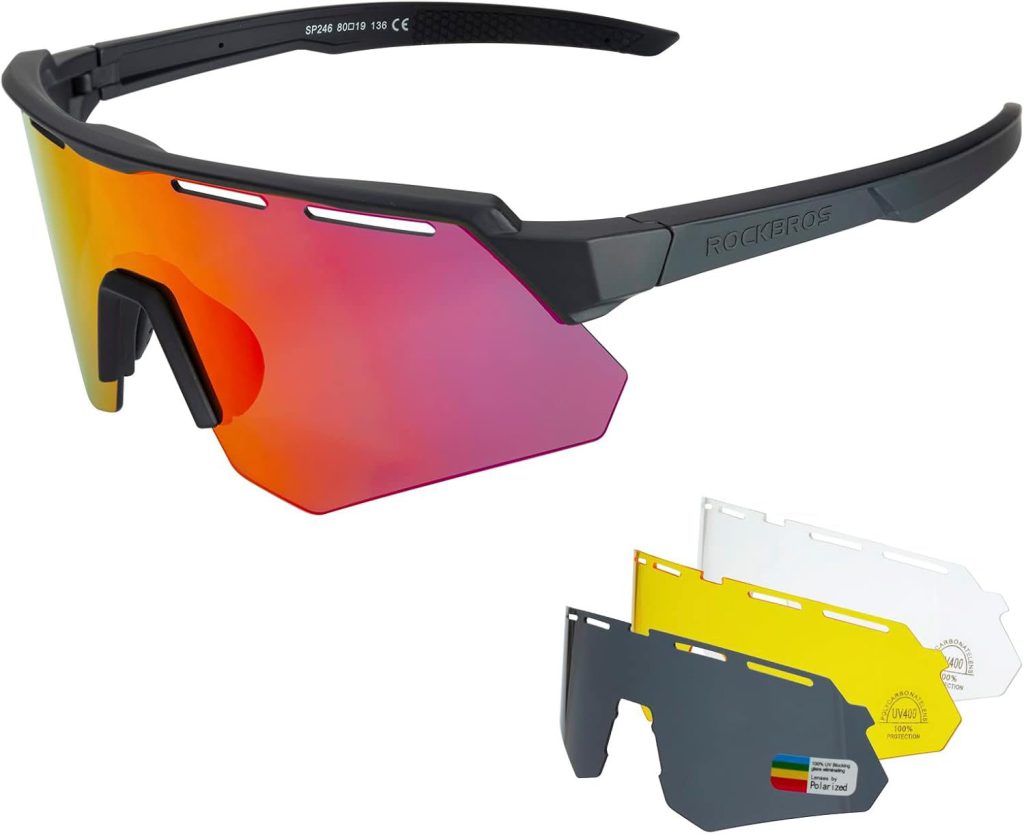
Personal windshields for your eyeballs.
Even budget cycling glasses typically provide UV400 protection, blocking 99–100% of UVA/UVB rays. Sport-specific wraparound designs shield from airflow and particles entering from sides, improving comfort at speed.
Choose impact-resistant polycarbonate lenses designed to resist shattering into sharp fragments during crashes. Many offer interchangeable lenses for varying light conditions, making them versatile safety investments.
7. Bike helmet
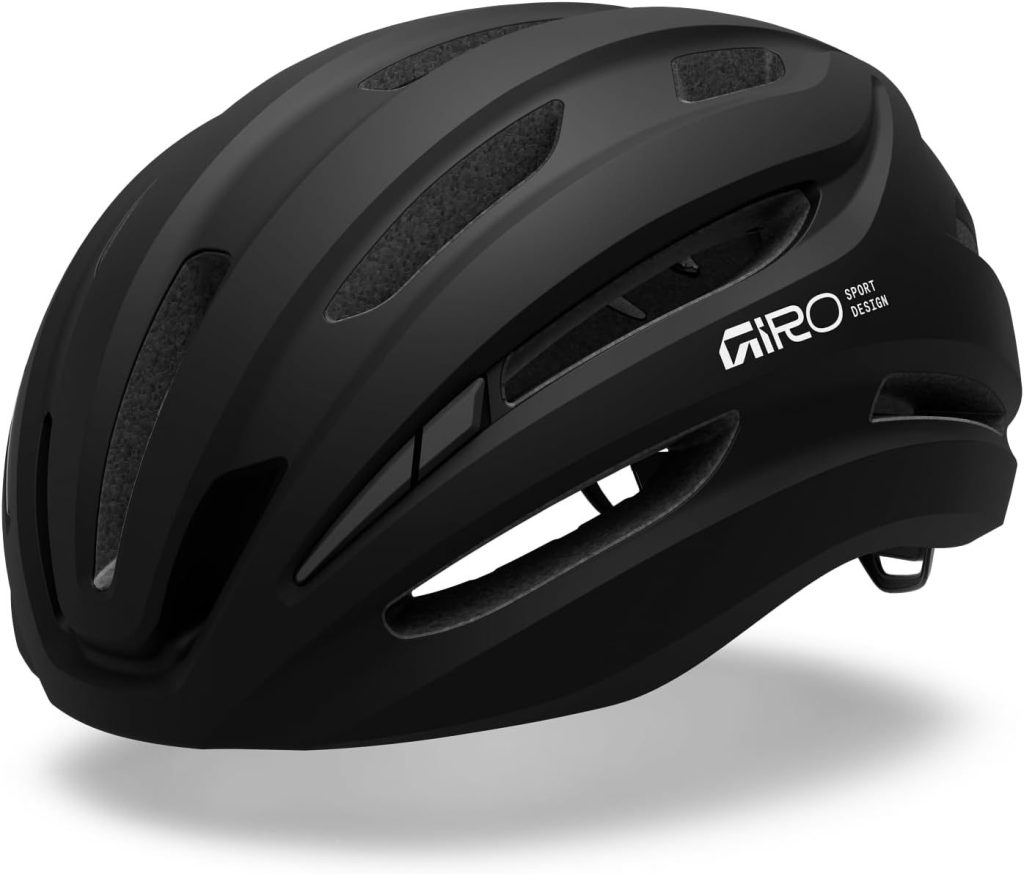
Primary protection that doesn’t break budgets.
The Specialized Align II MIPS scores highly in Virginia Tech’s independent testing among hundreds of helmets, proving safety doesn’t require premium prices. This budget-friendly helmet includes MIPS low-friction liners designed to reduce rotational acceleration during angled impacts.
Modern helmets use EPS foam liners and polycarbonate shells meeting regional safety standards like CPSC or EN 1078. UV exposure and wear degrade materials over time—replace after significant impacts or several years of use.
6. Torque wrench for bicycles
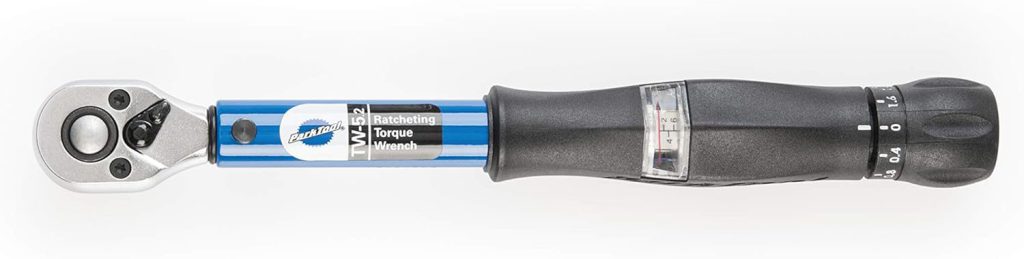
Preventing expensive “oops” moments.
Bicycle-specific torque wrenches allow precise tightening to specified torque, preventing thread stripping or component crushing. Compact models typically cover 3–12 Nm ranges, perfect for delicate cockpit components like stems, seatposts, and handlebars.
These wrenches often include hex and Torx bits with distinct “clicks” when hitting correct torque. For heavily torqued fittings like bottom brackets pushing 30–50+ Nm, larger shop-grade wrenches work better than portable models.
5. Cycling shorts with chamois
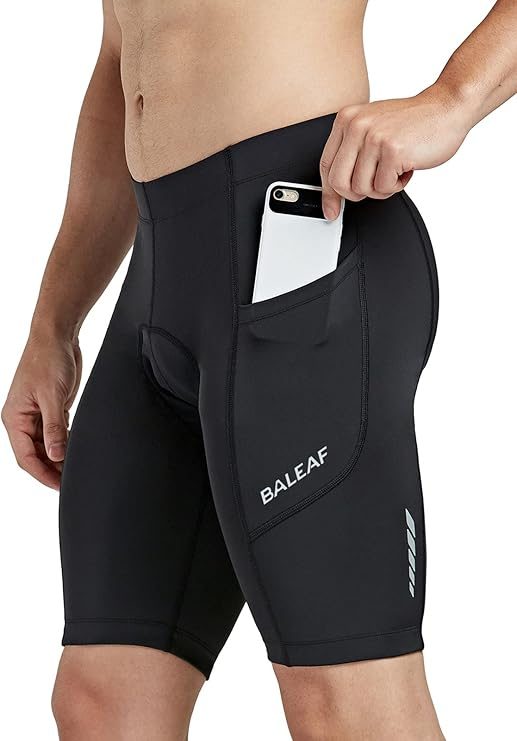
High-performance comfort for your backside.
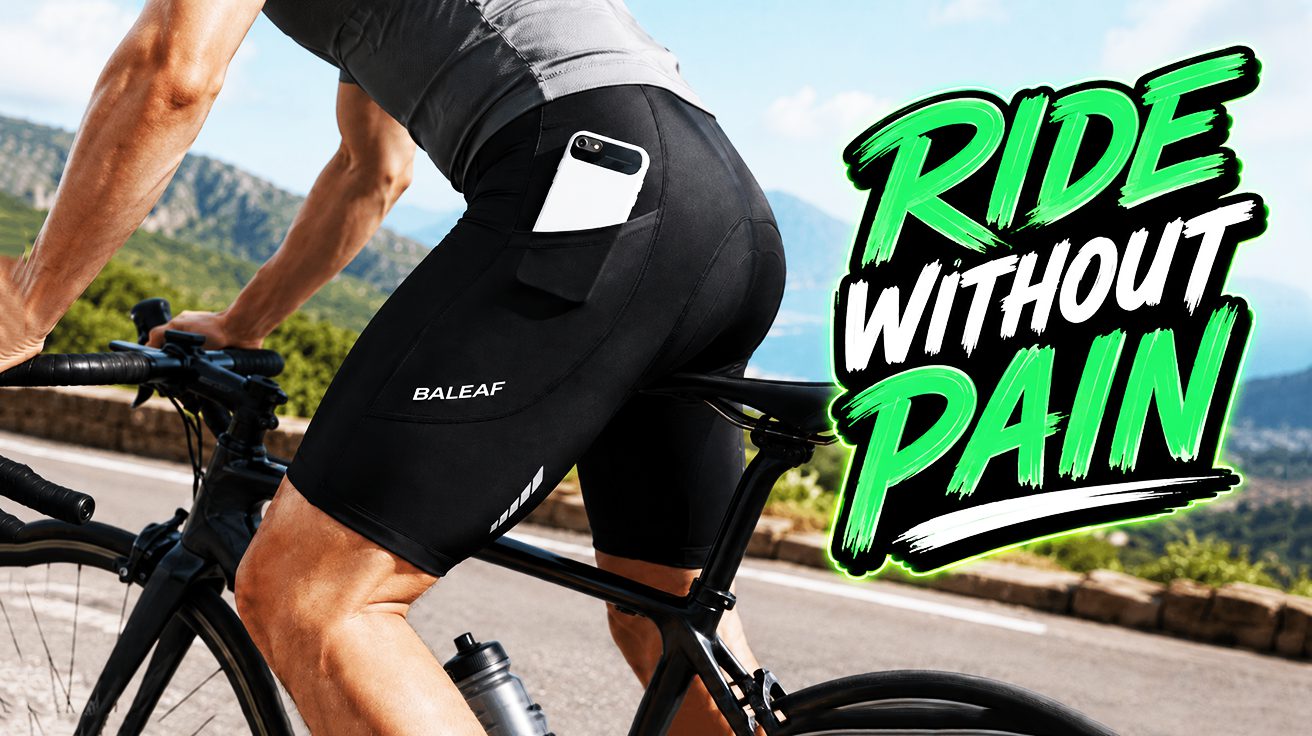
Integrated chamois use multi-density foam or gel pads with soft, seamless fabrics to distribute pressure and wick moisture, reducing friction and preventing saddle sores. Proper fit is intentionally tight so pads stay fixed against bodies—loose shorts increase rubbing.
Modern synthetic pads rarely need chamois cream, unlike historical leather inserts. Think of quality shorts as investing in high-performance athletic garments that pay dividends with every mile.
4. Bike lock
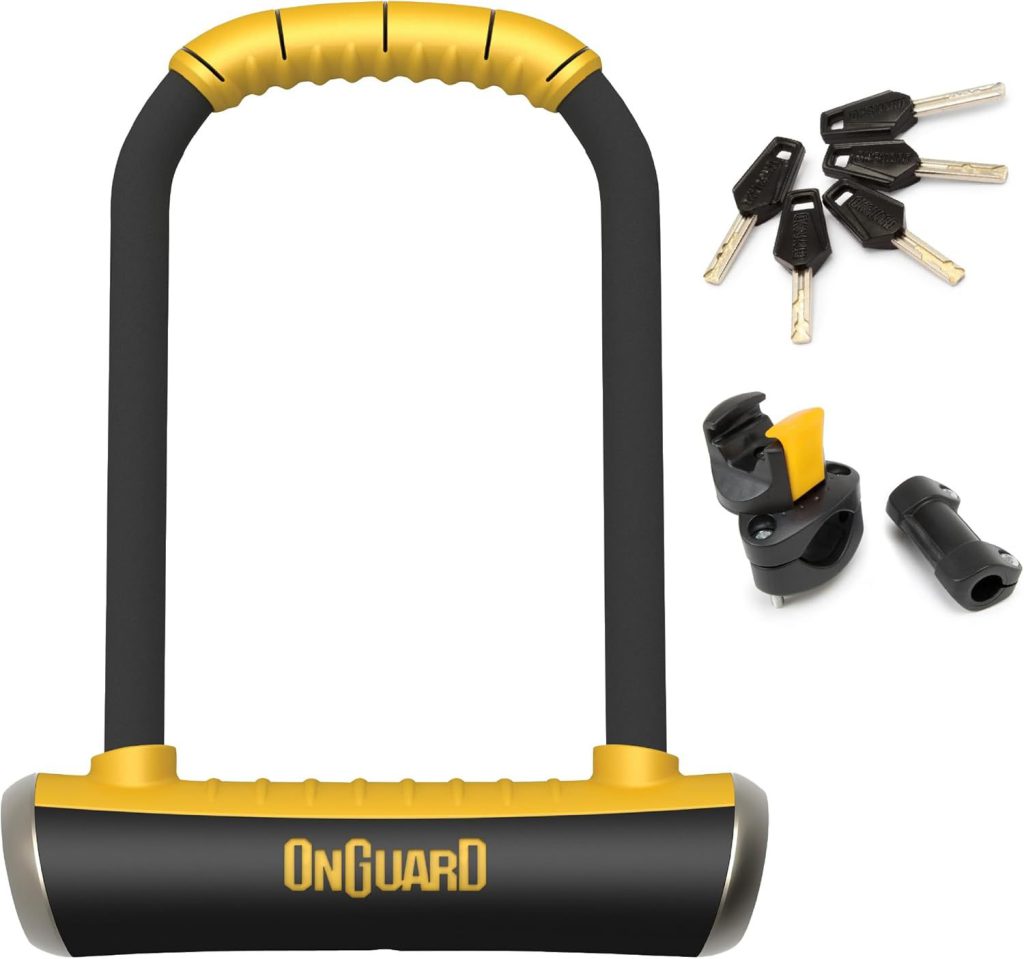
Bulletproof vest for your investment.
U-locks like the OnGuard Pitbull offer high resistance to cutting and prying at relatively low prices, often earning Sold Secure Gold or Diamond ratings. UK-based Sold Secure independently tests locks, grading them Bronze through Diamond based on attack tool resistance.
Lock choice should reflect bike value and risk levels. Using two-lock strategies increases theft deterrence, but proper locking technique—securing frames to fixed objects—remains equally critical for insurance claims.
3. Clipless pedals and shoes
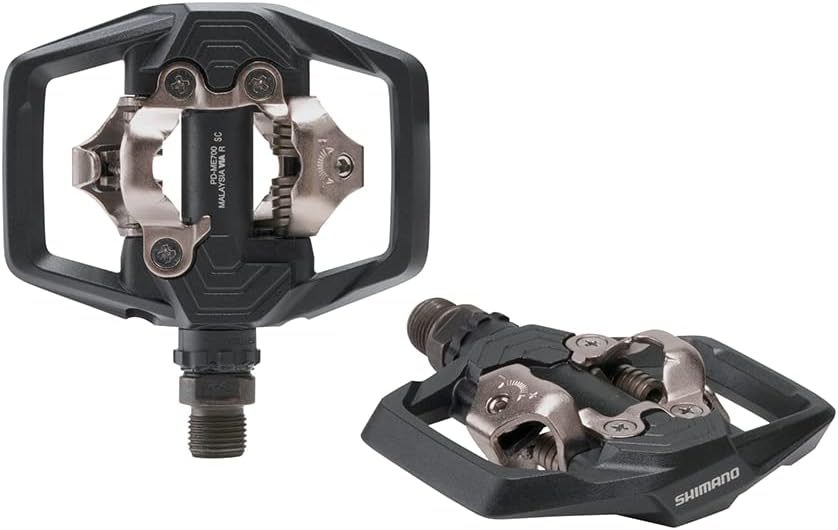
Making you and your bike best friends.
Despite confusing names, “clipless” means no toe clips or straps. Small metal cleats attach to shoes and engage spring-loaded pedal mechanisms for better power transfer and control. Mountain bike SPD systems are beginner-friendly with double-sided pedals and recessed cleats allowing normal walking.
Shimano’s XC shoes pair perfectly with SPD pedals, offering sufficient stiffness for efficient pedaling without ski boot awkwardness. The sensation feels like finally getting WiFi passwords right on first attempts.
2. Saddle
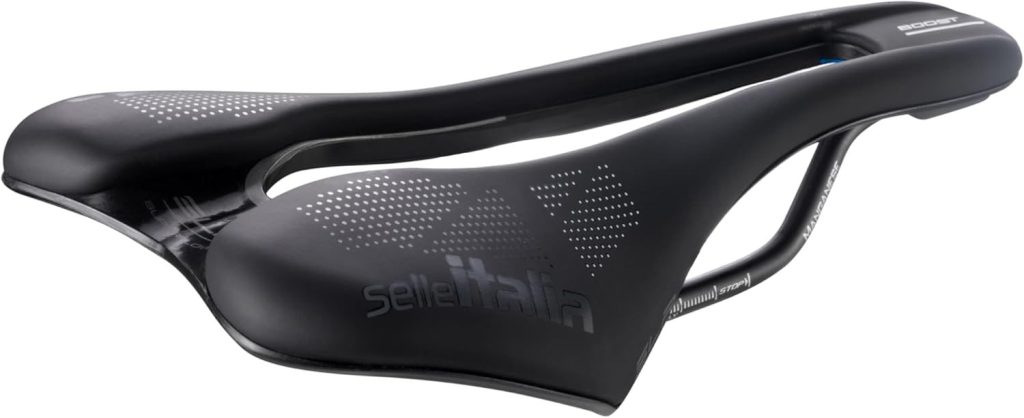
The Holy Grail of cycling comfort.
Saddle choice is highly individual, but pressure-relief cutouts or channels reduce soft tissue pressure, particularly during longer or aggressive rides. Brands like Ergon produce women-specific designs, while models like the Selle Italia SLR Boost use short-nose designs with central cutouts.
Many shops offer saddle demo programs where sit-bone width gets measured and multiple models tested before purchase—essentially test drives for your backside.
1. Saddle bag / top-tube bag
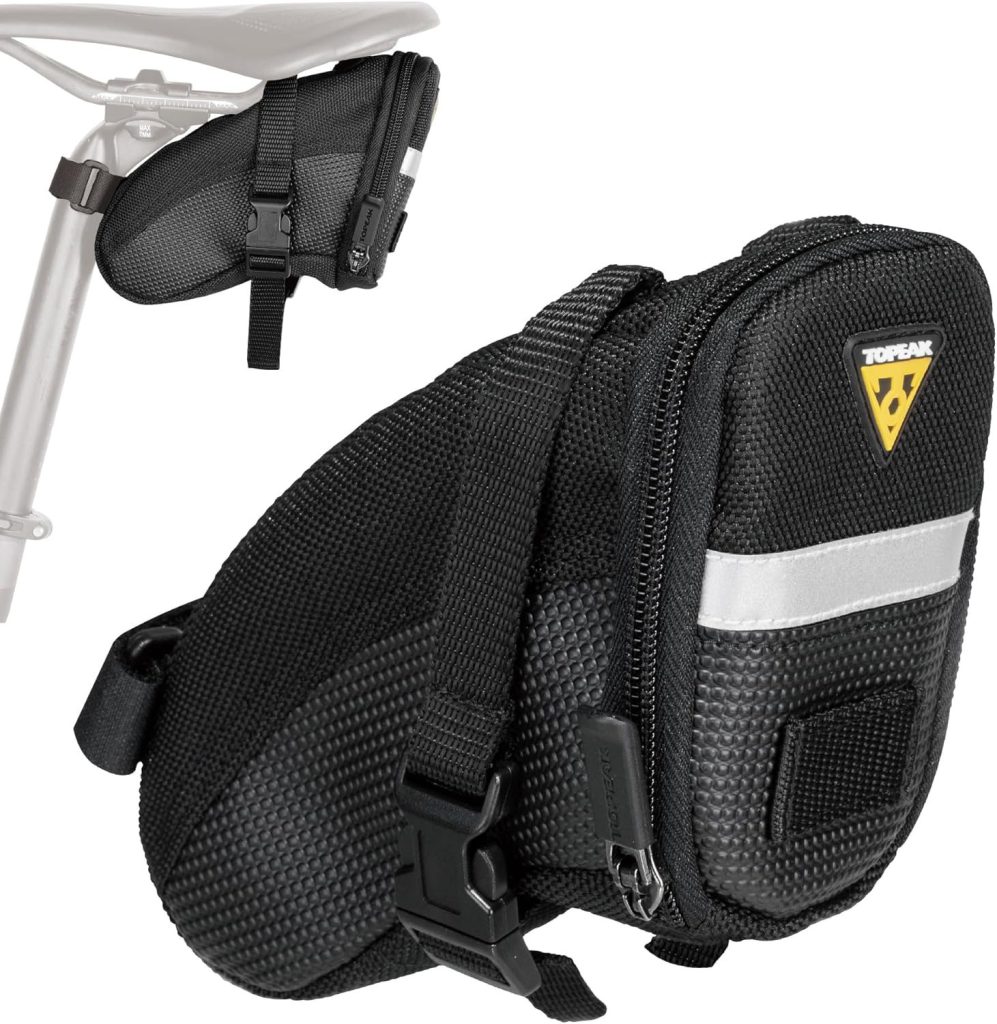
Mobile command centers for ride essentials.
Saddle bags mount beneath saddles in 0.3–1 liter capacities, perfect for tubes, multi-tools, and CO₂ inflators. Many feature water-resistant coatings protecting contents from tire spray during surprise showers.
Top-tube “bento box” bags mount near stems for easy access to snacks or phones while riding. Budget-friendly options from retailers like Decathlon use simple strap or bolt-on mounts fitting most bikes, turning bicycles into surprisingly capable mobile headquarters.