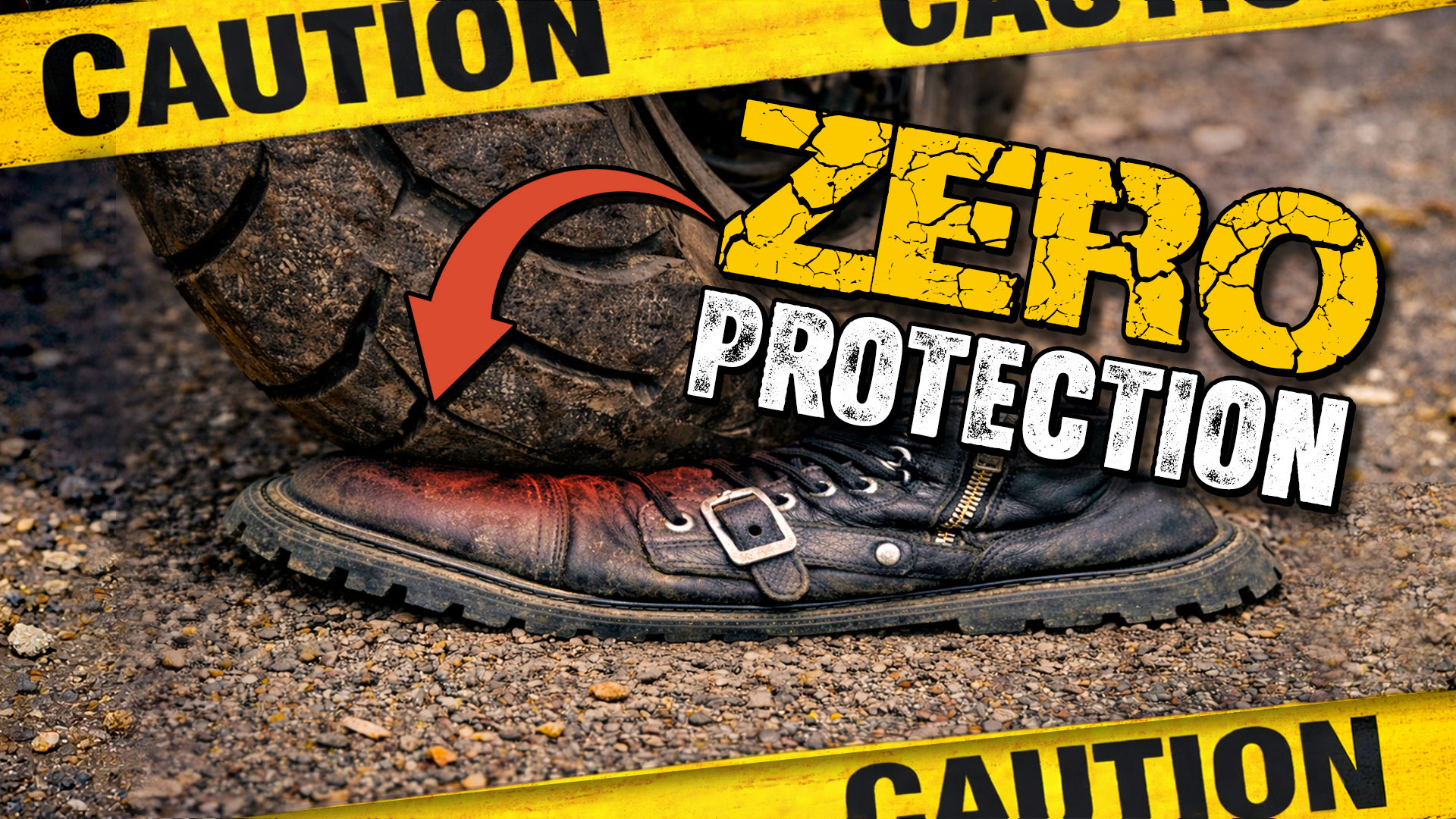
You’re speeding through winding mountain roads, only to wipe out because your boots failed when you needed them most. This isn’t just about looking cool while you Instagram your artisanal tacos—it’s about dodging a trip to the orthopedist and keeping your adventures on track.
10. The Soft Heel Counter Catastrophe
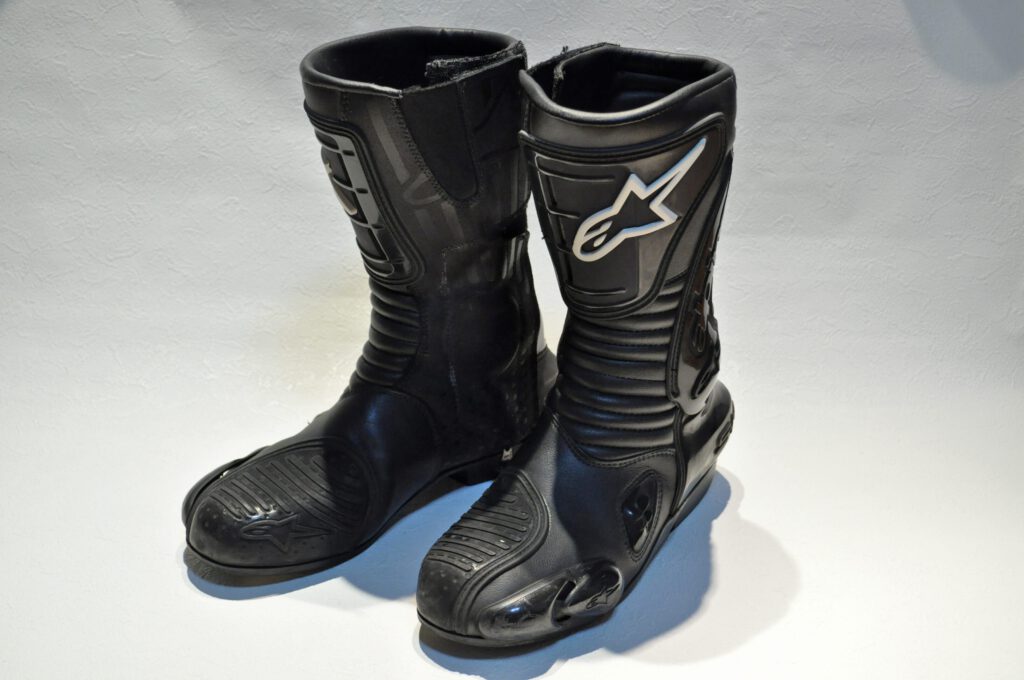
When your boot’s heel collapses faster than a soufflé in a thunderstorm.
Soft heel counters are the nemesis of ankle stability. During impact, these flimsy structures collapse inward, offering zero protection against crushing forces. A proper motorcycle boot needs a rigid heel counter that maintains its shape even under extreme pressure. Test this by pressing firmly on the heel area—if it gives way easily, find different boots. Your ankles will thank you.
9. Shorty Boot Syndrome

Leaving your shins and upper ankles more exposed than a reality TV star’s personal life.
Those stylish ankle boots might look Instagram-ready, but they’re a recipe for disaster on two wheels. Shorty boots expose critical areas to abrasion and twisting injuries during slides. Real motorcycle boots extend well above the ankle, providing coverage up to mid-calf. When you’re leaning into curves, every inch of protection counts.
8. The Loose Fit Fiasco
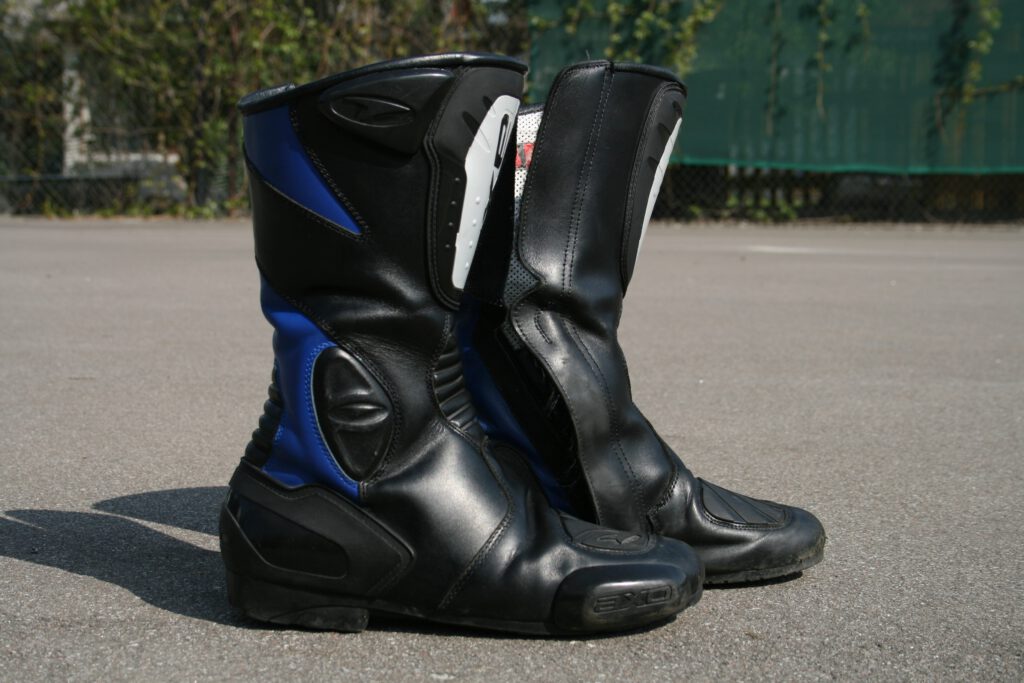
When your foot rattles around inside like change in a pocket.
Boots that fit too loosely create a dangerous scenario where your foot can slam against the interior during impact or even eject completely. This internal trauma can cause fractures just as severe as external impacts. Proper motorcycle boots should fit snugly without cutting circulation—think firm handshake, not death grip. Always try boots on with the socks you’ll actually wear while riding.
7. Velcro Vulnerability
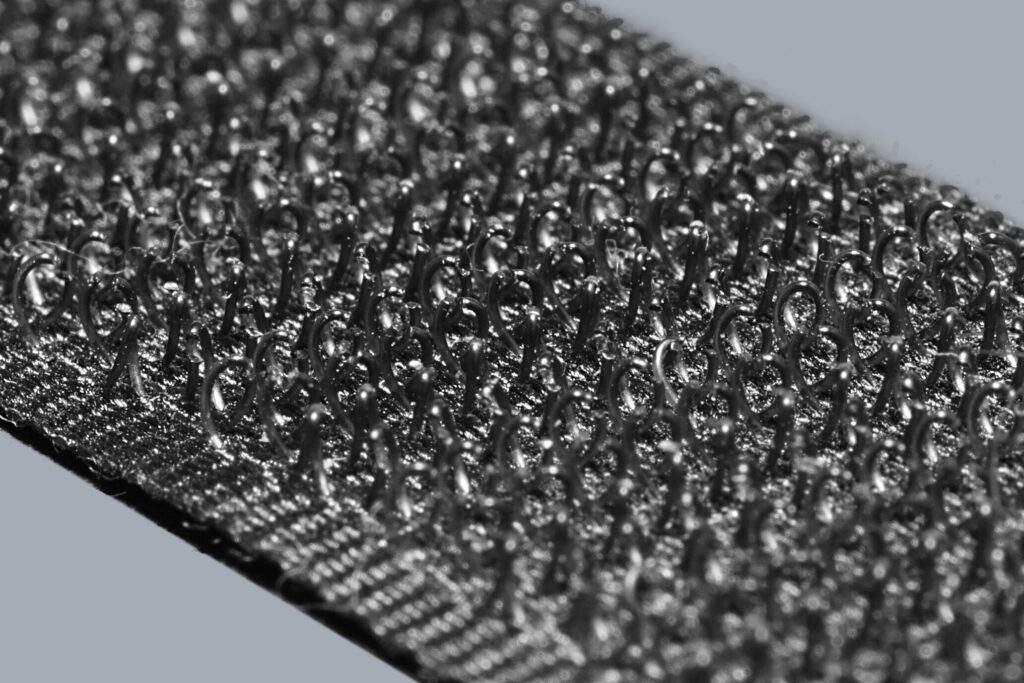
Because nothing says “confidence” like closures that fail when you need them most.
Velcro closures might seem convenient, but they degrade rapidly under trauma and weather exposure. During a crash, Velcro can separate completely, turning your protective boot into a projectile. Quality motorcycle boots use mechanical closures like zippers, buckles, or laces that maintain integrity under stress. Save the Velcro for your gym bag, not your safety gear.
6. Sole Grip Failure
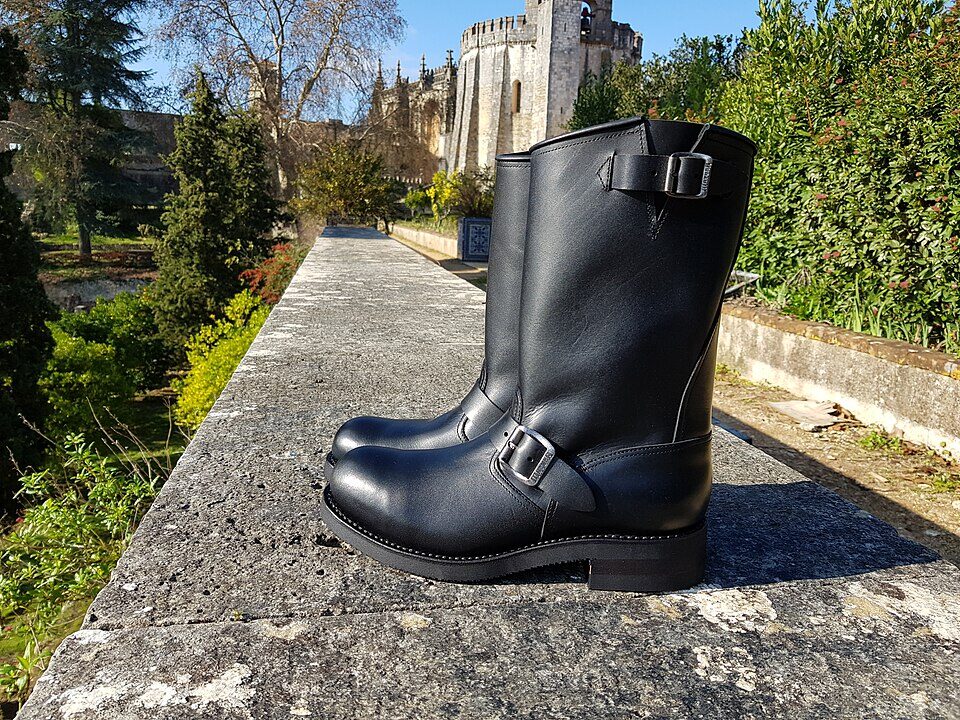
Slipping on oil spots like you’re auditioning for a slapstick comedy.
Poor sole grip on oil, gravel, or wet surfaces transforms routine stops into ankle-twisting adventures. Motorcycle boots need aggressive tread patterns and compounds designed for various surfaces you’ll encounter. Test your boots’ grip by walking on different surfaces before trusting them on a ride.
5. Flimsy Armor Syndrome
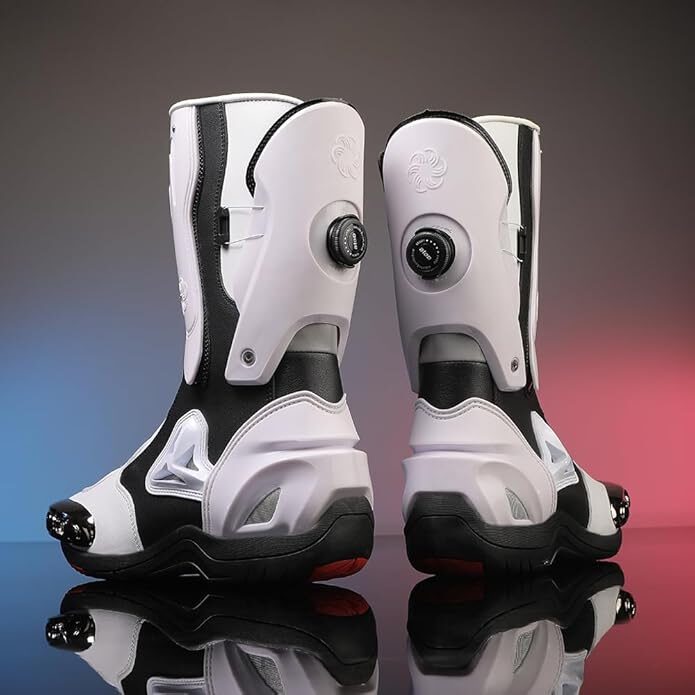
Protection that crumbles under pressure faster than a stale cookie.
Many boots feature armor that looks impressive but fails the thumb test—if you can easily compress the protective elements with thumb pressure, they won’t help during real impact. Quality shin and ankle armor should resist significant pressure while still allowing necessary movement. Don’t let marketing photos fool you; test the actual protective capability yourself.
4. Excessive Rotational Flexibility
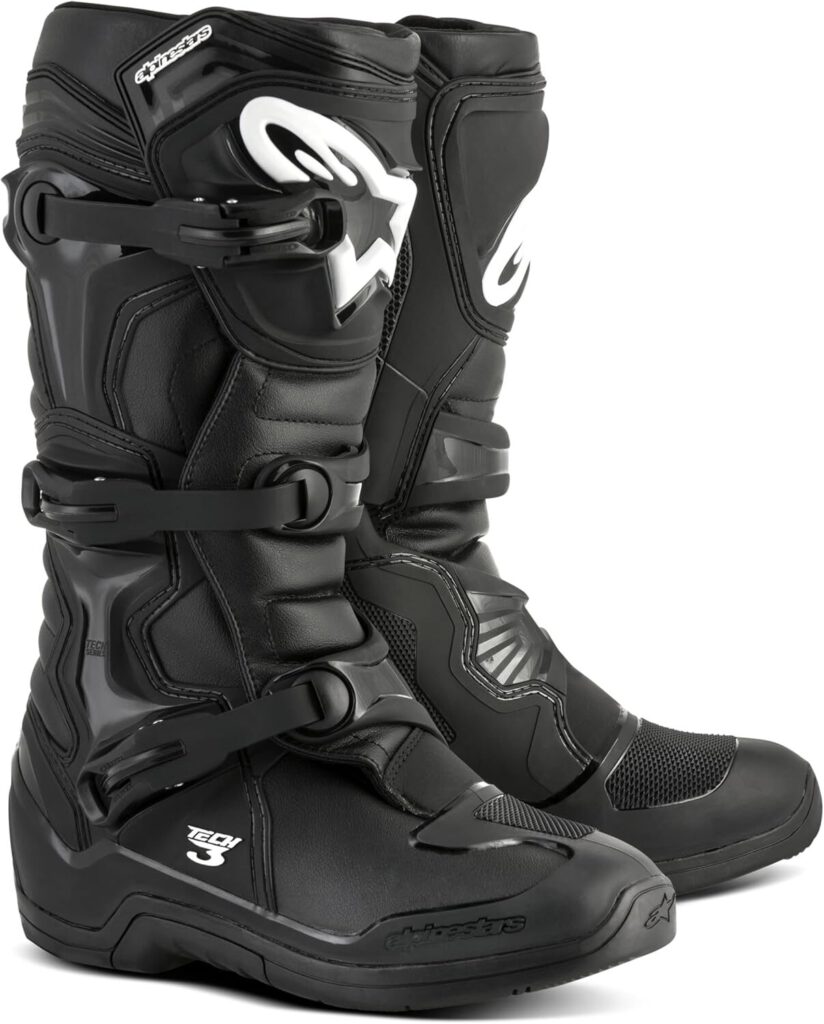
When your boot twists more than a pretzel at Oktoberfest.
Boots that allow too much rotational movement can cause spiral fractures during crashes. Your boot should permit forward and backward flex for walking and riding comfort but resist side-to-side twisting. A simple test: while seated, try rotating your foot within the boot—excessive movement indicates inadequate lateral support.
3. Crush Protection Deficiency
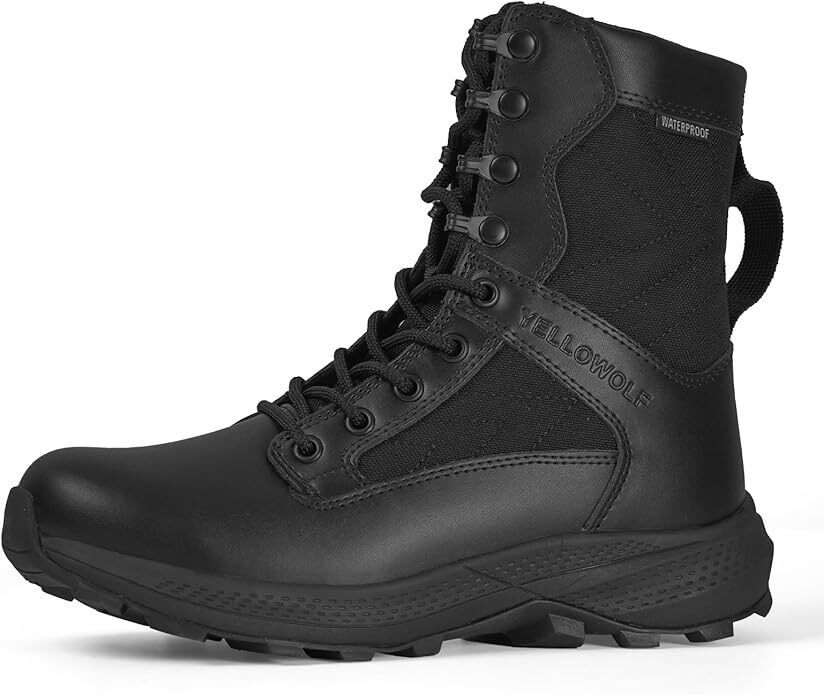
Because your ankle bones weren’t designed to handle motorcycle weight.
The ankle box and ring-out tests reveal whether boots can withstand crushing forces. Place the boot on the ground and step on the ankle area—quality boots maintain their shape without collapsing. This protection proves critical when navigating tight parking situations at busy destinations or during low-speed tip-overs.
2. Fashion Over Function Fallacy
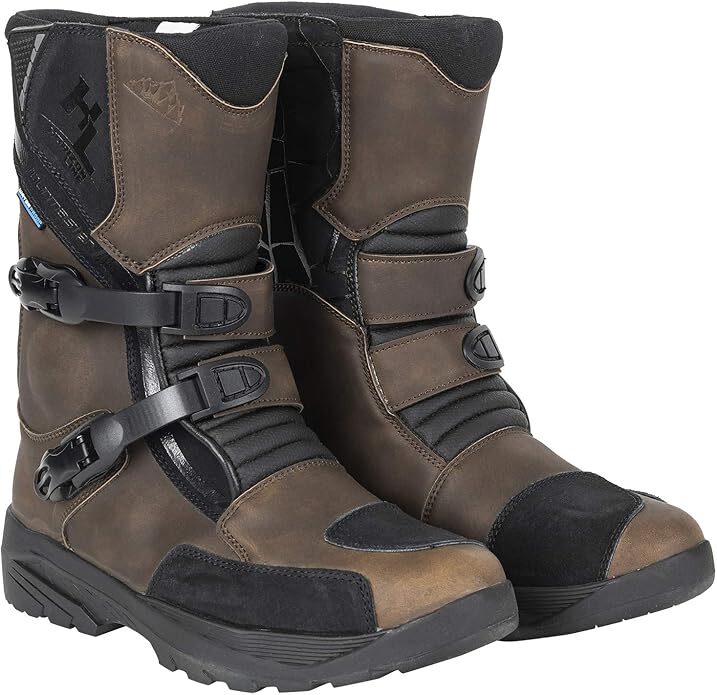
High heels and pointy toes: great for dinner, terrible for motorcycles.
Fashion boots with high heels, narrow toe boxes, or flat soles increase sprain and fracture risk, especially on slippery surfaces common at outdoor food events. Winter fashion boots often lack the arch support and traction needed for safe motorcycle operation. Save the style statements for after you’ve parked safely.
1. Certification Negligence
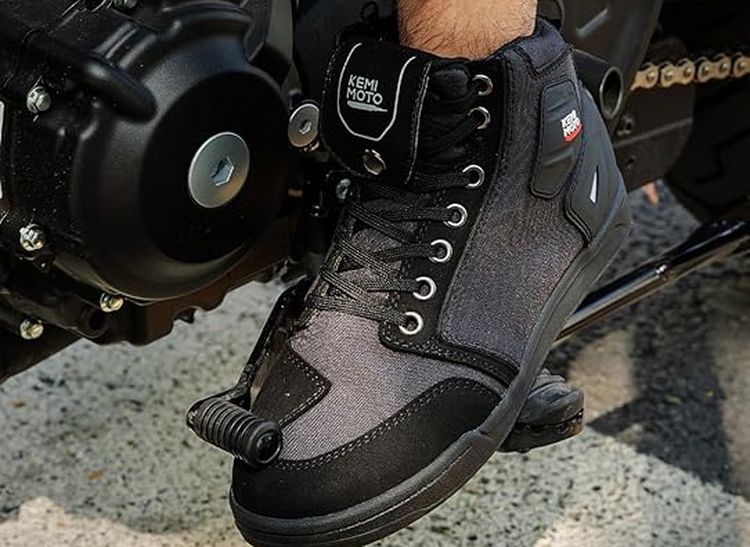
Skipping the safety standards like homework on a Friday.
Look for CE EN13634 certification actually printed on the boot—not just mentioned in marketing materials. This European standard ensures boots meet specific impact, abrasion, and structural requirements. Uncertified boots might look protective, but lack verified safety performance. When your ankle’s integrity hangs in the balance, proper certification isn’t optional.
Choosing the right motorcycle boots is like picking the perfect wine—a bad choice can ruin the whole experience, only in this case, “the experience” is walking without a limp to your next destination. Avoiding these fatal footwear flaws could mean the difference between savoring that paella in Spain and spending your vacation hobbling around on crutches.