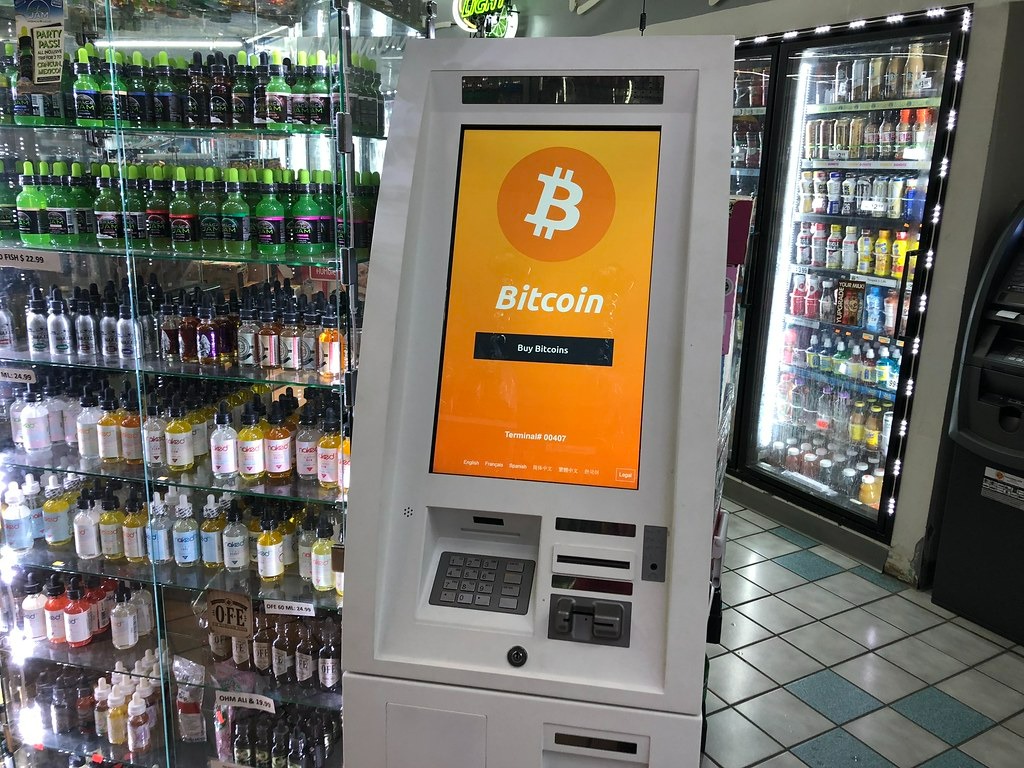
Cash-to-crypto just became a lot more complicated in Minnesota. Lawmakers are pushing HF3642, a complete ban on crypto ATMs after existing regulations failed to stop scammers from bleeding victims dry—including a 78-year-old who lost $80,000 and an elderly person now fearing homelessness.
When Consumer Protection Rules Collapse
Minnesota’s 2024 regulations proved worthless against sophisticated fraud operations.
Rep. Erin Koegel’s proposed statewide ban targets the state’s approximately 350 licensed crypto kiosks operated by companies like CoinFlip and Bitcoin Depot. Last year’s consumer protections—$2,000 daily limits for new customers, 14-day fraud refunds, and warnings about irreversible transactions—couldn’t prevent 70 complaints totaling $540,000 in losses.
Scammers simply used existing accounts or drove victims to Wisconsin machines to bypass Minnesota’s rules. The Department of Commerce recorded these devastating losses despite implementing what seemed like reasonable safeguards just two years ago.
The Human Toll Behind the Statistics
Law enforcement testimony reveals devastating impact on vulnerable populations.
Woodbury Detective Lynn Lawrence described an elderly victim losing half their monthly fixed income over six months, while St. Cloud Sergeant Jake Lanz testified about the 78-year-old’s $80,000 loss—funds sent overseas with zero recourse.
These aren’t random crimes but orchestrated “pig butchering” operations where romance scammers build trust before directing victims to crypto ATMs through fake investment platforms. The FBI recorded over 11,000 crypto ATM scam complaints in 2024, with losses jumping from $247 million to $333 million in 2025.
Industry Fights Back as Crackdown Spreads
Operators argue for enforcement over elimination while other states tighten rules.
CoinFlip’s Larry Lipka opposes the ban, noting less than 1% of the company’s 12,000 Minnesota transactions required refunds last year. “It is inappropriate to ban a legal product because fraud is happening,” Lipka argued, advocating for stricter enforcement instead.
But Minnesota isn’t alone—Massachusetts sued Bitcoin Depot over $10 million in losses, Maine reached a $2 million settlement that removed kiosks entirely, and federal legislation now treats crypto ATMs as money transmitters requiring enhanced compliance.
The bill sits in committee with bipartisan support and a May 2026 deadline. If passed, Minnesota becomes the first state to completely eliminate crypto ATMs, potentially setting a precedent that forces the industry toward online exchanges—or underground.