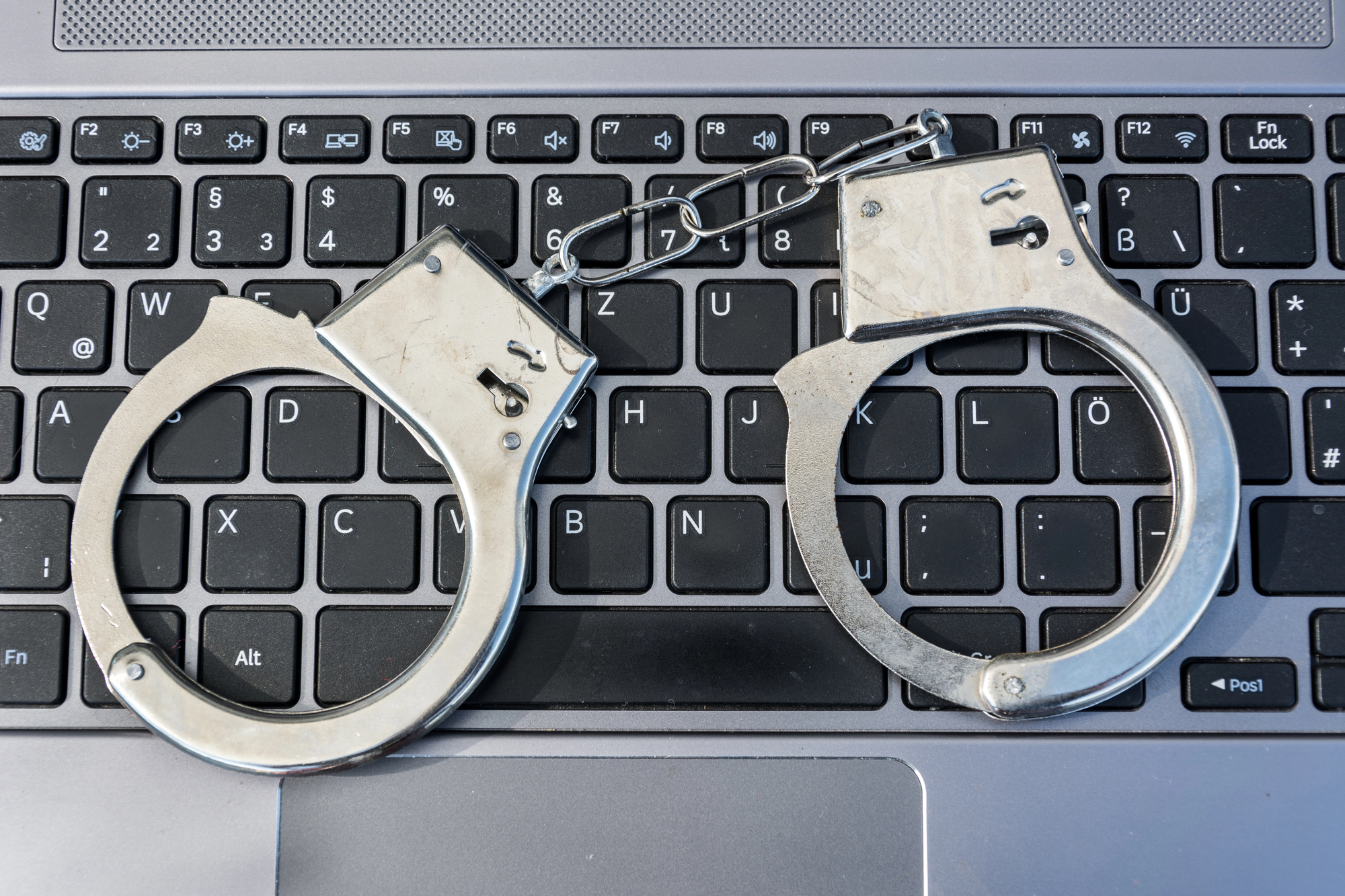
Your interaction with police could become a cybersecurity liability you never signed up for. Law enforcement agencies across the nation face mounting cyber threats that expose sensitive records, investigation files, and citizen data to criminal exploitation. This isn’t just another tech headline—if you’ve ever filed a police report, been arrested, or cooperated with any investigation, these breaches could directly impact your safety and privacy.
Scale of the Digital Catastrophe
Law enforcement cybersecurity failures create cascading risks for citizens and officers alike.
Recent attacks have infiltrated core police databases containing years of sensitive records. Cybercriminals are targeting multiple systems simultaneously, creating perfect storms of exposed data. Like watching your house get robbed in slow motion, officials often discover the full extent of compromised information months after initial breaches.
Confirmed law enforcement data breaches have exposed:
- Criminal investigation files and case documents
- Arrest records and booking information
- Victim and witness personal details
- Officer personnel records and assignments
- Evidence logs and forensic reports
The CIS and MS-ISAC documented multiple confirmed breaches, including Louisiana sheriff ransomware affecting 842GB of data and Wichita police losing 77,000 case files. These incidents reveal how vulnerable police data systems have become to sophisticated attacks.
Beyond Police Station Walls
The ripple effects of law enforcement breaches stretch far beyond departmental headquarters.
The consequences extend well past police departments. Crime victims who trusted the system with their most traumatic experiences now face potential retaliation or harassment. Witnesses in ongoing cases worry about their safety after cartels and criminal groups have reportedly used compromised data to locate and harm law enforcement officials.
This pattern joins an embarrassing parade of government cybersecurity failures. From SolarWinds to the OPM hack, agencies that demand our trust consistently fail to protect our data. Law enforcement breaches feel particularly egregious—police departments should exemplify security, not serve as cautionary tales about digital negligence.
Your cooperation with police shouldn’t become a cybersecurity liability. Until government agencies treat data protection with the seriousness it deserves, every citizen report or law enforcement interaction carries hidden digital risks that simply shouldn’t exist in a properly secured system.