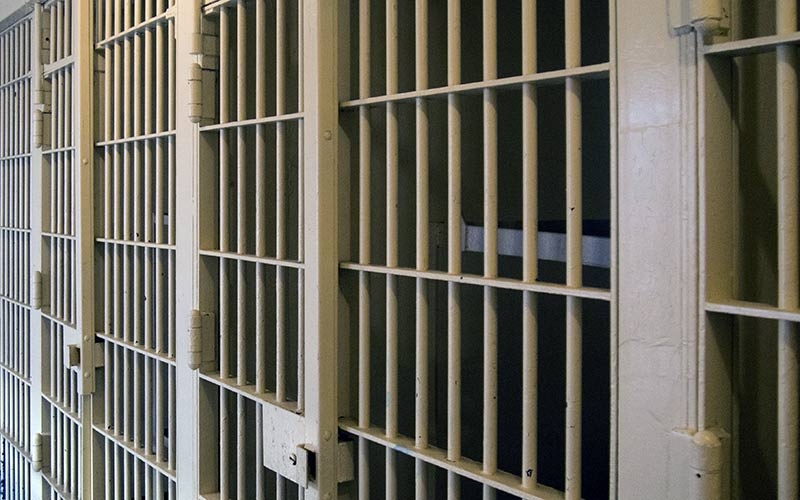
Calvin Alexander did everything right. The nearly blind 70-year-old in a wheelchair took anger management classes, learned a trade, completed drug treatment, and kept a clean disciplinary record for years. His daughter prepared a room in her New Orleans home. Then, two months before his September parole hearing, Alexander got a letter that felt “like walking into a brick wall.” A computer program called TIGER had rated him “moderate risk”—and under Louisiana’s new law, that score alone disqualified him from even appearing before the parole board.
From Helper to Gatekeeper
Louisiana turned a rehabilitation tool into an algorithmic prison lock.
TIGER—Targeted Interventions to Greater Enhance Re-entry—wasn’t supposed to trap people. Created in 2014 with a $1.75 million federal grant, the algorithm was designed to identify which prisoners needed more counseling, job training, or addiction treatment. Co-creator Keith Nordyke says the goal was to “slow down the revolving door” by flooding high-risk populations with services, not keeping them locked up.
But in 2024, Governor Jeff Landry’s “tough on crime” overhaul flipped TIGER’s purpose entirely. Now, only prisoners scored “low risk” can get parole hearings. About 13,000 people—nearly half of Louisiana’s prison population—are automatically blocked from consideration, regardless of their rehabilitation efforts.
The Human Cost of Immutable Scores
Past mistakes become permanent algorithmic verdicts that prisoners can’t appeal or improve.
Alexander’s “moderate” score stems partly from a 1990s parole violation—drinking alcohol and breaking curfew related to a decades-old drug conviction. TIGER weighs such static factors heavily while ignoring prison achievements like education, therapy completion, or disciplinary improvements. Prisoners are told there’s nothing they can do to change their score.
Alonzo Allen had the same moderate rating but got paroled in 2021—before the law changed. Allen has stayed sober, works as a truck driver, and complies with all parole conditions. Under today’s rules, he never would have gotten that chance.
Bias Baked Into the Code
Expert critics say TIGER amplifies existing racial and economic disparities.
Black people comprise nearly two-thirds of Louisiana’s prison population despite being less than one-third of the state’s residents. University of Virginia economist Megan Stevenson notes that TIGER’s heavy reliance on employment history and drug convictions effectively makes poor people less eligible for parole than the wealthy. Legal scholars question whether tying parole to unchangeable scores violates constitutional prohibitions against retroactively increasing punishment.
Since the law took effect, Louisiana has paroled six people per month compared to 32 monthly in 2023—a 78% drop. Louisiana has become the only state where algorithms automatically bar thousands from hearings. Alexander remains behind bars, his rehabilitation efforts rendered meaningless by code he can’t see, understand, or challenge.