





Decades before smartphones ruled our lives, home builders genuinely believed the future lived in clunky, built-in systems that sound like props from a low-budget sci-fi flick. These weren’t minor design hiccups; they were expensive disasters that delivered headaches, safety hazards, and that special brand of buyer’s remorse that keeps you awake at night. Think intercoms that made conversations sound like underwater negotiations, or avocado green appliances that aged worse than milk left in the sun. These features promised convenience but became costly lessons in what happens when ambitious ideas crash into harsh reality.
15. Radiant Ceiling Heat (Embedded Heating Cables)
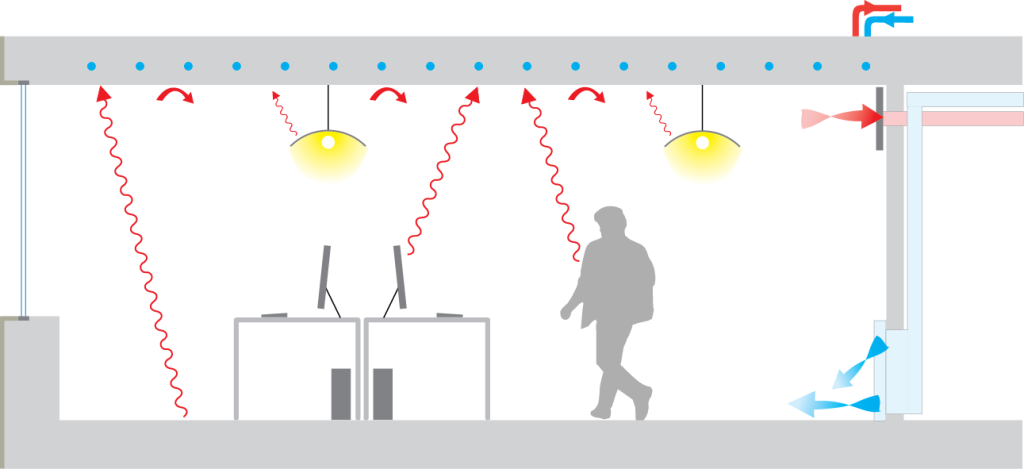
Electric heating systems that turned homes into upside-down pizza ovens.
Large numbers of U.S. and Canadian houses in the 1950s–1970s were built with electric ceiling cable systems as alternatives to forced-air furnaces and baseboard heaters. Because warm air naturally rises, stratification occurred: air at ceiling level could be significantly warmer than air at occupant level, reducing comfort and causing higher energy use.
Failure of embedded cable sections typically required destructive access (cutting into plaster or drywall). Many older systems lacked precise as-built diagrams, making repairs expensive or impractical. Modern radiant systems often favor in-floor hydronic or electric installations because floor-level heating better matches human comfort and operates at lower temperatures.
14. Residential Dumbwaiters
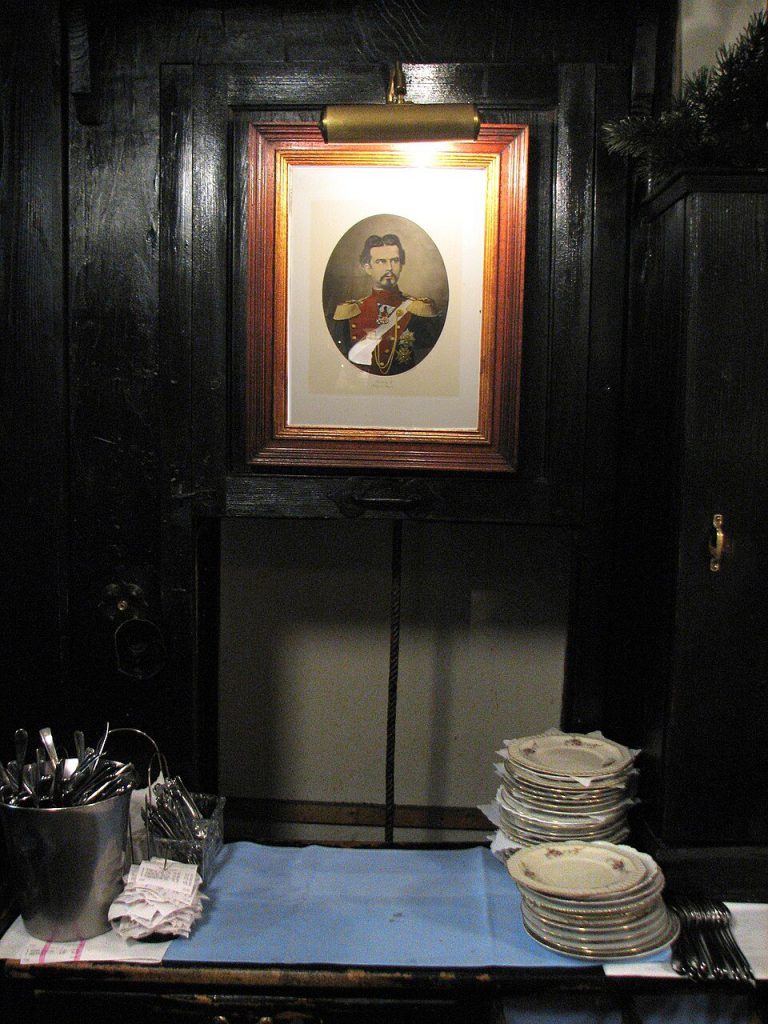
Small freight elevators that became oversized safety hazards.
Dumbwaiters were common in multi-story urban houses and mansions in the late 19th and early 20th centuries to connect kitchens, dining rooms, and servant areas. These small freight elevators operated in fire-rated shafts with cars sized roughly 2–3 feet square, moving food, laundry, or small items between floors.
Safety concerns included pinch points, unguarded openings, falling hazards, and risk of children riding in or becoming trapped in the car. Modern safety codes require interlocks, doors, load limits, and other safeguards that older residential units often lacked. This led insurers and some jurisdictions to restrict or heavily regulate residential dumbwaiters.
13. Asbestos Insulation and Building Materials
The “miracle” material that became a decades-long health nightmare.
Asbestos is a group of naturally occurring silicate minerals with fibrous structure, prized historically for heat resistance, tensile strength, and chemical stability. From the late 19th century through the 1970s, asbestos was widely used in thermal insulation, pipe lagging, sprayed fireproofing, ceiling and floor tiles, roofing shingles, and cement siding.
Inhalation of airborne asbestos fibers is strongly associated with asbestosis, lung cancer, and malignant mesothelioma; disease latency is often 20–40 years after exposure. Many countries banned or severely restricted asbestos use beginning in the 1970s–1990s. Asbestos abatement (removal, encapsulation, or enclosure) is tightly regulated and extremely expensive, especially in large or complex buildings.
12. Early Automatic Garage Door Openers
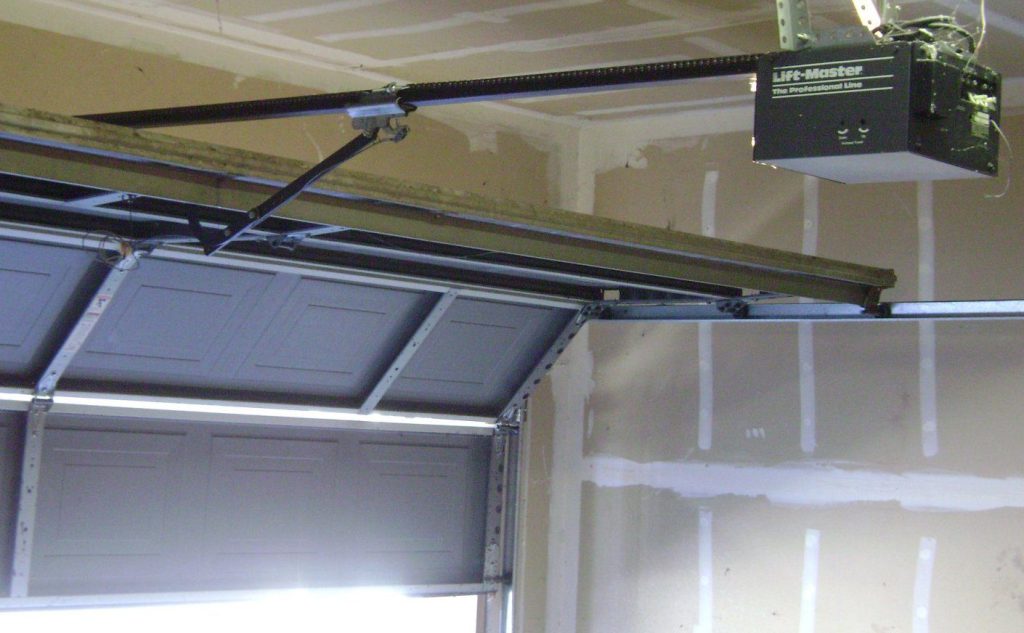
Convenient devices that became deadly traps for four decades.
Electric garage door openers were commercialized in the 1920s and gained mass adoption in post-war suburban housing from the 1950s onward. Early residential openers simply drove the door down until a limit switch was hit, with no automatic reversal if an obstruction was present.
In 1990, the U.S. Congress passed the Consumer Product Safety Improvement Act requiring automatic reversal systems. Since January 1, 1993, UL 325 has required garage door operators to have either photoelectric sensors or edge sensors that reverse the door when obstructed. Modern safety systems use infrared “photo-eyes” near floor level plus force-sensing logic.
11. Central Vacuum Systems
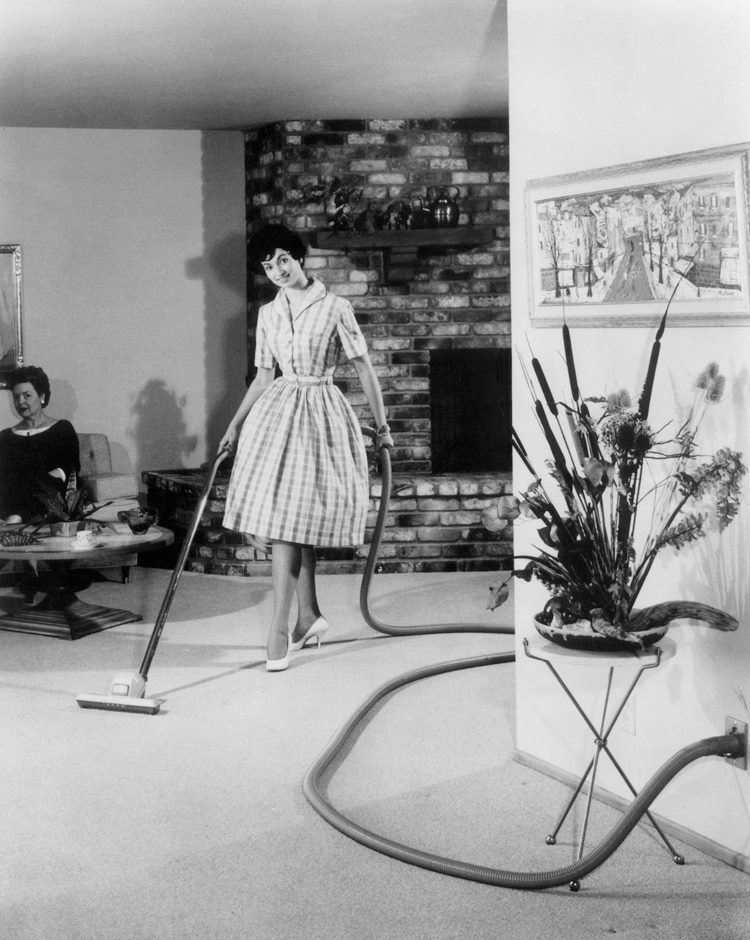
Whole-house cleaning networks that became expensive maintenance nightmares.
Central vacuum systems place a large power unit (motor plus collection canister) in a remote location (basement, garage) connected via in-wall PVC pipe to inlet valves around the home. They gained popularity in mid- to late-20th-century North American housing as luxury alternatives to portable vacuums, emphasizing quieter operation and higher suction.
Poor installation (sharp bends, long runs, or low slopes in basements) increases risk of clogs and condensation accumulation in pipes. Replacement of failed power units can be costly, and obsolete brands or models may have proprietary fittings, complicating service. Some systems also redistribute dust and allergens rather than removing them if exhaust is recirculated indoors.
10. Electric Carving Knives
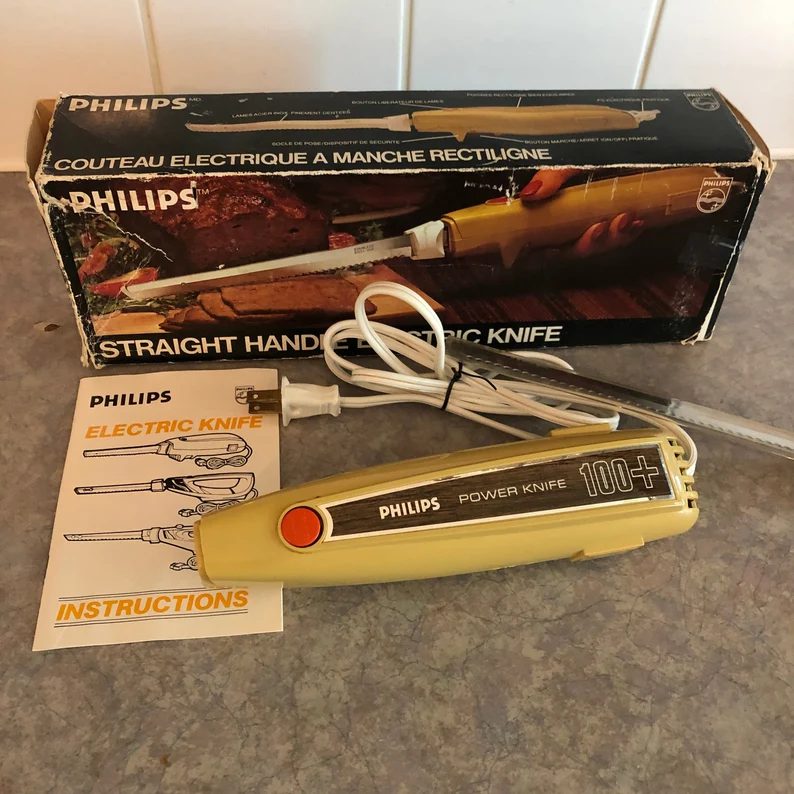
Motorized blades that turned holiday roasts into shredded disasters.
Electric knives use small motors to drive two opposing serrated blades that move back and forth, creating a sawing action. They became popular in the 1960s–1970s for cutting roasted meats and bread, often promoted as modern, time-saving holiday tools.
Compared with sharp chef’s knives or carving knives, electric versions create more tearing and “shredded” cuts on delicate items like poultry or tomatoes due to blade design and vibration. Consumer safety guidance emphasizes unplugging before changing blades and keeping fingers clear of the reciprocating blades to avoid lacerations.
9. Decorative Push-Button Telephones
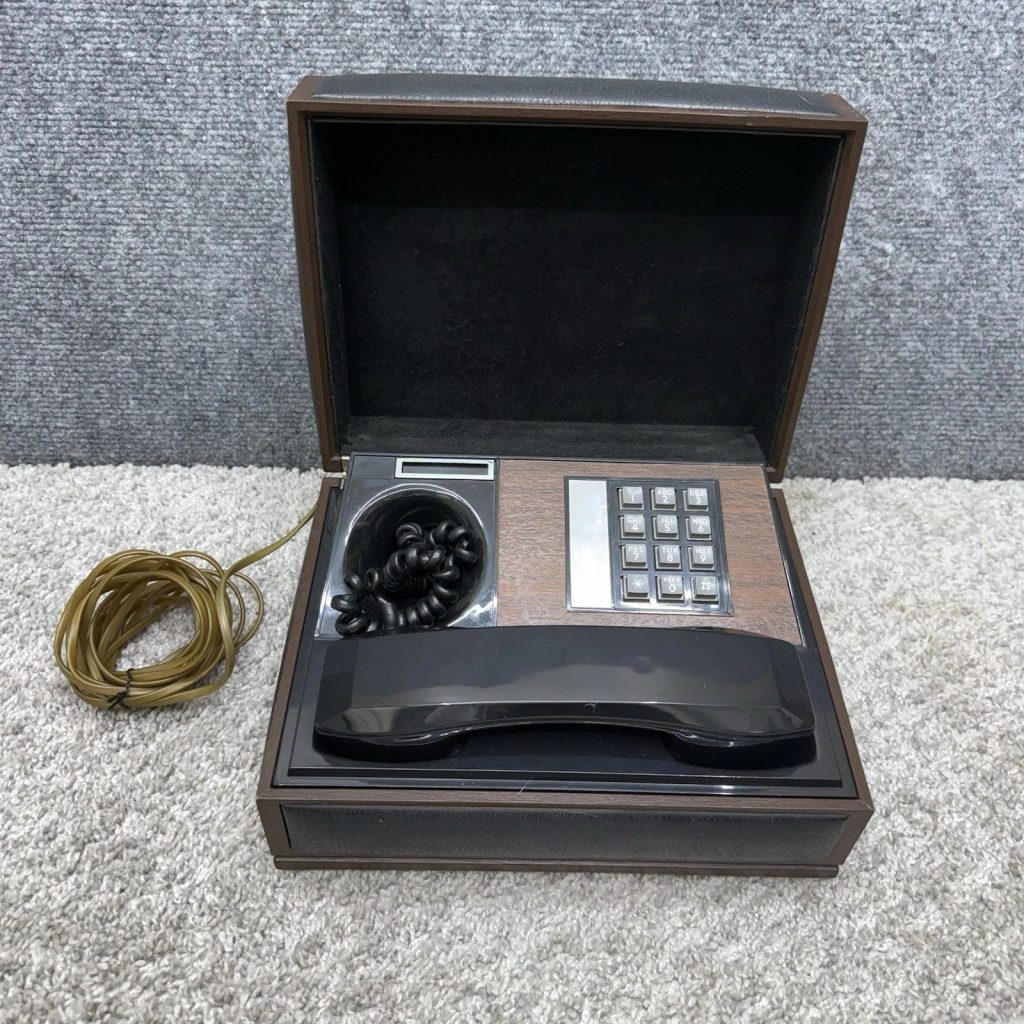
Novelty communication devices that prioritized looks over functionality.
After the breakup of AT&T’s Bell System (1984), telephone equipment was deregulated and numerous third-party manufacturers flooded the market with novelty push-button phones. Phones were produced in themed housings (hamburgers, lips, cars, cartoon characters) and with interchangeable decorative faceplates pitched as “design statements.”
Many budget novelty phones used low-quality plastics, poor ergonomics, and minimal acoustic design, leading to uncomfortable handling and subpar audio. The rapid rise of mobile phones in the 1990s and 2000s dramatically reduced demand for fixed wall-mounted handsets; many decorative units remain as nonfunctional decorations.
8. Popcorn Ceilings

Textured surfaces that became dust-collecting asbestos traps.
Popcorn ceilings consist of sprayed or rolled-on textured finishes using joint compound mixed with aggregate like polystyrene or vermiculite. They were popular in North American construction from the 1950s–1980s because they masked surface imperfections and provided modest sound absorption.
Many pre-1980 popcorn ceilings contain asbestos fibers; disturbing them without proper abatement can release hazardous dust. Even non-asbestos textures are difficult to clean (trapping dust and cobwebs), prone to discoloration, and incompatible with modern smooth-ceiling aesthetics, pushing homeowners toward costly removal or encapsulation.
7. Early Smart Home Control Systems
Expensive automation networks that became obsolete faster than their warranties.
Early residential automation systems in the late 1970s–1980s (X10-based controllers, proprietary whole-house systems) promised central control of lighting, HVAC, and security via wall panels or home computers. Many used power-line carrier protocols like X10 to send signals over existing electrical wiring; these were susceptible to interference, signal loss, and limited bandwidth.
Systems were often expensive (several thousand dollars) and required custom programming and dedicated installers. If the vendor failed or withdrew support, homeowners were left with unserviceable hardware embedded in walls. User interfaces were primitive: membrane keypads, small monochrome displays, and cryptic programming steps that deterred average homeowners from reconfiguring scenes or schedules.
6. Built-in Eight-Track Players
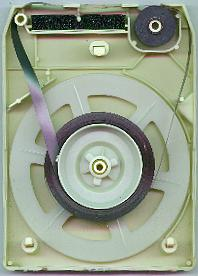
Integrated audio systems locked into a format that vanished faster than disco.
The eight-track tape used an endless-loop ¼-inch tape in a plastic cartridge divided into four stereo “programs,” selected by a mechanical track switch. Eight-track gained popularity mainly in automobiles in the late 1960s and 1970s, with some home stereo receivers and consoles including built-in eight-track decks.
The format began declining in the late 1970s with the rise of compact cassette and was largely obsolete for new music releases by the early 1980s. Built-in players integrated into wall systems or custom cabinetry are difficult to replace without carpentry because their dimensions and control layouts were specific to the original unit.
5. Urea-Formaldehyde Wood Products
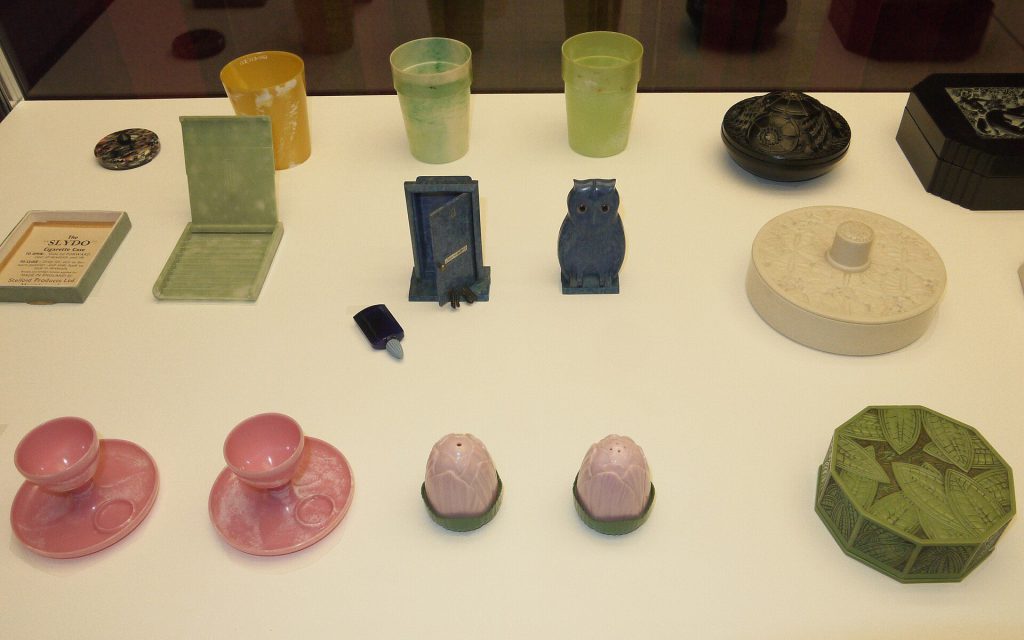
Affordable building materials that slowly poisoned indoor air for decades.
Urea-formaldehyde (UF) resins have been widely used as adhesives in particleboard, medium-density fiberboard (MDF), and hardwood plywood used for cabinets, shelving, and furniture. UF-bonded products can off-gas formaldehyde, a colorless gas classified as a human carcinogen by the IARC and U.S. EPA.
Off-gassing is highest soon after manufacture and installation, especially in warm, humid, and poorly ventilated interiors; symptoms of high exposure can include eye, nose, and throat irritation and respiratory effects. The U.S. Formaldehyde Standards for Composite Wood Products Act sets emission limits and requires third-party certification for products sold in the U.S.
4. Aluminum Branch-Circuit Wiring
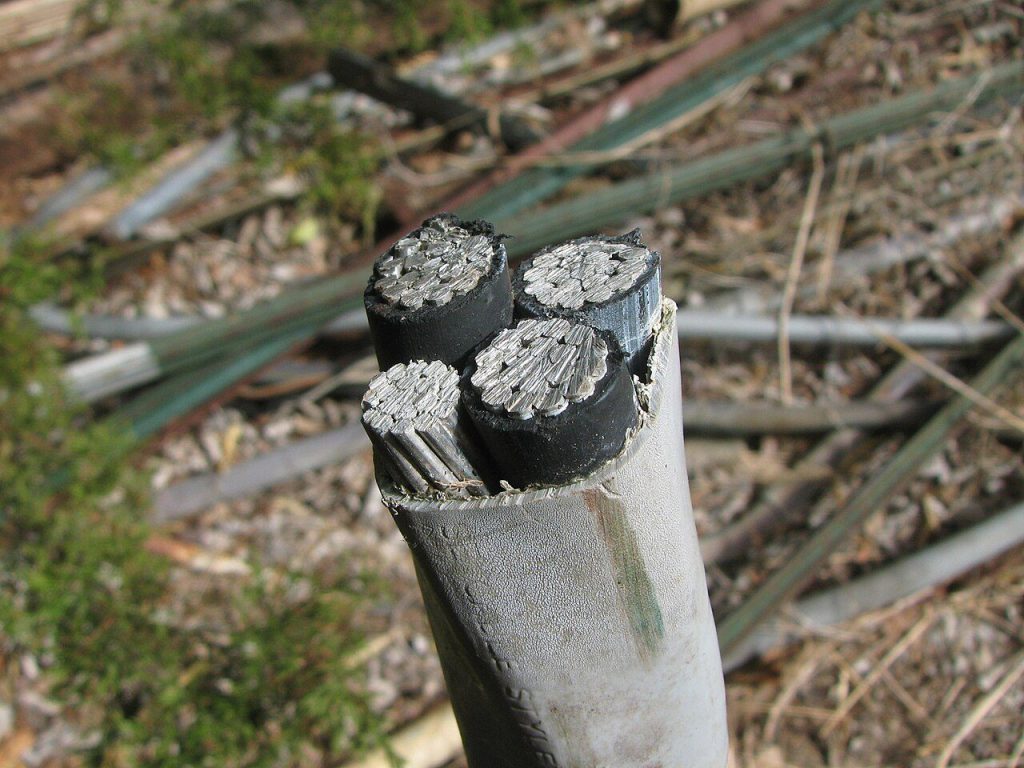
Cost-cutting electrical solutions that turned homes into potential fire hazards.
Due to rising copper prices in the mid-1960s, solid aluminum conductors (primarily AA-1350 alloy) were used in millions of U.S. homes for 15- and 20-amp branch circuits until the mid-1970s. Aluminum has higher electrical resistivity than copper and greater thermal expansion; repeated heating and cooling can loosen connections at terminals, causing arcing and overheating.
The U.S. Consumer Product Safety Commission states that homes with older solid aluminum branch-circuit wiring are at increased risk of fire hazard. Approved mitigation methods include complete rewiring in copper or specialized COPALUM/AlumiConn crimp connectors to join aluminum to copper pigtails at devices.
3. Conversation Pits

Sunken seating areas that became stylish ankle-breaking traps.
Conversation pits are sunken seating areas, typically 1–3 feet below the surrounding floor, often lined with built-in sofas or cushions. They were popular in mid-century modern houses from the late 1950s through the 1970s as designers used pits to create intimate social zones within open-plan living rooms.
Safety concerns include trip and fall hazards at the edges, especially for children, older adults, and visually impaired occupants; pits often lack guardrails because the drop is within code thresholds. Retrofitting conversation pits to flush floors is a common renovation in older modernist homes, both to reduce hazards and adapt spaces to contemporary furniture layouts.
2. Dial-Up Smart Utility Meters
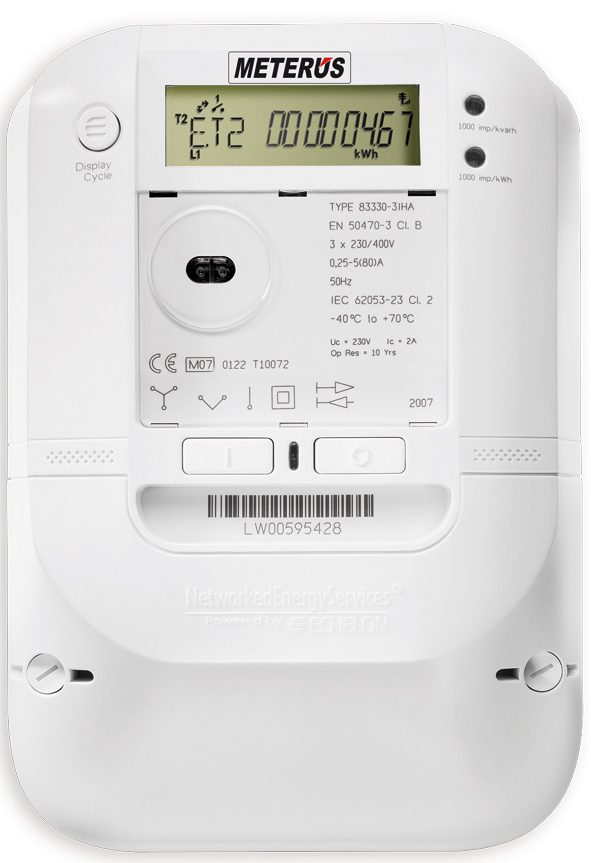
Early automation systems that crawled along phone lines like digital snails.
Early “smart meters” deployed by some utilities in the late 1980s–1990s used telephone modems to send periodic consumption data over the public switched telephone network. These meters often required dedicated or shareable phone lines and called in usage data at scheduled intervals.
Dial-up systems suffered from line noise, modem failures, and conflicts with household phone use, and they couldn’t provide real-time or high-resolution data like modern AMI (Advanced Metering Infrastructure) meters. Modern smart meters typically use wireless mesh networks, cellular, or power-line carrier communications, providing near-real-time readings, outage detection, and remote connect/disconnect.
1. Lead-Based Household Paints
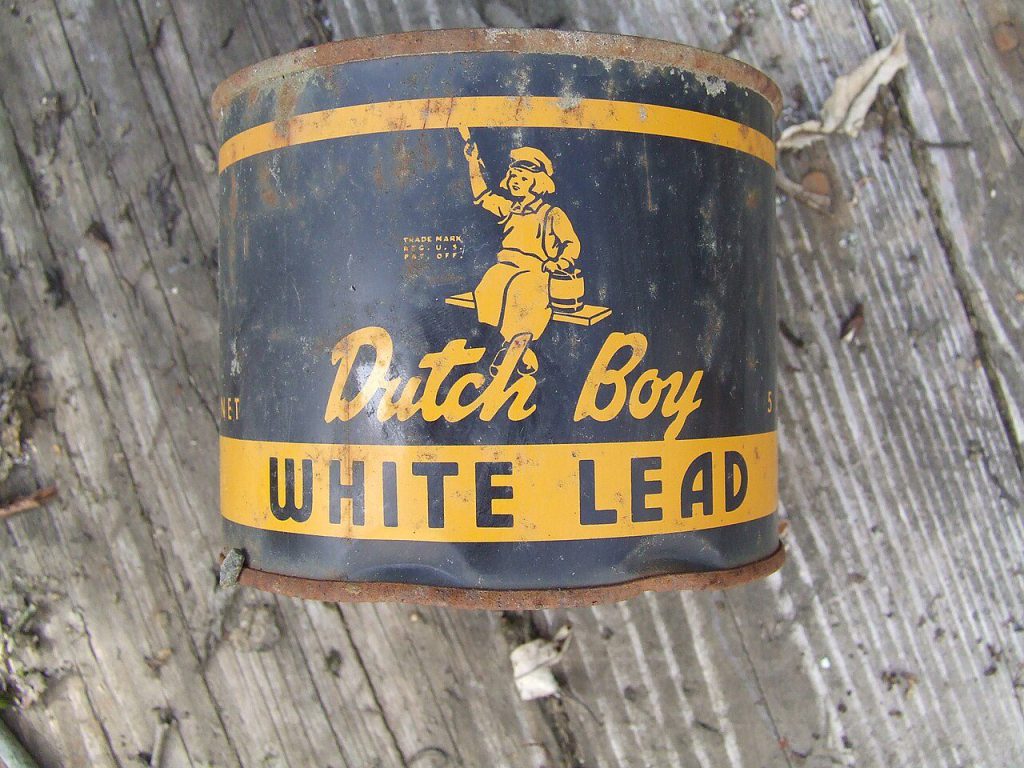
Colorful wall coverings that poisoned generations of children.
Lead compounds were widely used as pigments and driers in residential paints for durability, opacity, and vivid colors until the late 20th century. The U.S. banned most residential uses of lead-based paint in 1978; however, many pre-1978 homes still have layers of lead paint on walls, trim, windows, and doors.
Children are primarily exposed by ingesting lead-contaminated dust or paint chips; even low blood lead levels can cause irreversible neurodevelopmental damage, including lower IQ, learning problems, and behavioral issues. The EPA estimates tens of millions of U.S. homes contain some lead-based paint; federal regulations require renovators working in pre-1978 housing to follow lead-safe work practices to prevent spreading contaminated dust.




























 - Transferred from de.wikipedia to Commons.: de:Image:Zaehler.jpg; transfer made by User:J JMesserly., CC BY-SA 3.0, https://commons.wikimedia.org/w/index.php?curid=5308859)