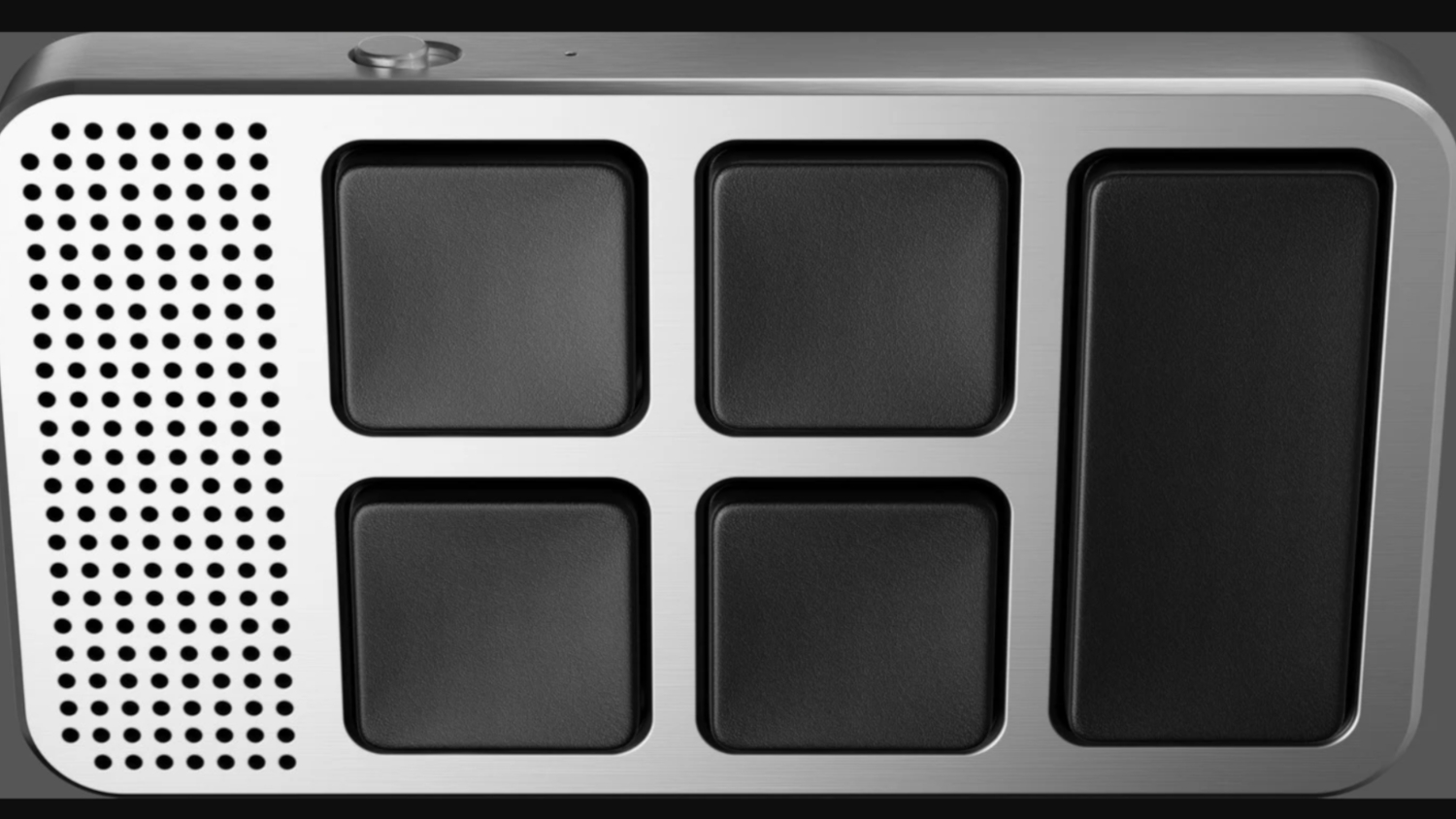
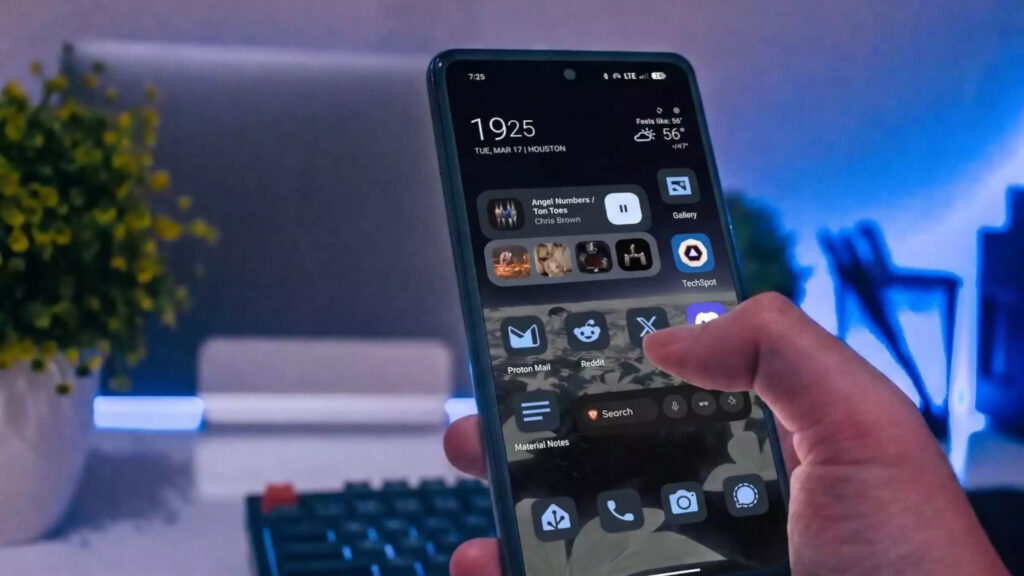
For the first time, GrapheneOS has an official hardware partner outside Google’s Pixel line. Motorola announced a long-term GrapheneOS partnership in 2026, with the Signature 27 expected to become the first officially supported device beyond Pixel hardware.
The phone is priced at approximately $1,600 in the U.S. Buyers must download and install GrapheneOS themselves, and the project had not published an official Signature 27 release at the time of reporting.
A second manufacturer reduces GrapheneOS’s dependence on Google-owned Pixel hardware. That matters if the project’s relationship with Google worsens.
What GrapheneOS Is Alleging
GrapheneOS says Google contacted Android manufacturers about their ties to the project and raised licensing terms as leverage, though the claims remain unverified and come from one party.
GrapheneOS alleged that Google has repeatedly contacted Android manufacturers to ask whether they work with the project. According to GrapheneOS, Google raised Google Mobile Services licensing terms in those conversations. Google Mobile Services, or GMS, is the package of Google apps and services that manufacturers must license through Google’s contractual arrangements to ship mainstream Android products; it covers the Play Store, Google Maps, and related software.
GrapheneOS characterized that outreach as pressure designed to discourage manufacturers from partnering with the project. The project also alleged Google may move to tighten controls around Pixel bootloader unlocking, the process that allows users to replace a phone’s stock operating system. GrapheneOS further alleged Google could expand its use of Play Integrity, a system that provides apps with signals about device and software integrity.
GrapheneOS said it intends to raise these concerns with U.S. Attorney General Todd Blanche and other officials, describing the conduct as anti-competitive. The project has also pointed to the broader pattern of what it characterizes as a surveillance app ecosystem being leveraged against independent projects.
Several important caveats apply. GrapheneOS has not named the manufacturers it says Google contacted, and it has not released any alleged communications. Neither Google nor Motorola had publicly responded to the allegations as of available reporting. These are claims from one party to a dispute.
Where Google Engineers and GrapheneOS Actually Cooperate
GrapheneOS has praised Google’s engineering teams even while criticizing the company’s commercial conduct, pointing to specific technical collaboration as evidence.
The conflict is not total. GrapheneOS has described Google’s engineering teams in warmer terms than its commercial operations.
The project cited support for FIDO2 authentication and passkeys through Google Play services, along with work connected to Vanadium, GrapheneOS’s hardened browser. GrapheneOS remains technically connected to parts of Google’s Android ecosystem even as it challenges Google’s licensing practices.
What Rides on the Motorola Test
The Signature 27 is a practical test of whether a privacy-focused Android fork can build a durable multi-manufacturer ecosystem.
The stakes extend beyond GrapheneOS. If manufacturers conclude that working with an independent Android fork risks their GMS access, other privacy-focused Android projects face a narrower path to mainstream hardware.
European courts previously found that Google’s anti-fragmentation agreements, contractual requirements tied to Android licensing, could restrict markets for non-compatible Android versions and reinforce Google’s dominant position. That legal history does not establish that Google has violated competition law in this specific dispute. It does explain why allegations of licensing pressure against Android forks would draw regulatory attention, particularly given that Google from handling sensitive government data has already drawn European scrutiny.
Whether an independent Android fork can build a durable multi-manufacturer ecosystem, while some users rely on Google Play components for core functionality, remains an open question.