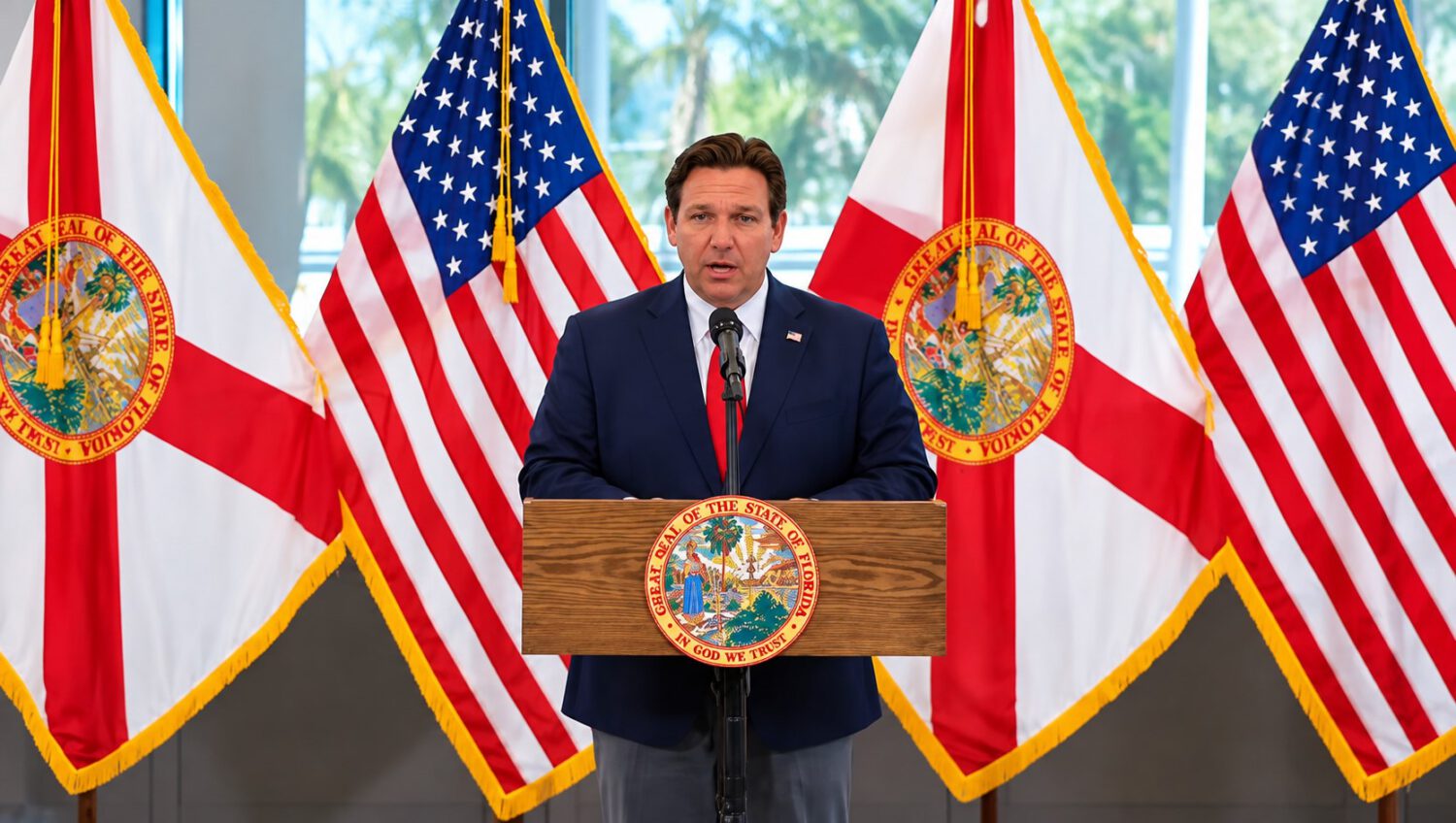
Florida Gov. Ron DeSantis recently called Anthropic’s outreach to Christian leaders “a creepy thing,” claiming the company brought clergy to San Francisco to bless the idea that its Claude chatbot is sentient. The available reporting does not support that characterization.
What Anthropic actually did was convene roughly 15 Christian leaders, including Catholic and Protestant figures, academics, and business professionals, for a private two-day summit at its San Francisco headquarters in late March 2026.
What Actually Happened in San Francisco
Anthropic’s summit focused on ethical and moral guidance, not a religious ceremony for a chatbot.
The discussions centered on how Claude should respond to grief, emotional distress, and self-harm. Anthropic described the gathering as a consultation with people from “wisdom traditions” intended to guide the moral formation of its AI systems, according to the SF Standard.
The question of whether AI could be considered a “child of God” did come up. Brian Patrick Green, an AI-ethics scholar who attended the summit, told DNYUZ that sentience was not a core subject of the meetings. Anthropic told reporters the effort was about seeking broader societal input into AI development, not a formal religious endorsement of Claude’s consciousness.
What DeSantis Said and Where the Reporting Parts Ways
His “creepy” framing goes further than the available evidence supports.
DeSantis argued that treating AI in terms associated with human spirituality was misguided, and that a chatbot simply does not have a soul. That philosophical position is his to hold. His specific claim that Anthropic asked religious leaders to perform a blessing and declare Claude sentient is not substantiated.
DeSantis also framed the outreach as part of a broader transhumanist tendency to elevate technology above human beings. That is his political interpretation of the summit’s purpose, not a description verified by participant accounts or the company’s stated rationale.
That said, the questions Anthropic raised at this summit are worth scrutinizing on their own terms. A private AI company consulting religious leaders about how its product handles users in crisis, with limited public transparency about the outcomes, is an arrangement that warrants more than a press release.
The Policy Debate Underneath
Florida’s proposed AI consumer protections target practical risks, not metaphysics.
DeSantis’ broader AI agenda addresses more concrete ground. His proposed Florida “AI Bill of Rights” covers parental consent for minors interacting with companion chatbots and mandatory disclosure when users are not speaking with a human, according to Route Fifty. It also targets deepfake restrictions and consumer data protections.
The Florida Senate passed a version of the legislation containing several of those provisions. It stalled in the Florida House, according to Vox. Whatever its legislative fate, those accountability mechanisms directly affect the people most vulnerable to poorly designed AI systems.
The argument worth having is not whether Claude can be baptized. It is whether Anthropic and companies like it will be held responsible when a vulnerable teenager turns to a chatbot during a crisis and that conversation goes wrong. Someone should answer for it when it does.