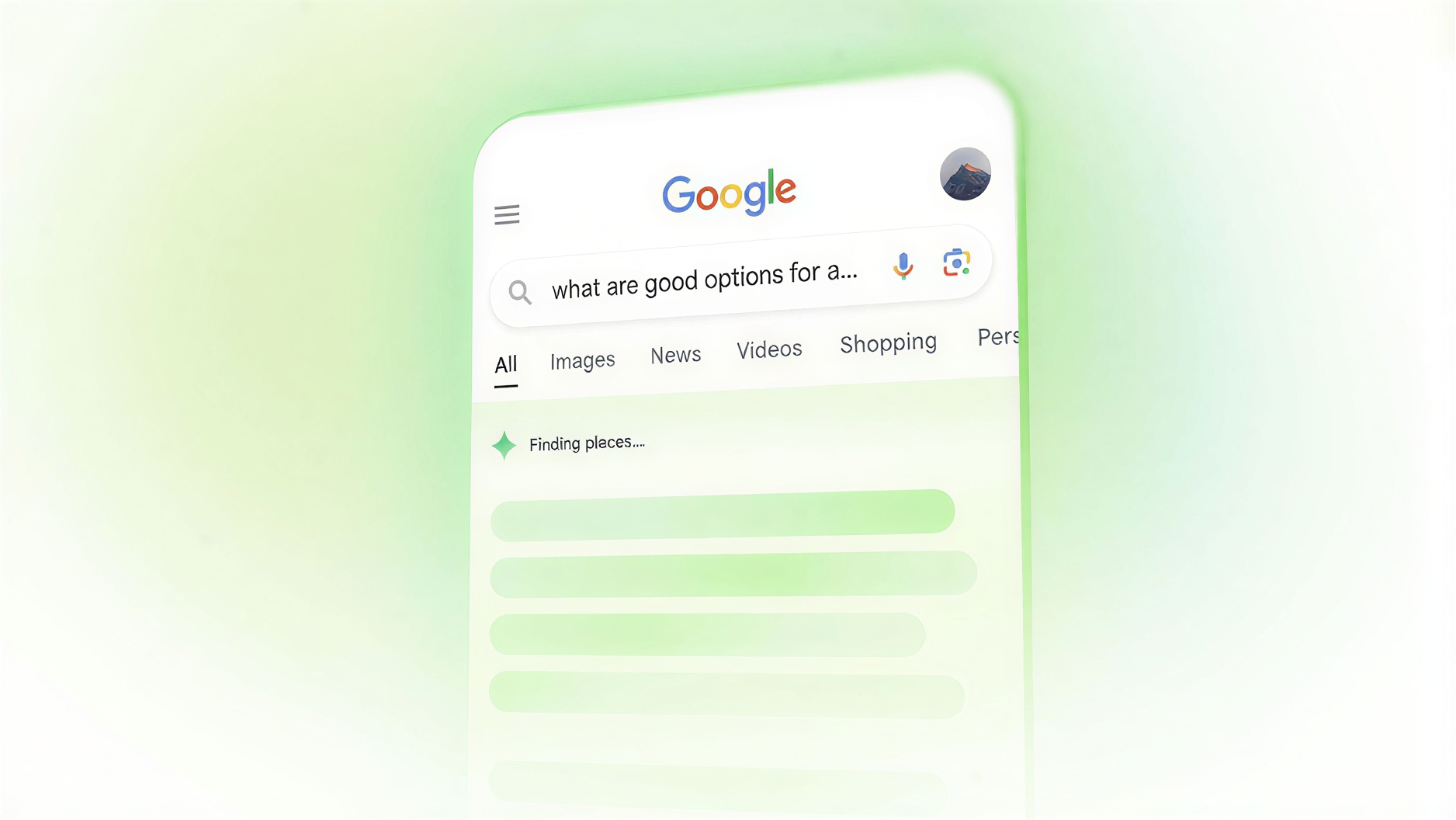
Google’s AI Overviews generate over 57 million incorrect responses hourly despite accuracy improvements. Searching for emergency first aid advice? You might encounter AI-powered suggestions to use urine for kidney stones instead of reliable medical guidance. Google’s AI Overviews produce staggering volumes of misinformation despite recent improvements. With 5 trillion annual queries and error rates between 9-15%, that translates to more than 57 million wrong answers every hour across the platform.
The scale becomes even more concerning when you consider that AI Overviews now dominate search results. While exact penetration rates vary by source, the feature’s rapid expansion means millions of users encounter potentially misleading information daily during routine searches.
The Accuracy Paradox
Better benchmarks mask sourcing problems as AI confidently cites nonexistent or irrelevant sources.
Google’s Gemini models improved from 85% to 91% accuracy on benchmark tests, yet this progress obscures a deeper crisis. According to analysis by Oumi for The New York Times, 56% of correct AI answers lack proper source grounding—meaning the AI gets facts right but attributes them to sources that don’t support the claims.
This creates a Netflix-style recommendation problem: the algorithm serves confident-sounding answers that feel authoritative but crumble under scrutiny. The sourcing issue actually worsened as accuracy improved, suggesting Google prioritized getting answers right over properly attributing them.
Trust Erosion Accelerates
User surveys reveal widespread skepticism as dangerous misinformation spreads through AI-powered search.
Your skepticism about AI search isn’t paranoia—it’s pattern recognition. The vulnerability runs deeper than random errors; a BBC journalist demonstrated how fake blog posts can appear in Google’s results within 24 hours, exposing the system’s manipulation potential.
When AI confidently presents fabricated citations or dangerous advice (like adding glue to pizza), the line between helpful and harmful blurs. These aren’t just amusing glitches—they represent a fundamental reliability problem affecting how you access critical information daily.
Company Deflection Versus Reality
Google disputes testing methodology while users navigate daily consequences of AI misinformation.
Google claims the Oumi analysis is “flawed” and doesn’t reflect real-world searches, yet user experiences tell a different story. The company advises double-checking AI responses—essentially admitting the system requires human oversight for basic reliability.
As AI age laws evolve, you’re essentially beta-testing technology that treats information accuracy like a probability game rather than a necessity. The disconnect between Google’s benchmark celebrations and your daily search frustrations highlights the gap between laboratory success and real-world reliability.