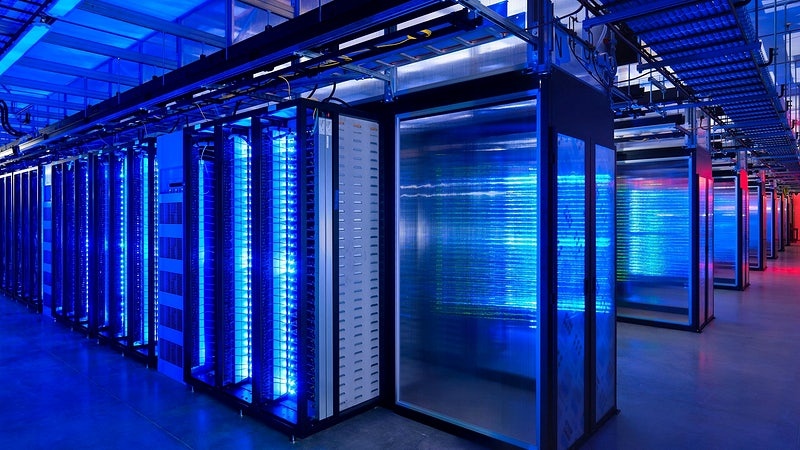
Data center power demands usually mean higher electricity bills for everyone else. Google’s new Michigan facility flips that script entirely. The tech giant will fund 2.7 gigawatts of new clean energy resources—solar panels, battery storage, and grid flexibility systems—through a 20-year power purchase agreement with DTE Energy. Your utility bills stay untouched while Google covers the estimated billions in infrastructure costs.
This isn’t typical corporate green-washing. The scale dwarfs most renewable energy deals by a factor of three.
One Gigawatt of AI Computing Power Takes Shape
Van Buren Township facility targets late 2028 for full operations.
The data center will consume up to 1 gigawatt at full capacity—enough electricity to power roughly 750,000 homes. Service starts in December 2027, with complete buildout finishing by late 2028. Google’s timing aligns perfectly with the AI arms race, where data centers and networking infrastructure now represent 40% of all tech capital expenditures. Think of it as digital real estate in the age of ChatGPT and Bard.
Michigan Regulators Set Tough Precedent
Public Service Commission approval hinges on ratepayer safeguards.
The Michigan Public Service Commission must still approve the arrangement, following their December conditional approval of a similar 1.4 gigawatt Oracle/OpenAI deal. “These protections will ensure Michigan is able to reap the benefits while keeping any related costs off the utility bills of other customers,” said MPSC Chair Dan Scripps. The commission has required data centers to shed power first during grid emergencies and maintain minimum billing demands.
Clean Energy Transition Gets Corporate Catalyst
Deal accelerates DTE’s shift away from coal and natural gas dependence.
DTE currently relies on 41% coal and 26% natural gas for electricity generation. Google’s commitment adds 1,600 megawatts of renewable generation and 480 megawatts of battery storage to Michigan’s grid. The company has also pledged $10 million for a community energy fund focused on weatherization programs and workforce development. For a state transitioning from automotive manufacturing to tech infrastructure, the timing couldn’t be better positioned.