
Technology isn’t just advancing—it’s solving problems that seemed impossible just years ago. From concrete that fixes itself to quantum computers that make today’s supercomputers look like pocket calculators, these fifteen breakthroughs are already changing how we live. Some will cut your commute to Mars from months to weeks. Others might end your electricity bill forever. A few could save your life with organs grown from your own cells. Here’s what’s actually working right now.
15. IBM Starling Quantum Computer

Starling, IBM’s next leap, will harness 200 logical qubits to process over 100 million quantum operations, dwarfing today’s quantum machines by 20,000 times in speed. For full details, review the official IBM Starling Quantum Computer roadmap — the system is planned for deployment at IBM’s Poughkeepsie, New York, center by 2029. This major advance could make drug discovery and cryptography solvable in hours rather than months or years.
14. Proxima Fusion Stellarator Reactor
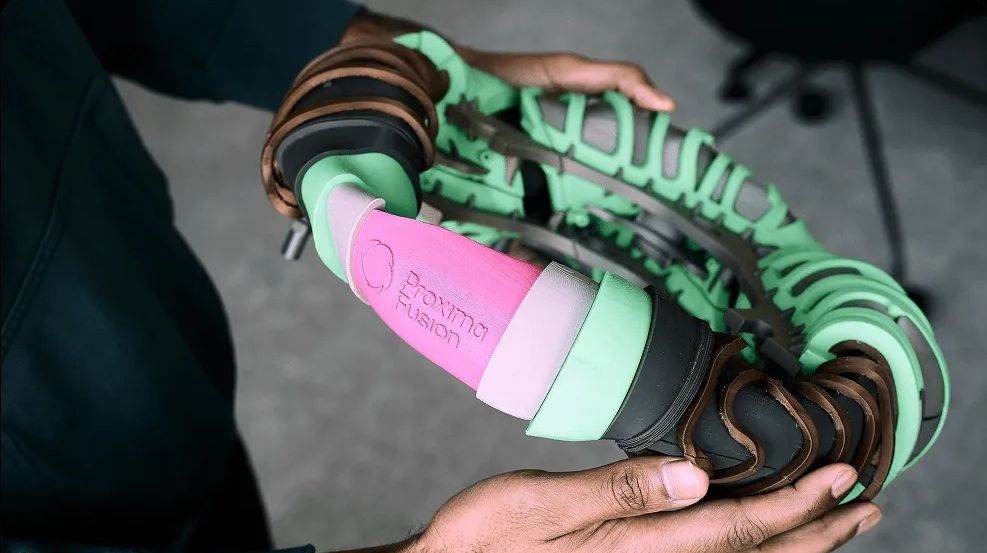
Stellarator reactors from Proxima Fusion use advanced magnets and AI for stable, clean fusion. The company’s Stellaris concept is designed to operate in continuous mode without the plasma disruptions of older fusion types, aiming to end energy bills and carbon emissions when commercialized. For more on the latest design and challenges, see this stellarator power plant analysis.
13. Google’s Willow Quantum Chip

Willow’s 105 superconducting qubits deliver groundbreaking error-correction and algorithmic efficiency, advancing quantum computing practicality. The Willow processor’s official Wikipedia entry summarizes its role in the field, while expert coverage reveals that Willow can complete benchmark tasks in mere minutes that would take classic supercomputers billions of years.
12. Lab-Grown Meat Production

Cultivated in bioreactors from real animal cells, lab-grown meat uses innovative co-culture systems and emerging tissue engineering to reduce ethical, land, and water concerns. For readers interested in the science behind scalable cultured meat, see this recent breakthrough in serum-free production. The basic process is also covered by this explainer on tissue engineering for lab-grown meat.
11. Micron Semiconductor Fab Expansion
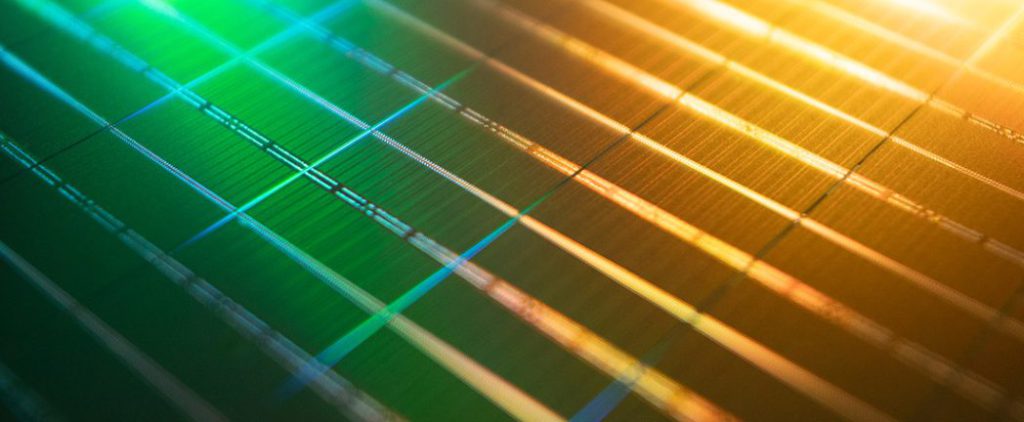
Micron is investing up to $200 billion to build a new US semiconductor manufacturing complex, targeting 40% domestic DRAM production by 2027. This will create tens of thousands of new jobs and reinforce US chip supply. See the official Micron U.S. expansion page for project information and workforce details.
10. Apple Vision OS 2.4

Apple Intelligence is transforming Vision OS with AI-powered writing tools and creative AI features. The update brings Genmoji, Smart Replies, and more, as officially outlined in Apple’s own feature release update.
9. Electric Aircraft Revolution

Combining batteries with hydrogen fuel cells, electric aircraft are slashing emissions and noise. The International Council on Clean Transportation’s performance analysis shows emissions reductions between 49% and 88% for regional flights and points to the transformative role of zero-emission flying.
8. Industrial 3D Printing Evolution
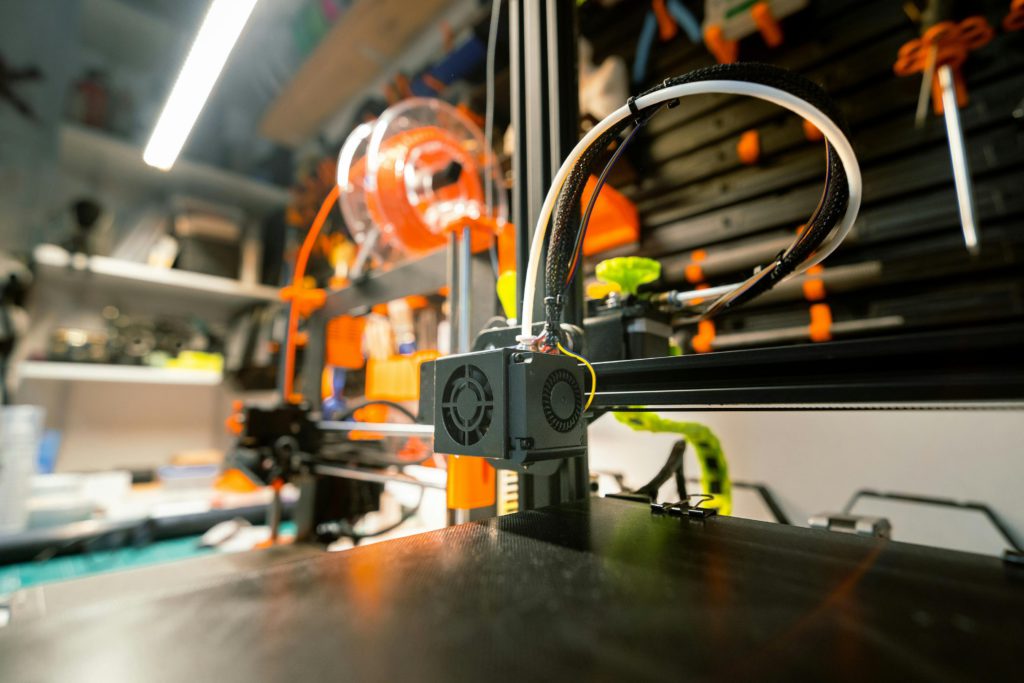
3D printers now produce manufacturing components, medical devices, and more. For a current summary of applications—from prototypes to end-use aerospace and medical parts—review this industry guide to 3D printing in manufacturing. Real-world industry use cases are expanding rapidly, driving on-demand, highly customized production.
7. 3D Printed Heart Technology
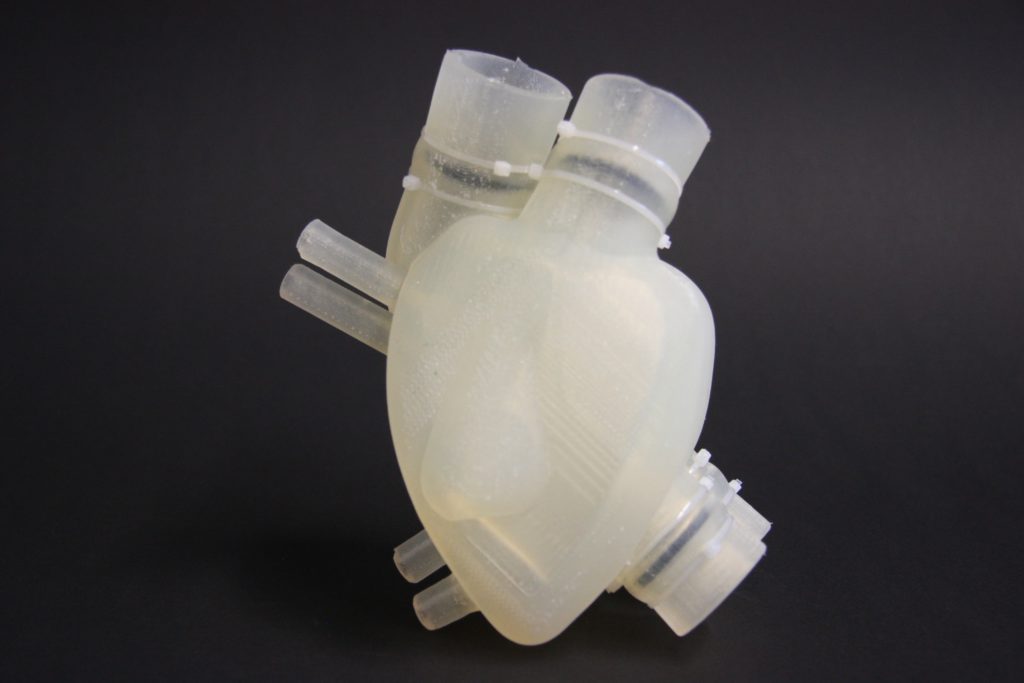
Engineers now build hearts from a patient’s own cells, layer by layer, and develop custom organs to reduce rejection risks. Not only does this protect health, but it may soon shrink waitlists. Readers can find research background in tissue engineering approaches to organ printing.
6. Quantum Computing Applications

Qubits exist in superposition, enabling quantum computers to tackle problems that classic computers cannot. For more, see IBM’s comprehensive quantum computing technology explainer, which details applications in science, cryptography, and industry.
5. Pulsar Sunbird Fusion Rocket

The Sunbird spacecraft’s direct fusion drive may reach speeds of 500,000 mph, compressing Mars missions to weeks. The fusion propulsion concept, although in early stages, is widely cited in space technology news and research briefings for its potential to unlock practical interstellar travel.
4. Blockchain Security Infrastructure

Blockchain creates tamper-proof records and enables transparent, decentralized transactions. To understand blockchain’s impact on trust, fraud prevention, and supply chain transparency, review this blockchain security overview.
3. Hydrogen Fuel Cell Vehicles
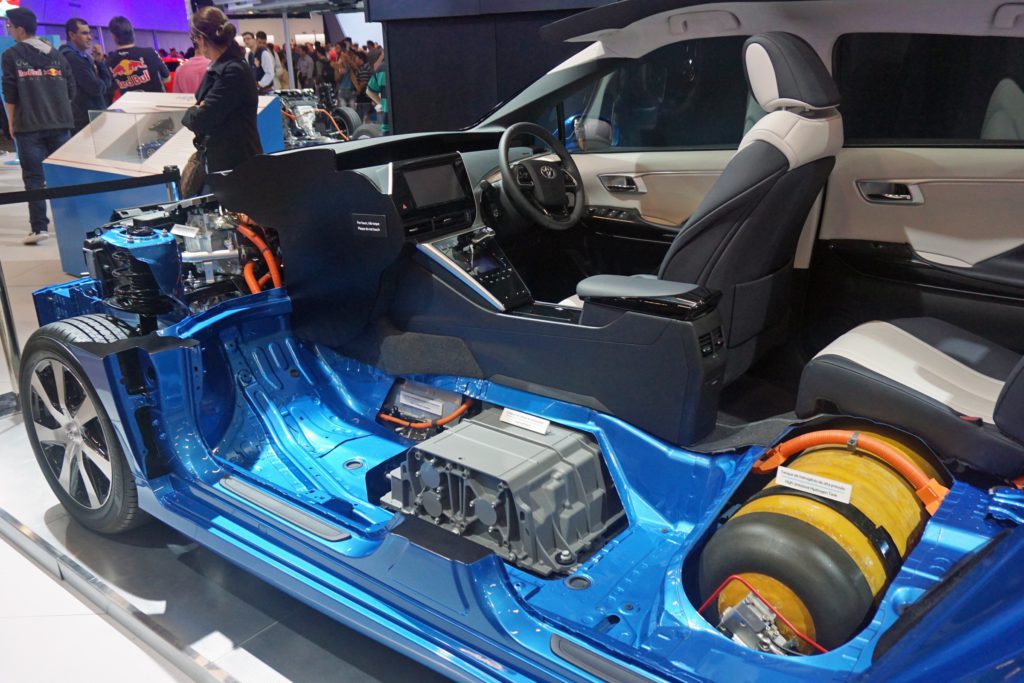
Hydrogen vehicles support emission-free long-haul transit where batteries fall short. For a summary of green hydrogen production and fuel cell vehicle advantages, the US Department of Energy’s hydrogen fuel cell vehicle basics is a good resource.
2. Edge Computing Networks
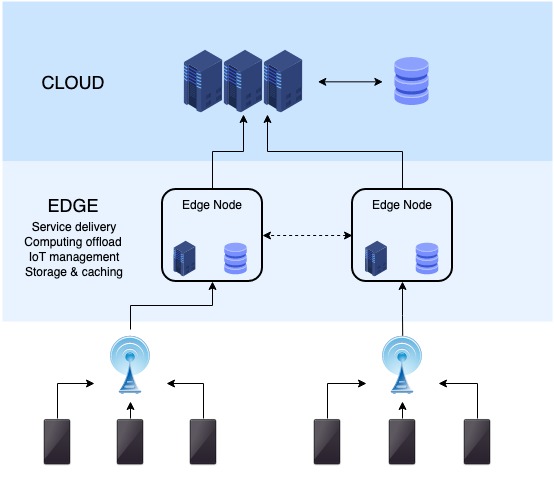
By processing data closer to users, edge computing reduces latency and enhances privacy. The Wikipedia introduction to edge computing offers essential technical background and sector applications.
1. Self-Healing Concrete Infrastructure
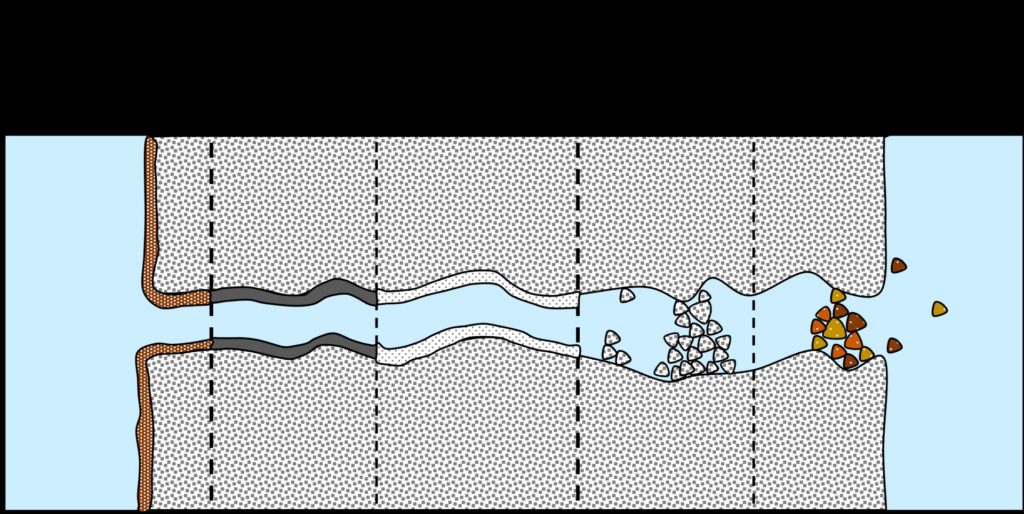
Special bacteria embedded in concrete “wake up” to fill cracks with limestone as soon as water seeps in, increasing lifespan and saving on maintenance. For developments in self-healing concrete, see this article on self-healing construction materials.