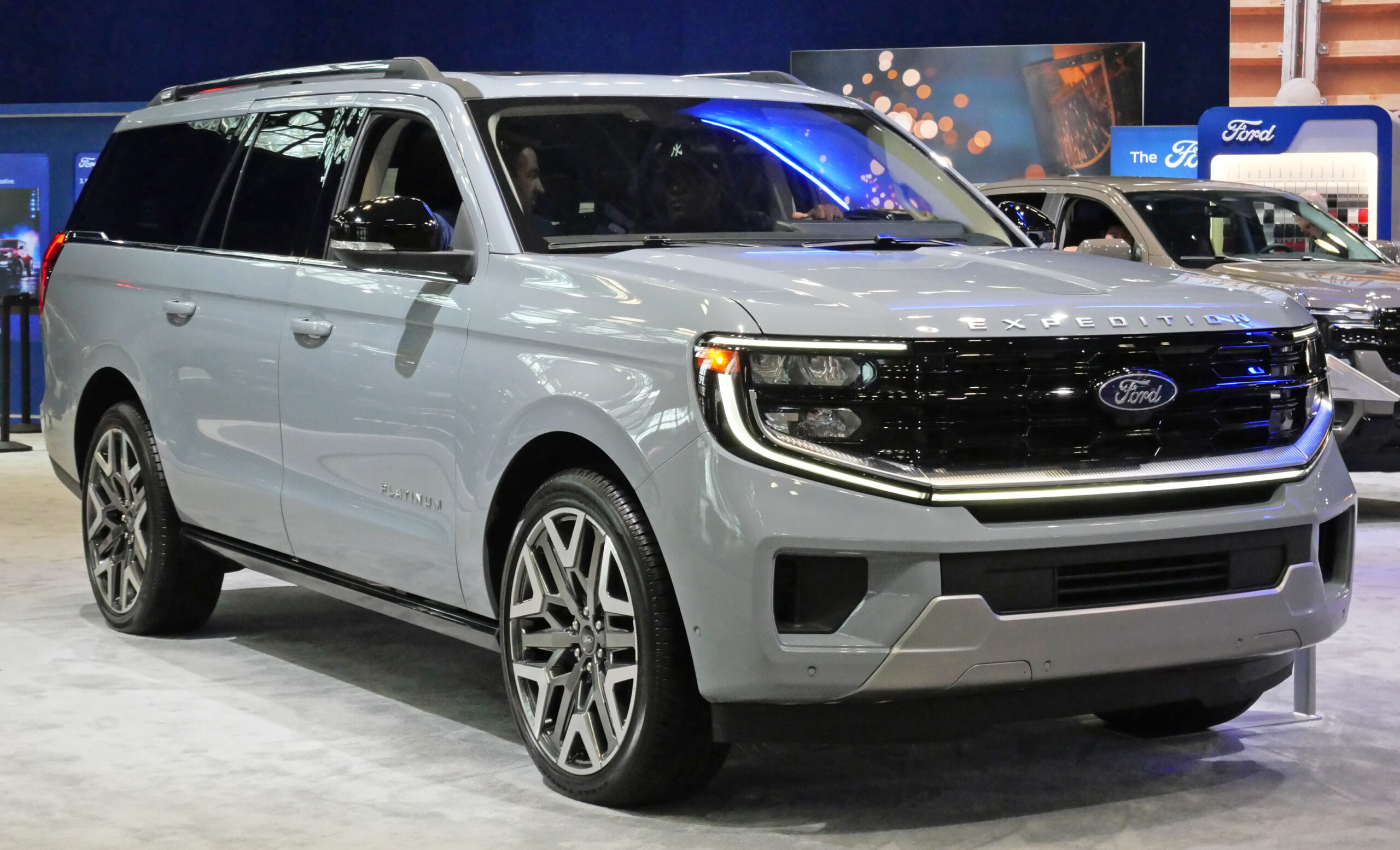
Every driver knows the parking lot panic. You swing your door open and hear that sickening thunk of metal meeting metal—or worse, you watch someone else’s door drift lazily toward your pristine paint job like a slow-motion nightmare. Ford thinks it has an answer: doors that brake themselves before impact.
The company’s newly patented smart door system reads like something from a sci-fi movie, but the engineering is refreshingly practical. An accelerometer tracks how fast you’re opening the door while an obstacle sensor scans for potential targets in the swing path. When both sensors detect trouble—fast opening speed plus obstacle ahead—mechanical brakes kick in. Not electronic suggestions or gentle warnings, but actual brake pads, springs, and levers that physically stop the door’s momentum.
This mechanical approach matters more than you might think. The automotive industry has learned hard lessons about purely electronic door systems. When sensors fail or software glitches, mechanical redundancy provides a crucial safety net. Ford’s hybrid approach combines digital intelligence with physical fail-safes, addressing the reliability concerns that have plagued fully automated door systems across the industry.
Ford filed the patent in July 2024, though the company maintains its standard disclaimer that patents don’t equal production plans. This door brake joins Ford’s growing collection of parking lot protection patents, including extendable running boards that shield against door dings and magnetic systems that reduce wind noise. The automaker seems genuinely committed to solving the mundane frustrations that cost drivers billions annually in scratches and dents.
Whether this technology reaches your driveway remains uncertain. Patent-to-production conversion in automotive runs notoriously low, and Ford hasn’t committed to timelines or models. But the engineering philosophy feels right: smart enough to help, mechanical enough to work when the smart parts don’t. Your future Ford might finally understand that sometimes the best technology is the kind that keeps your insurance premiums from spiking.