Finland’s Licensing and Supervision Authority (LVV) has ordered Google’s Finnish subsidiary, Tuike Finland Oy, to immediately suspend environmentally significant preparatory work at two planned data centre sites. The affected locations are Muhos and Kajaani. Work must stop no later than 23 October 2026 and remain suspended until the required environmental impact assessment process concludes.
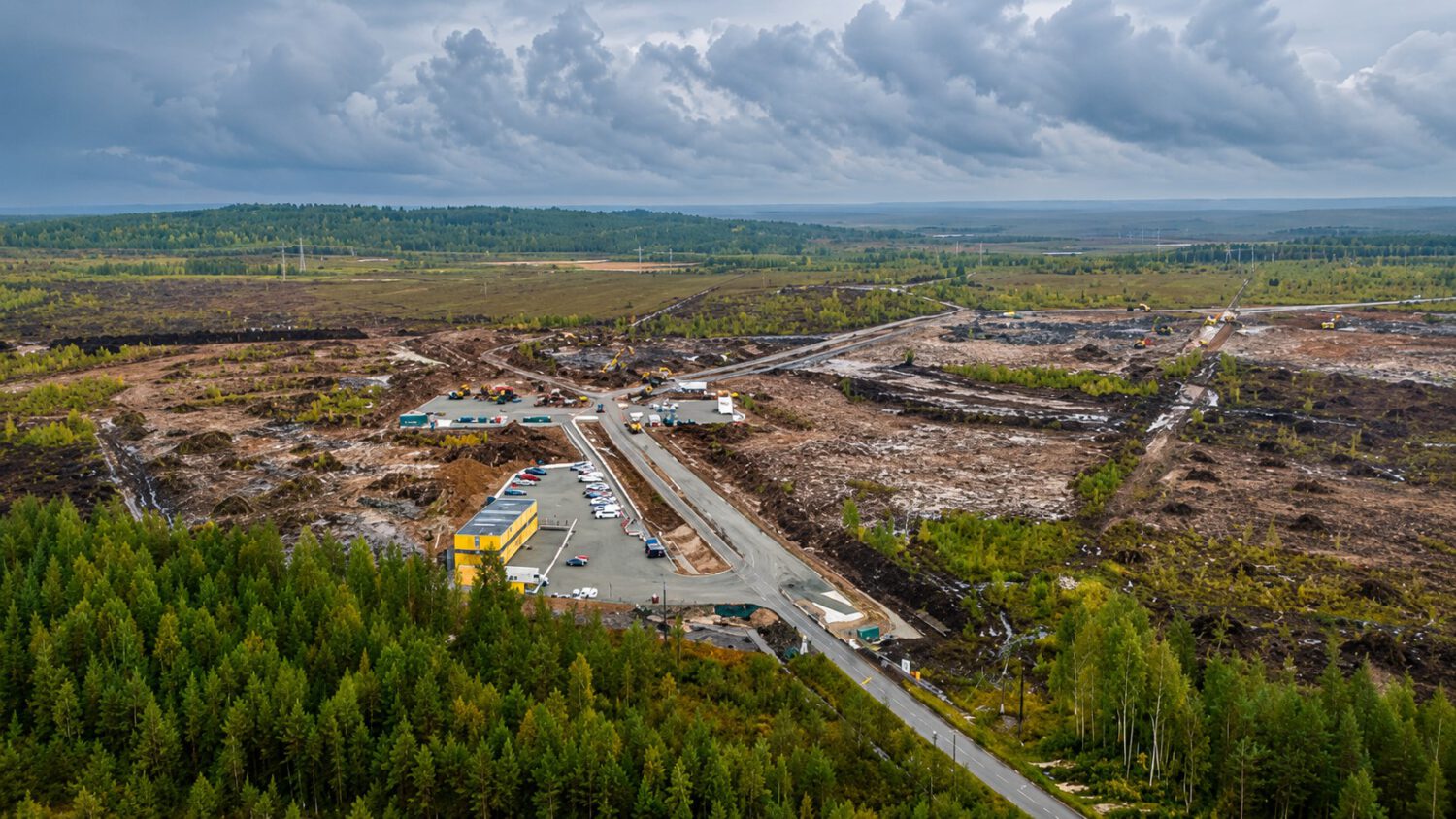
The order came after hundreds of hectares of forest had already been cleared or prepared before the required environmental impact assessments, known as EIAs, were finished. Regulators said the work proceeded in ways that could materially alter the environment before those effects were formally assessed.
What the Order Covers
LVV’s suspension targets the most disruptive categories of site preparation while leaving lower-impact activities in place.
The order prohibits tree removal, topsoil stripping, excavation, blasting, crushing, soil movement, ditching, and construction of roads and storage areas at both sites. Planning activities, measurements, and soil surveys may continue. Tommi Muilu, head of LVV’s environmental department, confirmed the authority considered the suspended activities environmentally consequential. He said they could significantly alter the environment in ways the EIA process is specifically designed to identify.
The Scale of Clearing
Reported figures indicate clearing at both sites had already far exceeded the threshold that triggers mandatory review under Finnish rules.
Approximately 330 hectares of forest had been cleared or prepared at Muhos, according to investigations cited in reporting, while work at Kajaani covered just under 200 hectares. Finnish rules reportedly require an EIA when forest is permanently removed from a contiguous area exceeding 200 hectares, though the underlying statutory provision was not independently supplied for verification. The Finnish Association for Nature Conservation described the Muhos site as having been reduced to a sand-covered area, according to reporting from Euronews.
Authorities reportedly determined as early as May that an EIA was required for the Muhos project, yet logging continued until August, according to reporting by Nordic Times. That sequence is central to the regulators’ concern.
Google said it understood the concerns and acknowledged falling short of its own standards. The company said it acted in good faith under the Forestry Act, conducted nature surveys, and introduced measures intended to protect high-value areas. Its biodiversity plans include planting trees across 130 hectares at Muhos, according to company statements.
Regulatory Stakes
Google’s subsidiary faces a firm deadline to explain its position, with enforcement action and potential fines available to regulators if the company does not comply.
Tuike Finland was given until 14 October 2026 to submit a written explanation and state how it intends to proceed. LVV said it could initiate enforcement proceedings and consider a fine if the company failed to comply. The suspension remains in force until both EIAs and the authority’s reasoned conclusions on environmental effects are complete, with assessments expected to conclude during 2026.
A Larger Bet, Now Under Scrutiny
The Finnish case sits within Google’s most ambitious European infrastructure commitment and raises questions that extend well beyond these two sites.
Muhos and Kajaani are part of Google’s broader €13bn Finnish data centre programme, described in reporting as the company’s largest single investment in Europe. The expansion also includes a planned facility in Vaala and an extension at the existing Hamina site. Demand for cloud computing and AI infrastructure has driven investment timelines across the continent, and Finland’s cool climate, available land, and renewable energy potential have made it an attractive destination for hyperscale development.
Across Europe, data centre developers face growing scrutiny over forest clearance, land use, energy and water consumption, and biodiversity loss. Local authorities are also under pressure to assess complex, fast-moving proposals they were not previously resourced to handle. For Google, the suspension raises immediate questions about timeline, cost, and what completed assessments will ultimately require. For the broader data centre industry, the Finnish case may clarify exactly when preparatory work on large-scale sites triggers mandatory environmental review.