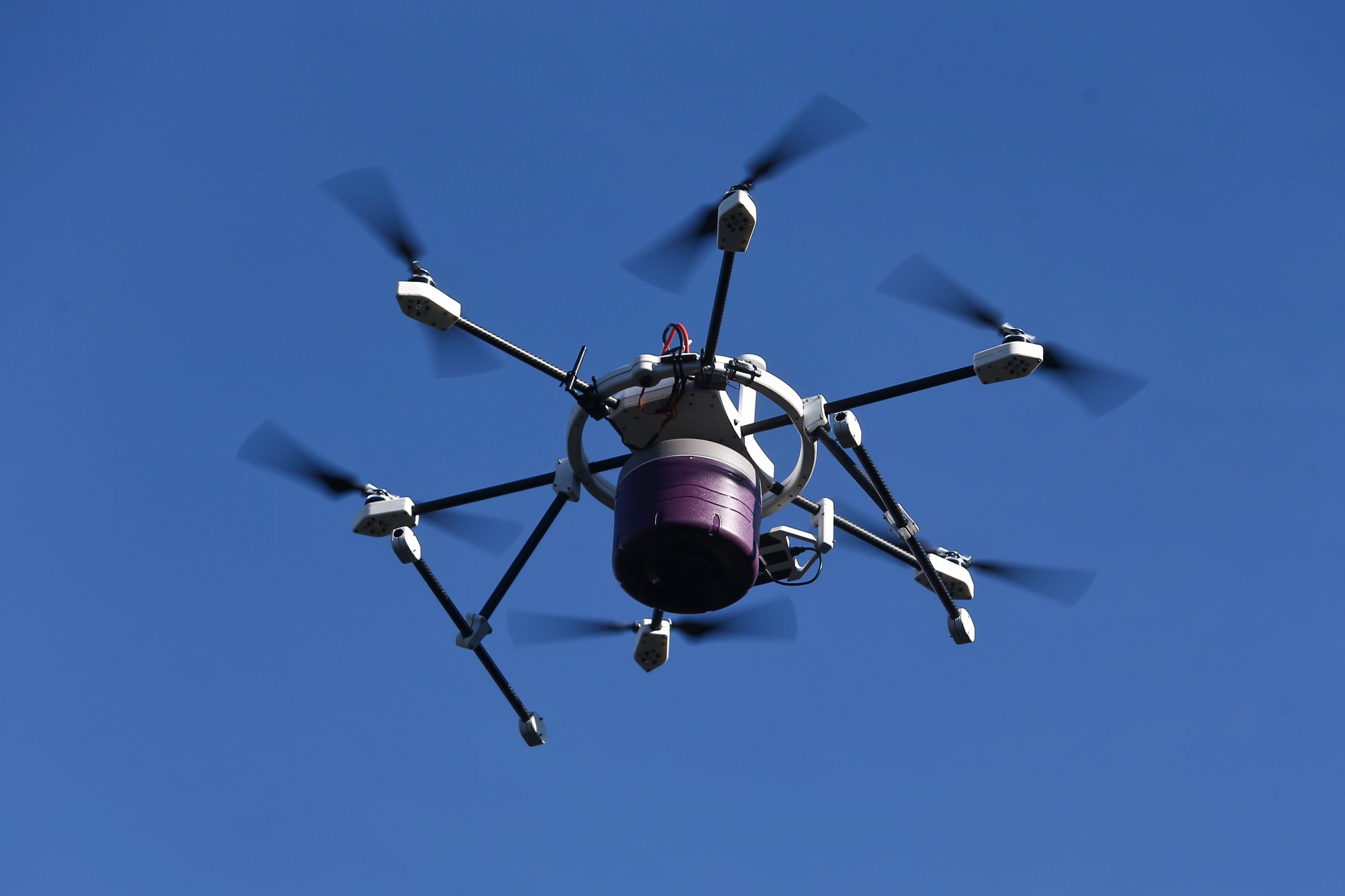
Regulatory red tape has strangled drone delivery dreams for years, but the FAA’s new Beyond Visual Line of Sight proposal just cut those chains. You know those Amazon drone deliveries you’ve heard whispers about? They’re about to get a lot less rare—and a lot more real in your neighborhood, joining the wave of innovative flying vehicles reshaping modern transportation.
The Bureaucratic Bottleneck Just Burst
The FAA dropped a game-changing proposal on August 6th that could transform how packages reach your doorstep. Instead of forcing companies through endless case-by-case waiver applications, the new BVLOS rule creates standardized approval pathways for drones up to 1,320 pounds flying below 400 feet.
Translation: scaling drone delivery just shifted from “someday maybe” to “probably sooner than your local DMV updates its website.”
Amazon and Walmart already operate limited services in select suburbs, but they’ve been hamstrung by regulatory complexity that made expanding feel like filing taxes in seventeen different states. Wing, Alphabet’s delivery arm, showcases what streamlined operations could look like—one pilot overseeing 32 drones, each carrying 2.5 pounds up to 12 miles round trip.
The White House’s “unleashing American drone dominance” directive signals policy alignment that removes unnecessary barriers while maintaining safety standards through TSA vetting and established air traffic protocols.
Your Municipality Gets a Say (Sort Of)
Here’s where things get interesting for local planning. Cities can’t regulate national airspace—that’s the FAA’s turf—but they absolutely control ground infrastructure, especially given recent security concerns around unauthorized drones breaching sensitive facilities like military base perimeters. Delivery hubs, charging stations, and landing zones all need:
- Municipal approval
- Zoning compliance
Dallas-Fort Worth already pioneered this approach, with towns like Princeton, Texas creating ordinances that define acceptable hub locations while letting the FAA handle flight paths. It’s like urban planning meets air traffic control, with your city council suddenly debating drone noise levels alongside parking regulations.
The proposal includes safety requirements that operators must meet:
- TSA vetting for operators
- Yielding to all crewed aircraft
- Maintaining safe separation protocols
- Real-time communication coverage
Reality Check: What You Can Actually Expect
Despite the regulatory breakthrough, don’t expect your next grocery haul arriving via drone squadron. Current operational sweet spots favor small, time-sensitive orders—think:
- Ice cream runs
- Pharmacy pickups
- Emergency phone charger deliveries
Wing’s 2.5-pound payload limit tells the real story. This technology excels at delivering convenience, not replacing your weekly Target run.
The proposal enters a 60-day public comment period before any finalization. Even then, expansion depends on operator readiness, community acceptance, and local zoning decisions. Some neighborhoods might embrace their aerial delivery future; others will fight it harder than HOA battles over fence colors.
Your drone delivery timeline likely depends more on your zip code’s political climate than regulatory approval. But with standardized federal pathways finally in place, expansion to major metros like Atlanta, Charlotte, Houston, Orlando, and Tampa—where Wing already has Walmart partnerships planned—could happen within the next 12-18 months.