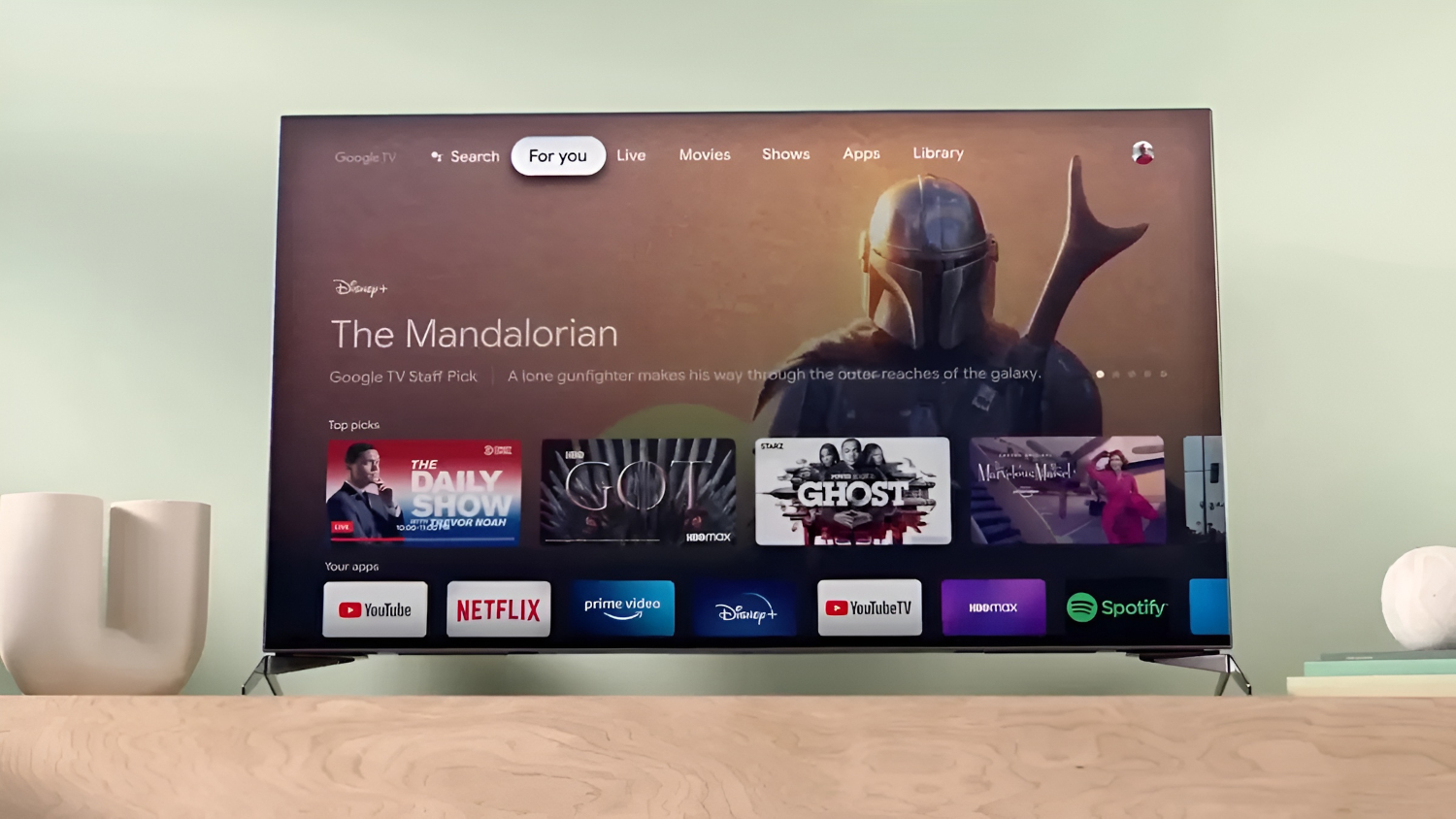
The television you bought also functions as an ad surface you never agreed to rent. Smart-TV interfaces increasingly serve sponsored recommendations, promotional panels, and preinstalled apps alongside the streaming content you actually want. Two projects highlighted in recent reporting are now showing how secretly tracking users has pushed developers to build AI-assisted workflows that can change that.
The Projects Making TVs Simpler
Two open tools aim to strip manufacturer clutter from Android-based televisions, with AI handling the technical steps.
Dumbtv targets Fire TV Edition and Android/Google TV platforms. Supported hardware includes televisions from Sony, TCL, Philips, Hisense, and Xiaomi, as well as Nvidia Shield devices, according to TechCrunch reporting from October 2026. Its stated goals include removing interface advertising, limiting viewing tracking, and blocking unwanted updates.
Cleanyourtv takes a Wi-Fi-based approach for Android TV and Google TV devices. It requires no root access and is designed to allow a return to factory settings, according to the same reporting. Its creator used Claude Code, an AI coding agent from Anthropic, to remove advertising and clutter from a family television, then published the method. Users have since reportedly tested it on devices from Xiaomi, TCL, Sony, LG, and Fire TV, among others.
What Smart TVs Are Actually Doing
Interface ads are the visible problem; Automatic Content Recognition running quietly in the background is the less obvious one.
Beyond cluttered home screens, many smart TVs use a technology called Automatic Content Recognition, or ACR, which periodically analyzes what appears on your screen using video or audio fingerprints. ACR can identify programming from built-in apps, broadcasts, and HDMI-connected devices, according to research published in Convergence and by University College London. A surveillance app backlash has similarly spurred grassroots tool-building in other contexts.
That viewing data supports audience profiling and personalized advertising. UCL research also found that ACR can continue identifying content from external sources even when your television functions primarily as an external display. It is worth noting that ACR on some platforms, including certain Samsung models, is described as optional and consent-based, so the scope of data collection depends on your specific device and settings.
What AI Changes and What Can Go Wrong
AI lowers the barrier to TV modification, and it lowers the barrier to mistakes too.
Traditional TV modification means forum searches, learning Android Debug Bridge commands, and identifying which system packages are safe to remove. AI coding agents compress that process by translating plain-language requests into device-specific instructions, making the workflow more accessible without requiring formal programming knowledge.
The accessibility cuts both ways. An AI agent can generate commands that misidentify your firmware version, a package dependency, or a recovery path. At least one anecdotal account describes an Android TV becoming unusable after an AI-guided modification, according to TechCrunch. These are user reports, not verified failure rates, but they reflect a real category of risk.
Compatibility also varies by chipset and launcher implementation, even between two televisions sharing the same operating system label. Disabling system packages can affect remote-control behavior, HDMI-CEC, casting, voice assistants, or factory-reset procedures in ways that are not always reversible.
Lower-Risk Options Worth Knowing
Launcher replacements and built-in privacy settings offer a safer starting point for most users.
Third-party launchers such as ATV Launcher, Projectivy Launcher, and FLauncher replace the manufacturer home screen without requiring system-package changes, making them generally lower risk than deeper modifications. Built-in privacy controls are also worth checking before attempting anything more involved. Users who find these frustrating computer problems familiar may find the launcher route a practical first step.
Samsung labels its ACR feature Viewing Information Services; LG calls its equivalent Live Plus. Disabling ACR reduces personalized viewing-based advertising, though Consumer Reports notes it does not eliminate all ads, and Engadget points out that naming and implementation differ across platforms and regions.
The broader signal here is about ownership. Your television is increasingly judged not by how many features it stacks on, but by how effectively it gets out of the way. Launcher swaps and privacy-setting changes are likely to become the more common path forward, while firmware-level modifications remain in enthusiast territory for now.