A judge praised an AI-generated video of a dead man speaking forgiveness, and an Arizona appellate court found that enthusiasm was precisely the problem. The conviction stands; the sentence does not.
On September 30, 2026, the Arizona Court of Appeals vacated Gabriel Paul Horcasitas’ 10½-year manslaughter sentence. The court ruled that an AI-generated depiction of the deceased victim’s voice and thoughts crossed from authentic victim-impact evidence into unreliable synthetic material, constituting “fundamental error” in the sentencing process.
Background: The Shooting
A 2021 road-rage confrontation left one man dead and set the legal dispute in motion.
Horcasitas was convicted of manslaughter and endangerment in the fatal shooting of Christopher Pelkey. Maricopa County Superior Court Judge Todd Lang sentenced him to 10½ years, the maximum available for manslaughter.
The Video That Unraveled the Sentence
Pelkey’s sister built an AI-generated version of her brother to speak at sentencing, and a judge said he loved it.
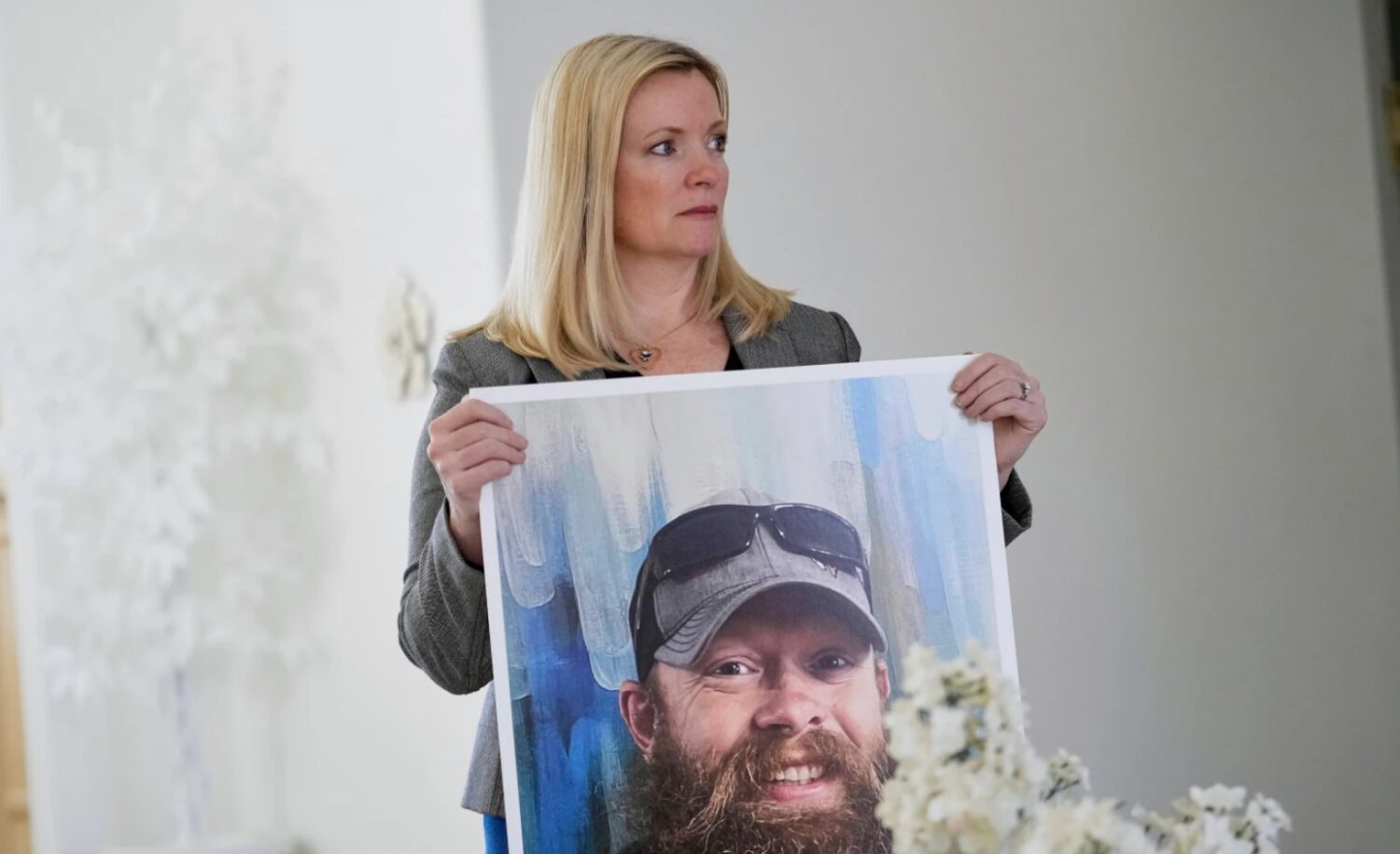
Stacey Wales, Pelkey’s sister, created the video using her brother’s likeness, an AI-generated voice, and synthetic statements she imagined he would have said. In it, a simulated Pelkey expressed forgiveness toward Horcasitas and suggested the two might have been friends in another life.
The appeals court drew a clear line: authentic footage of Pelkey was permissible at sentencing, but the AI-generated portions were not. According to the court, the synthetic material depicted Pelkey’s thoughts based on “the imaginings of the victim’s sister,” not words he had actually spoken.
Judge Lang told the courtroom he “loved” the video and considered its expression of forgiveness genuine, according to reporting from the sentencing record. Despite noting Horcasitas’ remorse and previously lawful life, Lang still imposed the maximum sentence.
The appeals court concluded that the video clearly affected Lang’s sentencing decision, rendering the process “fundamentally unfair.” Horcasitas had argued, on due-process grounds, that relying on the AI-generated material prejudiced his sentencing; the court’s fairness analysis reflected that concern.
Prosecutors argued the video reflected what Wales genuinely believed her brother would have said, consistent with his known values. The court rejected that rationale. Sentencing evidence must be sufficiently reliable, and imagined thoughts presented in a synthesized voice did not meet that standard in this case.
What the Ruling Changes
Horcasitas will face a new sentencing hearing, but the question of how courts treat AI-generated evidence is only beginning.
His manslaughter conviction remains intact; only the sentence was vacated. He will be resentenced without the AI-generated material, though details of any future hearing timeline remain unclear.
In this case, the court distinguished admissible real footage of Pelkey from the challenged AI-generated content. That distinction signals that synthetic statements generated after a victim’s death, and presented in that person’s simulated voice and likeness, are likely to face serious reliability and fairness challenges in future proceedings. The court itself noted the case raised a novel question under Arizona law, with no prior Arizona case identified by the court directly governing AI-generated victim-impact material.
The technology to reconstruct a dead person’s voice and face has moved faster than the rules governing courtroom use of that technology. State v. Horcasitas puts that gap on the record.