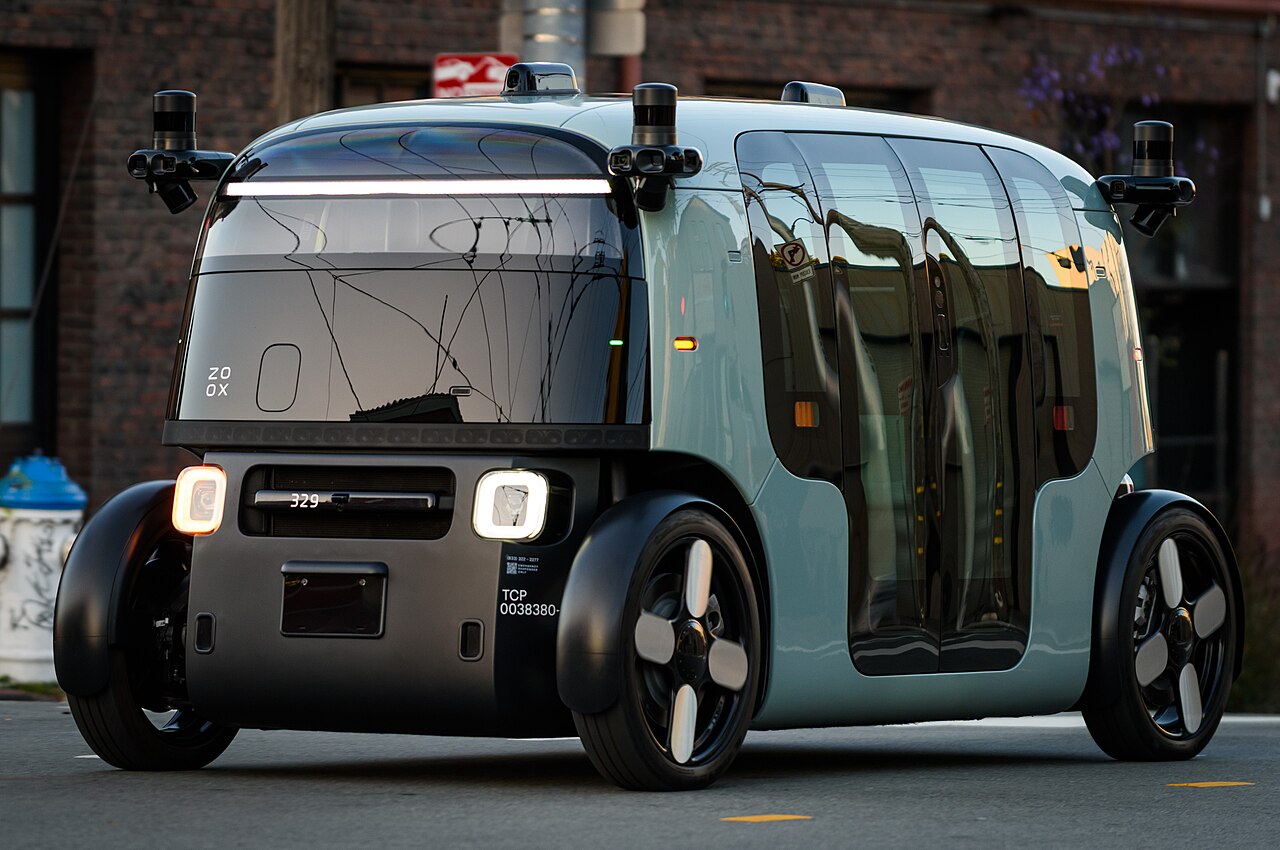
What if your future robotaxi could spot a distracted pedestrian before traditional cameras even register movement? That scenario just moved closer to reality thanks to brain-inspired transistors that process visual information like your retina does—and they’re 400% faster than current systems.
Retina-Inspired Processing Cuts Through Visual Noise
These synaptic transistors focus on motion changes instead of processing entire image frames.
Northeastern University Professor Ravinder Dahiya and his team cracked a fundamental problem with autonomous vehicle vision. Rather than analyzing every pixel in every frame like a Netflix binge-watcher scrutinizing background details, these neuromorphic transistors zero in on “temporal motion cues”—the visual changes that actually matter. Your brain’s retina already does this effortlessly, filtering movement from static backgrounds. Silicon can now mimic that biological efficiency, reducing computational load while speeding up critical safety decisions.
400% Speed Boost Tested in Real-World Scenarios
Nature Communications published results show dramatic improvements in AV driving simulations.
The numbers speak volumes: these synaptic transistors deliver four times faster visual analysis than traditional image processing systems. Published in Nature Communications, the research tested scenarios involving autonomous vehicle driving and robotic arm operations. While your current smartphone camera processes images linearly, these brain-inspired chips simulate neural pathways to identify threats faster. That speed difference could mean the gap between a close call and a collision when split-second decisions matter most.
Beyond Robotaxis: Smart Glasses and Industrial Applications
The technology extends to wearables and factory robots for enhanced object recognition.
Smart glasses could soon identify objects before you finish looking at them. Dahiya’s transistors aren’t limited to autonomous vehicles—they’re designed for any system requiring rapid visual processing. Industrial robots could spot defective products on assembly lines more efficiently, while augmented reality glasses might overlay information about objects you’re viewing in real-time. The applications feel like something from a sci-fi film, except the hardware exists today.
Commercialization Still Faces Infrastructure Hurdles
Major tech companies lack the neuromorphic hardware needed for mass production.
Despite breakthrough performance, these brain-inspired chips remain largely academic. Companies like NVIDIA haven’t built the analog neuromorphic infrastructure needed for commercial production. Dahiya acknowledges the industry needs “extra effort” to develop supporting hardware ecosystems. Your robotaxi won’t feature these safety improvements tomorrow, but the foundation for dramatically safer autonomous systems now exists—it just needs Silicon Valley to catch up with the science.