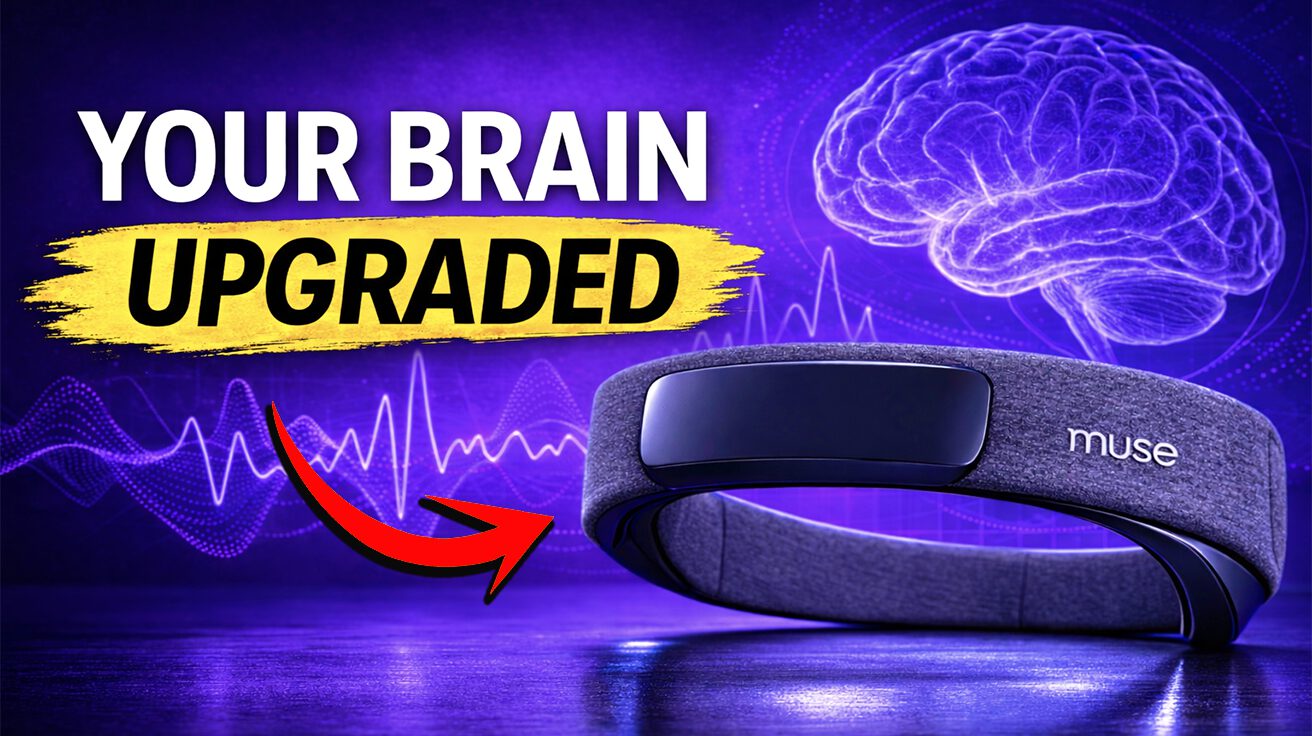
Your brain operates more like that old Tamagotchi you forgot to feed than the supercomputer you’d prefer. Temperamental, prone to digital death when ignored, and desperately needing attention. Fortunately, biohacking your brain health doesn’t require implanting microchips or channeling your inner mad scientist. It’s about optimizing mental performance through smart habits and strategic choices. Think “Limitless,” minus the questionable side effects and pharmaceutical drama. If your gray matter feels more dial-up than 5G lately, your cognitive upgrade starts here.
This content may contain affiliate links. If you wish to support us and use these links to buy something, we may earn a commission.
5. Neurofeedback Headbands
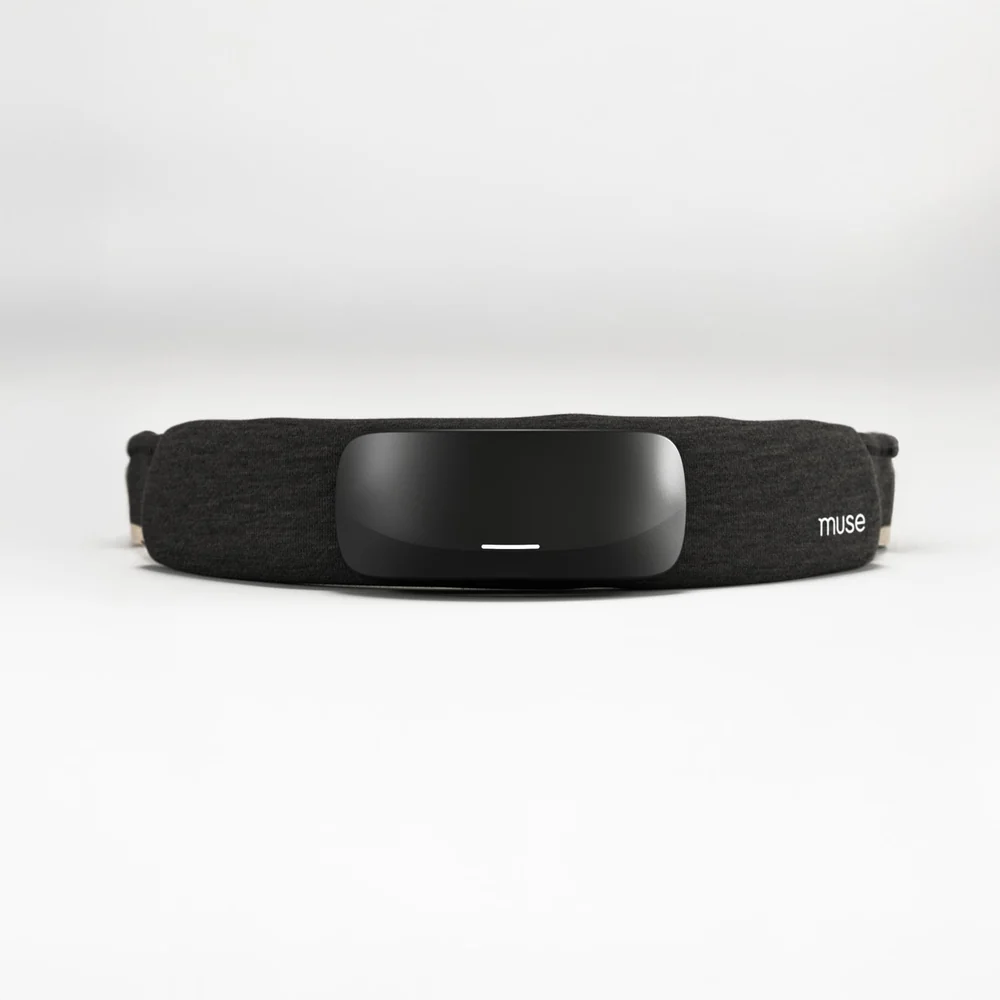
Train your brain like it’s preparing for the mental Olympics.
Anyone who’s tried meditation knows the struggle: sitting still while your mind ping-pongs between grocery lists and existential dread. Neurofeedback headbands like the Muse 2 monitor your brainwaves in real-time, providing audio cues when your focus drifts. The device reads your EEG signals and translates them into soundscapes—stormy weather when you’re distracted, calm beaches when you’re centered. It’s like having a personal trainer for your prefrontal cortex, minus the shouting and protein shake recommendations.
4. Red Light Therapy Devices
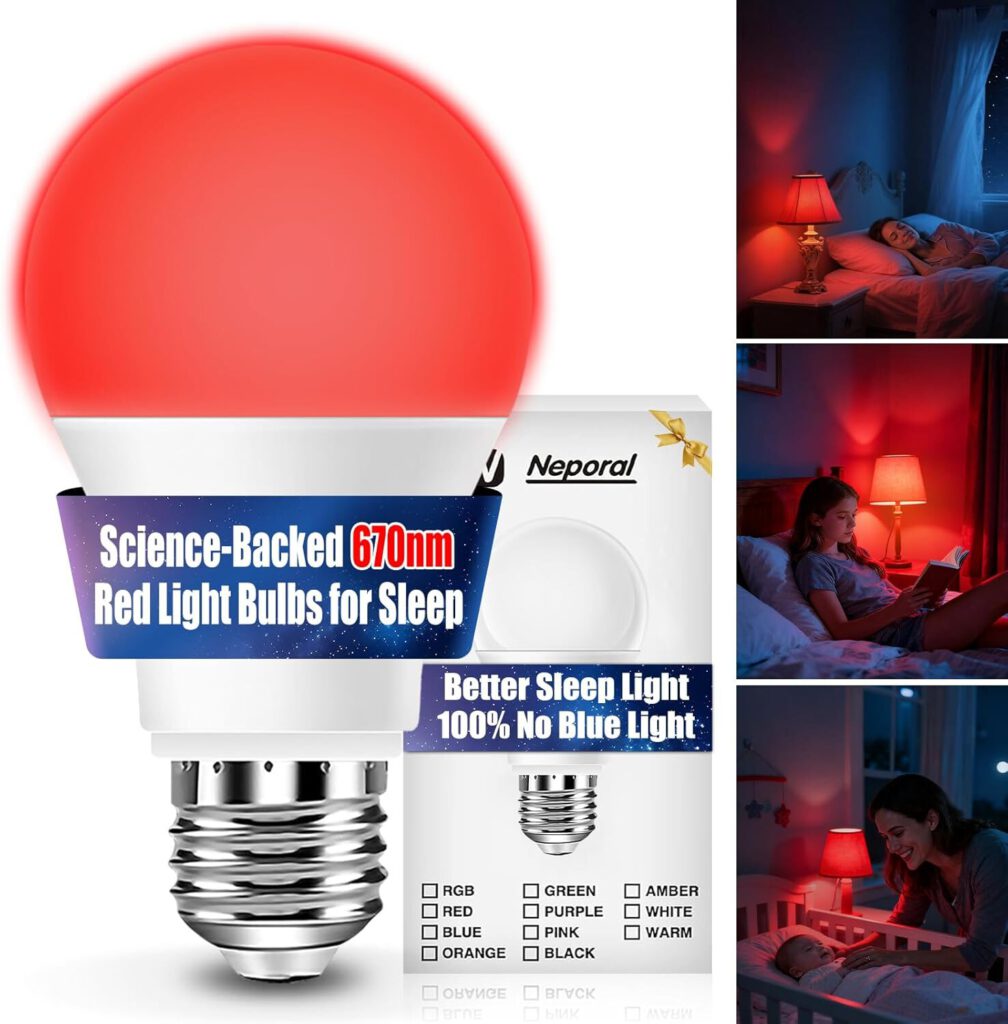
Photobiomodulation meets convenience in a desktop-friendly package.
Red light therapy sounds like something from a sci-fi movie, but the science is surprisingly solid. Devices like the Joovv Mini emit specific wavelengths (660–850nm) that penetrate tissue and potentially boost cellular energy production. Studies suggest these frequencies may improve cognitive function and reduce brain fog by enhancing mitochondrial activity. The experience resembles sitting under a very sophisticated heat lamp, which beats the alternative of expensive spa treatments or questionable online supplements.
3. Sleep Optimization Wearables
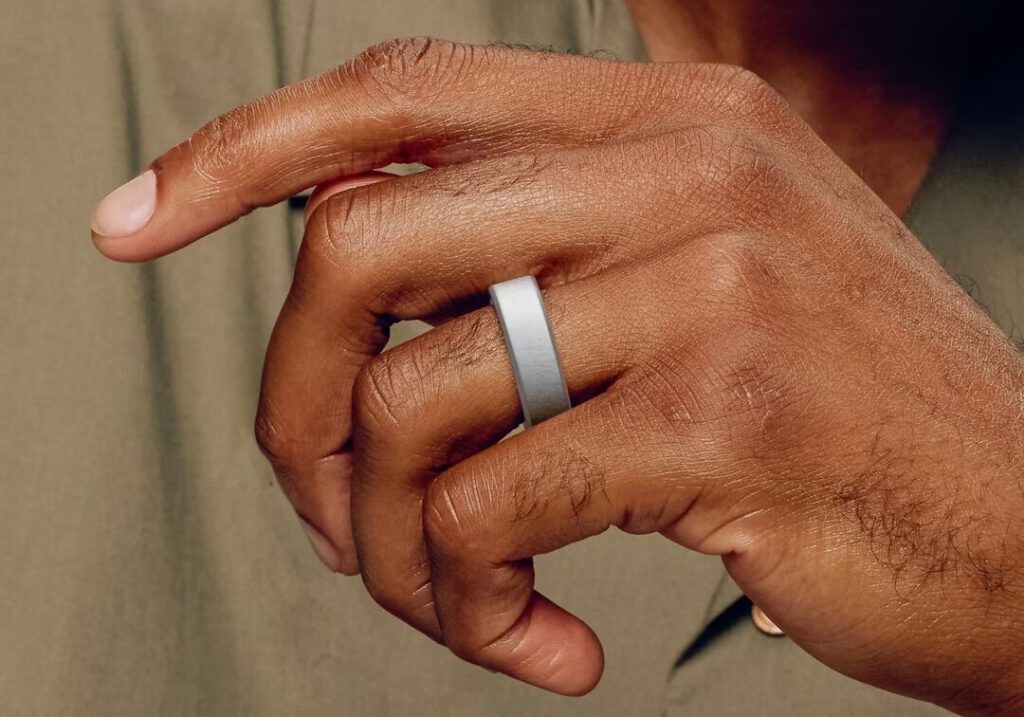
Because your brain’s maintenance crew only works the night shift.
Sleep trackers have evolved beyond counting steps to monitoring sleep stages, heart rate variability, and recovery metrics. Devices like the Oura Ring or WHOOP strap provide detailed insights into your sleep quality and readiness scores. Quality sleep directly impacts memory consolidation, cognitive performance, and emotional regulation. These wearables help identify patterns and optimize your sleep environment, turning bedtime from guesswork into a data-driven recovery strategy.
2. Transcranial Stimulation Devices
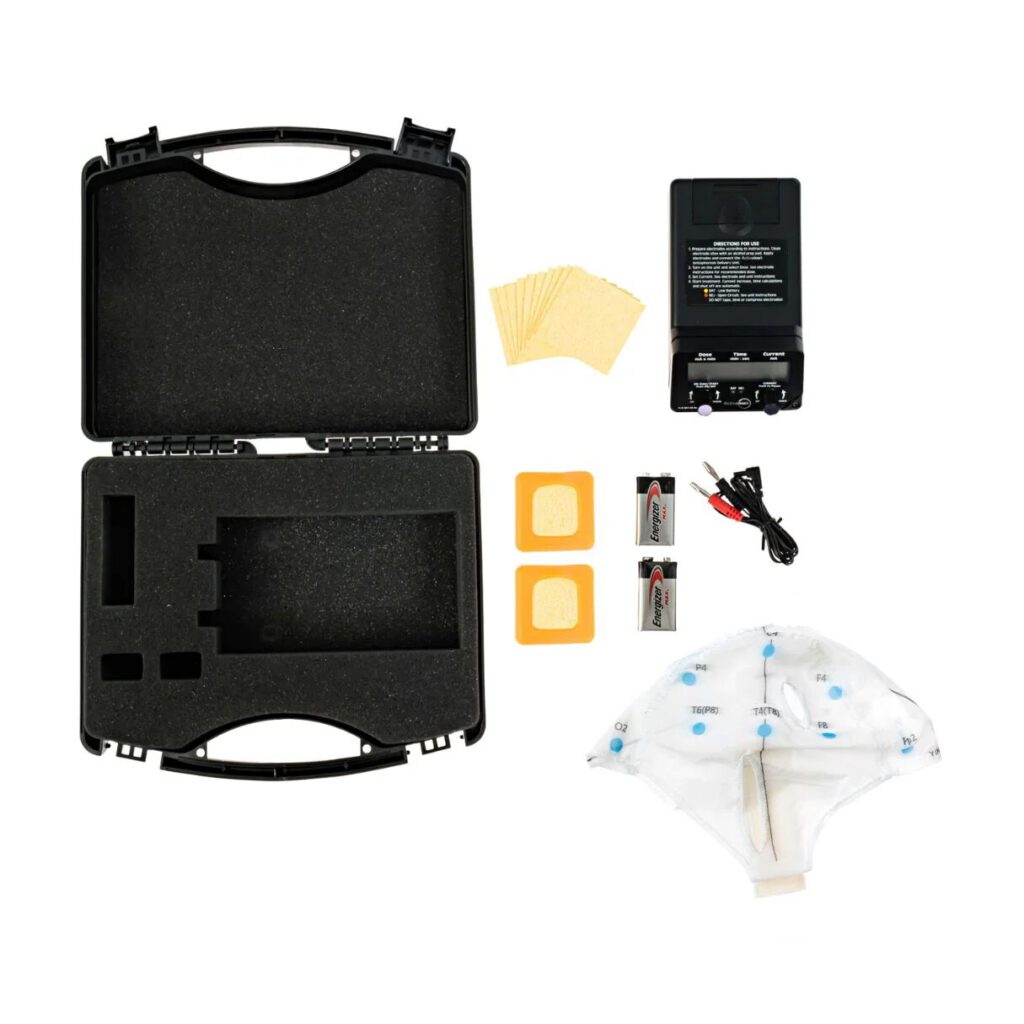
Gentle electrical nudges for when your neurons need encouragement.
Transcranial direct current stimulation (tDCS) devices deliver low-level electrical currents to specific brain regions, potentially enhancing neuroplasticity and cognitive function. FDA-cleared options like the Flow headset target areas associated with focus and mood regulation. The sensation feels like a slight tingling, not the dramatic lightning-bolt experience you might expect. While research continues, early studies suggest benefits for attention, working memory, and learning capacity when used consistently over time.
1. Cognitive Training Platforms
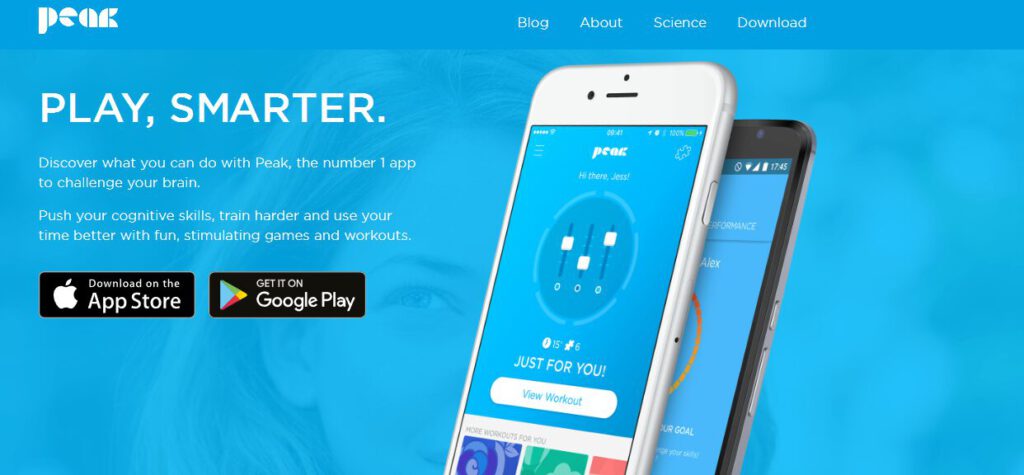
Mental gymnastics that actually serve a purpose beyond Wordle bragging rights.
Brain training apps have matured beyond simple memory games to scientifically-designed cognitive exercises. Platforms like Peak or Lumosity offer personalized workouts targeting specific cognitive domains: processing speed, attention, memory, and problem-solving. The key lies in progressive difficulty and varied challenges that prevent your brain from getting too comfortable. Think of it as cross-training for your mind—mixing different exercises to build overall cognitive fitness rather than just getting really good at one particular mental task.