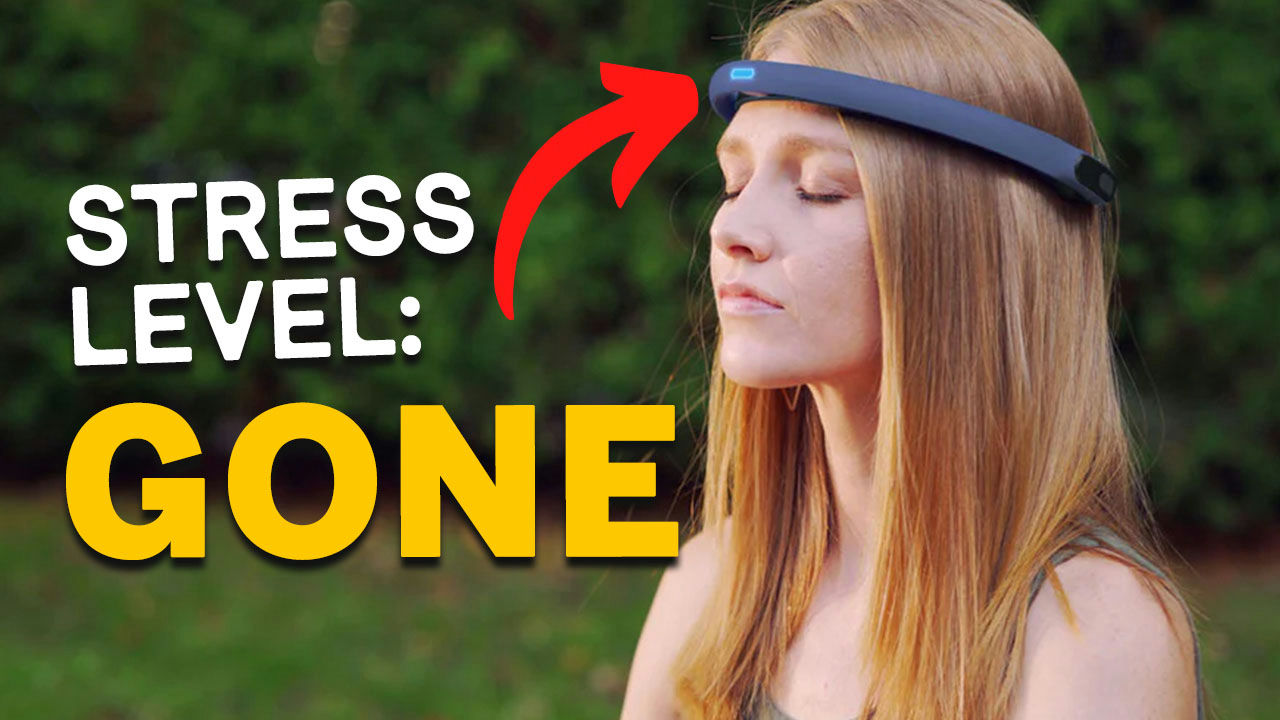
Over 1 billion minutes of user data backs consumer neurofeedback devices, and they’re no longer just toys for Silicon Valley types obsessing over their next cognitive upgrade. These brain-training wearables promise sharper focus, better sleep, and maybe even that elusive inner zen. Think Fitbit for your prefrontal cortex, minus the guilt trips about daily steps. Here’s what actually works in 2026—devices with clinical backing, user-friendly design, and features beyond flashy marketing.
This content may contain affiliate links. If you wish to support us and use these links to buy something, we may earn a commission.
8. Muse S Athena
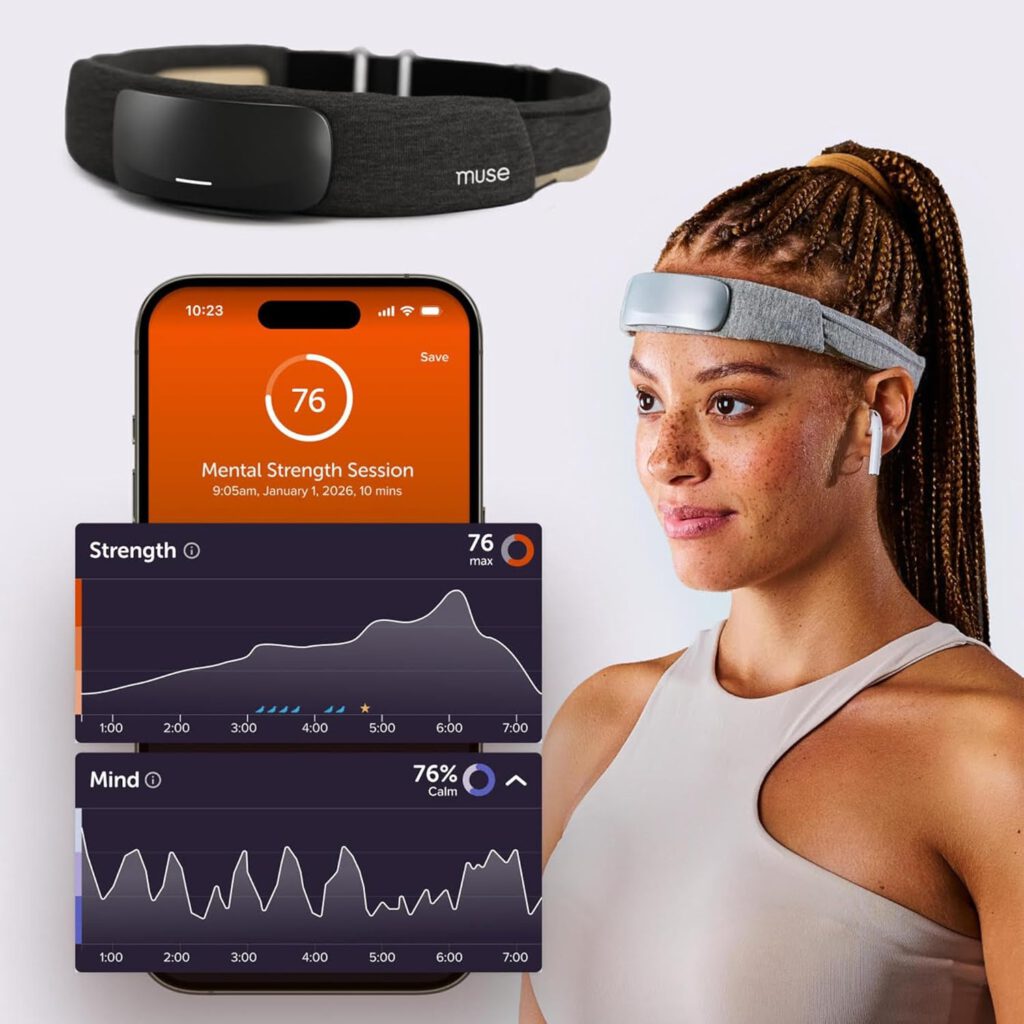
The all-around champion for meditation mavens and data-hungry biohackers alike.
With over 1 billion minutes of user data, Muse S Athena isn’t just another headband—it’s like having a mindfulness coach living rent-free in your brain. This device combines EEG (electroencephalography, measuring electrical brain activity) with 4 channels plus fNIRS sensors. Consider it a Swiss Army knife for your prefrontal cortex, tracking everything from sleep quality to stress levels with clinical study validation, including a 180-day Long COVID trial.
The Athena coaches in real-time with audio cues and over 500 guided meditations. AI-powered neurofeedback adjusts your training on the fly—like having a personal trainer who actually knows what your neurons are up to. For serious biohackers, developer SDK access lets you build custom applications. Who knew optimizing your mind could get so hands-on?
7. Sens.ai
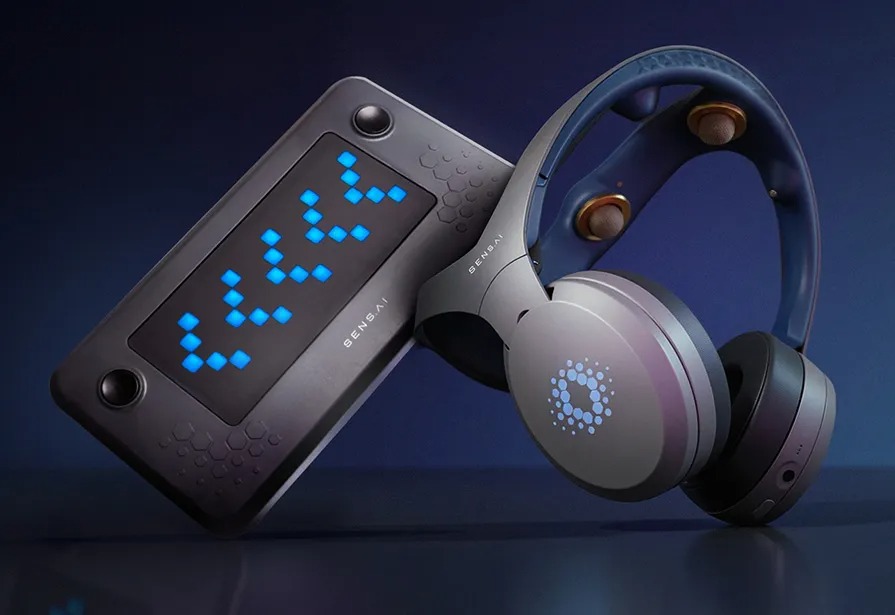
Premium multi-sensor powerhouse for users who want every bell and whistle.
Hunting for the neurofeedback equivalent of a luxury car with all the options? Sens.ai integrates EEG with 2 channels, HRV (heart rate variability), and photobiomodulation (PBM/red light therapy). It’s like the mad scientist version of cognitive enhancement, combining multiple technologies in one sleek package.
Personalized protocols target both cognitive performance and relaxation, which sounds great if you enjoy having choices. Fair warning: this isn’t your beginner-friendly meditation app. The higher cost and complex interface make it ideal for committed users who appreciate depth over simplicity.
6. Neurosity Crown
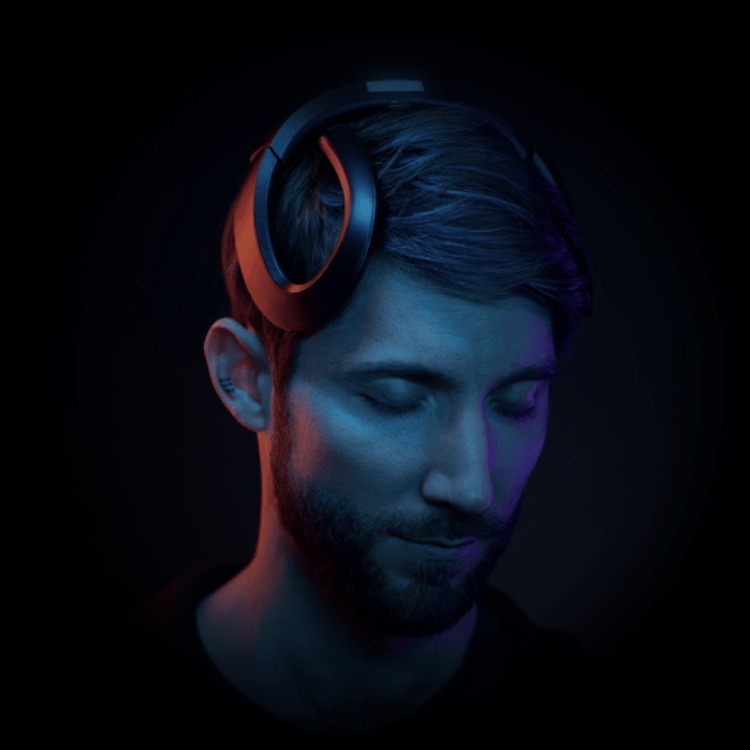
Developer paradise with serious data access for productivity-focused professionals.
Using an 8-channel EEG setup, Neurosity Crown delivers raw brain data like an open bar at a tech convention. This wearable tracks productivity, focus, and cognitive load via its accelerometer and gyroscope, giving you unprecedented insight into your mental performance.
Raw data access and API functionality let you build custom brain-computer interfaces. The Crown skips casual meditation entirely—it’s productivity optimization for people who get excited about tweaking settings and diving into datasets.
5. Mendi
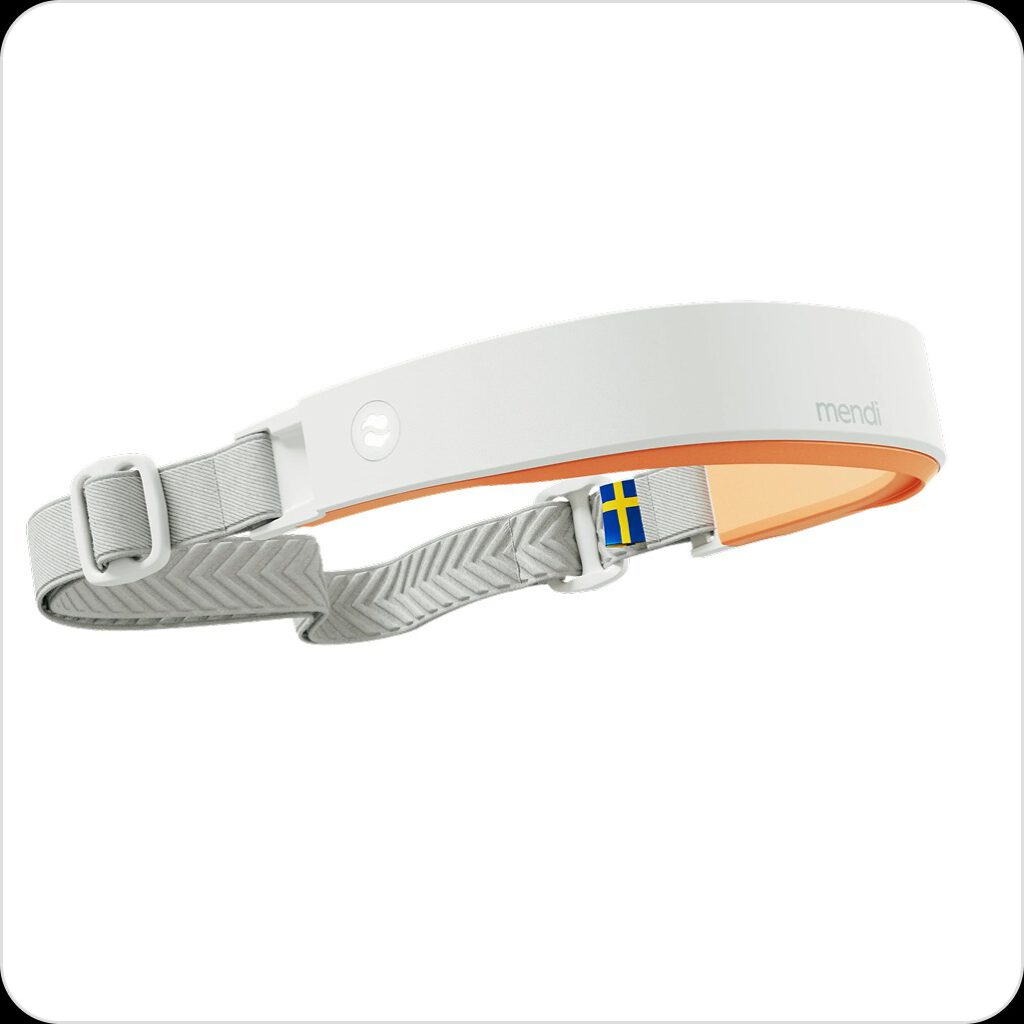
Beginner-friendly focus training that won’t require a neuroscience degree.
Mendi tracks prefrontal cortex blood flow via fNIRS (functional near-infrared spectroscopy)—harmless light that reads blood flow rather than brain waves. The data appears as a simple visual bar in its app, making focus training dead simple to start.
Priced affordably, Mendi offers an accessible entry point without structured programs or multi-sensor complexity. If seeing a bar rise when you hit the zone sounds appealing, this might be your speed.
4. FocusCalm
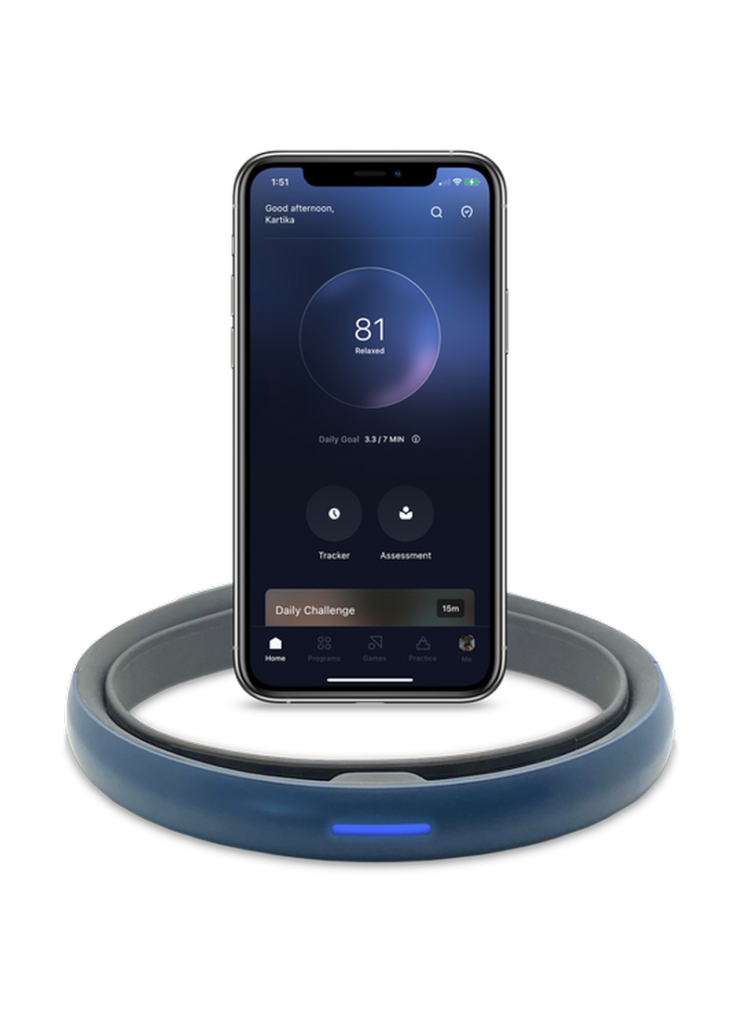
Gamified stress relief for casual users who want quick wins.
Think meditation apps meet casual gaming. FocusCalm uses 1-channel low-res EEG to gamify your calm, turning stress relief into something more engaging than dodging passive-aggressive work emails.
Quick 5-minute sessions help you feel less like a human stress ball without needing advanced technical knowledge. Just know that single-channel EEG provides “good enough” data resolution rather than groundbreaking insights.
3. Emotiv EPOC X
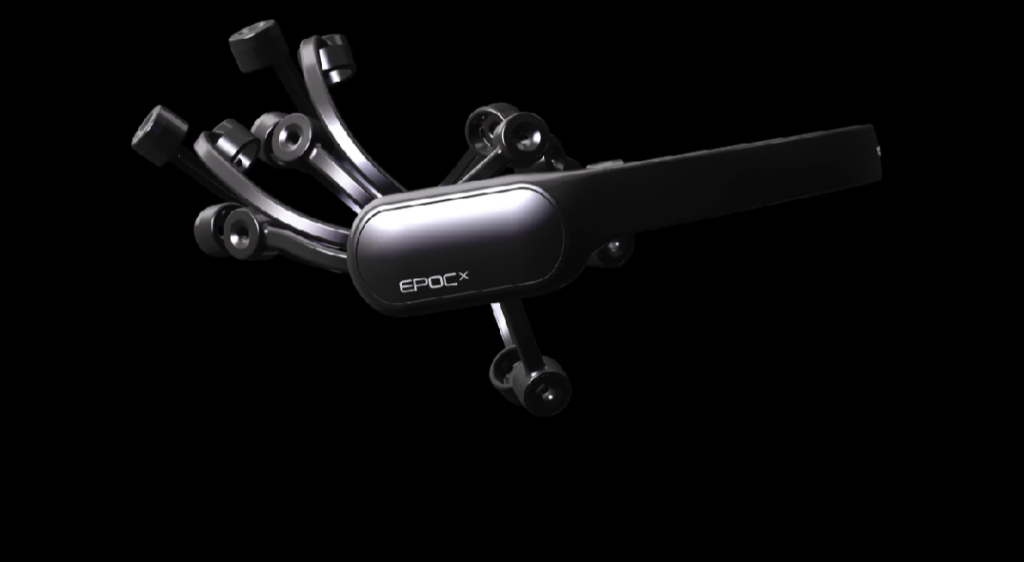
Research-grade precision for serious brain-computer interface work.
The Emotiv EPOC X, with its 14 channels, targets research and Brain-Computer Interface applications rather than casual consumer use. Think high-definition TV for brain activity—except instead of reality show reruns, you’re tracking neural oscillations with scientific precision.
This device specializes in detailed EEG data for users requiring raw brain signals and customizable experimental setups. Time to channel your inner researcher and explore what makes neurons tick.
2. Emotiv Flex Saline
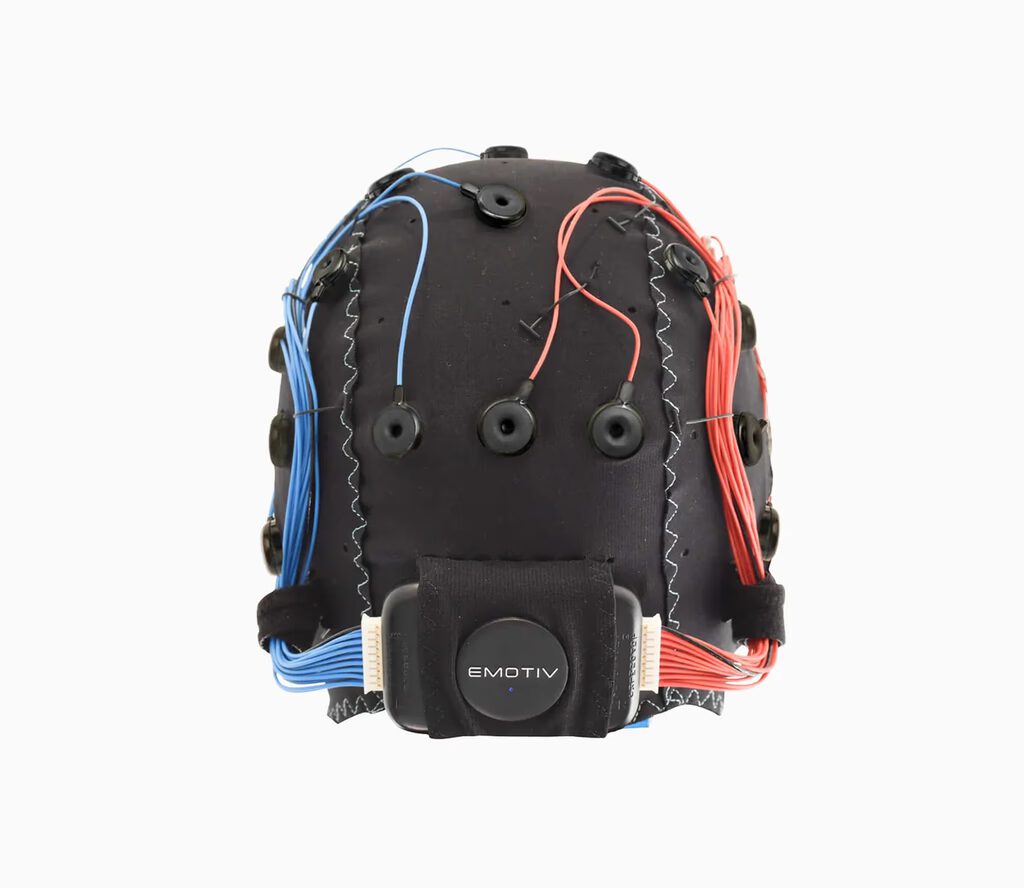
Clinical-grade resolution for advanced research applications.
Designed for clinical studies, the Emotiv Flex Saline delivers serious resolution with 32-channel EEG capability. This isn’t about ambient soundscapes and relaxation—it’s hardcore data acquisition for mapping complex cognitive functions.
Perfect for researchers who need detailed neural activity analysis in specialized environments. Like giving your brain analysis a high-definition upgrade that reveals patterns invisible to simpler devices.
1. NeuroSky MindWave
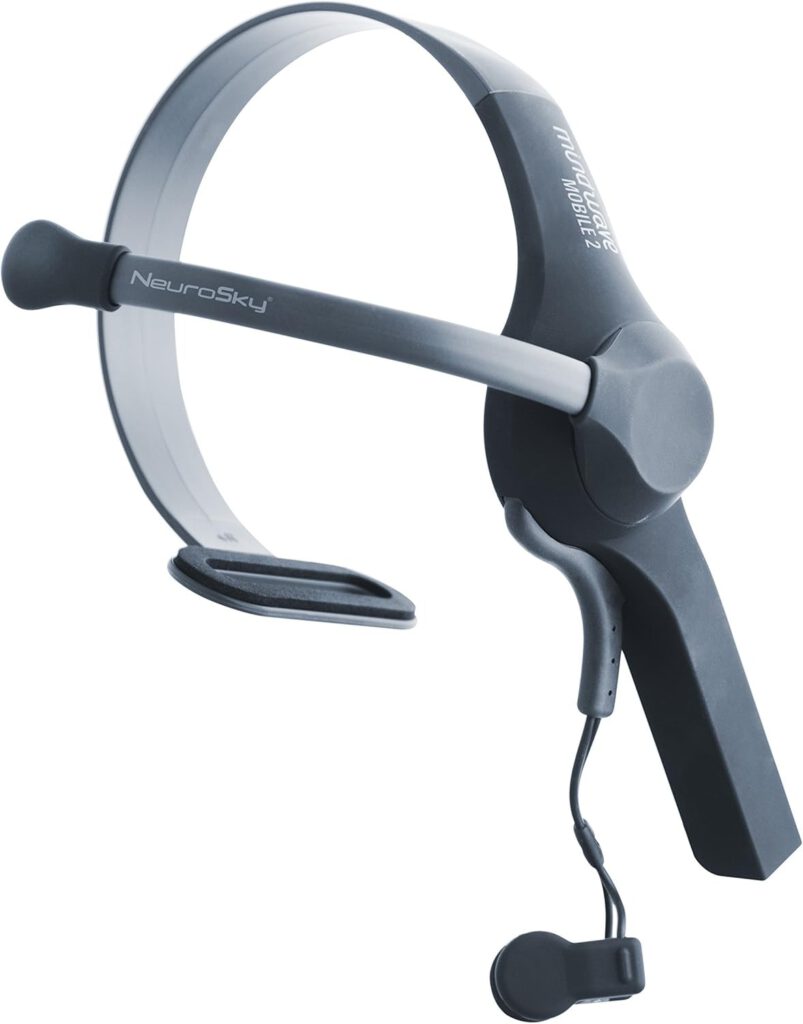
Entry-level brain monitoring that won’t break the bank.
This single-channel EEG device offers a basic peek behind your skull’s curtain. Before devices like MindWave, meditation felt like wandering a maze blindfolded—now it’s more like having simple GPS for your brain.
It monitors focus and relaxation levels without unlocking telekinesis or breaking your budget. Think training wheels for brain-computer interfaces—functional for entry-level meditation but limited beyond basic awareness.