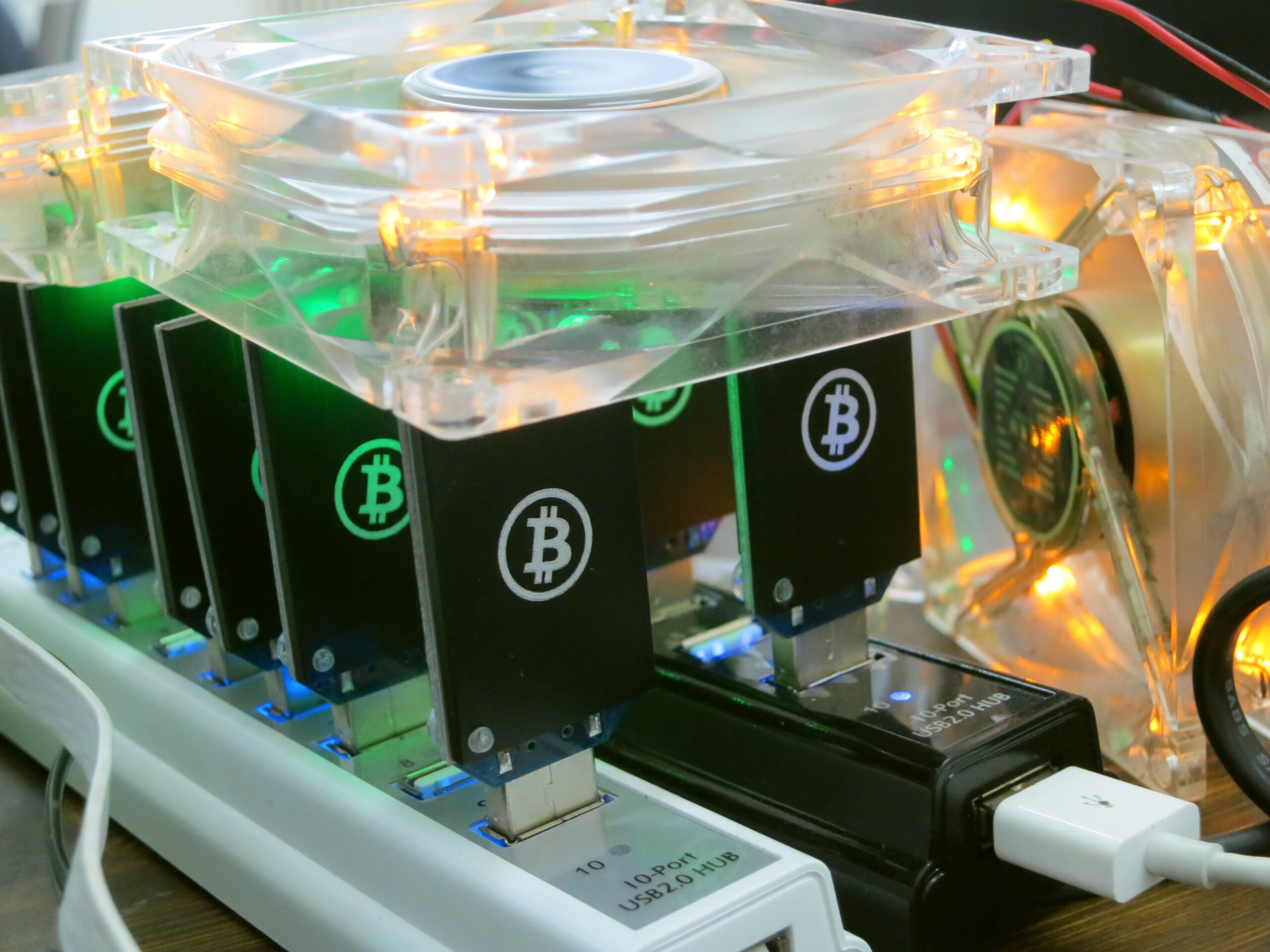
Bitcoin mining revenue per terahash has cratered below 3 cents, rendering operations unprofitable for all but the most efficient miners, according to Rosenblatt Securities analyst Chris Brendler. With Bitcoin down 26% year-to-date to $64,143, the economics that once made basement mining rigs profitable have evaporated faster than your crypto portfolio during a bear market.
Mining Economics Reach Breaking Point
The numbers paint a grim picture for anyone still running mining hardware at home.
Hash prices have plummeted roughly 30% in three months to around $28 per terahash per second per day—levels that would make December’s record lows look “enviable,” Brendler notes. CryptoQuant data shows the mining profitability indicator has hit 21, a 14-month low, with daily mining revenues scraping yearly lows of $28 million.
“Bitcoin mining economics have gone from bad to worse,” Brendler observed in his recent analysis. For context, profitable operations now require:
- All-in power costs between $0.06-0.07 per kilowatt-hour
- Ultra-efficient ASICs pulling 15-16 joules per terahash
Most home miners face $2,000 to $20,000 hardware investments plus electricity bills that would make your parents question your life choices.
Miners Pivot to Survive the Squeeze
Major mining companies are abandoning pure Bitcoin operations for more profitable alternatives.
The carnage shows in miner stock performance: Bitmine Immersion Technologies dropped 29% year-to-date, while MARA Holdings fell 13%. CleanSpark managed to stay flat, but these individual struggles mask a broader strategic shift. Rosenblatt’s cap-weighted miner index only declined 2% thanks to companies pivoting toward high-performance computing for AI and cloud services.
Cipher Mining and TeraWulf are leading this exodus from pure Bitcoin mining toward HPC contracts with hyperscalers. Operations like Bitfarms and Bit Digital are winding down Bitcoin activities entirely to chase AI compute opportunities—essentially trading digital gold shovels for artificial intelligence picks.
Cloud Mining Fills the Retail Gap
These platforms promise mining returns without the hardware headaches.
As traditional mining becomes unreachable for everyday investors, cloud mining platforms like Hashbitcoin, IQMining, and NiceHash are gaining traction. These services promise 3-9% daily returns without the hardware headaches, noise complaints, or electricity bills that would rival a small factory’s consumption.
The pivot represents crypto’s maturation from hobbyist experiment to institutional infrastructure play. While efficient miners consolidate around cheap energy and cutting-edge hardware, cloud platforms are democratizing access for retail investors who still want mining exposure without the mechanical nightmares.