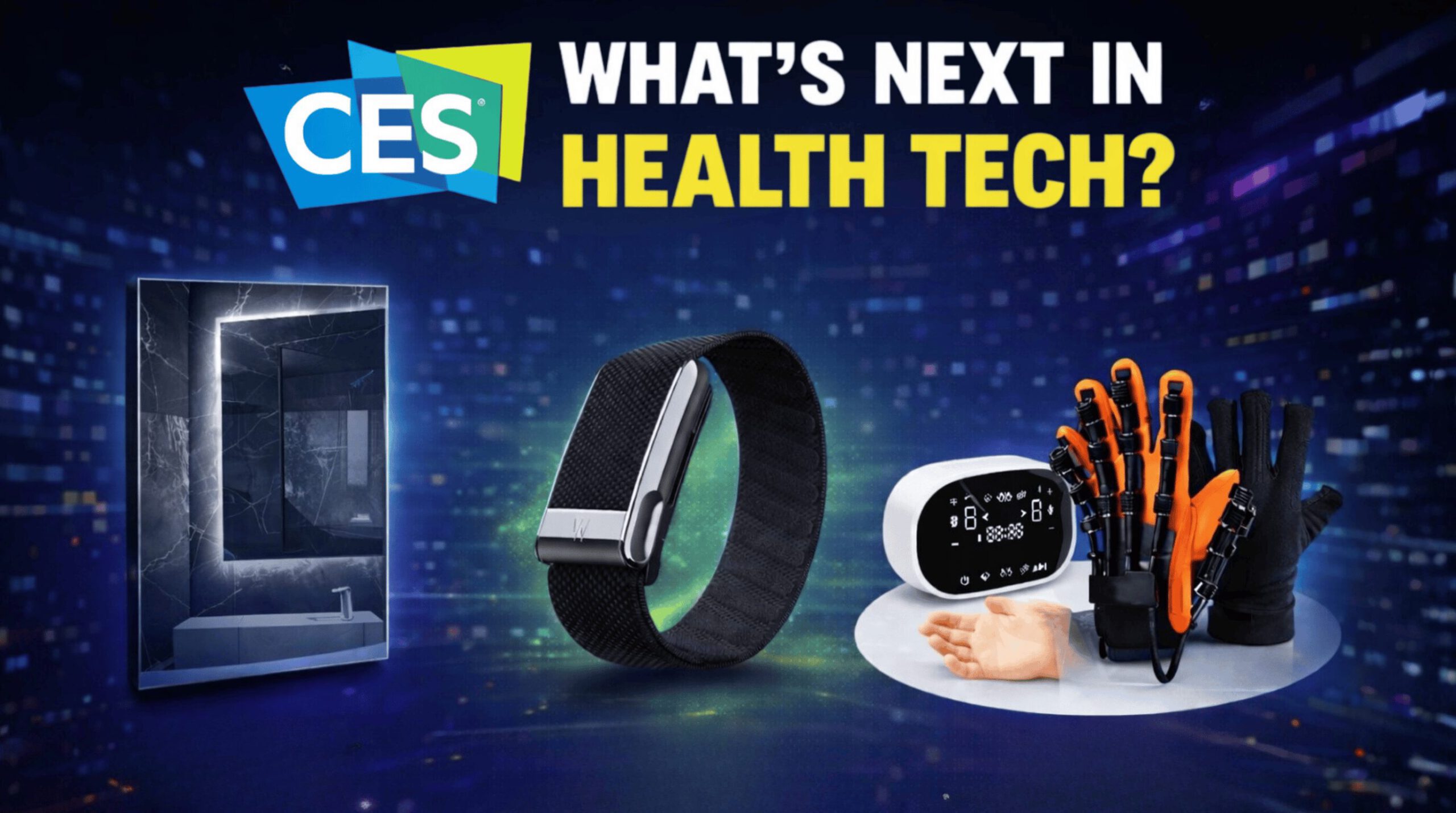
While gyms might feel like relics in 2026, you can’t deny our collective obsession with optimizing the human body. Each year, the Consumer Electronics Show (CES) unveils what’s next in digital self-improvement. These aren’t your grandma’s pedometers; they’re sleek, AI-powered personal trainers and robotic health monitors. This roundup cuts through a sea of dubious gadgets—some promising interstellar fitness levels—to curate innovations genuinely worth your attention. These are the health and fitness tech all-stars of CES 2026, poised to turn your wellness routine into a scene from The Jetsons. Get ready to meet the future of staying alive, one algorithm at a time.
3. AI-Powered Fitness Mirrors
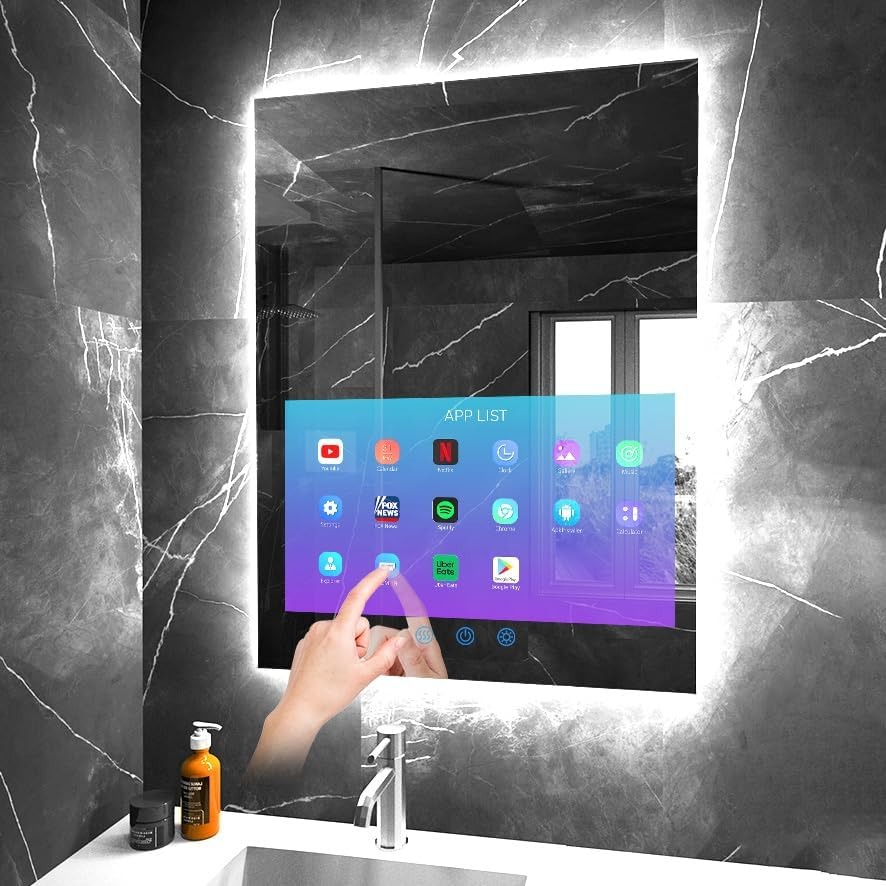
Smart mirrors that actually make working out smarter, not just shinier.
Forget fighting for equipment at crowded gyms. These interactive fitness mirrors bring personal training into your living room with the precision of a Swiss watch and the personality of your favorite spin instructor. The latest models recognize your form, adjust workouts in real-time, and provide feedback that’s actually helpful instead of generic cheerleading.
Anyone who’s tried following along with workout videos knows the frustration of wondering if you’re doing it right. These mirrors eliminate that guesswork entirely. Motion sensors track your movements with millimeter precision, while AI coaches offer corrections that feel personal, not robotic.
2. Wearable Recovery Devices
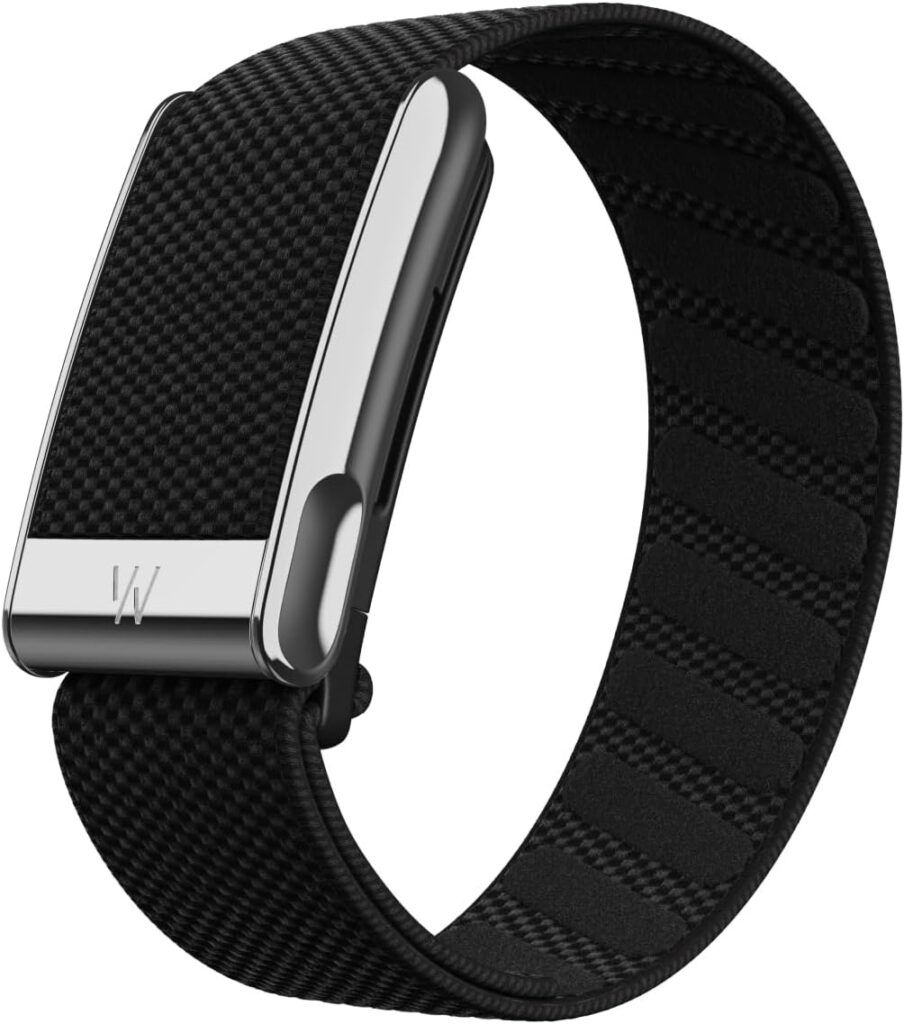
Sleep tracking meets muscle therapy in devices smaller than your smartwatch.
Recovery tech has evolved beyond basic sleep tracking into sophisticated muscle and nervous system monitoring. These compact devices analyze everything from heart rate variability to muscle tension, delivering targeted recovery protocols that adapt to your specific needs. Think of them as having a sports scientist and massage therapist rolled into a device the size of a fitness tracker.
The standout feature? Real-time recovery recommendations that actually make sense for your schedule. Instead of suggesting an hour-long meditation session at 3 PM on Tuesday, these devices understand your calendar and suggest achievable recovery strategies that fit your actual life.
1. Robotic Physical Therapy Assistants
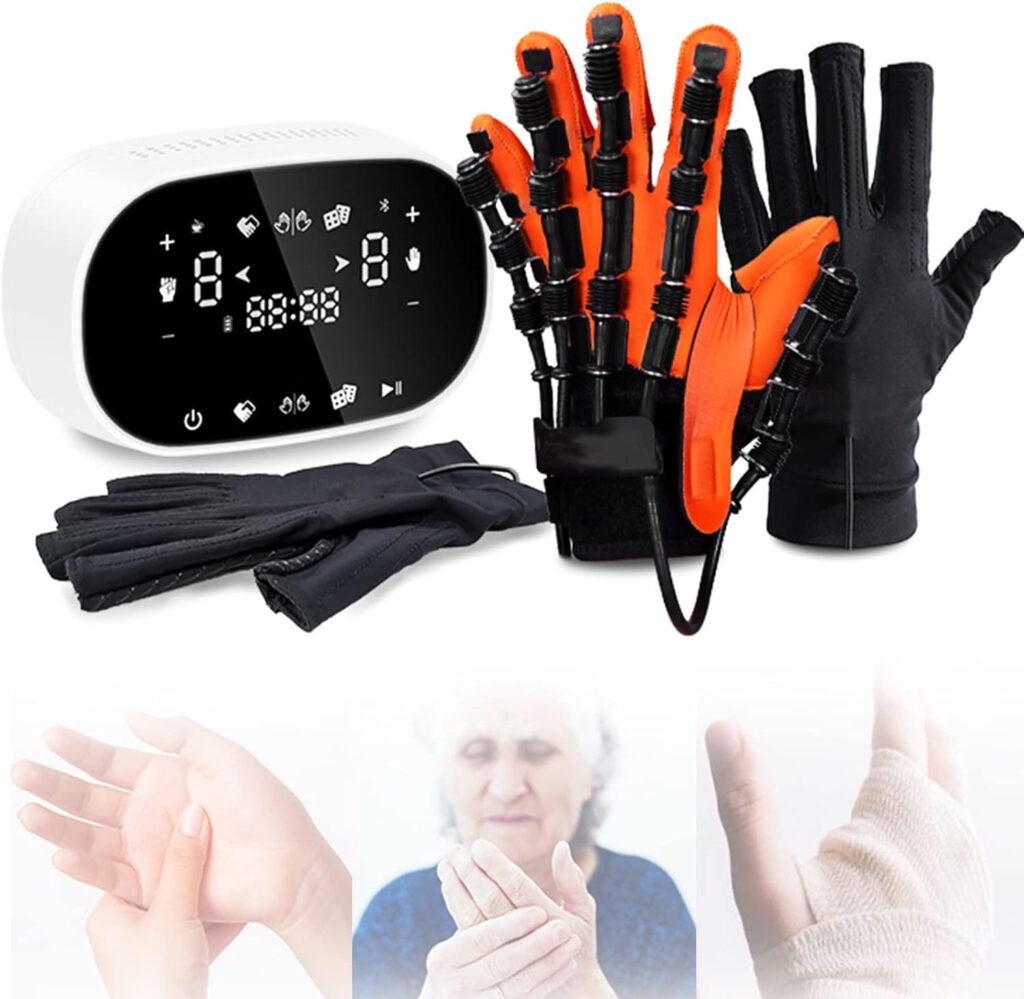
Home rehabilitation that doesn’t require a PhD in physical therapy.
Physical therapy just got a serious upgrade with robotic assistants that guide patients through rehabilitation exercises with the patience of a saint and the precision of a surgeon. These compact robots demonstrate proper form, provide resistance training, and track progress with accuracy that makes human observation look like guesswork.
Setting up your first session feels like speed-dating for introverts: slightly overwhelming at first, but surprisingly intuitive once you get started. The robots adapt to your range of motion and pain levels, creating personalized therapy sessions that evolve as you heal.