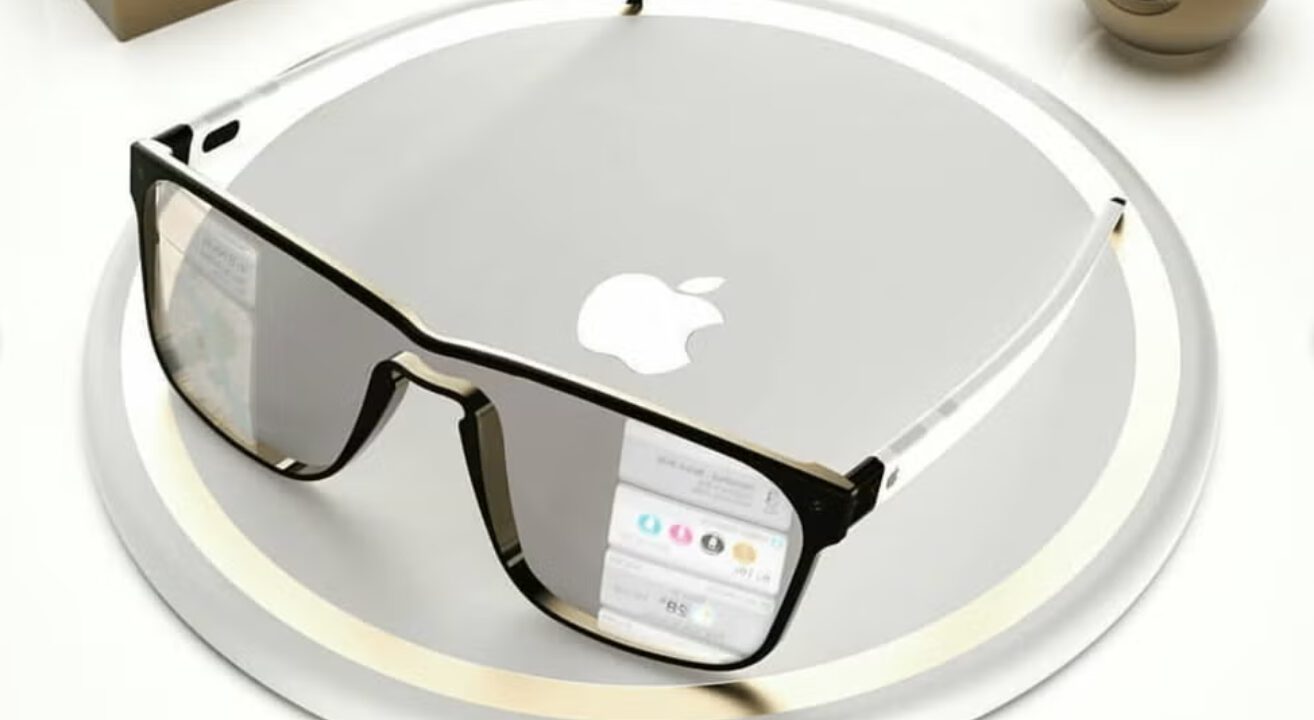
Vertical oval cameras mark Apple’s boldest design departure in the smart glasses race, promising superior AI vision capabilities that could redefine hands-free photography. While Meta Ray-Ban glasses dominate with their familiar circular lenses, Apple’s N50 project takes a dramatically different approach that prioritizes iPhone-quality imaging over conventional aesthetics. The difference becomes immediately apparent—these aren’t just smart glasses with cameras tacked on.
Premium Materials Meet Multiple Styles
Apple ditches plastic partnerships for in-house acetate frames across various designs.
Multiple frame styles are currently in testing, ranging from large rectangular Wayfarer-inspired designs to refined oval and circular options that mirror Tim Cook’s signature look. The materials tell a different story than Meta’s approach—durable acetate construction replaces standard plastic, with finishes reportedly in black, ocean blue, and light brown. Racing to catch a morning meeting? These frames won’t scream “tech gadget” while delivering serious functionality underneath their polished exterior.
Camera Technology Breaks the Mold
Vertical oval lenses with surrounding lights enable high-resolution POV capture and AI analysis.
This camera design represents more than aesthetic preference—it’s engineered for enhanced visual intelligence that leverages iPhone-caliber photography. The surrounding light elements support everything from object identification to contextual reminders, similar to iPhone’s Visual Intelligence features. Vacation photos and work presentations get the same computational photography magic expected from Apple, just delivered through eyewear instead of fumbling for a phone.
iPhone Integration Creates Ecosystem Lock-In
Late 2026 unveil reportedly targets iOS 27 users with seamless Siri and Apple Intelligence connectivity.
Production reportedly begins in 2026 for a 2027 release, positioning these glasses as iPhone accessories rather than standalone devices. Voice commands replace screen taps for calls, music, and navigation through upgraded Siri integration. For users already invested in Apple’s ecosystem, the glasses promise to reduce those reflexive phone checks while maintaining the seamless experience expected from AirPods or Apple Watch.
Strategic Positioning Against Meta’s Head Start
Apple’s premium approach challenges Meta Ray-Ban’s early market dominance through design variety and build quality.
Meta established the smart glasses category, but Apple’s betting on superior materials and deeper ecosystem integration to capture premium buyers. This represents one prong of a three-part AI wearables strategy including enhanced AirPods and a rumored pendant device. Late-night content creators and daily commuters alike might find Apple’s approach more compelling than Meta’s partnership constraints, assuming they’re willing to wait—and pay—for the Apple difference.