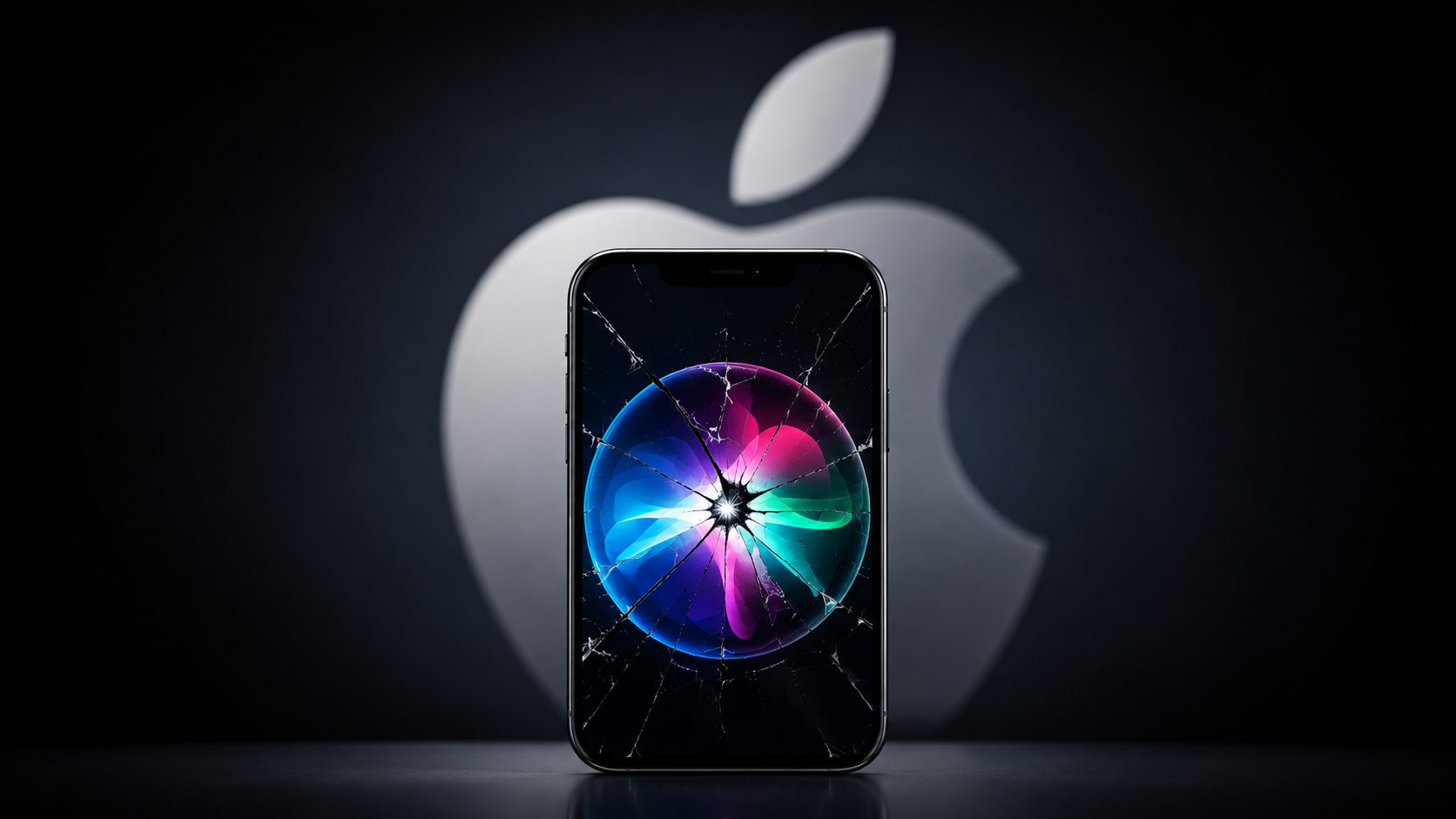
You’ve asked Siri to set a reminder on your Mac and watched it stare back like a confused golden retriever — even though the same request worked flawlessly on your iPhone thirty seconds earlier. That experience is supposed to die this year. Apple just announced Siri AI, what the company calls “an entirely new version of Siri,” according to Apple’s newsroom. More telling than the feature list is what Apple senior director David Clark told TechRadar: the company “really wanted to make sure the Siri experience is a singular and consistent experience” across devices. Translation: they know it wasn’t.
One Siri, Every Screen
Apple designed Siri AI to behave identically whether you’re on your phone, laptop, or wrist.
The core promise is deceptively simple. Siri AI syncs conversations privately through iCloud, so you can start a request on your iPhone and continue it on your Mac without repeating yourself. The assistant taps into Mail, Messages, and Photos, understands on-screen context, reads text, and analyzes images — consistently, regardless of which device you’re holding. Clark described it as “one Siri” with unified access to personal data and personalization across the ecosystem.
That reach is broad. Siri AI rolls out across:
- iPhone, iPad, Mac, Apple Watch, Vision Pro, CarPlay, and AirPods
- Conversation history syncing privately through iCloud
- On-screen awareness working consistently across every supported device
Developer testing is underway now, with broader availability planned for later in 2026, though hardware eligibility requirements vary by device category. “A singular and consistent experience” — David Clark, Apple senior director, via TechRadar.
Old Siri’s fragmentation wasn’t a minor annoyance. It actively cracked the “everything just works” promise Apple built its entire ecosystem around. Think of this as Apple’s Spotify Wrapped moment for AI credibility — a public reckoning with whether the product matches the marketing. Either Siri AI delivers the same experience on your Watch as your MacBook, or the inconsistency becomes the headline again.
That’s not a small bet.
The Catch Nobody’s Talking About
Newer hardware is required, and Apple’s eligibility rules differ across every device category.
Siri AI requires recent hardware. Apple hasn’t published one clean compatibility list — eligibility rules shift across iPhone, iPad, Mac, Vision Pro, and Apple Watch. If you’re holding an older device, “one Siri” isn’t your Siri yet. For anyone who remembers Siri’s debut back in 2011 and the years of incremental disappointment that followed, healthy skepticism here is entirely earned. Promising consistency is one thing; delivering it across a hardware lineup this fragmented is another challenge entirely.
Deliver on this promise, though, and Siri AI becomes a genuine reason to stay inside the Apple ecosystem. Not out of habit. Because the assistant finally knows you across every screen you own.