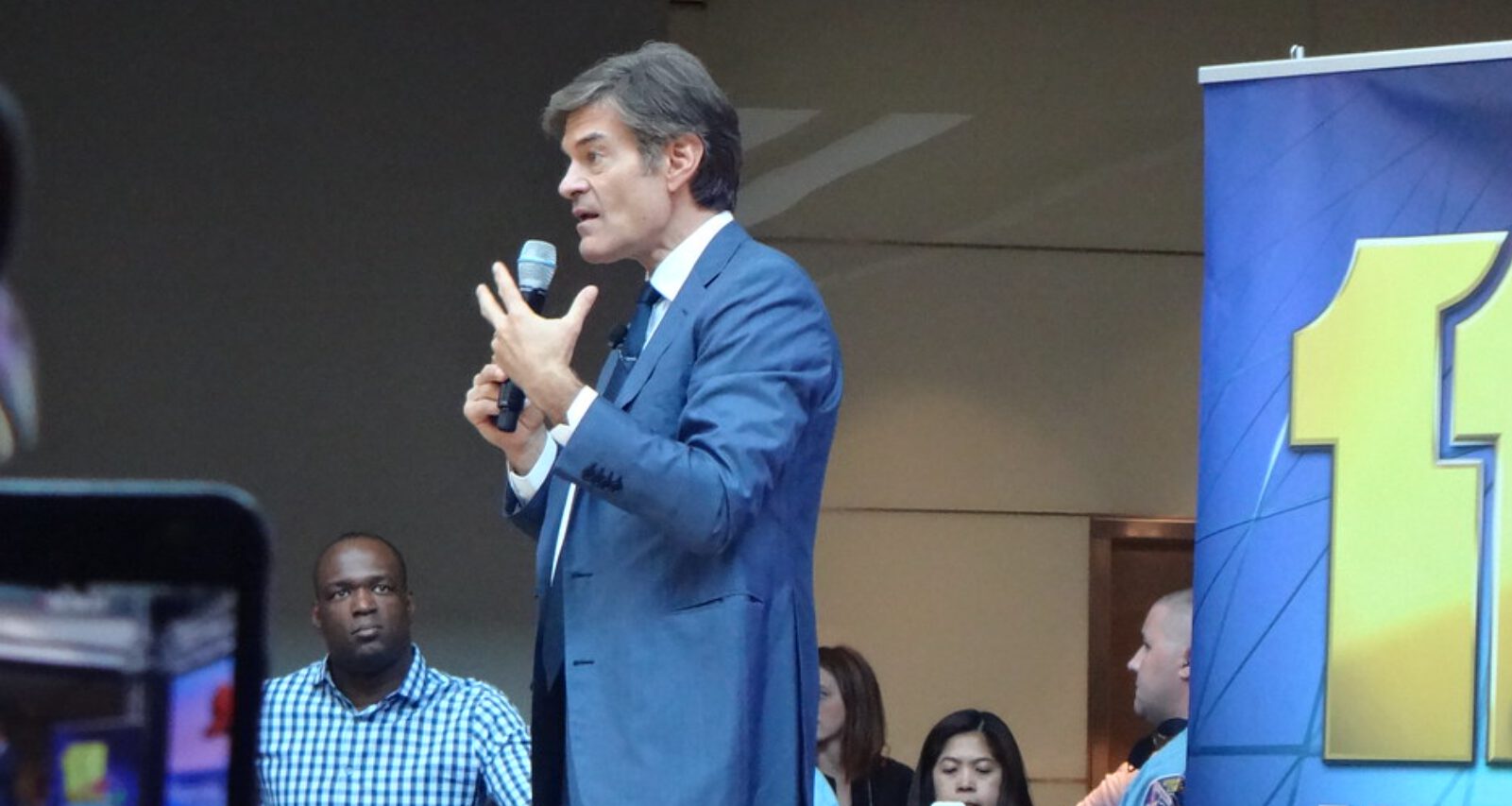
Dr. Mehmet Oz, head of the Centers for Medicare and Medicaid Services, believes AI avatars can solve rural America’s doctor shortage. His $50 billion modernization plan promises to “multiply doctors’ reach fivefold” through:
- Robotic diagnostics
- AI-guided ultrasounds
- Drone-delivered medications
Speaking at a recent Action for Progress event, Oz pitched these digital solutions as lifelines for communities watching hospitals close at alarming rates. Since 2005, over 190 rural hospitals have shuttered—roughly 10% of the total, according to KFF data. The Trump administration’s One Big Beautiful Bill Act compounds the crisis with $1 trillion in Medicaid cuts over the next decade.
The tech sounds impressive until you consider the basics.
Your grandmother in rural Montana still struggles with spotty broadband, yet Oz envisions her receiving AI-powered obstetric guidance where “you just get digitized insights” without viewing actual ultrasound images. Critics aren’t buying the digital-first approach.
“Healthcare has always been about humanity and relationship,” argues Carrie Henning-Smith from the University of Minnesota Rural Health Research Center. She warns against using rural areas as “guinea pigs” for unproven technology, especially when AI can’t read nonverbal cues or build the trust that keeps patients coming back.
But supporters see administrative salvation. Matt Faustman, CEO of Honey Health, notes that providers spend 30-40% of their time on paperwork—a burden that hits understaffed rural clinics hardest. AI could automate these tasks while enabling better triage and early access to care.
The social media response cuts deeper than policy papers.
Twitter users mock the disconnect: “AI doctors? We still don’t have reliable internet.” Others share memes of cartoon robots replacing nurses. Some defend it as “better than nothing”—a phrase that captures rural healthcare’s desperate state.
CMS clarifies that Oz emphasizes “responsibly exploring tools” to extend clinician reach, not replace human providers entirely. Yet the avatars-first messaging feels tone-deaf to communities where the local clinic’s closing means driving two hours for basic care.
The fundamental tension remains: Rural Americans face higher mortality rates from preventable diseases precisely because healthcare requires human judgment, cultural understanding, and consistent relationships. Whether pixels on screens can bridge that gap depends on infrastructure investments that aren’t part of Oz’s current pitch.