Somewhere right now, a defendant sits in a courtroom with no idea that facial recognition software flagged their face, that a license plate reader logged their car’s location, or that an AI wrote the first draft of the police report used against them. That’s not paranoia. That’s the documented reality of modern criminal investigations, according to the ACLU of Massachusetts — and the organization just built something to fight it.
The Surveillance Discovery Project is a password-protected library of model motions, available exclusively to verified criminal defense attorneys. Its purpose is blunt: force prosecutors to disclose which surveillance tools touched a case and place preservation orders on evidence before it vanishes into automated deletion cycles. The motions are grounded in Brady v. Maryland‘s mandate that prosecutors disclose favorable evidence, built on Massachusetts law, and designed for nationwide adaptation.
What the Toolkit Targets
Each technology on the toolkit’s list carries its own specific disclosure problem for defendants.
The motions cover a defined roster of tools:
- Facial recognition — arrests where warrants cite “credible sources” instead of algorithms
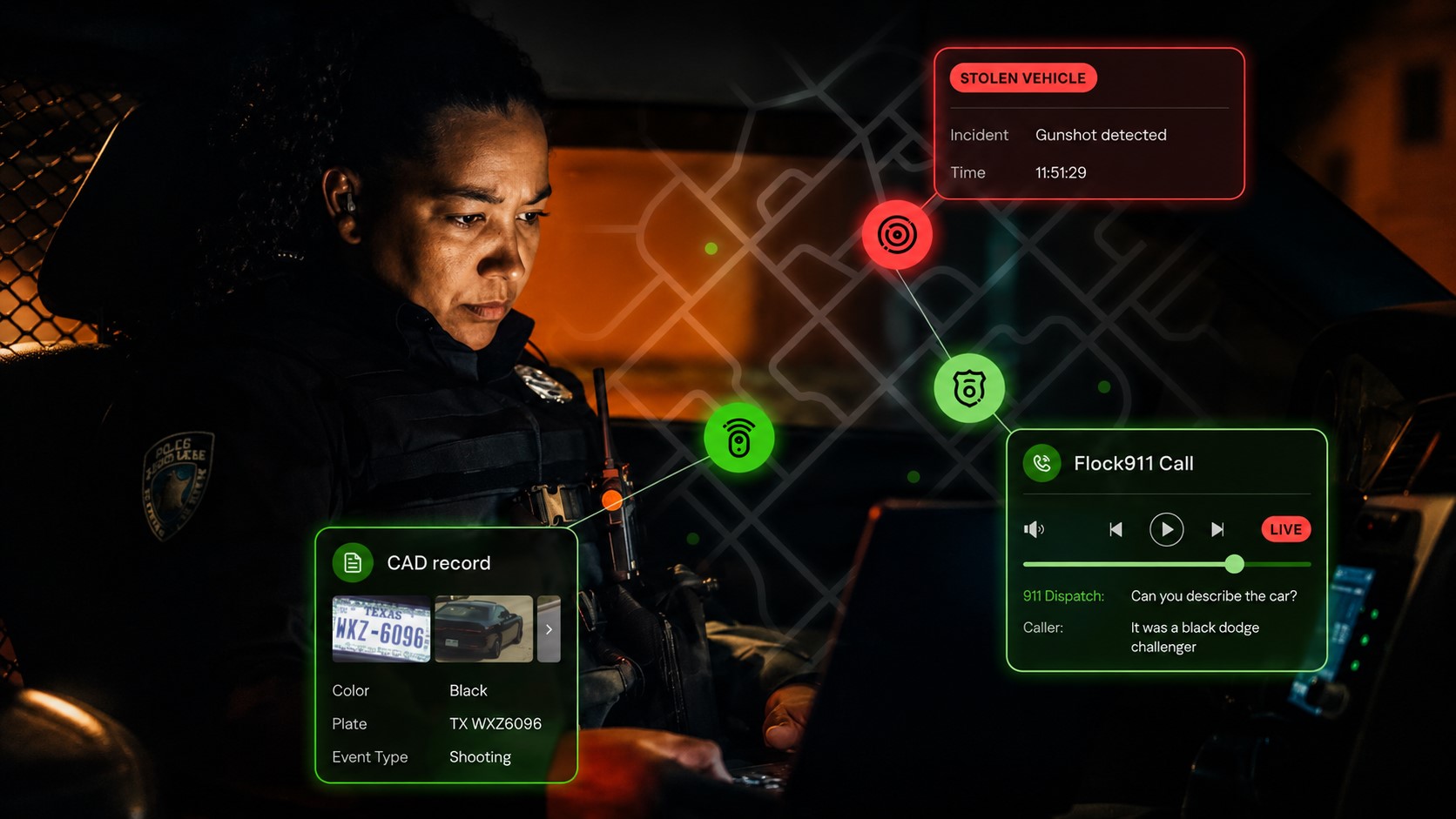
- ALPRs (Flock Safety) — plate-reader logs that auto-delete after roughly 30 days
- ShotSpotter — gunfire-detection data classified as vendor property, not the city’s
- Cell-site simulators — devices the FBI once required police to keep secret even from prosecutors
- Axon Draft One — AI-generated police reports whose first drafts are discarded by design, which Axon has characterized as avoiding “disclosure headaches”
“You cannot challenge a tool you were never told about,” according to the ACLU of Massachusetts. That single problem drives the entire project.
Why Massachusetts, Why Now
Massachusetts courts have already shown that defying surveillance discovery orders can end a prosecution entirely.
Massachusetts courts keep handing defense attorneys real ammunition. In 2024, the state’s Supreme Judicial Court permanently threw out drug and firearm charges after police defied a discovery order concerning fake social-media surveillance profiles built with predominantly Black and brown avatars. Charges were barred from refiling — a case-terminating consequence, not a procedural slap.
The gap between police tech adoption and court oversight resembles streaming platforms licensing content years before anyone writes enforceable rules. Massachusetts required cell-location warrants in 2014. The US Supreme Court didn’t reach the same conclusion until Carpenter v. United States in 2018. The SJC also recently held that defendants can demand a reliability hearing before ShotSpotter evidence reaches a jury — another motion type the toolkit provides.
Nationally, the Supreme Court ruled 6–3 that geofence warrants constitute a Fourth Amendment search, then remanded the question of valid scope to lower courts. The ACLU placed geofence-specific motions directly into that legal vacuum. Vendors and agencies counter that they comply with reasonable subpoenas while protecting proprietary methods and managing the operational burden of broad data requests.
The toolkit’s real power isn’t ideology. It’s timing — filing a preservation order before a 30-day auto-delete clock erases evidence that could change the outcome of a case.