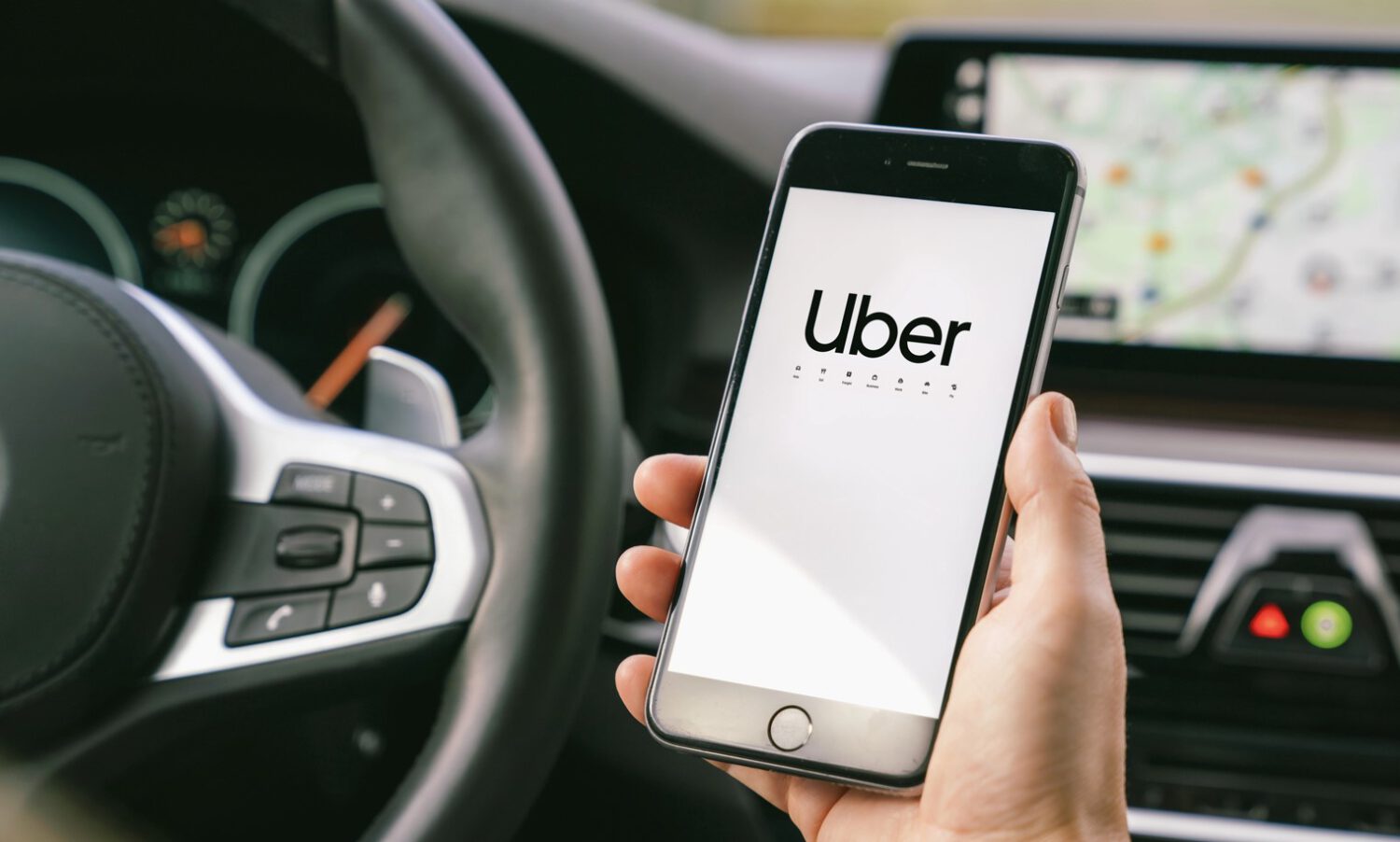
Riders in Baltimore, Raleigh, Indianapolis, and St. Louis can select “Recorded Rides” directly from the Uber app, booking a driver who records audio and video for the duration of the trip. Availability depends on whether a participating driver is nearby.
Uber confirmed the pilot through its newsroom. The company launched in four cities and has not confirmed expansion in its cited announcement.
How the Recording Actually Works
The hardware behind the feature is the driver’s own smartphone, not a dedicated camera mounted to the vehicle.
The camera doing the recording is not a dedicated dash cam. It is the driver’s front-facing smartphone camera and microphone, capturing what is in front of the device during the trip.
Drivers opt into the feature through their own app settings. Riders who prefer not to be recorded can decline through an in-app notice, according to reporting by Engadget; this rider opt-out mechanism has not been independently confirmed in Uber’s primary documentation.
Who Holds the Footage and for How Long
Recordings stay on the driver’s device and are subject to strict limits on who can access them and when.
Recordings are encrypted and stored only on the driver’s phone, not on Uber’s servers by default. They are automatically deleted after 14 days unless submitted as part of a safety report or insurance claim, though a separate Uber help document cites a seven-day period, and the applicable policy version has not been resolved in the available sources. For comparison, home security systems typically follow similarly varied retention schedules depending on the provider.
Uber says it accesses recordings only when a safety report or claim is filed. Uber may also share recordings with law enforcement when legally required or during an emergency.
When Recording Starts Without Anyone Pressing a Button
Uber is separately exploring automatic triggers intended to capture evidence before a rider or driver can act.
Uber is testing recording that activates automatically when a vehicle deviates from its expected route or when the app detects a possible crash, according to The Next Web. That report has not been confirmed by Uber’s primary documentation in the available sources. Concerns about automated vehicle safety have drawn wider attention since a driverless Tesla robotaxi smashed through traffic barriers in a high-profile incident.
Full details on detection signals and false-positive rates have not been disclosed in the cited materials.
The Safety Case Behind the Feature
Uber frames Recorded Rides as a protection for both riders and drivers, with specific attention to late-night trips and teen accounts.
Uber is positioning the feature as a safety tool for both riders and drivers, with particular emphasis on late-night trips and rides booked for teenagers. The company has extended this safety approach to its teen accounts.
A separate live-video feature lets a linked parent or guardian watch an eligible teen’s ride through the driver’s phone camera in real time. That stream is encrypted and unavailable for later viewing, though Uber says it may review the encrypted recording if a safety incident is reported, according to Uber’s newsroom.
The Privacy Questions That Remain Open
The driver’s phone camera can capture more than the road, and several consent questions are not addressed in Uber’s available documentation.
Because the recording comes from the driver’s smartphone camera, it can capture passengers, bystanders, and conversations inside the vehicle. Available sources do not establish how consistently every person in or near the car is visually identifiable. Broader concerns about secretly tracking users through apps have fueled growing scrutiny of how ride-share platforms handle data capture and consent.
Several practical questions are not addressed in the cited materials. Those include whether every passenger receives clear notice before pickup, what happens when a rider declines recording after matching with a participating driver, and how Uber audits internal requests to access footage. These details carry added weight when minors are involved.
What Comes Next
The pilot’s reach is currently limited to four cities, with no confirmed expansion timeline in Uber’s announcement.
Uber launched Recorded Rides in Baltimore, Raleigh, Indianapolis, and St. Louis. The company has not confirmed in its cited newsroom announcement when or whether additional cities will be added.