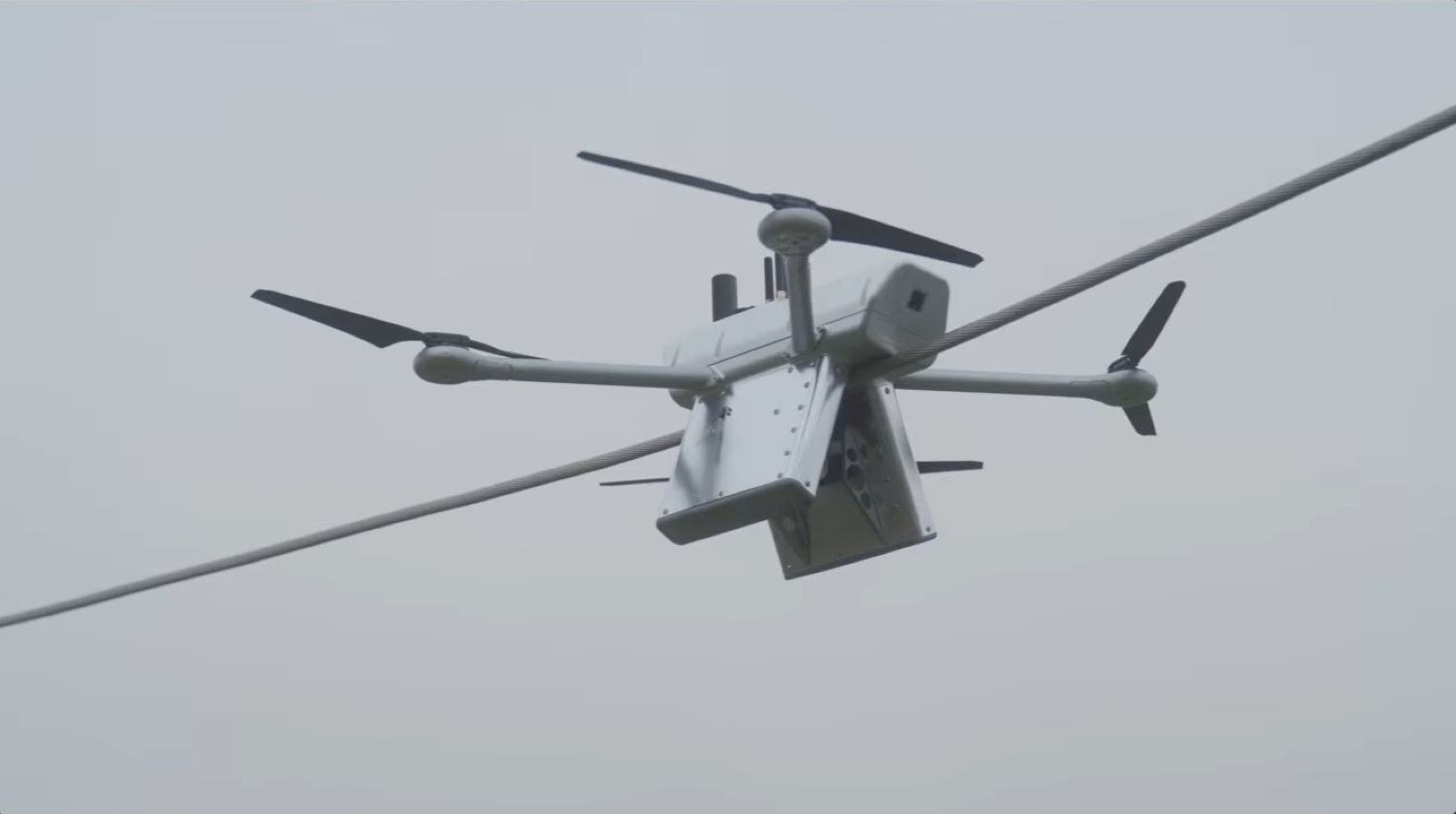
Munich startup Nomadic has closed a $6 million seed round for drones that land on energized high-voltage power lines, draw power from the line’s own electromagnetic field, and monitor grid conditions without requiring an outage.
The Funding
The round brings in a mix of new and returning backers to support Nomadic’s European and U.S. expansion.
Foundamental led the round, with participation from Verve Ventures, Cyan Ventures, existing backers Outlander VC and Asia2G Capital, and angels from the sdw alumni network. Nomadic plans to use the capital to expand deployments with grid operators in Europe and the United States, grow its Munich team, and bring autonomous remote relocation into commercial production with customers by 2027.
The Grid Problem Worth Understanding
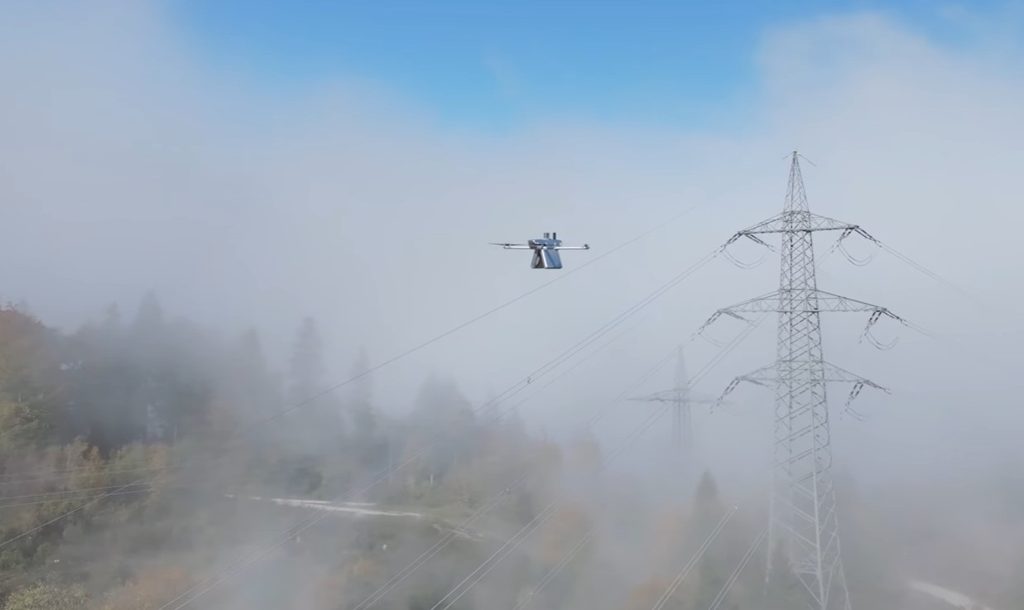
A line’s usable capacity is set by its weakest section, and conventional models often miss that detail.
Conventional grid and weather models typically treat long line sections as relatively uniform. In practice, a line’s usable capacity is capped by its weakest point: a degraded splice, an aging component, or terrain with different weather exposure.
Better localized data along a route could let operators move beyond conservative worst-case assumptions. It could also help identify emerging problems before they constrain the network.
That gap matters more now than it did a decade ago. According to the International Energy Agency’s Electricity 2026 report, annual grid investment must rise roughly 50% from approximately $400 billion by 2030.
How the NOMAD System Works
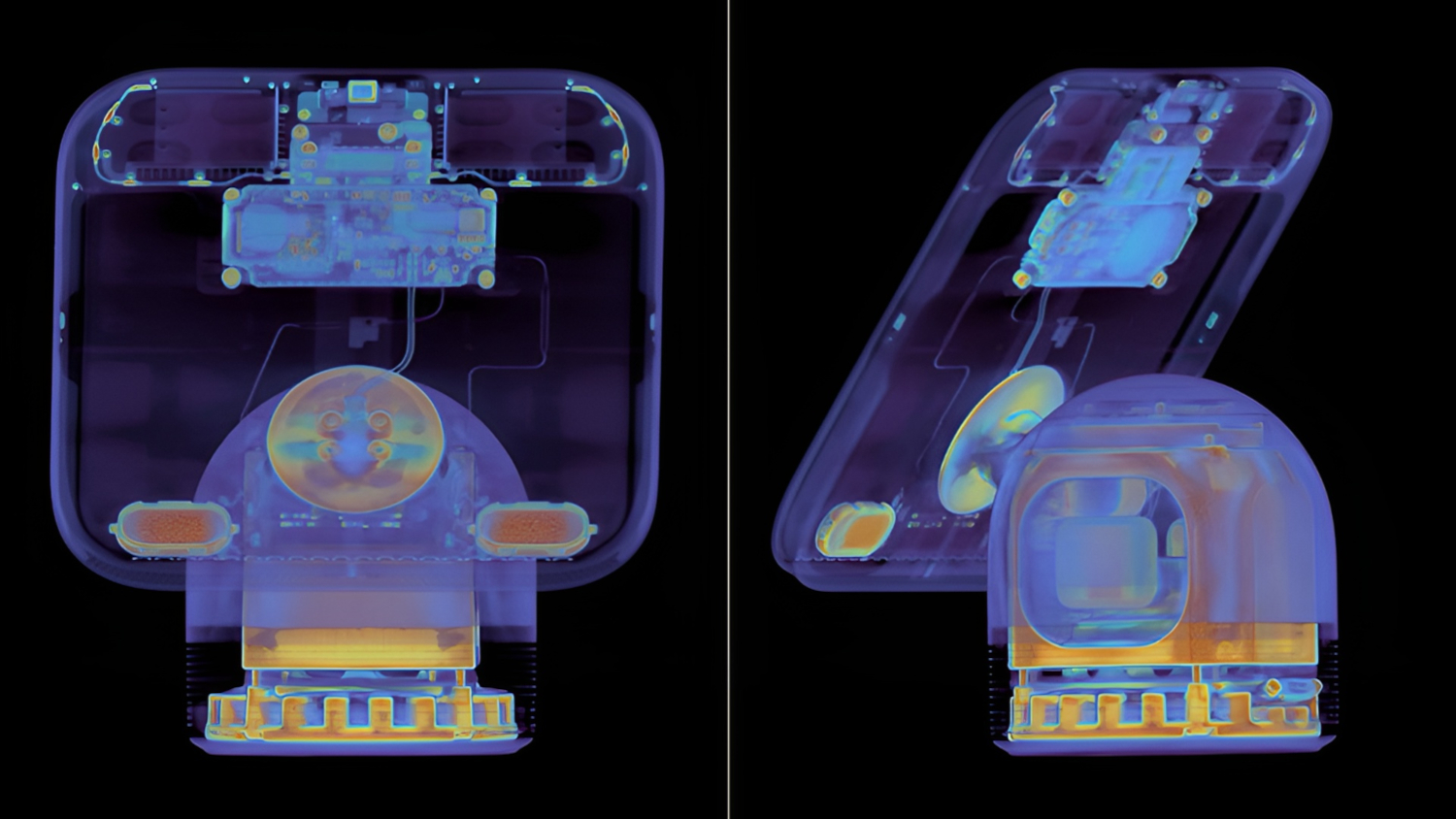
A roughly 4-kilogram drone lands on a live conductor, locks on, and harvests power directly from the line’s electromagnetic field.
Fixed sensors deliver continuous readings at the spots where they are installed. They cannot follow shifting conditions or relocate when risk emerges elsewhere on the network.
Nomadic’s approach is to make the sensor mobile. A roughly 4-kilogram drones that land on a live conductor, locks onto the line, and draws power through inductive charging, harvesting energy from the electromagnetic field the current generates.
Each unit measures load, temperature, sag, and vibration along its assigned section, according to Nomadic. One drone covers approximately 25 kilometers of line, compared with the 1-to-5-kilometer spacing typical of fixed installations.
Operators can deploy a unit using their own drone pilots. Placement on an energized line takes minutes and requires no climbing, hiking, or heavy equipment.
What the System Has Done So Far
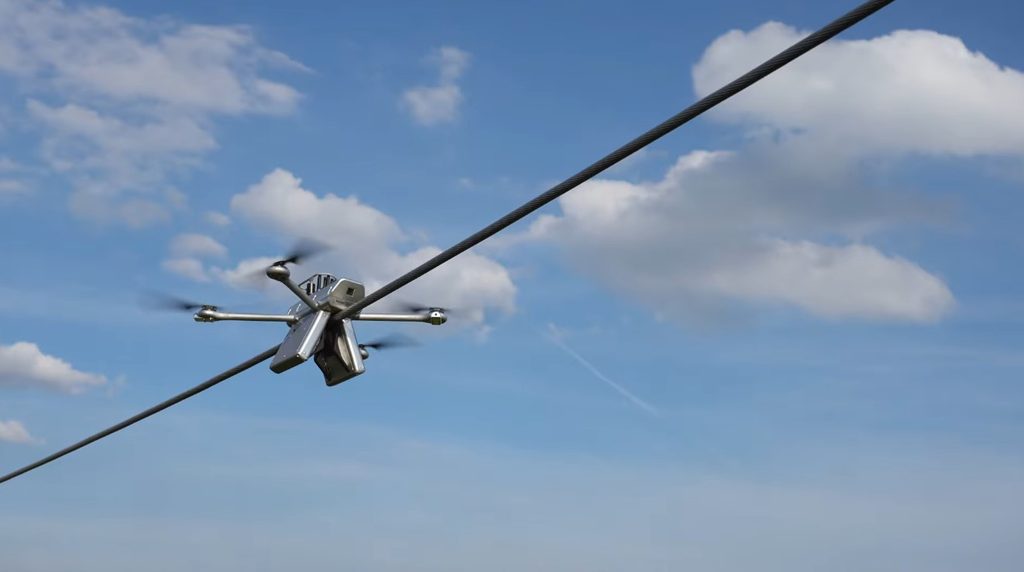
More than 20,000 hours of operation on live lines have been logged since the first prototypes went onto German distribution grids roughly a year ago, according to Nomadic.
Active deployments are running in German transmission and distribution grids, with additional deployments in Norway and the United States, the company reports. A dedicated test grid using real conductors and high currents was also built to validate successive hardware versions before customer deployment.
All performance figures are company-provided. These include reported operation down to -25°C and on lines carrying up to 420 kilovolts; no independent third-party verification appears in available sources.
The Capability Still Coming
Autonomous remote relocation is on the roadmap for 2027 and is not yet a commercial production feature.
That capability would allow a drone to move itself between line sections under operator direction from an office. Until it is available, repositioning a unit appears to require a pilot to retrieve and redeploy it, which limits how dynamically a fleet can respond to changing grid conditions.
The Investor View
Foundamental frames the technology as a way to unlock capacity that existing infrastructure already holds.
Foundamental Venture Partner Dustin DeVan described Nomadic’s approach as a robotics solution for measuring actual line conditions and unlocking unused capacity in existing infrastructure. The framing reflects the broader pitch: before building new transmission lines, operators need a clearer picture of what the existing ones can actually carry.