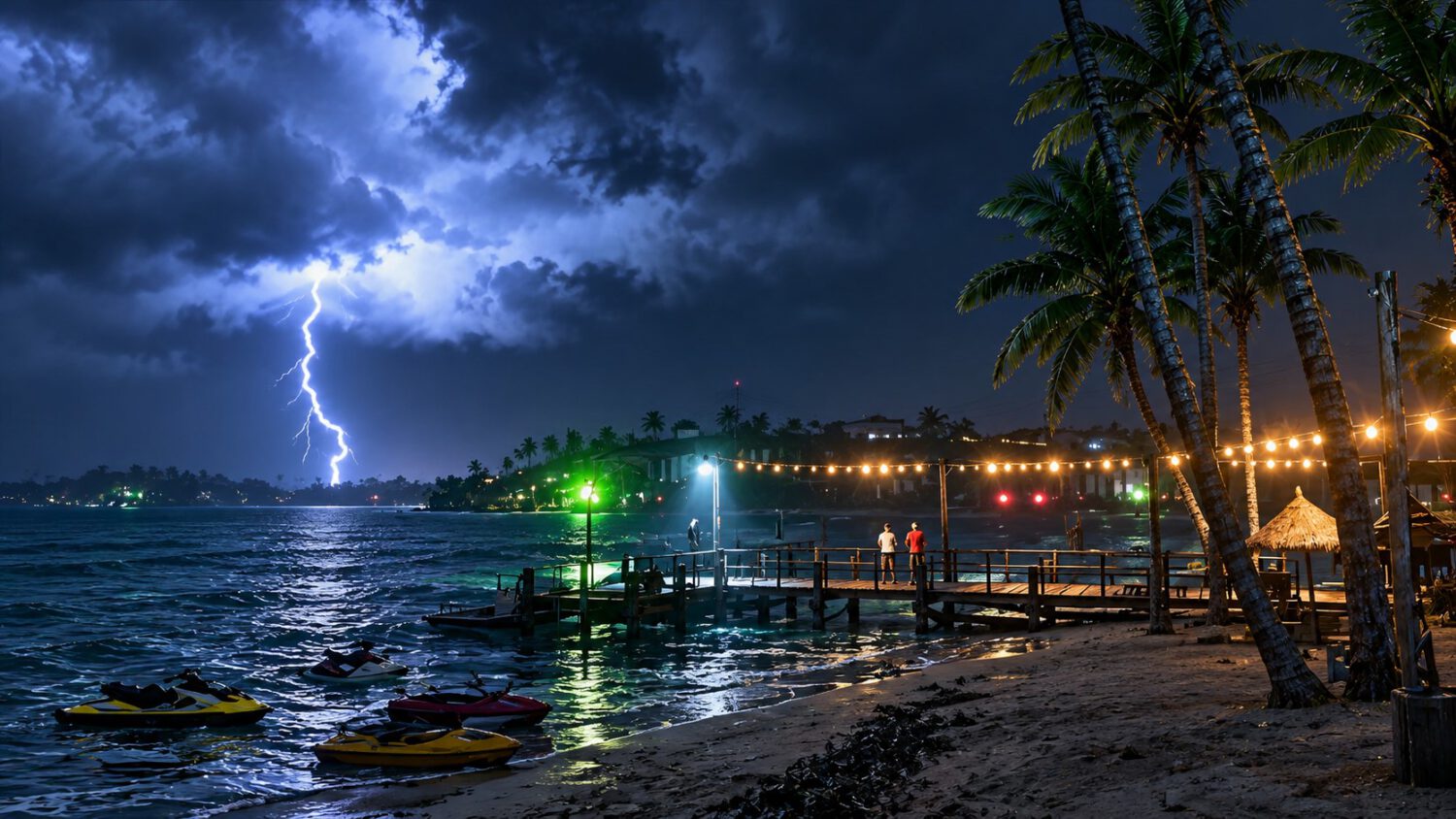
On November 16, 2026, Rockstar Games gave The Weather Channel an exclusive look at Grand Theft Auto VI‘s dynamic weather system. The network published six location-specific forecast screenshots on X, each presenting a named area of Leonida as a recognizable local weather report.
The format is not incidental. It places a fictional game world inside the same visual language The Weather Channel uses for real coastal markets.
Florida’s Weather Logic, Rebuilt From Scratch
The design team did not adjust an existing system; it started over.
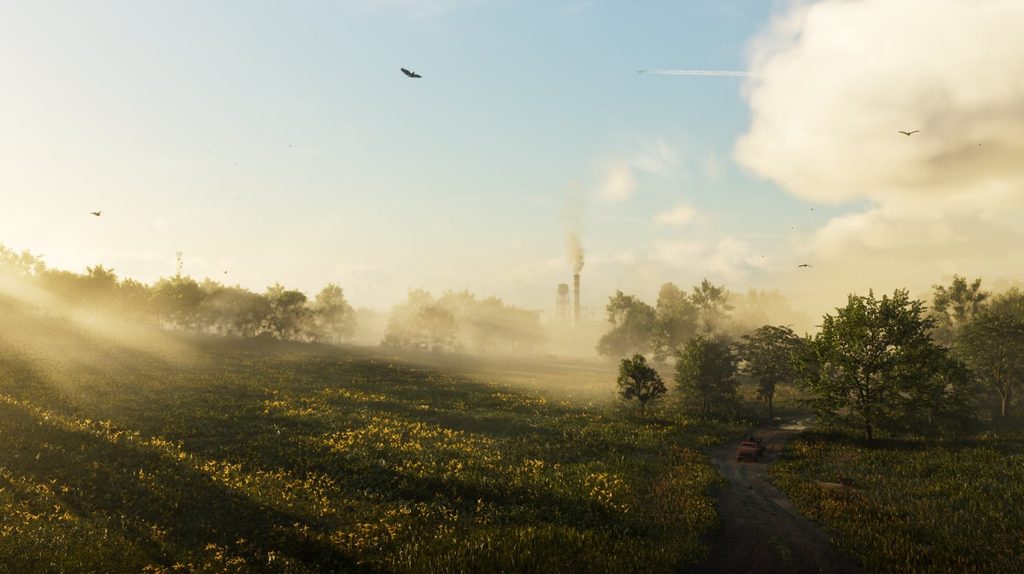
Leonida is inspired by modern-day Florida, and Rockstar built the weather system to reflect that geography. Owen Shepherd, the studio’s vice president of art for light and rendering, said the team had to “completely reimagine” the system so conditions would feel more localized, persistent, and dynamic.
Shepherd described the visual range as extending from clear blue skies to towering cumulonimbus clouds. That range reflects the kind of rapid atmospheric shifts common to Florida summers.
What the Six Forecasts Actually Show
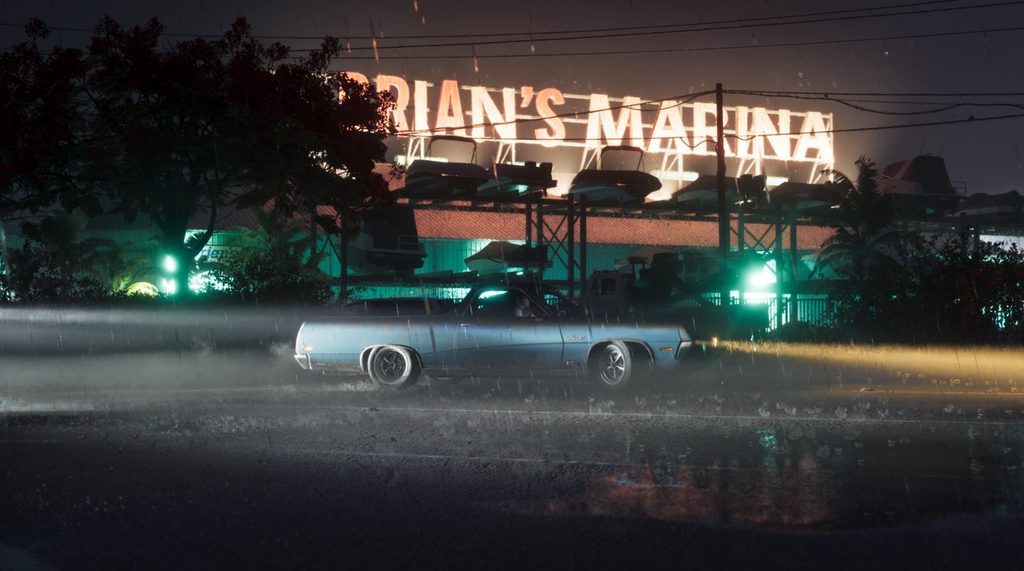
Each named location carries distinct conditions, according to reporting from GameSpot, Gadgets360, and GGRecon.
- Leonida Keys: heavy rain reduces visibility; road reflectors help drivers navigate wet conditions
- Pelican Valley: storms worsen swamp conditions and make it harder to spot threats in the murky water
- South Ocean Beach: sea fog rolls in from the ocean and may obscure coastal views
- The Rusty Anchor: a tropical storm makes nearby waters notably choppy
- Gambit Bay: high humidity produces low-lying mist over the water
- Key Lento: rain and wind create difficult conditions for morning travel
Weather as a Gameplay Variable, Not a Backdrop
The six forecasts collectively suggest that weather shapes how players experience individual regions, not just how those regions look.
Taken together, the locations indicate that weather in GTA VI is intended to influence visibility and driving conditions across the map. The Pelican Valley forecast, for example, describes storm conditions making it nearly impossible to spot threats in murky swamp water, a detail that implies environmental consequences rather than surface-level atmosphere.
The Forecast Format Does Two Things at Once
The campaign communicates a technical design ambition in terms any reader can follow.
Presenting Leonida through The Weather Channel’s editorial frame works as marketing and as genuine world-building communication. It tells players, without a spec sheet, that different parts of the map carry their own atmospheric identity. Those descriptions suggest real environmental distinctions across Leonida’s regions, even if the full mechanical scope of the system remains unconfirmed ahead of launch.