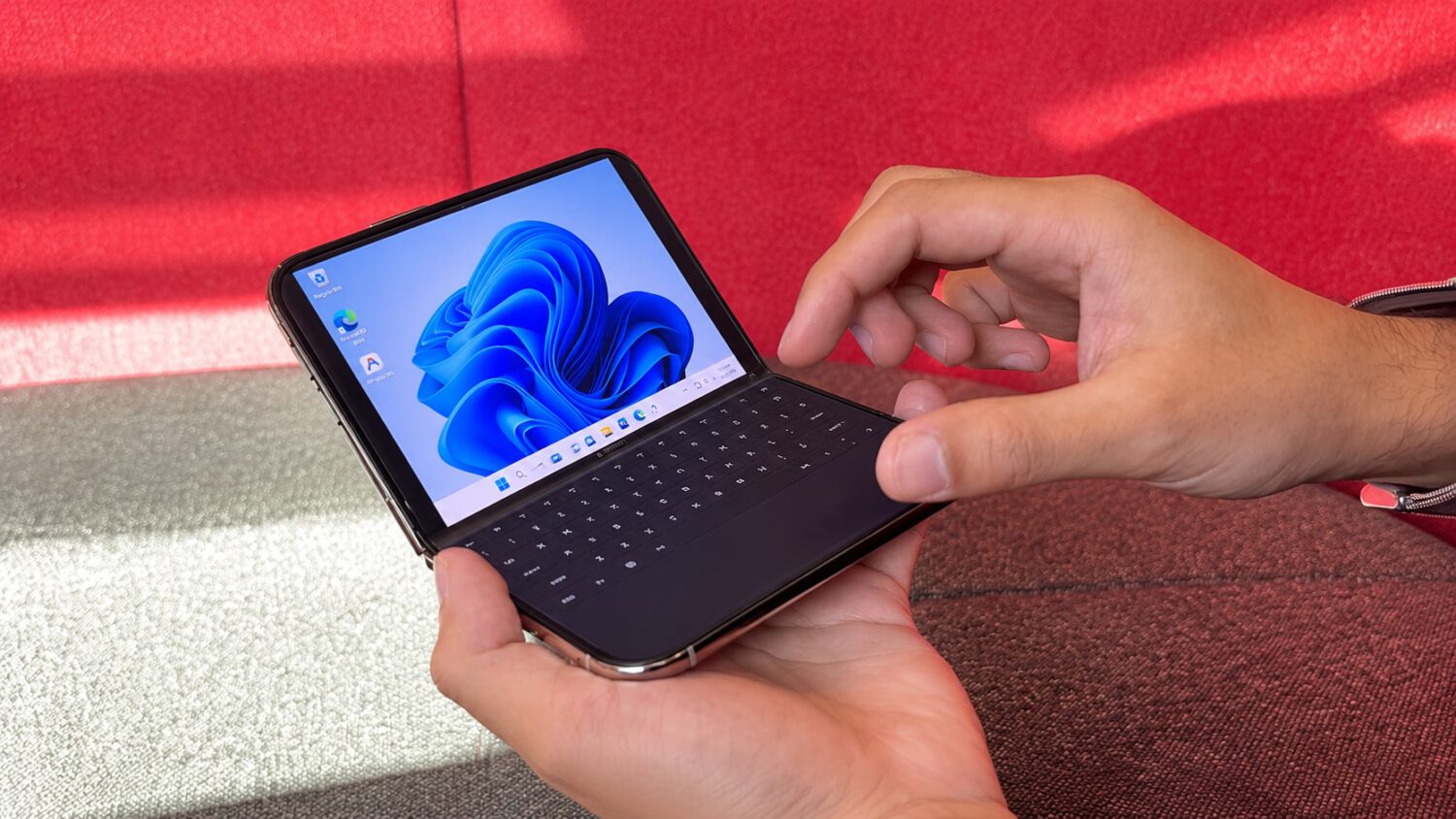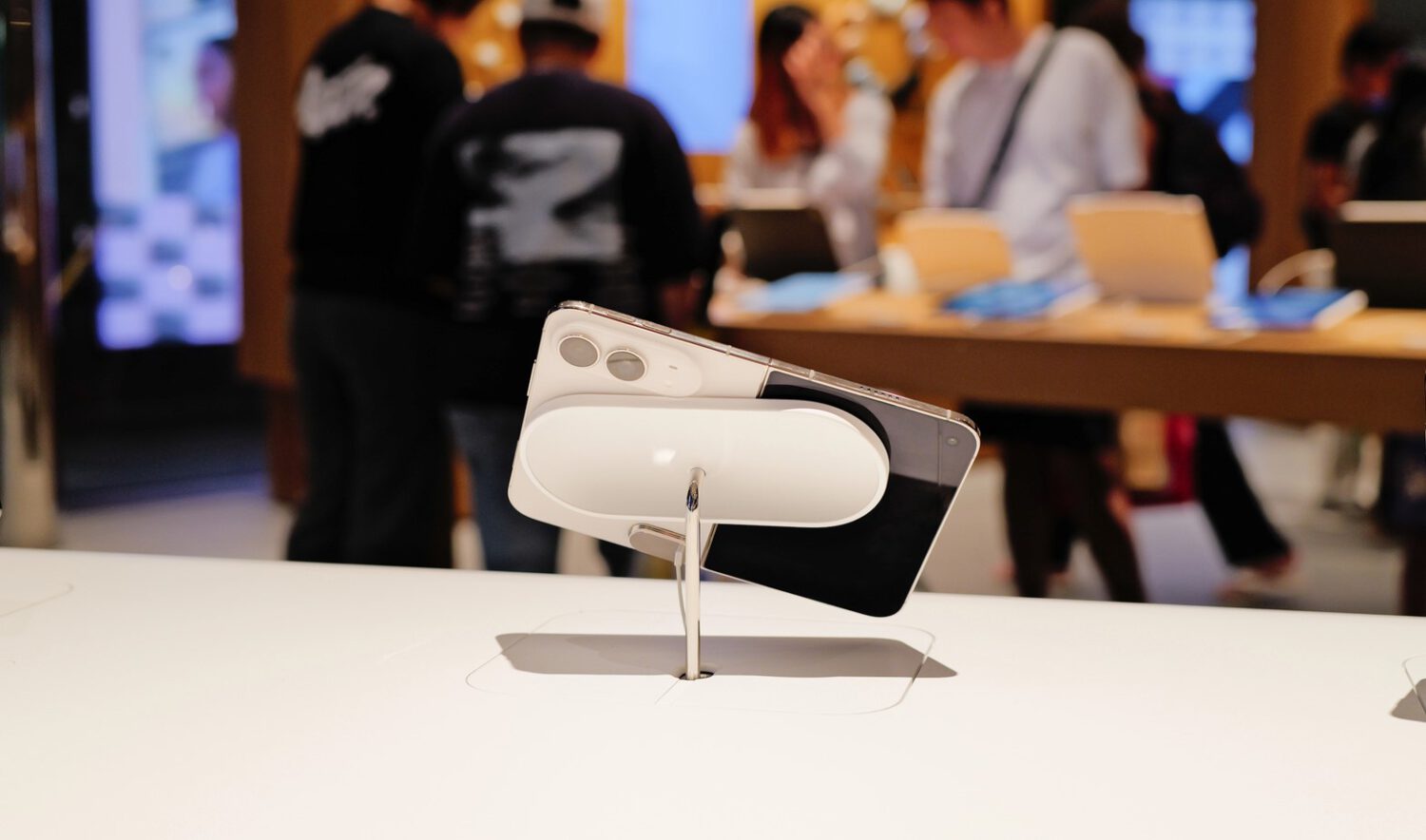
Apple’s first foldable, the iPhone Duo, shipped at 254 grams with a side-mounted fingerprint sensor. According to Bloomberg’s Mark Gurman, Apple is already developing a follow-up model targeting fall 2027. Apple has not confirmed the iPhone Duo 2 or any of its reported features.
A Lighter Phone, a Better Camera, and a Familiar Button
Apple is reportedly pursuing four upgrades for the second model, though how many reach the final product remains an open question.
A thinner, lighter chassis is reportedly a primary target, per Gurman’s reporting. At 254 grams, the first-generation model has drawn attention for its heft, and reducing that weight is said to be among Apple’s clearest goals for the next version.
A dedicated telephoto lens is also said to be under consideration. The current Duo achieves 2× zoom through its main camera rather than a dedicated telephoto lens, and adding one would strengthen the optical zoom capabilities of Apple’s high-priced foldable flagship.
Apple is reportedly weighing the addition of its customizable Action Button, though space inside the thin foldable chassis is limited. Per the reporting, Apple is considering merging the Action Button’s function with the existing Camera Control rather than cutting a separate opening into the already constrained frame.
Face ID in the Outer Display Is the Real Prize
Fitting 3D facial recognition hardware into an approximately 5-millimeter-thin chassis is the engineering challenge Apple has not yet resolved, according to reports.
The most consequential reported upgrade is also the least certain: Face ID placed in the outer display, so users could authenticate without unfolding the phone. That would represent a significant shift from the side-mounted fingerprint sensor the current Duo relies on. Prototypes reportedly exist, but secondary reporting describes the integration of the required 3D sensing hardware into a chassis roughly 5 millimeters thin as an unsolved engineering problem.
The timeline adds pressure. Apple reportedly needs to finalize the Duo 2’s hardware plans soon to meet the fall 2027 launch window. If Face ID does not clear its engineering hurdles in time, the feature could slip to a later generation entirely.
What Apple Has and Hasn’t Said
Every detail here comes from reporting attributed to Gurman and Bloomberg, not from Apple.
The telephoto camera and thinner design are described in reports as goals spanning the next couple of generations, not necessarily locked features of the second model. A thinner chassis also brings trade-offs in battery capacity, thermal management, and structural integrity. The final product may deliver some of these reported ambitions and not others. Apple has not commented on the iPhone Duo 2.