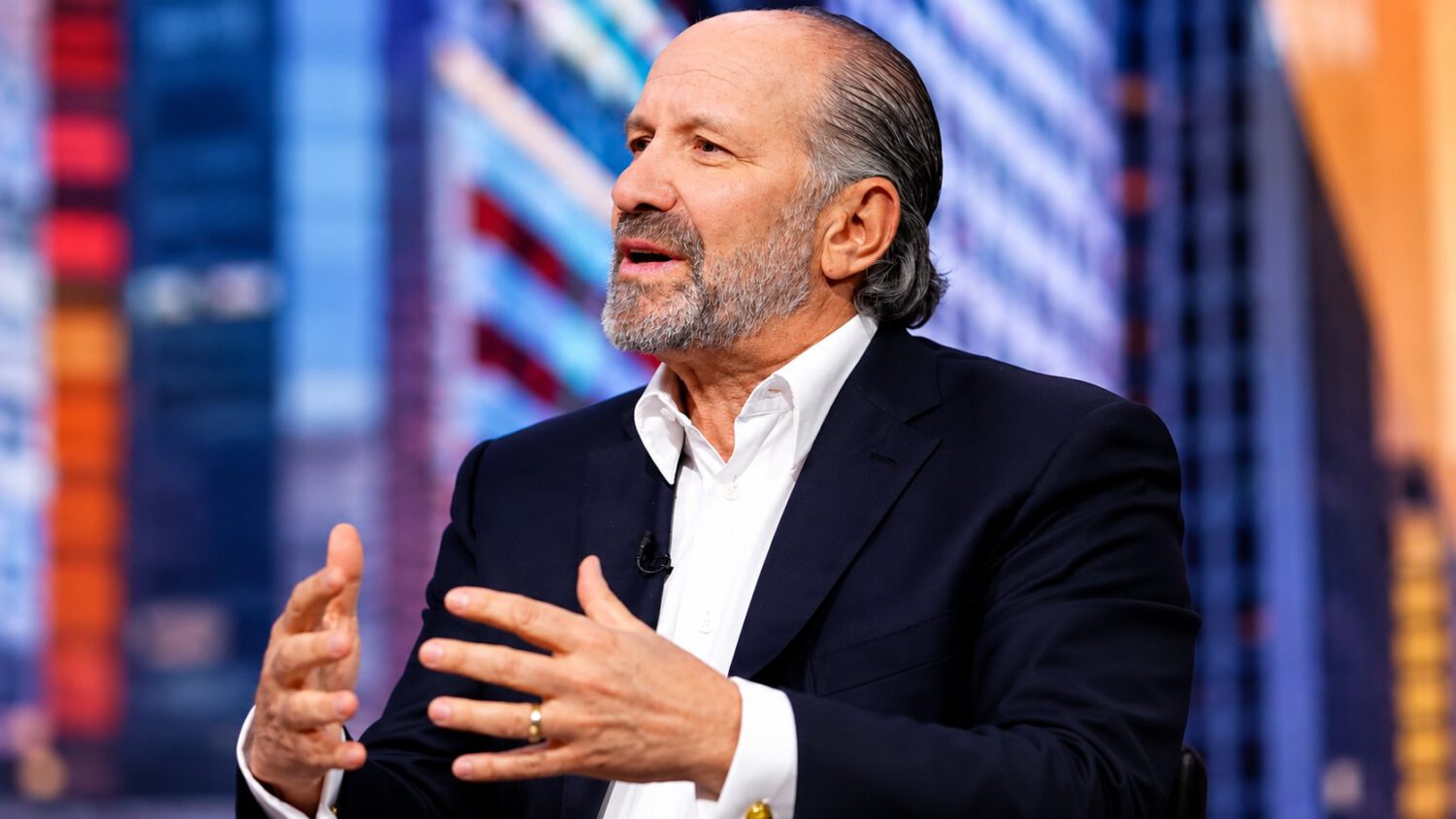
Axios, citing senior administration sources, reported that Commerce Secretary Howard Lutnick resisted or delayed implementing restrictions on companies suspected of diverting advanced Nvidia AI chips to China at least three times in 2026. The controls had still not taken effect at the time of Axios’s publication.
Situation Room Confrontation
Treasury Secretary Scott Bessent reportedly challenged Lutnick on Nov. 5 over Commerce’s failure to act on Megaspeed, a Singapore-based company suspected of funneling Nvidia chips to China.
Defense Secretary Pete Hegseth, Secretary of State Marco Rubio and U.S. Trade Representative Jamieson Greer were also present at the White House Situation Room meeting, according to CNN. Lutnick appeared to agree with the group but said he needed to check with Trump, a response officials reportedly interpreted as another potential delay, Axios reported.
Megaspeed Background
U.S. officials suspect the Singapore-based company of helping route Nvidia chips to China in circumvention of American export law, though no official charging document or enforcement record was identified in available reporting.
The company became a major Nvidia buyer after changing its name and ownership structure, according to CNN. Analysts cited by CNN estimated it had purchased more than $4 billion in Nvidia semiconductors, though CNN did not name those analysts or detail their methodology.
Commerce had declined to place Megaspeed on the Entity List despite those concerns, CNN reported.
Entity List Explained
Placement on the Entity List generally requires American companies to obtain a government license before supplying a designated foreign entity, though the specific restrictions depend on the terms of each listing.
Adding Megaspeed could signal an escalation in U.S. efforts to close third-country diversion channels. Through such channels, chips restricted from direct export to China allegedly reach Chinese buyers via intermediaries in other jurisdictions, fueling demand for AI data centers across the region.
Oval Office Escalation
After the Situation Room meeting, the group moved to the Oval Office, where Trump consulted Elon Musk, who reportedly supported the restrictions, according to Axios.
Lutnick warned that the move could trigger a trade war with China, Axios reported. Trump directed officials to proceed anyway.
Another Reported Delay
Even after Trump’s Oval Office directive, Lutnick allegedly proposed developing options and returning later, prompting other officials to insist the decision had already been made, according to Axios.
Axios reported the controls remained unimplemented at the time of publication. The alleged pattern across May, August and November points to a recurring gap between White House authorization and Commerce Department execution, though the underlying timeline rests on anonymous-source reporting that has not been independently confirmed.
Commerce Pushes Back
Commerce Department spokesperson Kristen Eichamer disputed the confrontation account, and the department did not immediately address other allegations in the Axios report.
The White House and Lutnick’s spokesperson also did not immediately respond to requests for comment, according to Reuters. The Axios account relies on anonymous senior administration sources throughout.
The Enforcement Problem
A presidential directive is not a finished export control; Commerce must still translate White House approval into specific designations, licensing restrictions or formal investigations before restrictions take effect.
Whether the controls were eventually implemented and whether Megaspeed was added to the Entity List remain open questions. The episode, as reported, illustrates how national-security objectives can stall between political approval and agency-level execution.