IDC reports that global smartphone shipments are set for a record 16.7% drop in 2026, driven by sharply higher memory prices. This tectonic shift is reshaping the entire industry; some brands fold under the pressure, while others innovate their way to the top. Understanding these market plays ensures your next smartphone purchase isn’t just an expensive regret.
This content may contain affiliate links. If you wish to support us and use these links to buy something, we may earn a commission.
Facing Challenges
15. Apple iPhone
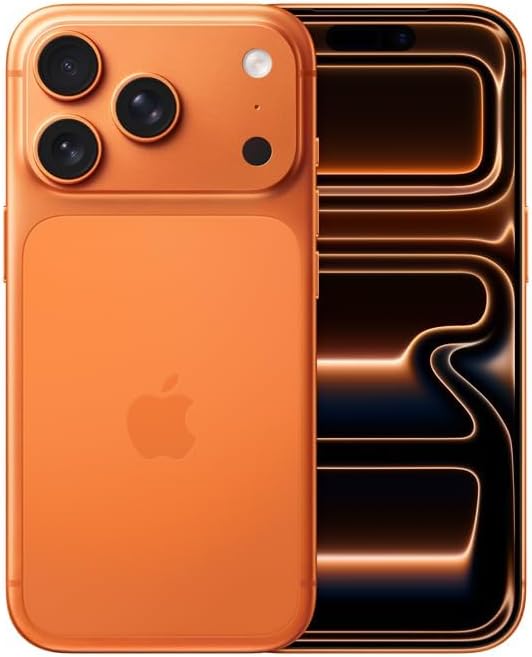
Premium pricing meets buyer resistance as Apple tests the upper limits of flagship tolerance.
The iPhone 18 Pro lineup launched with substantial price increases. Apple’s aggressive pricing extends to new frontiers, including the rumored iPhone Duo foldable. The standard iPhone 18 faces reported delays until Spring 2027, leaving long-time Apple users questioning their upgrade path.
Your current phone, perfectly functional, might outlast the appeal of these premium price tags. The market has decided that some gold-plated handcuffs still feel like handcuffs, especially when you’re staring at four-digit price tags for incremental upgrades.
14. Samsung Galaxy S series
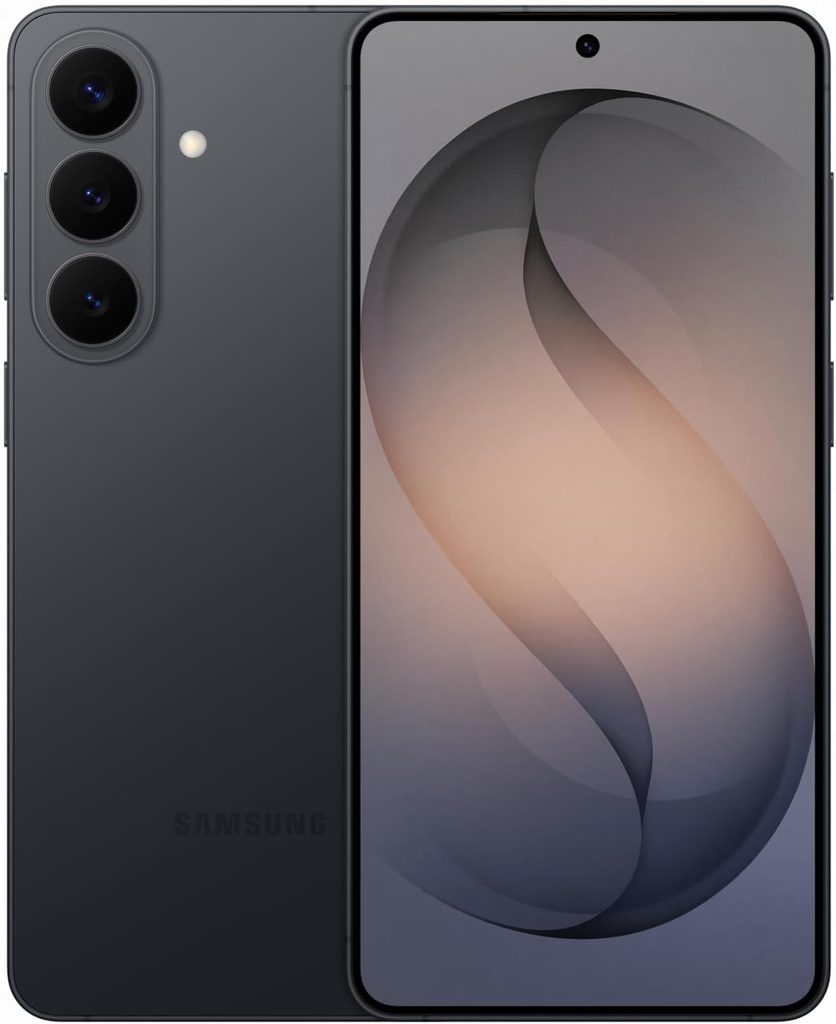
Unannounced price increases and storage upgrade premiums test brand loyalty against rising costs.
Samsung’s flagship Galaxy S line maintains premium displays, advanced cameras, long-term software support, and broad carrier distribution. Recent market reports suggest pricing pressure across the Galaxy S family, with storage upgrades commanding substantial premiums.
Your best bet remains patience. Avoid buying at full price; wait for carrier deals or seasonal promotions. Anyone who’s watched concert ticket prices knows this dance: early adopters pay the premium, while patient buyers score better value later.
13. Sony Xperia
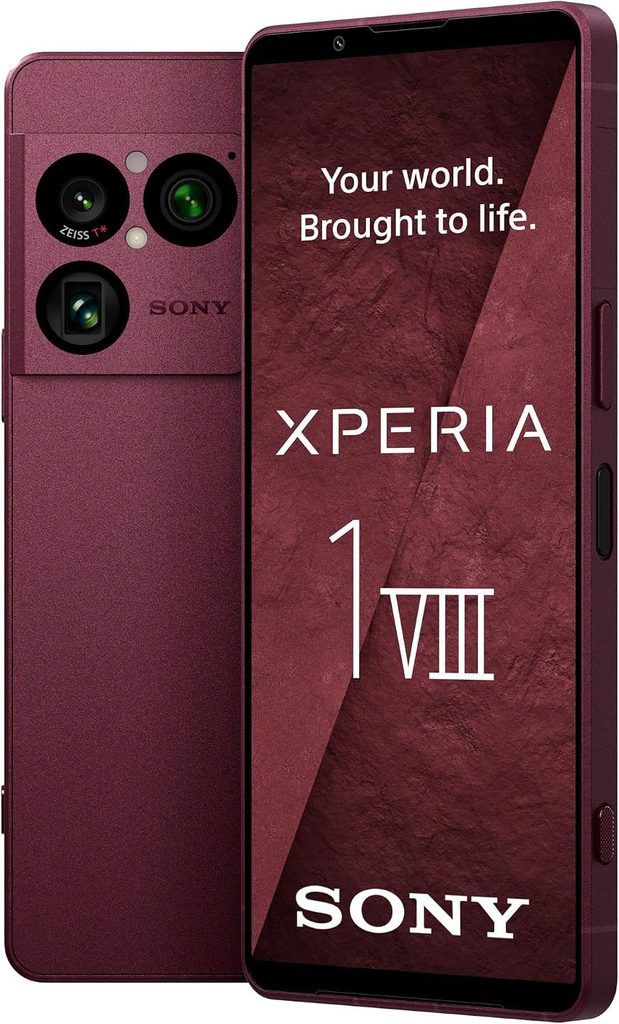
A premium brand retreats from major markets, leaving enthusiasts with limited support options.
Sony’s Xperia line offers high-end displays, strong audio features, expandable storage on some models, and camera controls aimed at enthusiasts. The company has significantly scaled back retail availability in major markets, making local repairs and warranty service increasingly difficult to secure.
The compact Xperia 5 line saw its last model in 2023. For enthusiasts valuing expandable storage and strong audio, finding local Xperia repairs now feels like getting a vintage arcade cabinet fixed at Best Buy. Buyers should verify local retail, carrier, warranty, and software-support coverage before purchasing any Xperia device.
12. Motorola Razr
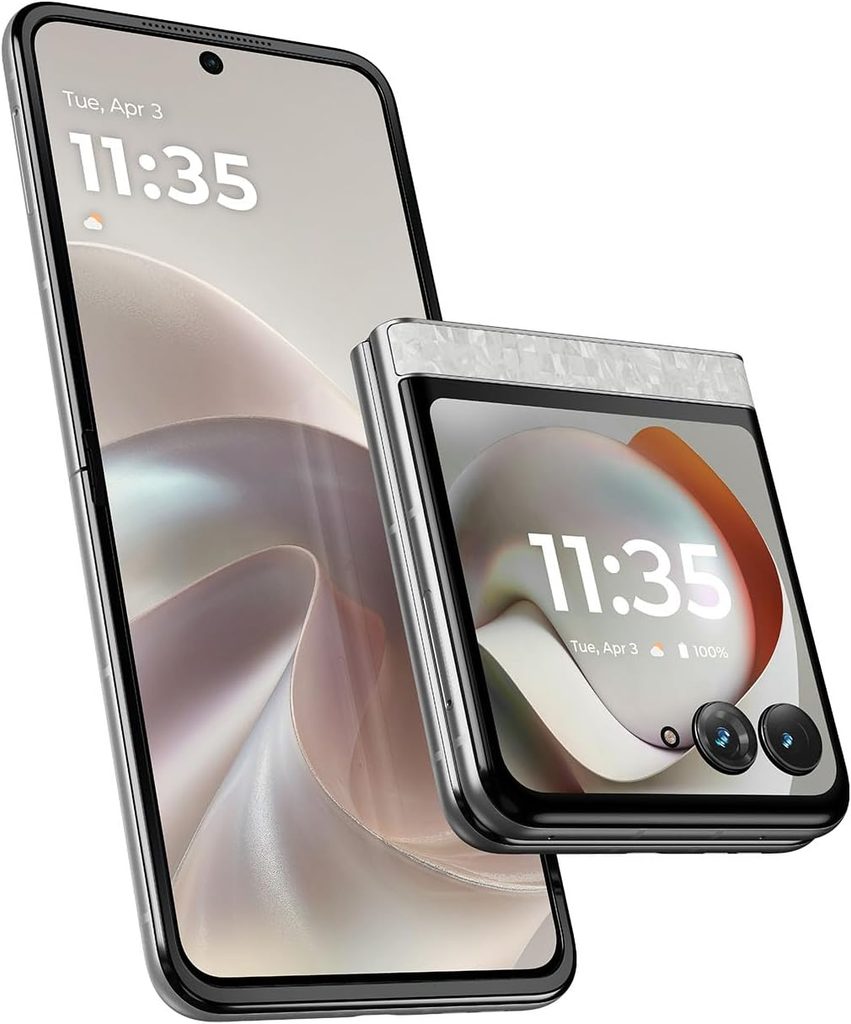
Premium clamshell foldables face scrutiny over software support duration versus asking price.
The Motorola Razr family combines clamshell foldable design with flexible internal displays and external cover screens. Recent models command premium pricing, yet standard Razr devices receive only three Android upgrades.
This contrasts sharply with the Razr Fold, which comes with a seven-year promise for software support. Software longevity defines a high-end device, preventing it from becoming an expensive paperweight in just a few years. When you’re shelling out for premium hardware, you expect a commitment that matches the investment.
11. Asus Zenfone
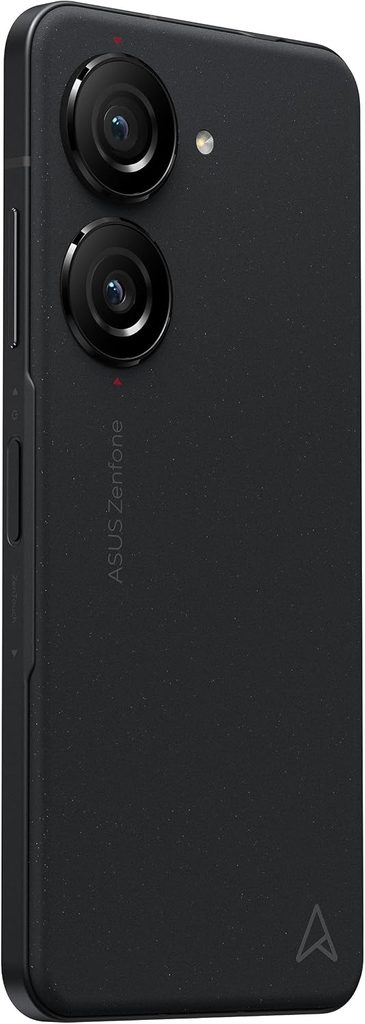
The era of truly compact Android phones draws to a close as Asus exits the smartphone market.
Asus’s Zenfone line historically stood out for relatively compact Android models, including the Zenfone 10 and Zenfone 11 Ultra. Reports indicate Asus is not introducing a new Zenfone generation in 2026, effectively sidelining one of the last viable small-form-factor options for Android loyalists.
For years, the Zenfone carved out a niche as the pint-sized powerhouse. While models like the Zenfone 12 Ultra still receive updates within their support windows, any deeply discounted units warrant careful consideration. Verify the remaining software-support period; otherwise, you might end up with a phone that hits its digital expiry date sooner than expected.
10. Asus ROG Phone
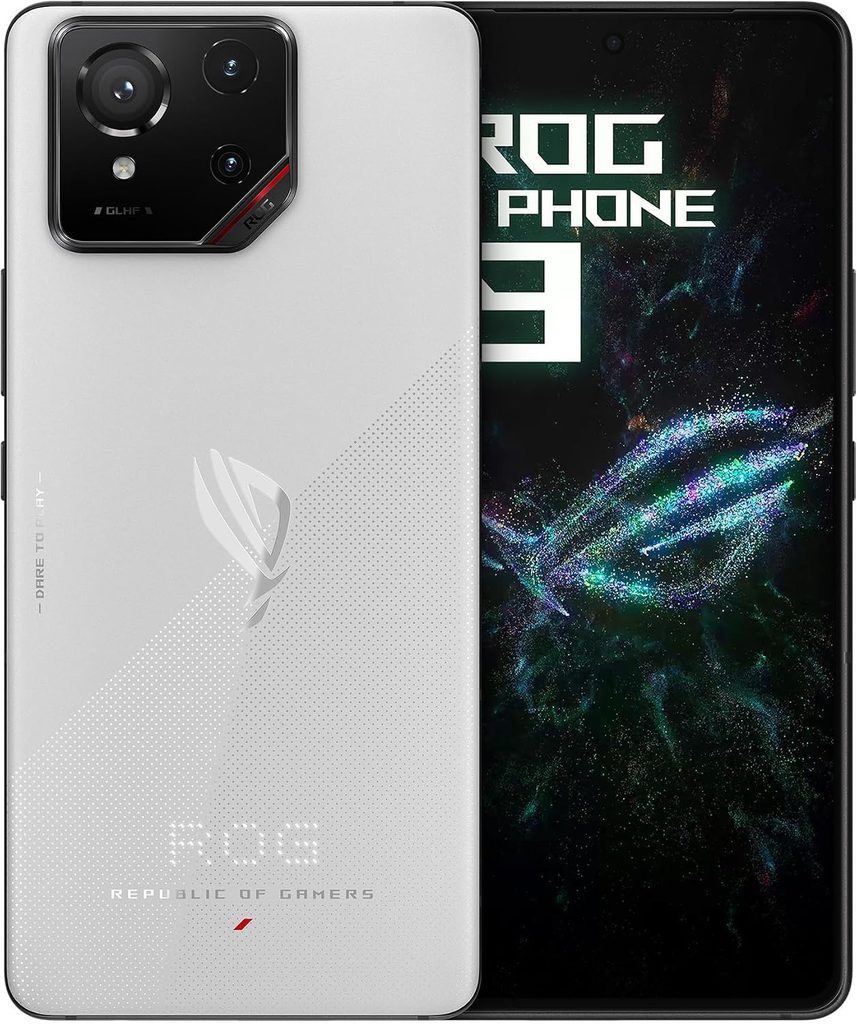
Gaming-focused flagship faces uncertain future as manufacturer restructures mobile strategy.
ROG Phone is Asus’s gaming-focused smartphone family, featuring high-refresh-rate displays, gaming shoulder controls, large batteries, advanced cooling, and stereo speakers. Reports suggest no new ROG Phone will launch in 2026.
This puts upgrade-minded gamers in a tough spot. While the ROG Phone 9 Pro still receives updates within its promised support window, the brand’s future remains uncertain. Exercise caution; a full-price purchase now requires weighing limited long-term product roadmap visibility.
9. Redmi (Xiaomi sub-brand)
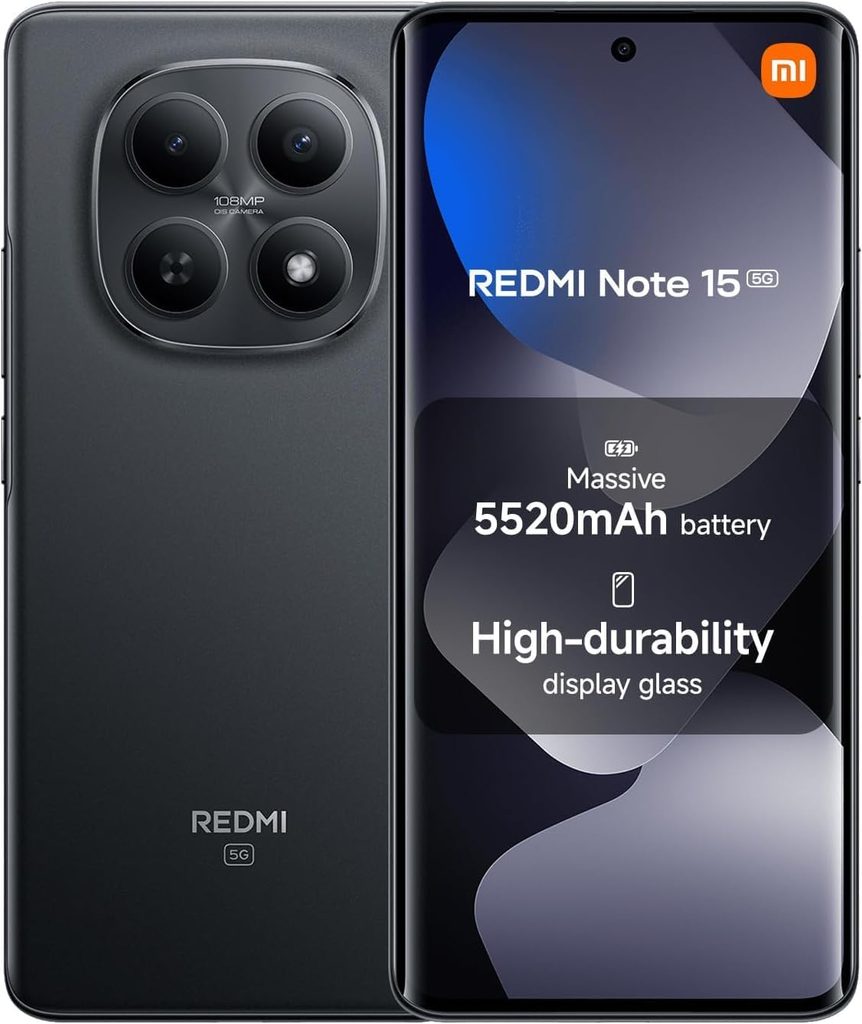
Budget brand faces sharp price volatility as memory costs disrupt value proposition.
Redmi is Xiaomi’s value-oriented smartphone brand, covering entry-level and mid-range phones. Its appeal traditionally comes from large batteries, capable processors, and competitive pricing. However, budget phone buyers now face unpredictable pricing shifts.
Market reports suggest significant price increases for budget models after launch, though specific pricing varies substantially by region and market. Always verify current market prices in your country before making a purchase, as launch figures may not reflect real-world availability or cost.
8. OnePlus
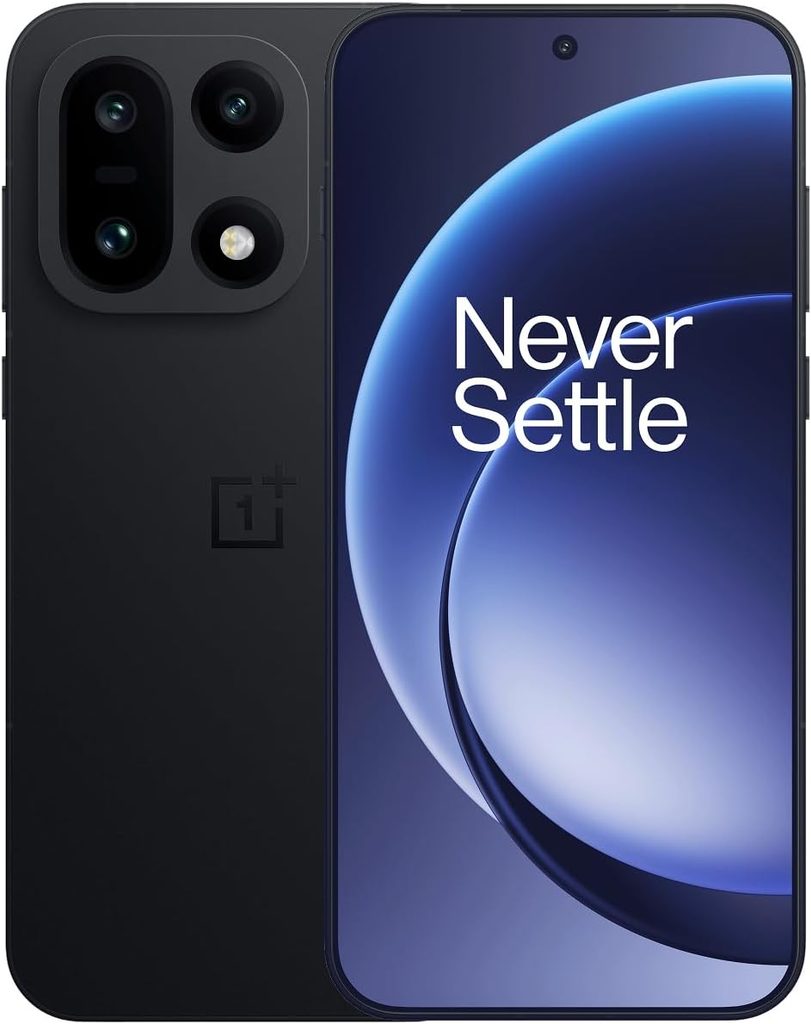
Former flagship killer restructures presence in Europe and North America while maintaining existing support.
OnePlus built its reputation on high specifications, fast charging, responsive software, and pricing below mainstream flagship competitors. Recent reports indicate the brand is restructuring its presence in Europe and North America while continuing software and after-sales support for existing owners.
Prospective buyers should prioritize confirmed regional sales, warranty coverage, carrier compatibility, and written support policies. Current owners should continue using their devices confidently, but exercise caution about new purchases in markets with uncertain retail presence.
7. Nokia smartphones (HMD Global)
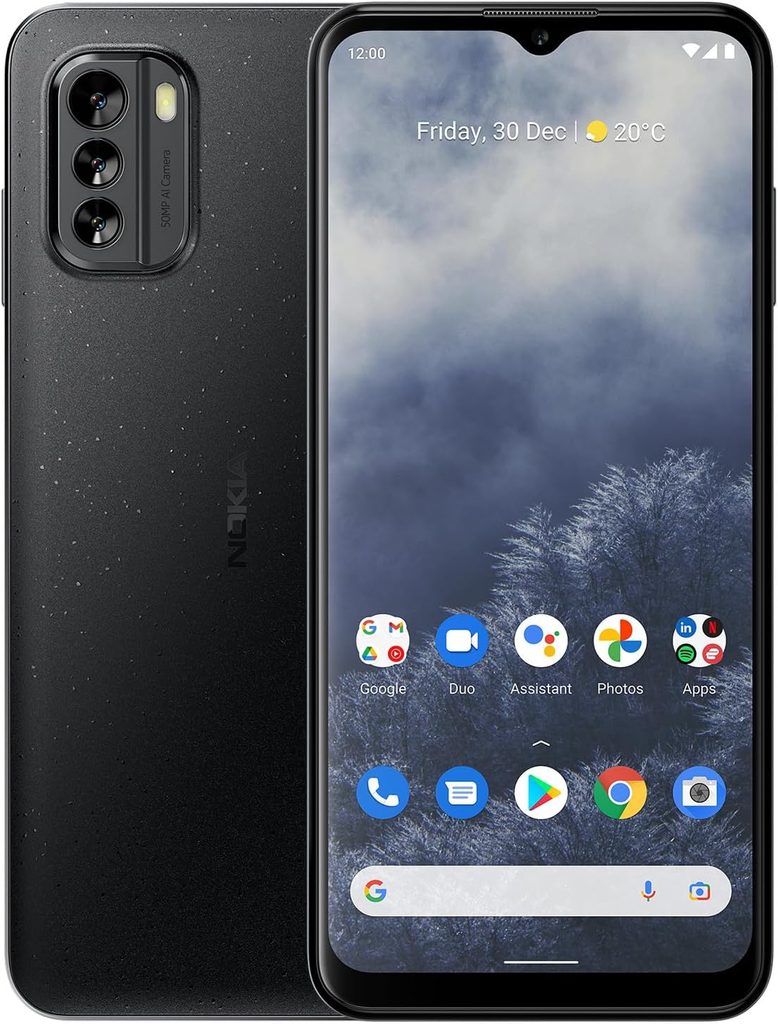
Licensing uncertainties and market exits cloud future for brand built on nostalgia and clean Android.
Modern Nokia-branded smartphones have been produced by HMD Global under licensing arrangements. The brand has historically emphasized durable construction, clean Android software, affordability, and familiarity.
Because HMD’s regional strategy and licensing arrangements can change, buyers should confirm current availability and update support in their country rather than relying on brand nostalgia. Long-term software support and local repair options require verification through official channels before purchase.
6. Tecno
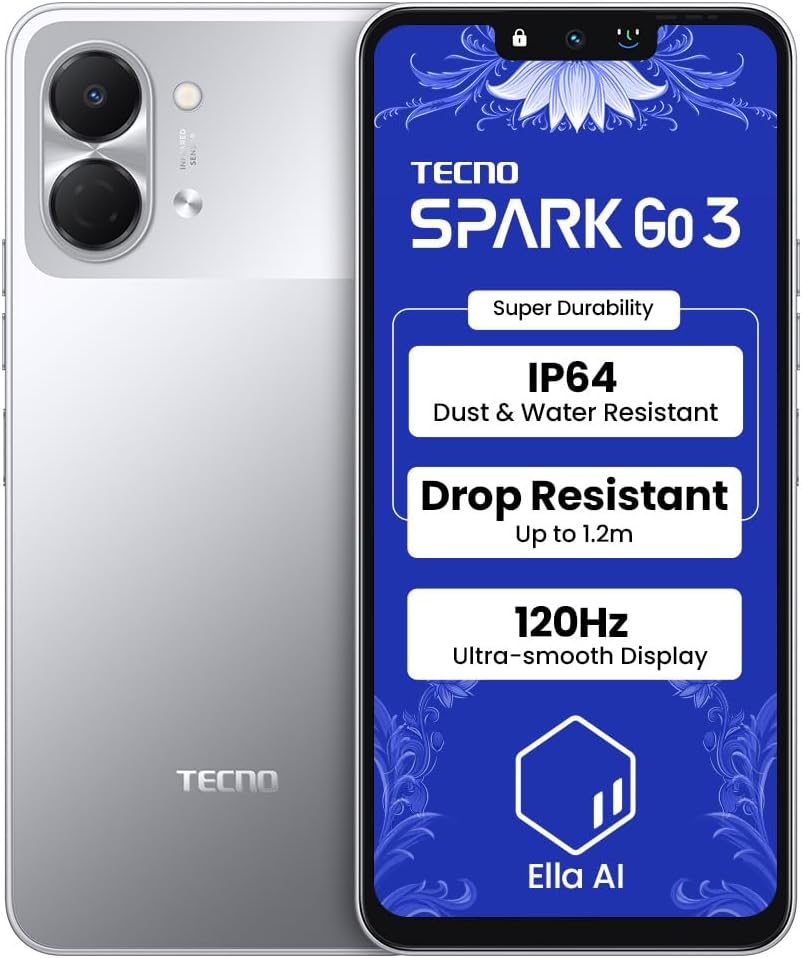
Emerging-market value brand pivots toward premium as memory costs eliminate ultra-budget segment.
Tecno is a Transsion smartphone brand focused primarily on emerging markets and value-conscious buyers. Its portfolio includes the budget Spark series, gaming-oriented Pova models, and higher-end Camon and Phantom devices.
Rising component costs are pushing low-cost manufacturers toward higher prices and more premium products. IDC reports that memory shortages are pressuring manufacturers to reduce shipments, raise prices, and concentrate on higher price tiers. Buyers once loyal to Tecno’s ultra-budget offerings might find their favorite models suddenly unaffordable as the brand fights for a slice of the mid-range market.
Holding Up
5. Google Pixel
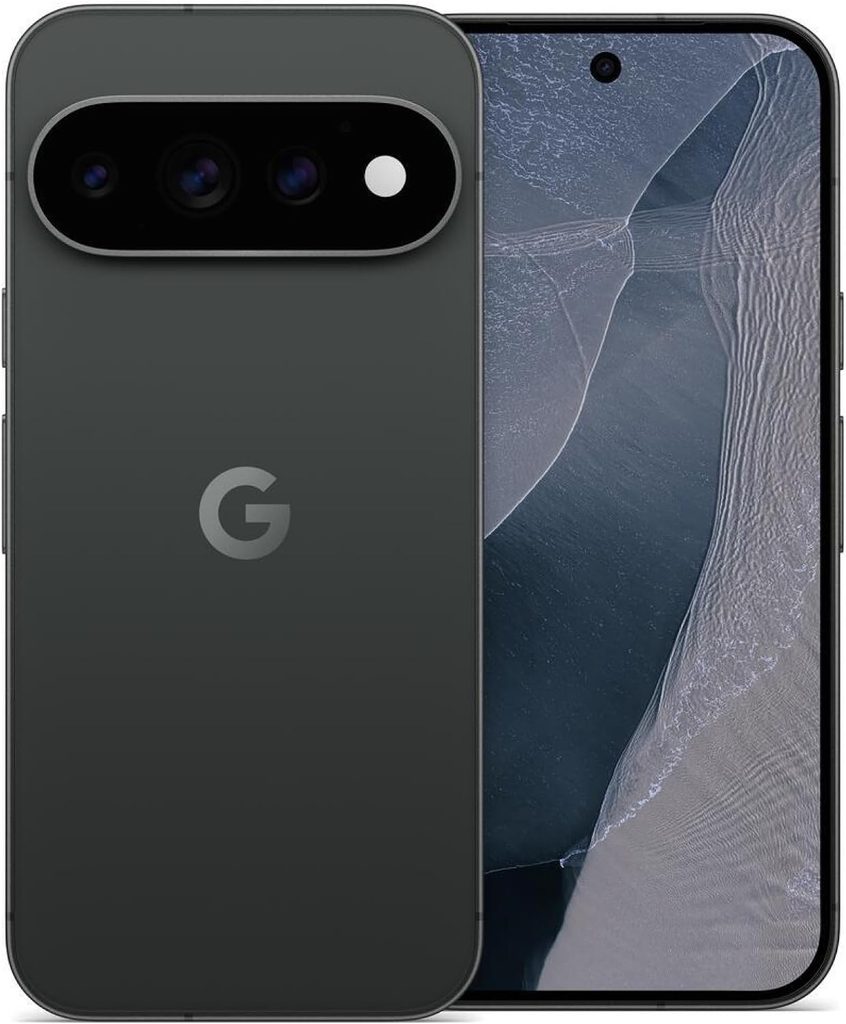
Google defies industry price inflation with genuine value propositions and long-term support commitments.
Google’s Pixel lineup delivers refreshing alternatives. Pixel 10a delivers a 6.1-inch pOLED Actua display, 256 GB storage, 8 GB RAM, a 48-megapixel wide camera, a 13-megapixel ultrawide, and Android 16 at launch. Google officially commits to seven years of OS, security, and Pixel Drop updates.
Before the Pixel 11 even hit shelves, the 10a saw prices drop to around $500. That software commitment at this price point is unparalleled, like getting a multi-year subscription for your phone. For value-conscious buyers, Google’s core models offer solid fundamentals instead of chasing every high-end spec at a premium.
4. Samsung Galaxy Z Fold and Z Flip
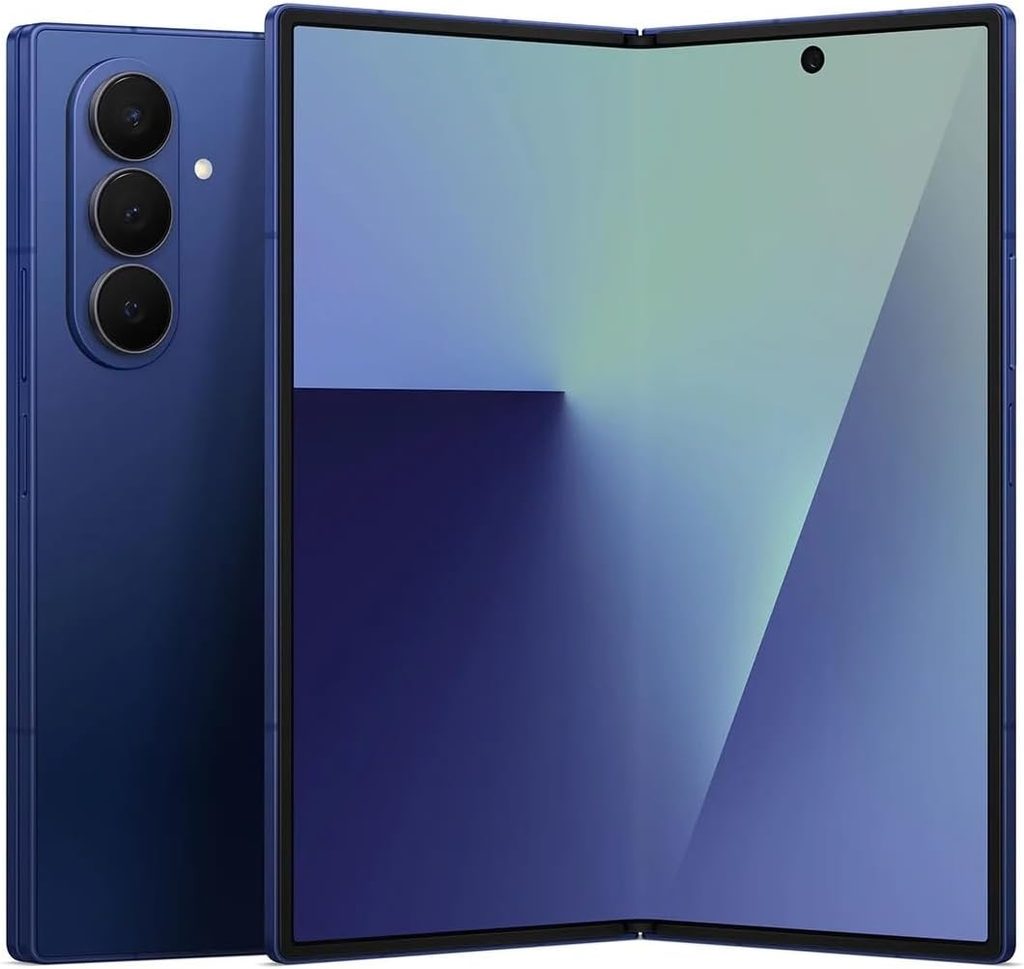
Book-style and clamshell foldables maintain mature software integration despite rising prices.
Samsung’s Galaxy Z Fold devices use a book-style form factor with larger tablet-like interior screens, while Galaxy Z Flip devices offer compact clamshell designs. These foldables generally offer wide availability and mature software integration, yet they carry higher prices and include flexible-display durability considerations.
You’re choosing between a compact fashion statement and a portable workstation. If you’re weighing the immersive experience of a Fold against the pocketable practicality of a Flip, verify current regional pricing through Samsung’s official store rather than relying on launch-day figures.
3. Google Pixel 10a
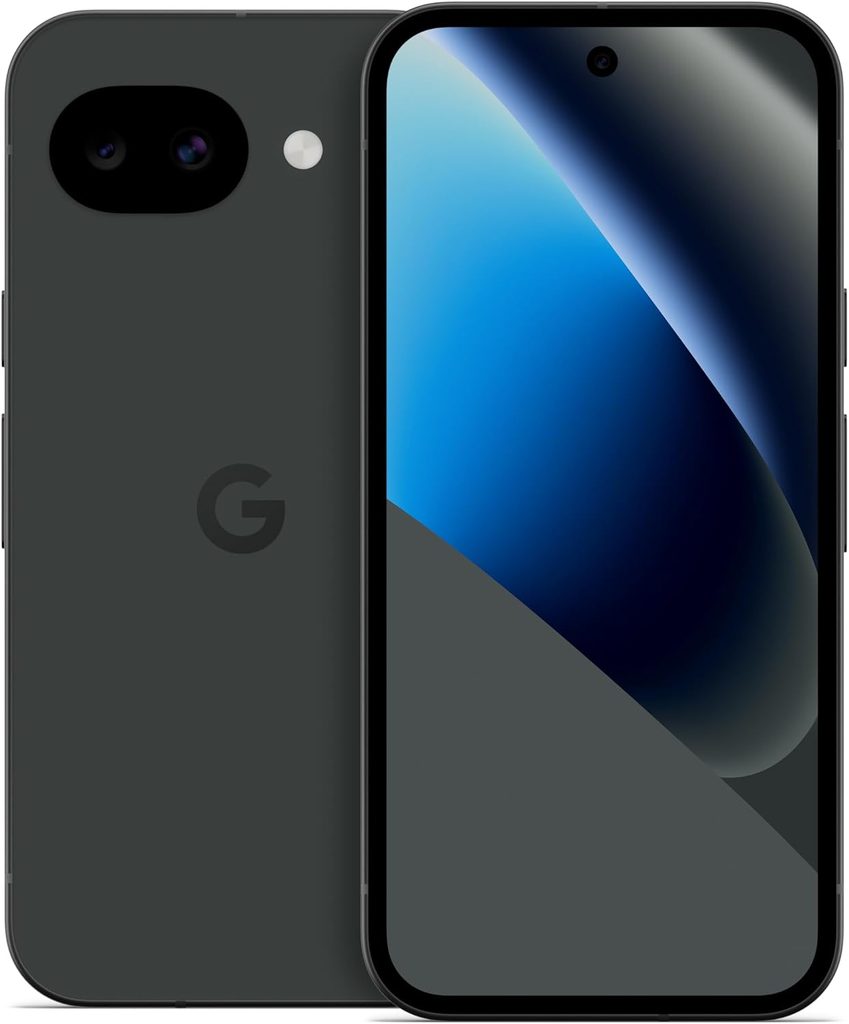
Seven-year software commitment and capable hardware create unparalleled budget flagship value.
The Google Pixel 10a delivers a seven-year promise for operating system, security, and Pixel Drop updates. This makes it a device you can hand down like a vintage band T-shirt that never goes out of style.
The hardware holds its own. Google’s official specifications list a 6.1-inch pOLED Actua display, 256 GB storage, 8 GB RAM, a 48-megapixel wide camera, and a 13-megapixel ultrawide camera, launching with Android 16. You get solid performance without the flagship price tag, meaning your investment won’t feel outdated a year later.
2. Motorola Edge
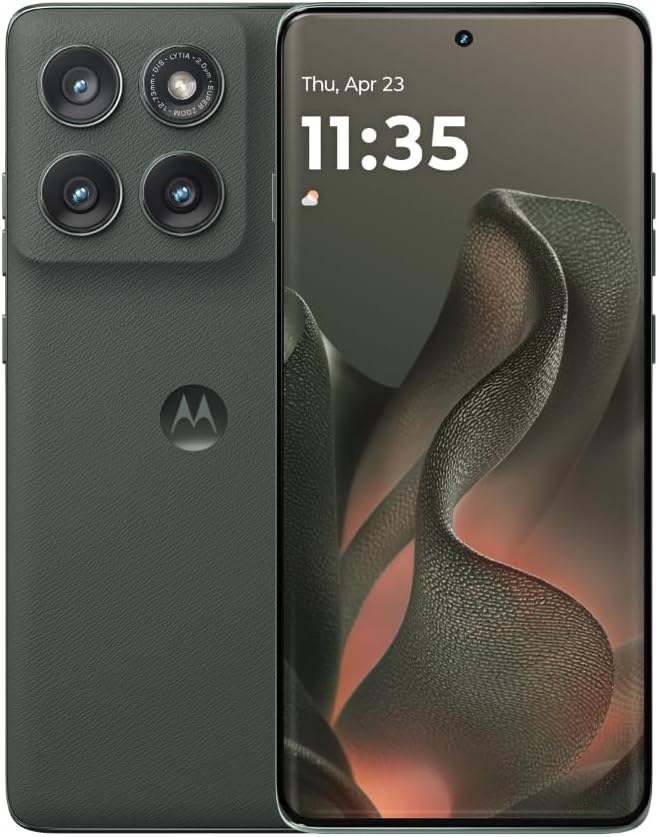
Mainstream-to-premium line offers fast charging and strong processors but shorter software support than rivals.
Motorola Edge is the company’s mainstream-to-premium smartphone line, generally offering larger displays, fast charging, and stronger processors than Moto G models. However, Edge devices typically receive fewer Android upgrades and a shorter security-support period than comparable Google and Samsung phones.
Motorola’s updates also arrive late; software rollout timing varies substantially by market and carrier. For tech-savvy users, this means faster obsolescence. Secure one at a steep discount, because its digital lifespan is notably limited compared to competitors offering six or more years of support.
1. Motorola Moto G
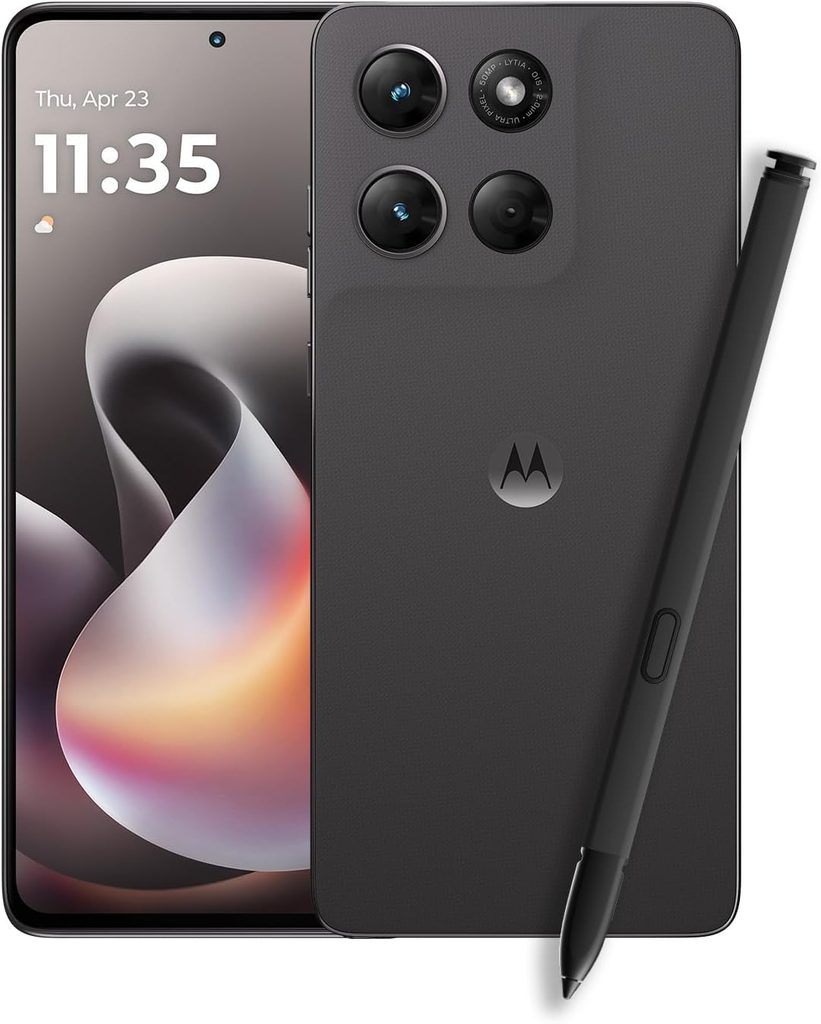
Budget family offers affordability and clean Android but shorter update commitment than rivals.
Moto G is Motorola’s budget smartphone family, historically valued for affordability, clean Android software, large batteries, and broad retail availability. These phones are widely available, making them a common choice for first-time smartphone buyers.
Most Moto G models receive fewer Android upgrades and a shorter security-support period than comparable Samsung and Google phones. Initial savings might not translate into long-term value if you’re replacing devices more frequently due to outdated software. Exact support varies by model and market, so verify the specific commitment before purchase.