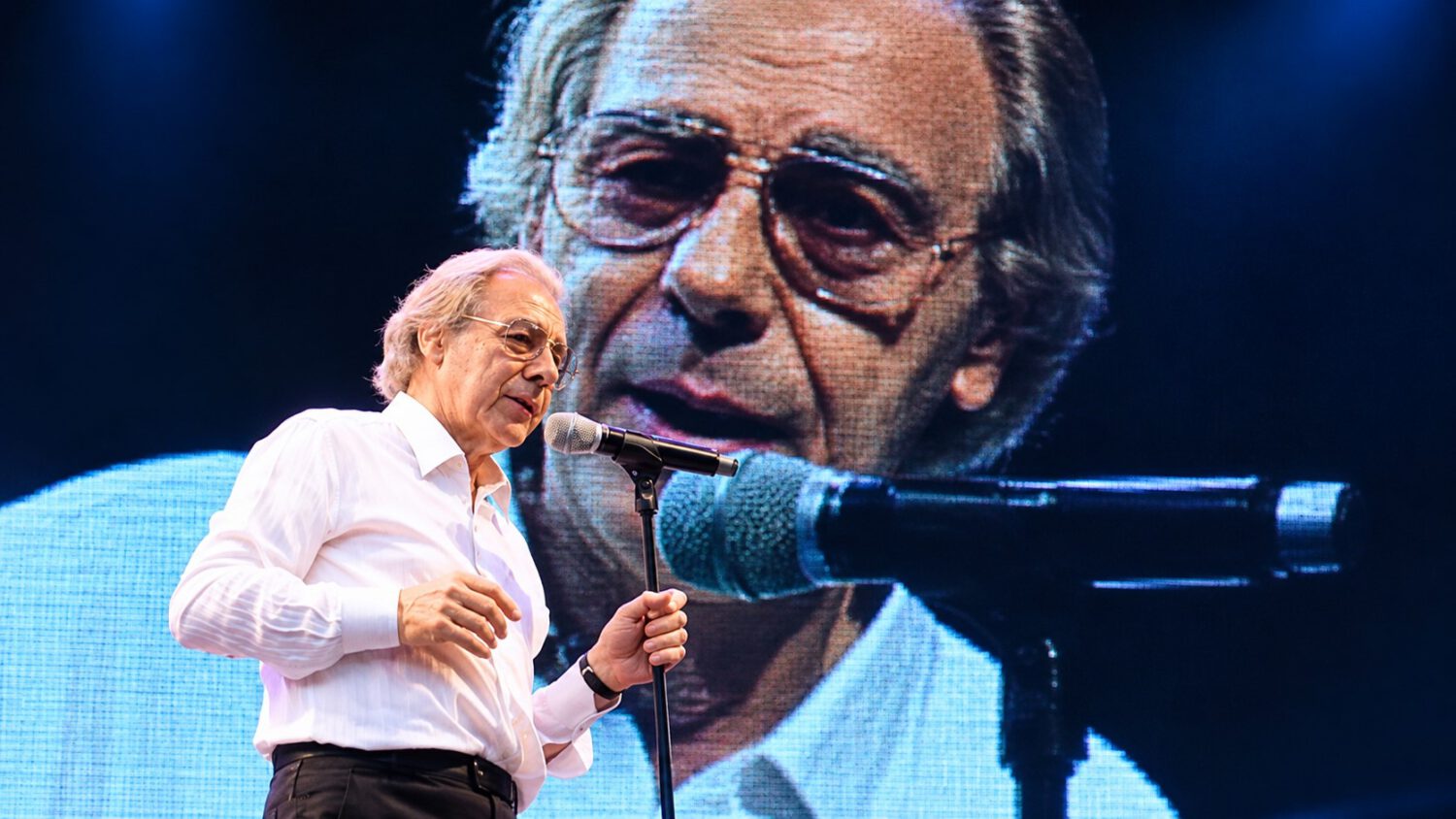
Series creator and producer Bruce Geller, whose show aired on CBS, told composer Lalo Schifrin to make the music exciting and a little light.
Schifrin, an Argentine jazz pianist and composer, had one visual reference point: a fuse being lit for the show’s opening sequence. That image, with no further musical concept attached, gave him unusual freedom to define what the series would sound like before the show had fully defined itself.
90 Seconds That Stuck for Six Decades
Schifrin reportedly wrote the central theme in approximately 90 seconds, with the full short sequence done within a few minutes, according to The Independent.
The theme powered the original CBS series through its seven-season run, from 1966 to 1973, with Peter Graves leading the cast. That a composition assembled so quickly became a fixture of pop culture is easier to understand once you hear how it was built.
The Mechanical Secret: Five Beats, Not Four
Written in 5/4 time, the theme places five beats in each bar where most popular music places four.
That extra beat creates a persistent sense of imbalance, preventing listeners from settling into a predictable pulse, which is what Schifrin was after. He later cited Dave Brubeck’s “Take Five” as a touchstone for the meter, according to The Independent and the Spokesman-Review. He also described the choice as a natural instinct during composition.
Sharp brass attacks, woodwind figures, bongos, and syncopated rhythms produce something tense but not purely dark, urgent but playful. That combination matched Geller’s request to avoid solemnity, according to reporting from The Independent and KPBS.
The Morse-Code Theory: Compelling, But Unconfirmed
Many secondary accounts hold that the opening rhythm encodes M.I. in Morse code, using two long signals and two short ones.
The theory is tidy and thematically fitting, which explains why it circulates widely. Available reporting from The Independent does not establish it as a confirmed statement of Schifrin’s original intent, so it is best understood as a compelling interpretation rather than settled history.
The stronger documented story is simpler. A jazz musician responded to a producer’s brief, applied an off-center meter, and produced one of the era’s most durable television signatures.
From CBS to Tom Cruise
The 1996 film franchise retained Schifrin’s recognizable theme, with Danny Elfman adapting it for the score after creative differences over musical direction, according to KPBS.
Later entries in the franchise have repeatedly preserved, rearranged, or updated the motif. A composition from a 1966 television series remains at the center of a blockbuster franchise now nearly 30 years old.
The theme outlasted the network series, the original cast, and several shifts in what spy entertainment is supposed to look like. A lit fuse and a jazz instinct turned out to have considerable staying power.