Dead batteries are among the most common complaints about smart locks. Ring’s answer is a power-generating dial built directly into the lock’s thumb-turn mechanism. Turn it a few times, Ring says, and you restore enough charge to operate the lock, without needing a spare key or an external battery pack. The Ring Smart Lock is priced at $249 and is expected to reach the United States in early 2027, pending regulatory authorization, making it worth comparing against other home security options before committing.
No independent hands-on testing has occurred yet, so Ring’s dead-battery claim remains exactly that: a claim.
What the Lock Actually Does
Four entry methods and Amazon Sidewalk connectivity define the Ring Smart Lock’s core feature set.
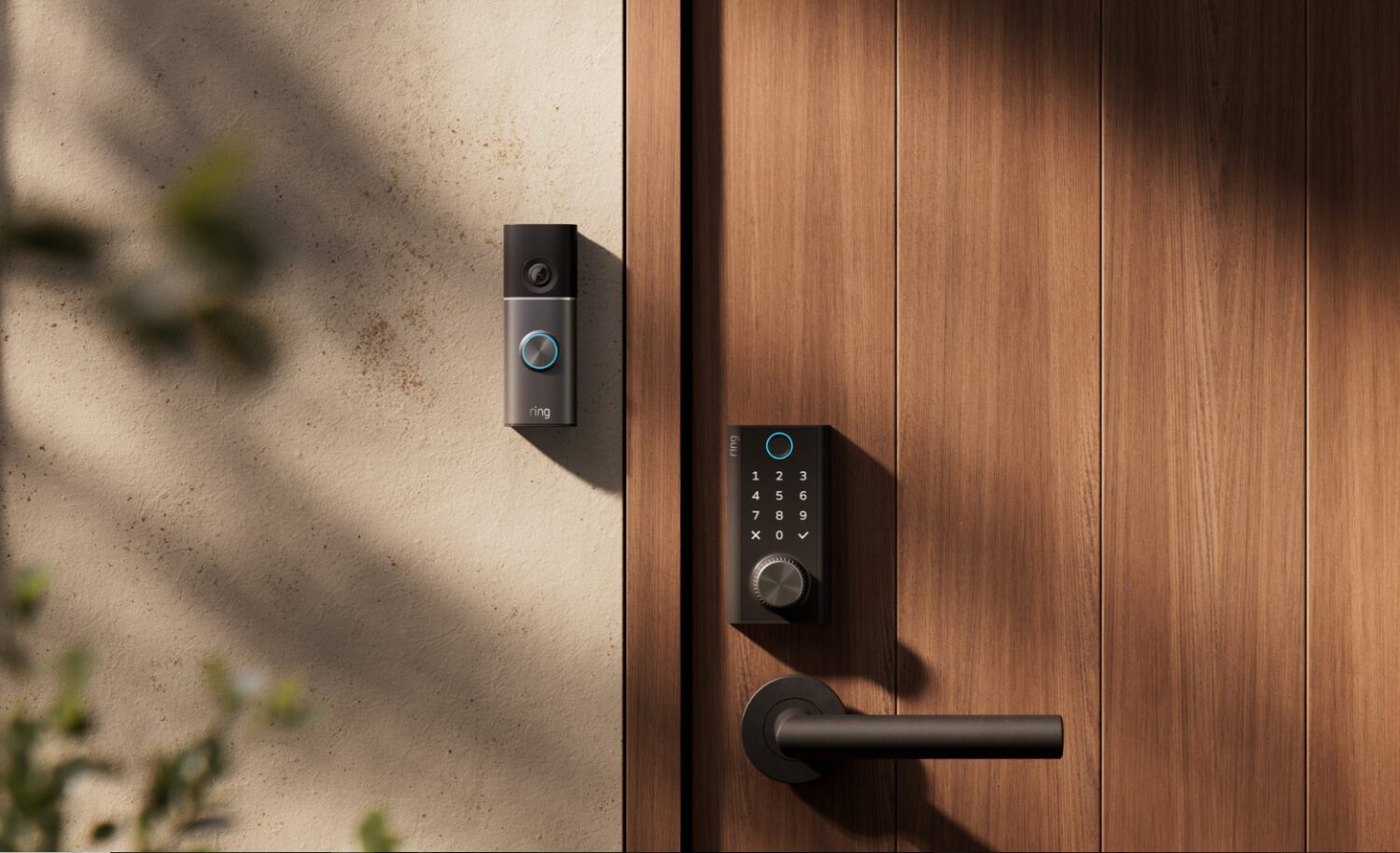
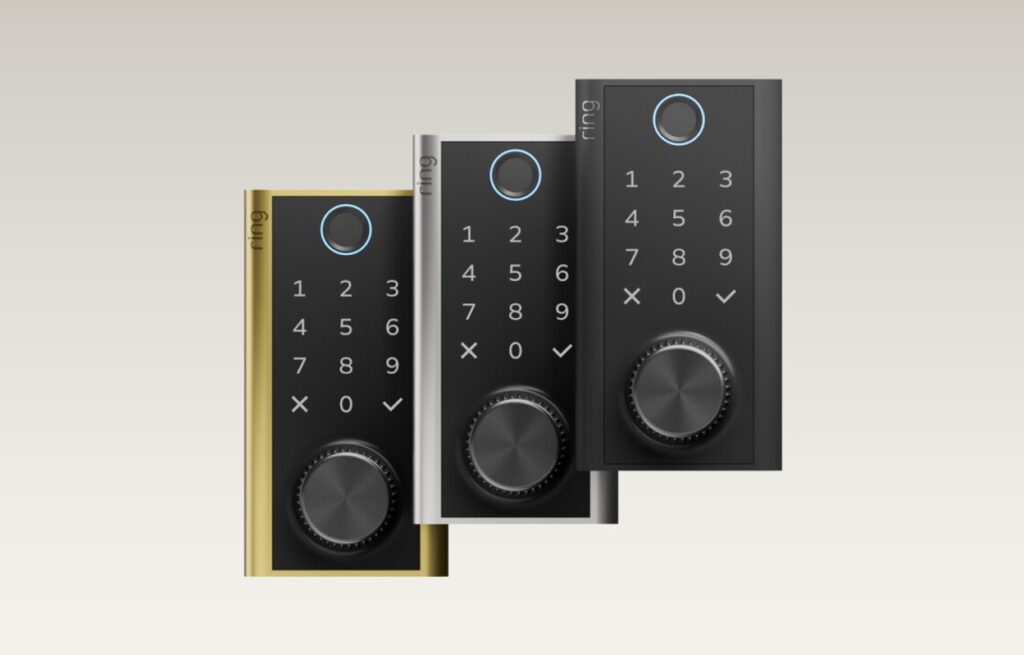
Ring says the lock supports a fingerprint reader, a backlit touchscreen keypad, the Ring mobile app, and Alexa voice commands through compatible Amazon Echo devices. Scheduled access is also supported, useful if a house cleaner or dog walker needs a recurring time window rather than a permanent PIN.
Remote locking, status updates, and PIN synchronization run through Amazon Sidewalk rather than depending entirely on your home Wi-Fi. Amazon has described Sidewalk availability as U.S.-only, which limits the lock’s remote capabilities for anyone outside that network footprint.
The lock fits a standard single-cylinder deadbolt and requires no additional wiring. Available finishes are black, silver, and brass.
What Ring Has Not Told You Yet
Battery capacity and several real-world performance details remain unconfirmed ahead of the 2027 launch.
Ring has not disclosed the lock’s battery capacity or the exact number of dial turns needed to restore operating power. Engadget reports that the built-in battery is expected to last approximately one year, though that figure comes from Ring and has not been independently verified.
Fingerprint accuracy, keypad responsiveness in wet or cold conditions, weather resistance ratings, and the long-term mechanical reliability of the charging dial are all unverified. This is a product announcement, not a tested product.
Bigger Picture: Ring’s Privacy and AI Push
The smart lock arrives alongside two other Ring announcements touching AI alerts and encryption.
The first is Video Descriptions, an AI feature designed to provide more specific language for detected motion events, helping distinguish routine activity from something that warrants attention. That delivery-driver-versus-urgent-concern distinction is Ring’s framing, offered here as a paraphrase rather than a direct quote.
The second is TAKE, or Throw Away the Key Encryption. Under this new default method, Ring retains cloud-held encryption keys for 24 hours to support features active on the account; after that window, only the customer holds the keys. Ring describes TAKE as rolling out gradually to all customers rather than being universally enabled at launch.
Both announcements position the smart lock within a broader Ring push toward sharper AI-assisted alerts and stronger user control over recorded footage.
What to Make of It Before 2027
The pitch is coherent for Ring households, but key specifications and independent testing are still missing.
For existing Ring and Alexa households, a $249 lock designed to work with Ring cameras, doorbells, and alarms while addressing the dead-battery problem on paper is a reasonable proposition. For anyone outside that ecosystem, the calculus depends on specifications and independent test results that are not yet available.
The 2027 launch window is not a firm date, and regulatory authorization is still pending.